


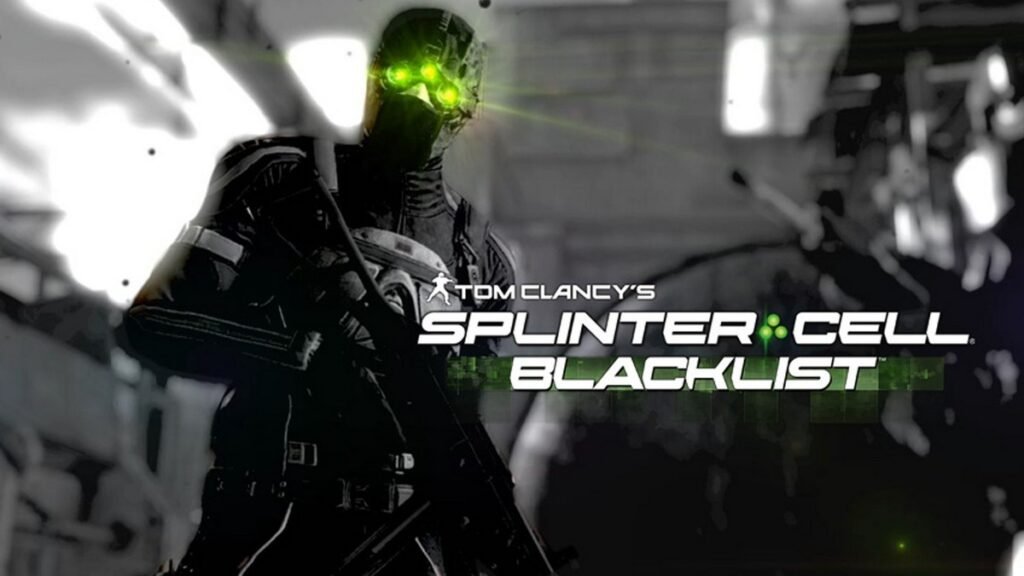
On August 20, 2013, Ubisoft released Tom Clancy’s Splinter Cell: Blacklist. This very game became the sixth mainline installment in the series and the last full-fledged Splinter Cell release. At launch, Blacklist was released on PC, PlayStation 3, Xbox 360, and Wii U.
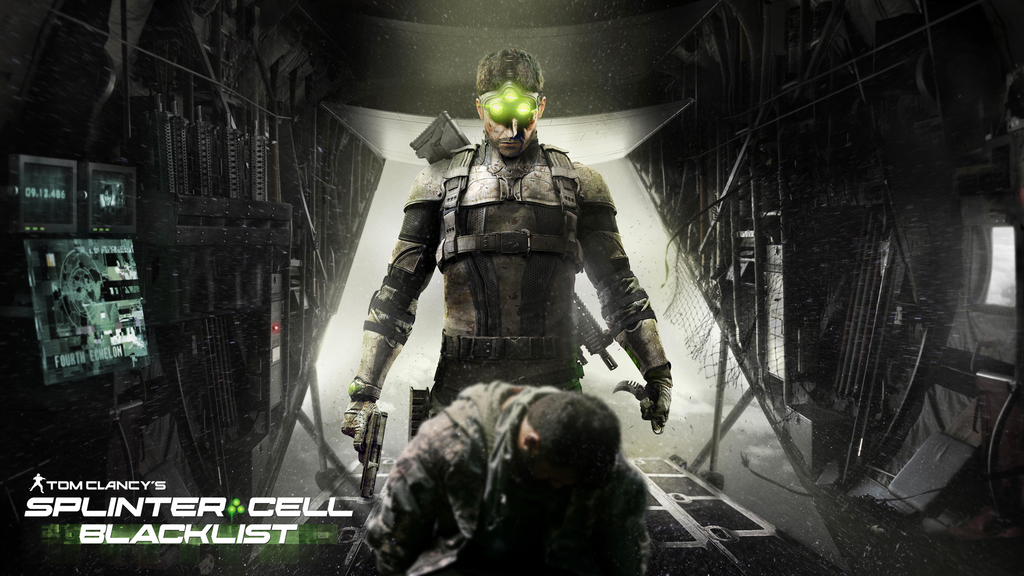
In 13 years, the series never received a new numbered installment. And so today, Blacklist is perceived not just as another game about Sam Fisher, but as a kind of full stop in the story of one of Ubisoft's most famous stealth franchises.
At the center of the plot is legendary agent Sam Fisher, who heads the newly created Fourth Echelon unit.
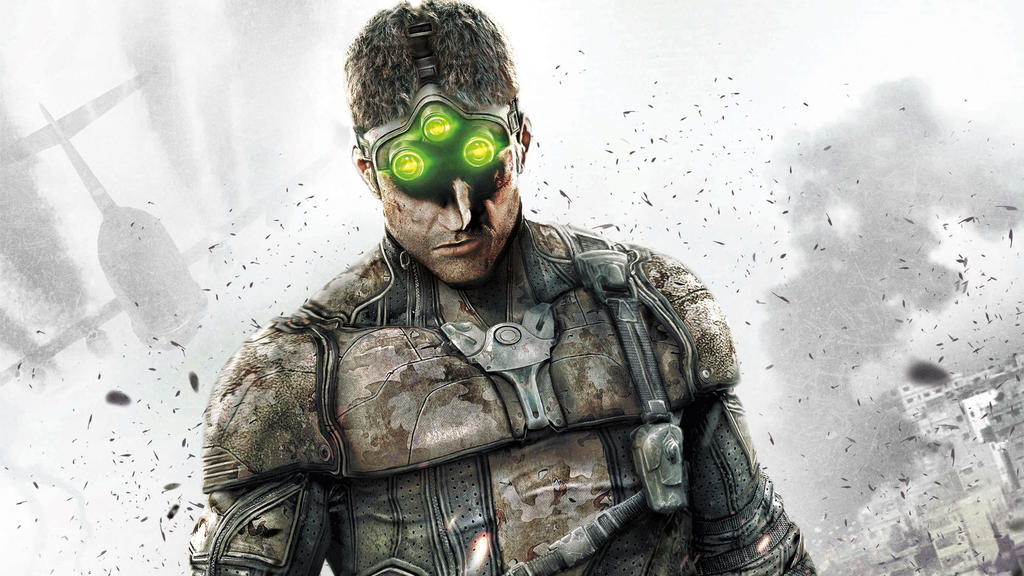
The main adversaries are the terrorist organization known as the Engineers. They declare the so-called Blacklist — a list of attacks against American interests that gradually become increasingly large-scale. Fisher and his team have to travel the world, track down the attack organizers, and attempt to stop the next strike.
At the same time, Blacklist attempted to combine two different eras of Splinter Cell. On one hand — the more dynamic action from Conviction, and on the other — the classic stealth that made fans love the first parts of the series.
And it was player freedom that became one of the main features of the game. Blacklist allowed players to complete many missions in completely different ways.
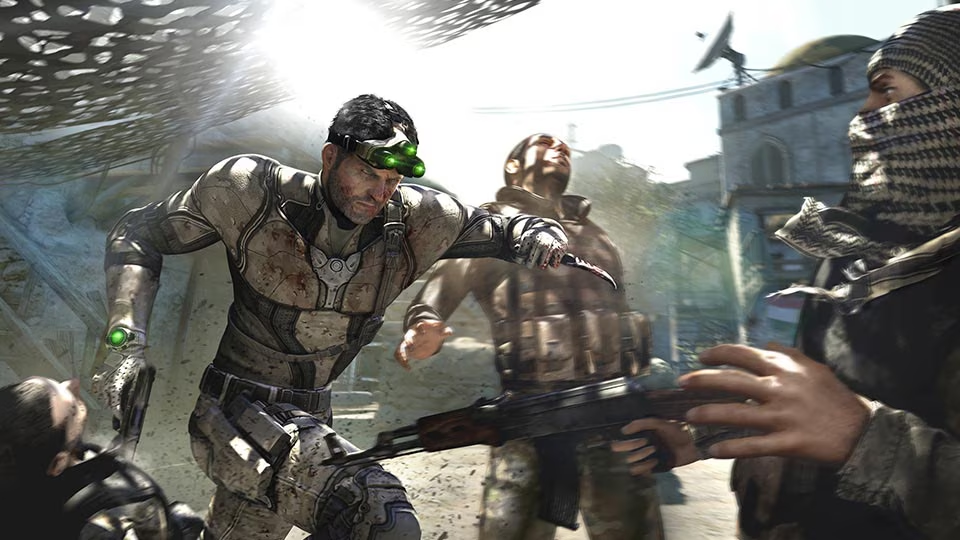
You could stay in the shadows, bypass guards, shoot out lights, use gadgets, and stealthily eliminate enemies. But nobody stopped Fisher from simply pulling out a gun and starting a firefight.
The game also encouraged experimenting with different approaches. Reviewers noted that levels provided the opportunity to combine stealth, gadgets, and open combat, while enemy behavior made replays more interesting.
One of the main advantages was also the gear system. Money earned during operations could be spent on weapons, gadgets, and various upgrades.
One of the new ideas in Blacklist was the Paladin aircraft, which effectively served as Fourth Echelon's mobile base.
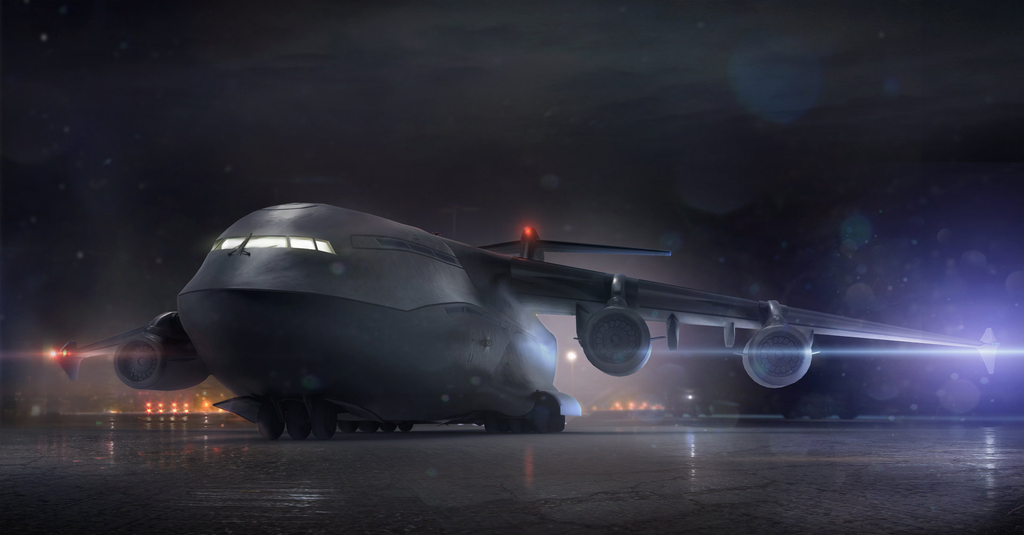
From here, Fisher received new assignments, planned operations, and interacted with his team. This made the campaign feel more cohesive: instead of simply transitioning from one mission to another, the player constantly returned to their base.
The game also featured side tasks and co-op missions that allowed players to complete individual operations together with another player.
But for many fans, the main event of Blacklist was the return of Spies vs. Mercs.
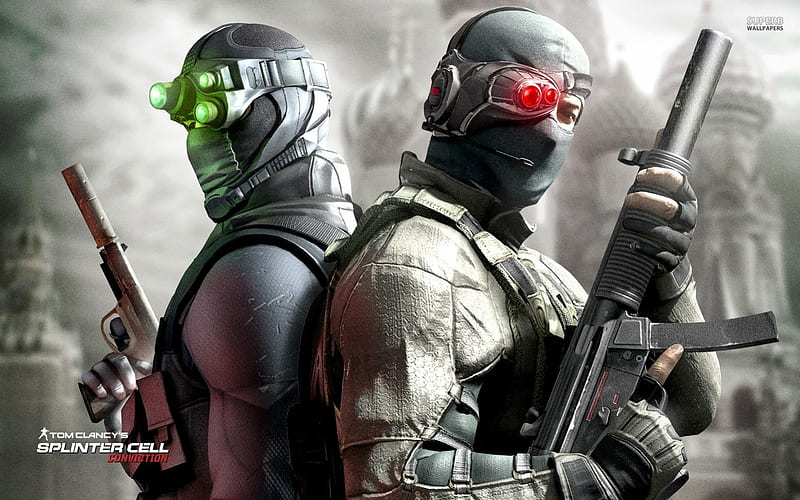
This asymmetrical multiplayer debuted back in Splinter Cell: Pandora Tomorrow. One team consisted of spies who moved in third-person and tried to hack terminals. Facing them were heavily armed mercenaries played from a first-person perspective.
Meaning these were effectively two completely different games in a single match.
Spies had the advantage in mobility and stealth, while mercenaries received powerful weaponry and firepower. Because of this, a typical firefight worked entirely differently here: each team had to leverage its own strengths.
In Blacklist, the mode received both the classic 2v2 format and a more modern 4v4 variant with additional customization options. Critics particularly praised Spies vs. Mercs, calling it one of the most interesting parts of the game.
Blacklist received generally positive reviews. For example, GameSpot gave the game an 8/10, highlighting co-op, multiplayer, atmosphere, and the ability to experiment with different playstyles as its strong points.
However, the game wasn't perfect. Some fans criticized Blacklist for making the series more action-oriented. Another point of debate was the recast of Sam Fisher's voice: instead of Michael Ironside, the character was voiced by Eric Johnson.
The story also received mixed reviews. Some reviewers considered it a weaker aspect of the game, whereas the gameplay itself and multiplayer earned significantly more praise.
Despite positive critical reception, Blacklist did not become the commercial hit Ubisoft anticipated. After its release, the series effectively vanished from major releases.
Ubisoft never released another full-fledged Splinter Cell game.
Today, Blacklist remains the last game in which players could fully take control of Sam Fisher. Furthermore, its online features and co-op are no longer supported today.
In 2021, Ubisoft officially confirmed the development of a remake of the original Splinter Cell. The project is being created by Ubisoft Toronto — the exact same studio that developed Blacklist.
So paradoxically, the last game in the series remains Blacklist, and Sam's next big comeback is set to be not a new entry, but a reimagining of the game where it all began.
And while Ubisoft prepares Fisher's return, Blacklist stands as the final major chapter in the story of the legendary agent who once taught a whole generation of gamers that sometimes the best firefight is the one you managed to avoid.
As a reminder, 12 Years Ago, Diablo III: Ultimate Evil Edition Was Released — The Complete Edition of the Legendary RPG.