


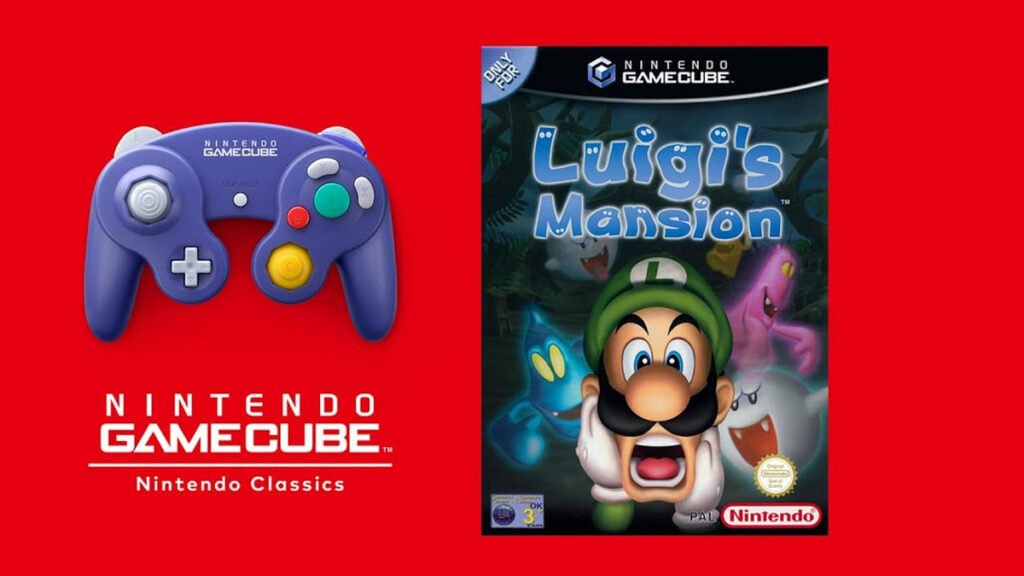
On September 14, 2001, Nintendo released the GameCube in Japan, and alongside it, Luigi’s Mansion. We spent a long time choosing which of these two events to highlight in our historical feature, but ultimately decided not to choose. Especially since both stories are inextricably linked: Nintendo was creating a new console and an unusual game as part of one massive effort to reclaim its market position following the success of Sony and PlayStation.
In the early 2000s, Nintendo was going through one of the most crucial periods in its history. The company remained a giant player in the industry, and its first-party franchises continued to gather millions of fans. However, the situation in the home console market was no longer what it had been during the days of the NES or Super Nintendo.
The Nintendo 64 could not be called a failure. The console sold around 32.93 million units and hosted some of the most famous games of its generation — Super Mario 64, The Legend of Zelda: Ocarina of Time, Mario Kart 64, and Super Smash Bros. However, Nintendo lost the main battle.
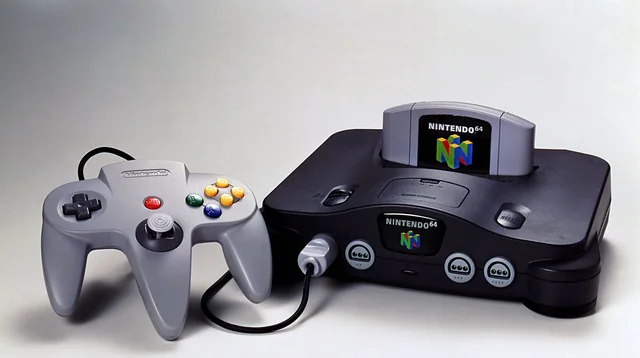
With the original PlayStation, Sony managed to do what had seemed almost impossible just a few years earlier: turn its console into the dominant platform for third-party publishers. CDs were cheaper and offered more storage capacity than Nintendo's cartridges, while the PlayStation itself gradually captured the attention of an increasingly broader audience.
For Nintendo, this was a serious signal.
Sony Changed the Rules of the Game
The problem wasn't just that the PlayStation sold better. Sony changed the very concept of what a home console should be.
The PlayStation became a platform for a vast number of Japanese and Western publishers. It hosted Final Fantasy, Resident Evil, Metal Gear Solid, Gran Turismo, and dozens of other large-scale projects. Nintendo, meanwhile, largely relied on its first-party franchises.
And then Sony released the PlayStation 2. The console debuted in Japan in March 2000 and immediately gained a massive advantage — DVD support. For buyers, it wasn't just a gaming console: the PS2 could serve as the center of home entertainment.
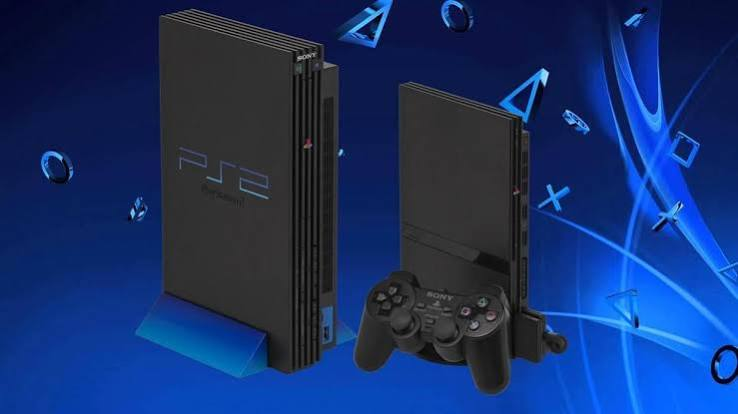
In addition, Sony continued to expand its work with third-party developers. The PlayStation 2 quickly turned into the main console of the new generation, leaving Nintendo to look for its own response.
Nintendo Starts Over
Nintendo's new console was codenamed Dolphin. The company wanted to address some of the issues of the Nintendo 64 and make the system more attractive to developers.
One of the main decisions was abandoning cartridges. Nintendo switched to its proprietary compact optical disc format with a capacity of around 1.5 GB.
The console itself featured an unusual design in the shape of a small cube. That is why the final name — GameCube — turned out to be completely logical.
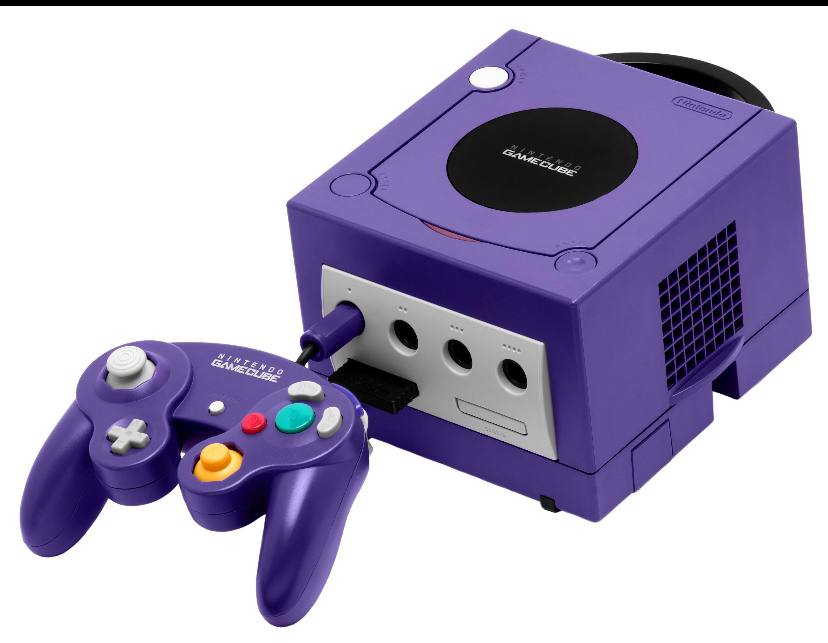
Nintendo also banked on strong first-party software. The company knew that if it wanted to compete with Sony, it had to demonstrate why the GameCube was worth buying in the first place.
And that's when Luigi stepped onto the stage.
Why Nintendo Bet on Luigi’s Mansion
To launch the new console, Nintendo could have gone with the most obvious option — another Mario game.
Instead, the company decided to take a different approach. One of the main launch titles for the GameCube was Luigi’s Mansion, which marked the first time Luigi took center stage as the main character in a full-fledged game.
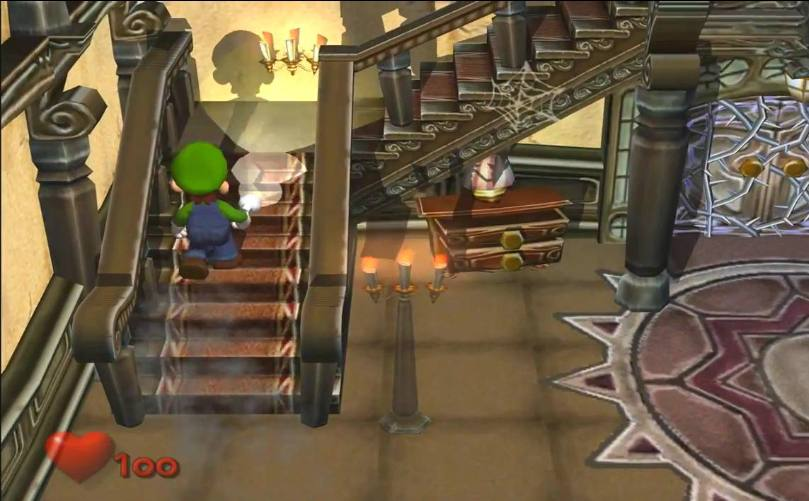
In the story, he wins a mansion in a contest, but upon arrival discovers that the house is haunted and Mario has gone missing. To find his brother, Luigi has to explore the mansion and hunt ghosts using the Poltergust 3000 — a specialized vacuum cleaner created by Professor E. Gadd.
For Nintendo, this was a rather bold experiment. Luigi’s Mansion was not a traditional platformer. The game focused on exploration, puzzles, atmosphere, and lighting. Nintendo utilized the capabilities of the GameCube to create a mansion filled with dynamic shadows, reflections, and a wealth of small details.
At the same time, the game remained recognizably Nintendo — packed with humor, familiar characters, and easy-to-understand gameplay.
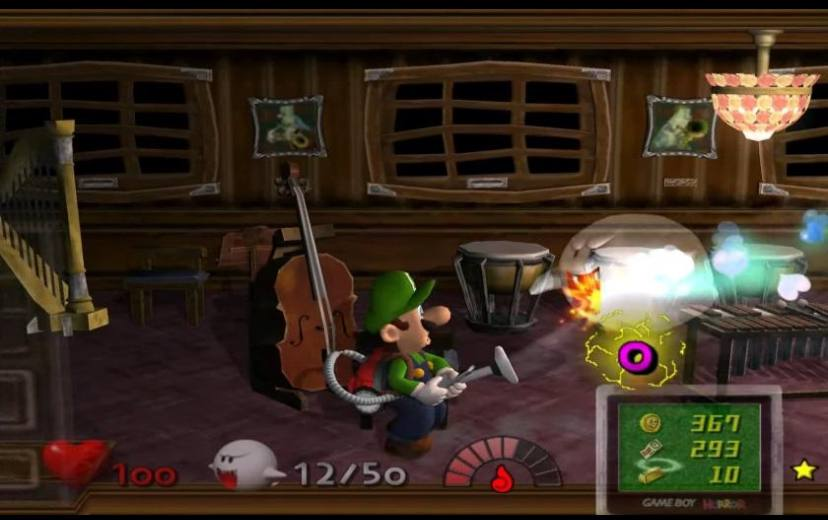
Interestingly, while working on Luigi’s Mansion, Nintendo even experimented with stereoscopic 3D. The company created a prototype that allowed the game to be viewed in 3D; however, due to the high cost of the technology, the idea was abandoned. Years later, Nintendo would return to the concept during the creation of the Nintendo 3DS.
September 14, 2001
The GameCube debuted in Japan on September 14, 2001.
Nintendo relied on its first-party games, an unusual design, and a more accessible price point than the PlayStation 2. Alongside the console, the company introduced Luigi’s Mansion, which was meant to showcase the capabilities of the new hardware while demonstrating to players that Nintendo was ready to experiment with its franchises.
The launch was quite successful. By December 2001, Nintendo had shipped 2.7 million GameCubes to stores, with around 95% of those consoles being sold. But the main challenge lay ahead: the PlayStation 2 had already gained massive momentum.
GameCube Received Classics, But Didn't Win
Over the following years, Nintendo released a whole collection of games on the GameCube that are considered classics today.
Super Smash Bros. Melee, The Legend of Zelda: The Wind Waker, Metroid Prime, Super Mario Sunshine, Mario Kart: Double Dash!!, Pikmin — each of them demonstrated just how strong Nintendo's internal studio pipeline was.
However, even a stellar library proved insufficient. The GameCube ended its life cycle with approximately 21.74 million consoles sold. This was less than the Nintendo 64's result and incomparably lower than the PlayStation 2.
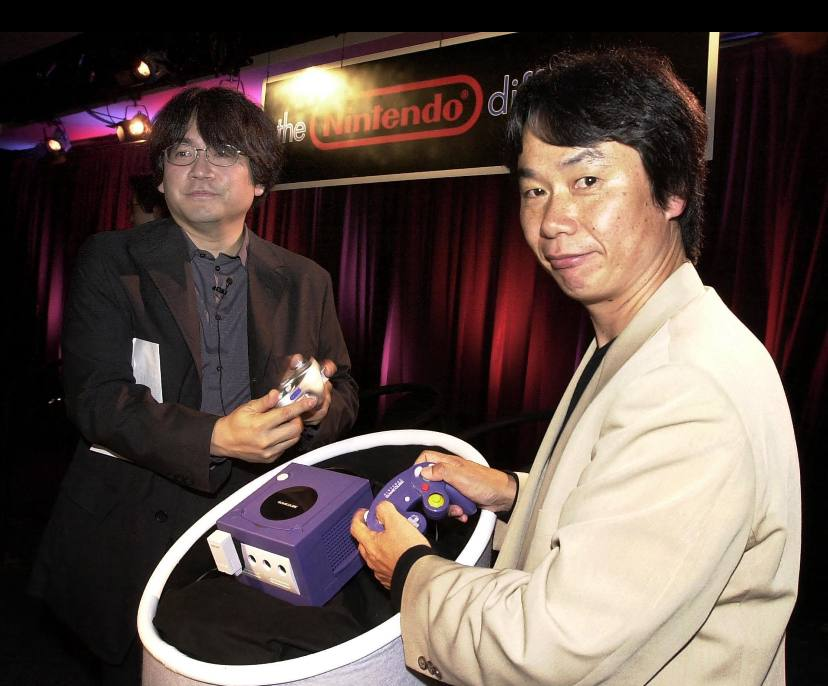
Nintendo once again failed to reclaim its dominance in the home console market. Yet, it was precisely this defeat that proved to be extremely important for the company.
After GameCube, Nintendo Changed Strategy
Nintendo realized that trying to defeat Sony and Microsoft solely through raw power, graphics, and the sheer volume of major games was not the best strategy.
The company decided to do what it had always done best: create its own rules.
The next console was initially codenamed Revolution, and later became known as the Wii. Instead of a traditional controller, Nintendo introduced the Wii Remote, which responded to user movements. The idea was not to build the most powerful console, but to make video games accessible and engaging for people who had barely played games before.
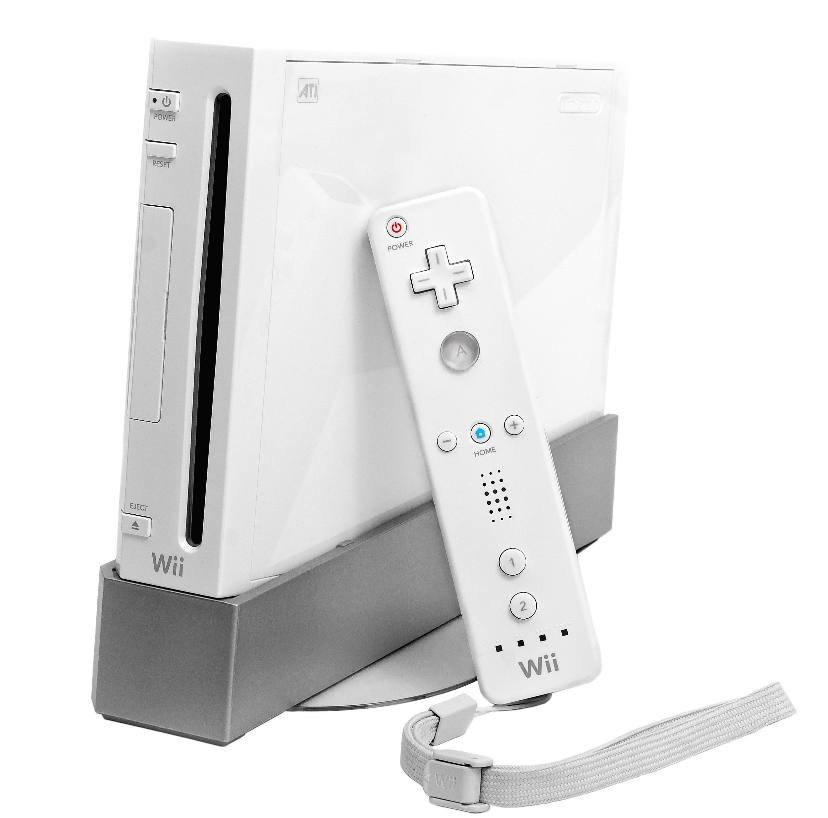
This time, the strategy worked. The Wii sold over 100 million units and became one of the greatest successes in Nintendo's history.
Therefore, the GameCube today should be viewed as more than just "the console that lost to the PS2." It was an important bridge between two eras of Nintendo.
The Nintendo 64 showed the company that it was losing market share. The GameCube was an attempt to reclaim lost ground using traditional methods. And the Wii proved that Nintendo no longer had to play by Sony's rules.
And that is precisely why September 14, 2001, is important for two stories at once.
In 2026, the GameCube and Luigi’s Mansion celebrate their 25th anniversary.
One was Nintendo's attempt to reclaim its spot among console market leaders; the other was an unusual experiment that eventually evolved into a popular standalone franchise.
The GameCube didn't save Nintendo from PlayStation 2's competition.
Yet it was what helped the company understand how it needed to change in order to win next time.
As a reminder, Super Mario Bros. — The Game That Changed Video Games Forever.