


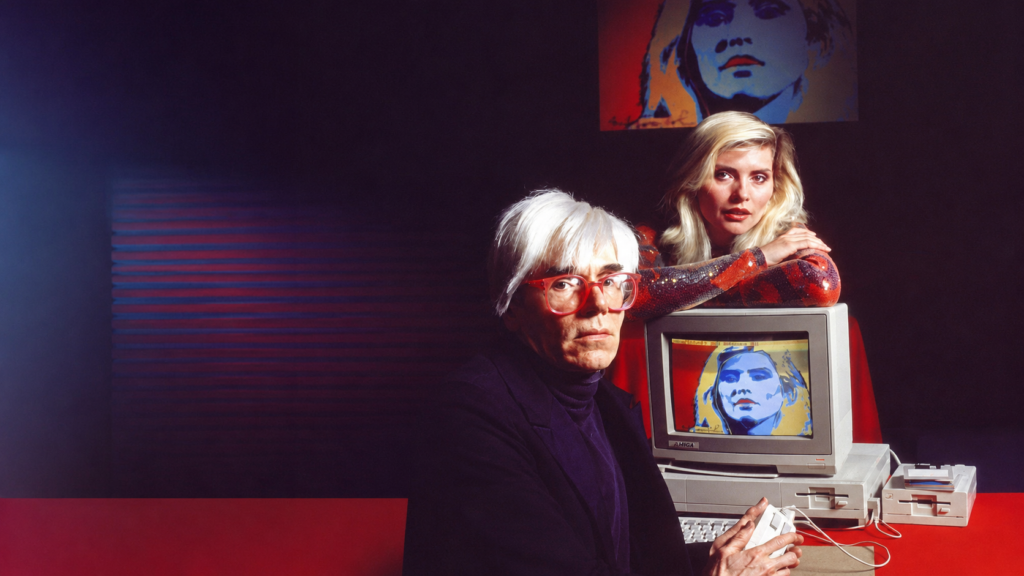
On July 22, 1985, Commodore officially introduced the Amiga 1000 — a personal computer that became a true technological breakthrough and changed the history of the industry forever.

The Amiga 1000 was significantly ahead of its competitors thanks to its multimedia capabilities. At a time when most home computers offered limited graphics and sound, Commodore's new machine supported high-quality color graphics, multi-channel stereo sound, and the multitasking AmigaOS operating system.
The computer was powered by a Motorola 68000 processor clocked at 7.16 MHz, 256 KB of RAM (expandable), and custom coprocessors responsible for graphics and sound processing. These design choices made the Amiga 1000 popular among designers, musicians, developers, and video content creators.
One of its key features was true multitasking support, which was a rarity for home computers in the mid-1980s. This allowed running multiple programs simultaneously without needing to reboot the system.

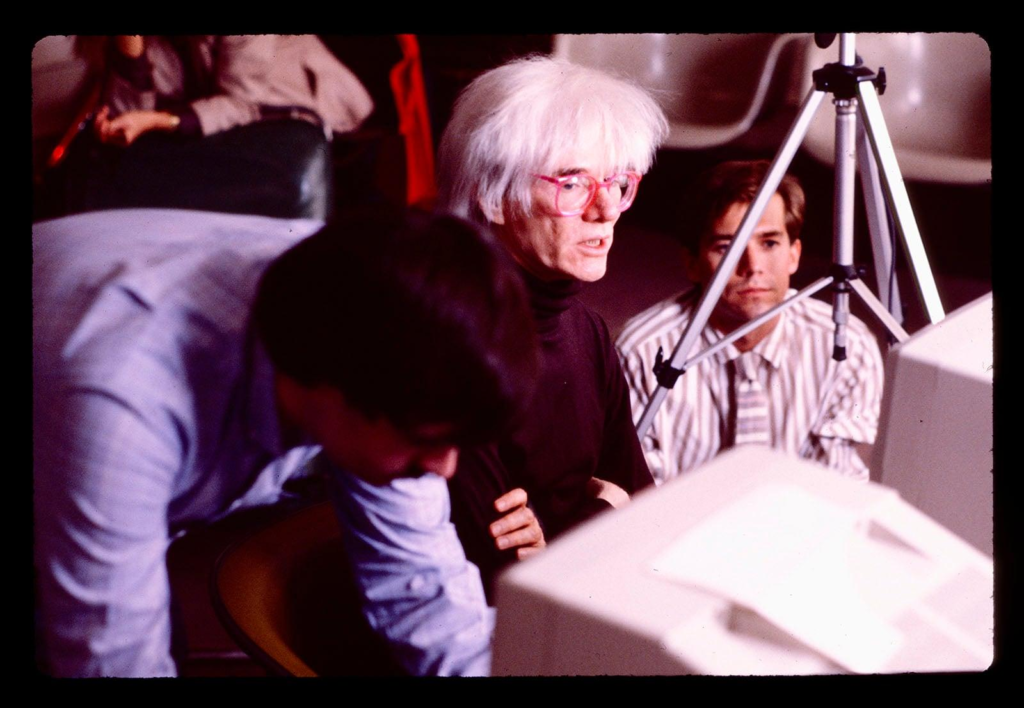
Despite its innovation, the Amiga failed to achieve the commercial success Commodore had anticipated. Cited reasons include weak marketing, stiff competition from the IBM PC and Apple Macintosh, and management missteps. Nevertheless, the Amiga series achieved cult status and left a significant mark on the history of computing.
41 years after its debut, the Commodore Amiga 1000 remains a symbol of innovation and bold technological solutions. Many modern concepts in multimedia computing and operating systems trace their roots back to the Amiga platform, and its dedicated community continues to keep the legendary computer's legacy alive today.
As a reminder, Gamescom 2026 has completely sold out its exhibition space ahead of the event's start.