


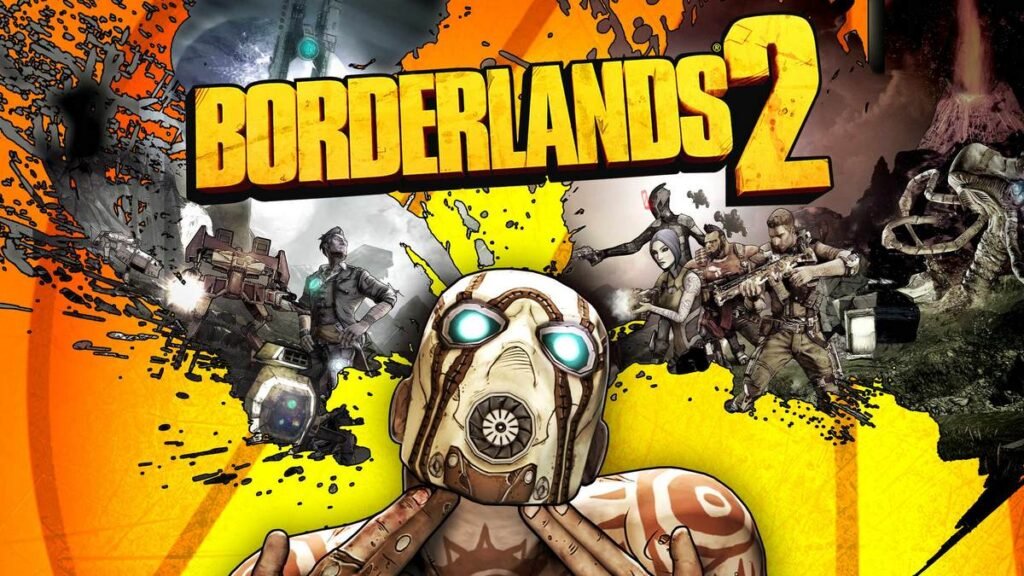
On September 18, 2012, the world got Borderlands 2 — the sequel to Gearbox Software's unusual shooter that combined first-person shooting, role-playing mechanics, a huge amount of weapons, and cooperative playthroughs. The game was released on PC, PlayStation 3, and Xbox 360, and later appeared on other platforms.
But most importantly — Borderlands 2 didn't just repeat the formula of the first installment. Gearbox took the foundation of the original and made the world of Pandora much larger in scale: adding more locations, characters, weapons, quests, humor, and story events. At the center of the story was one of the series' most recognizable antagonists — Handsome Jack, who turned the fight for Pandora into a personal confrontation.
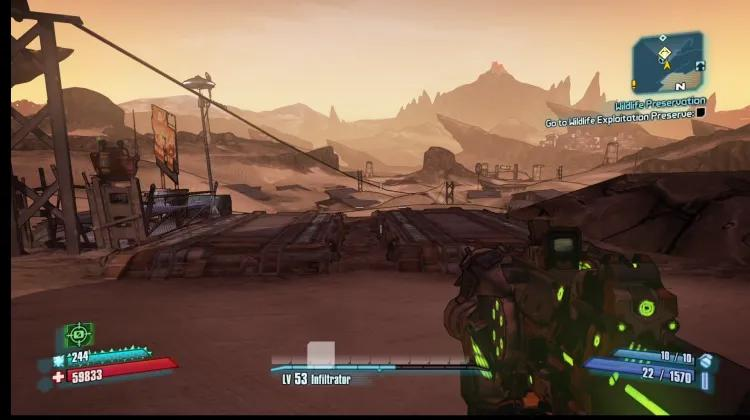
Return to Pandora
The events of Borderlands 2 once again unfold on the planet Pandora — a dangerous and almost lawless world where Vault Hunters hunt for treasure. Here, vast deserts neighbor industrial complexes, small settlements, and territories where virtually every encounter can end in a gunfight.
After the events of the first game, Pandora did not become safer. On the contrary, a new force appeared on the planet — the Hyperion corporation, which, under the leadership of Handsome Jack, is trying to establish control over the region. It is against him and his army that a new generation of Vault Hunters will have to stand.
This time, the player can choose one of four new Vault Hunters. Each hero has their own special ability, skill tree, and unique playstyle. This allowed players not just to level up a character, but to gradually create their own version of the hero — for example, focusing on massive damage, survival, special abilities, or team support.
That is why, even after completing the campaign with one character, the player still had a reason to try the game again. A different hero could completely change the usual pace of combat and the way specific situations were handled.
Handsome Jack — The Main Antagonist
If the first Borderlands was largely remembered for its world, humor, and unusual atmosphere, the second installment received another extremely important component — Handsome Jack.
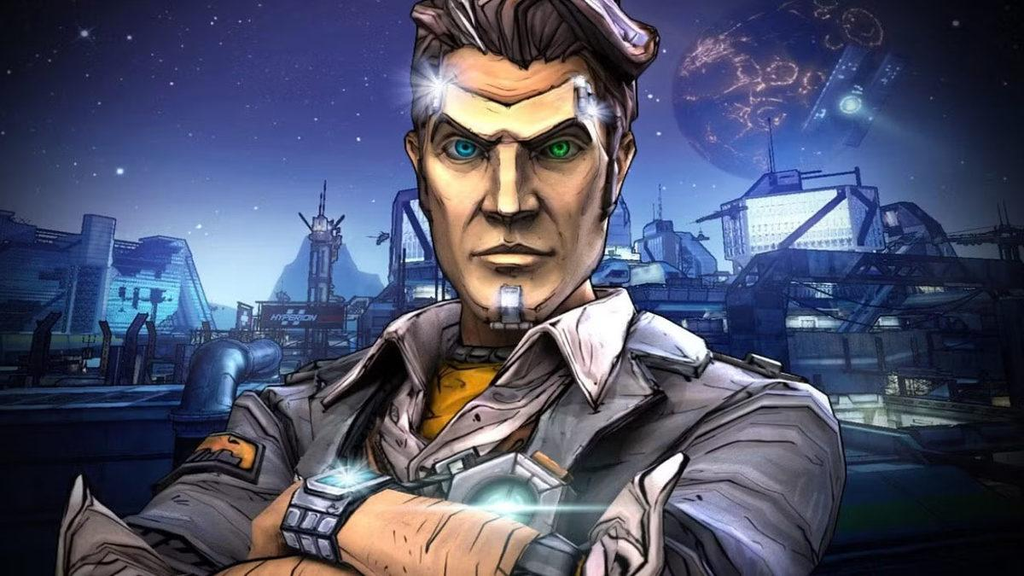
Jack leads the Hyperion corporation and effectively controls a significant part of Pandora. He presents himself as a man who wants to make the planet better, but Hyperion's methods quickly show the true price of such "order." The confrontation with the corporation gradually turns into the game's main storyline.
Jack's defining trait was that he was not a typical villain who appears only during key scenes. He is constantly present throughout the adventure: communicating with the main hero via radio, commenting on their actions, making jokes, provoking, and trying to put psychological pressure on the Vault Hunters.
Because of this, Jack essentially becomes a constant character in the campaign. Even when the player is simply completing another quest or exploring a new territory, there is a feeling that the main adversary remains somewhere nearby.
It was precisely the characters, dialogue, and humor that helped make Pandora feel significantly more "alive." The game world was no longer perceived simply as a set of locations between gunfights — something was constantly happening in it.
Millions of Weapons
And now for what caused many to spend dozens or even hundreds of hours in Borderlands 2 — the weapons.
Gearbox continued one of the core ideas of the original: the game generates a vast amount of diverse weapons with different stats, modifiers, and effects. Because of this, a new assault rifle, pistol, sniper rifle, or shotgun could appear at practically any moment.
And right here arose that very feeling that forced players to constantly open the next chest, defeat another boss, or check dropped loot: "What will drop this time?"
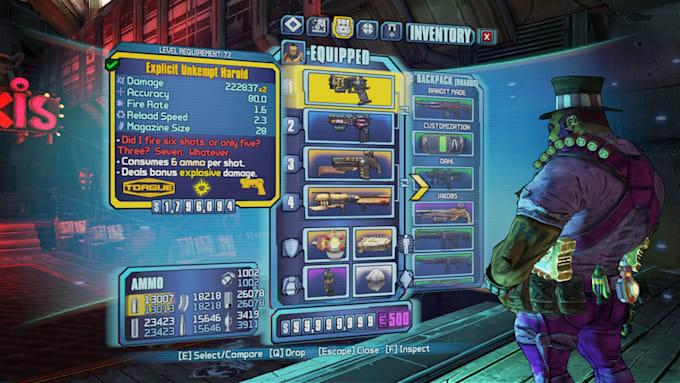
You go through another location, destroy a group of enemies, find a container, and see a new weapon. It might have slightly better stats, an unusual effect, or simply fit your playstyle perfectly. And instead of ending your session, you decide to go through one more location — and then another.
It was this combination of shooting, leveling up, and the constant search for new gear that became the foundation of Borderlands 2. The player was rewarded not only for completing a mission, but also for the very exploration of the world and fighting enemies.
Not Just a Shooter
Borderlands 2 was also interesting because it constantly balanced between an FPS and an RPG. On the surface, it is still a dynamic first-person shooter, but behind every gunfight stood an entire character development system.
The hero gained experience, leveled up, unlocked new abilities, and gradually formed their own playstyle. Skill trees allowed for experimentation with different build options, so two players who chose the exact same character could end up with quite different results.
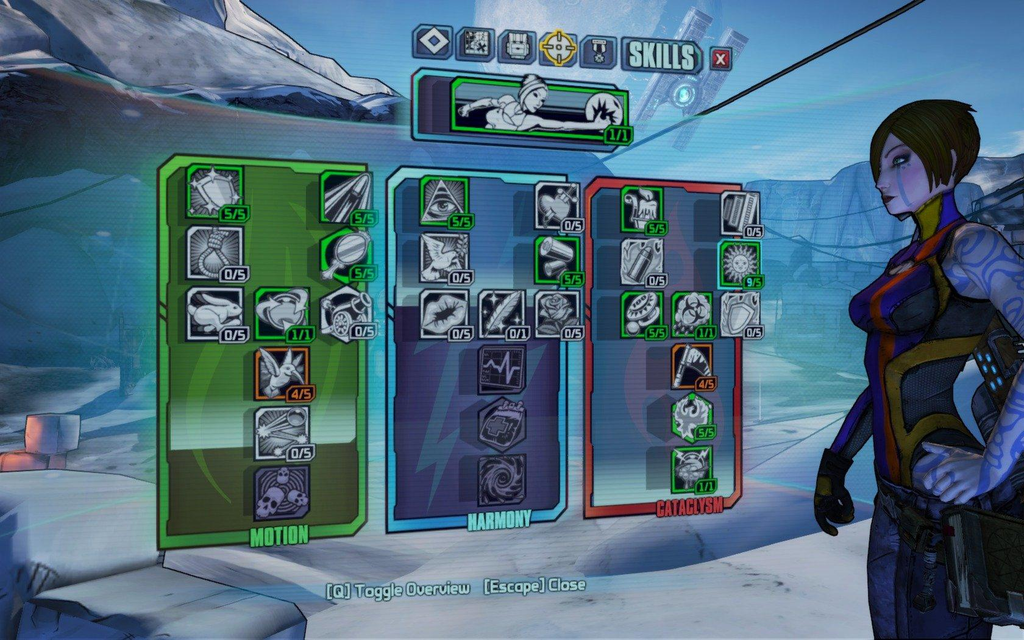
Added to this were weapon stats, shields, grenades, and other equipment. Players constantly had to decide what to keep in their inventory and what to sell or replace with a new item.
As a result, Borderlands 2 created a unique gameplay loop: gunfight → reward → new gear → stronger character → tougher enemies → even more loot. It was this loop that kept players coming back to the game time and time again.
A Game Built for Co-Op
One of the main features of Borderlands 2 remained its up-to-four-player co-op. The game could be played together online, and local split-screen was also available on consoles.
And it was in the company of friends that Borderlands 2 could turn into a completely different experience. When four Vault Hunters stepped onto the battlefield at the same time, a regular gunfight easily turned into a chaotic show filled with explosions, special abilities, and dozens of enemies on screen.
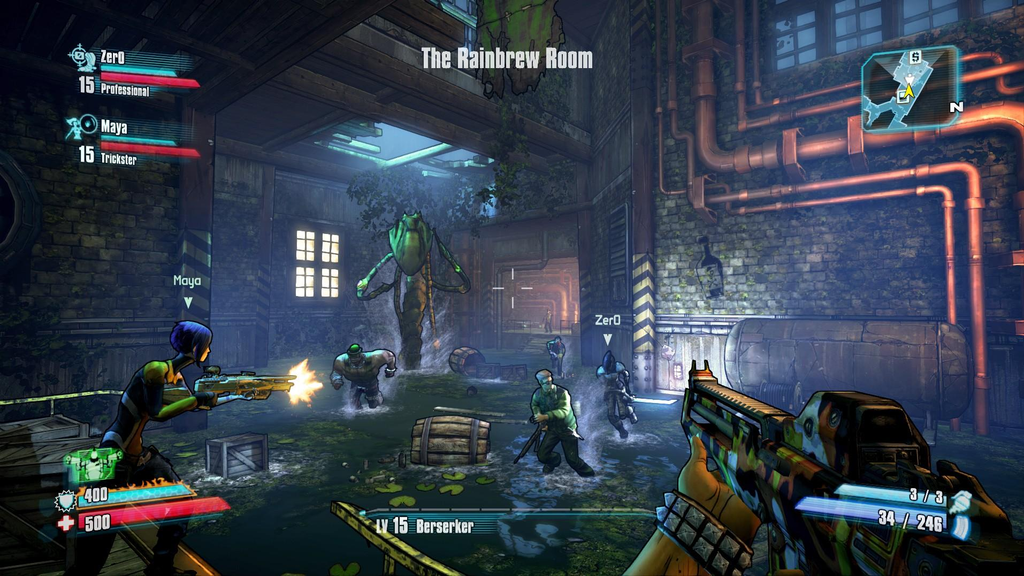
Each player could focus on their own role and playstyle. One character could rely on powerful attacks, another could use special abilities, and a third could work effectively at a distance. Together, the team could combine hero abilities and tackle tougher encounters in much more interesting ways.
At the same time, co-op didn't force everyone to play in the exact same way. On the contrary, anyone could experiment with their character, weapons, and builds, while the game allowed players to gradually adapt to the needs of a specific team.
Pandora Became Much More Diverse
The original Borderlands already possessed a distinctive visual style with a comic-book aesthetic. In the sequel, Gearbox didn't abandon it; on the contrary, they made it an even more prominent part of the design.
Pandora stopped looking like one giant desert. The player traveled between various regions that differed not only in appearance, but also in enemies, quests, and atmosphere. There were desert lands, towns, industrial complexes, snowy areas, and other locations.
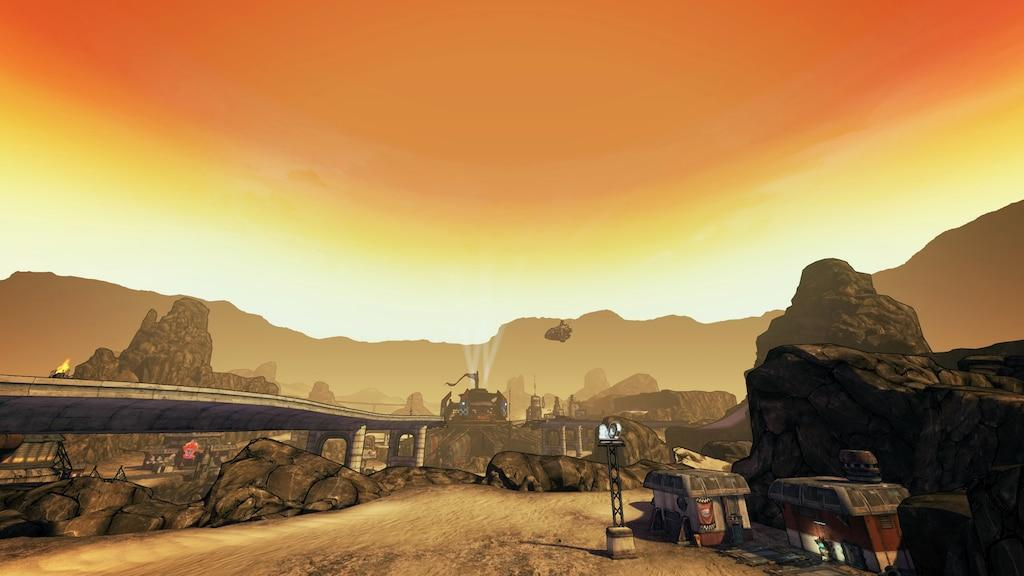
This was also important from the perspective of the game's pacing. After a few major gunfights, you could find yourself in a new settlement, pick up a side quest, talk to characters, or simply explore the territory in search of secrets and additional loot.
Thus, Pandora gradually ceased to be just a collection of shooting arenas. The game world was constantly changing, and its characters, enemies, and locations created the feeling of a grand adventure in which there was always something new to find.
A Formula Gearbox Decided Not to Break
Borderlands 2 received high praise from critics. On Metacritic, the game holds an 89/100 based on professional reviews for Xbox 360, and the PC version also received an 89 score.
At the same time, Gearbox didn't radically change the concept of the series itself. The studio didn't try to turn Borderlands into a completely different game. Instead, it took the core elements of the first installment — shooting, RPG mechanics, loot, humor, and co-op — and significantly expanded them.
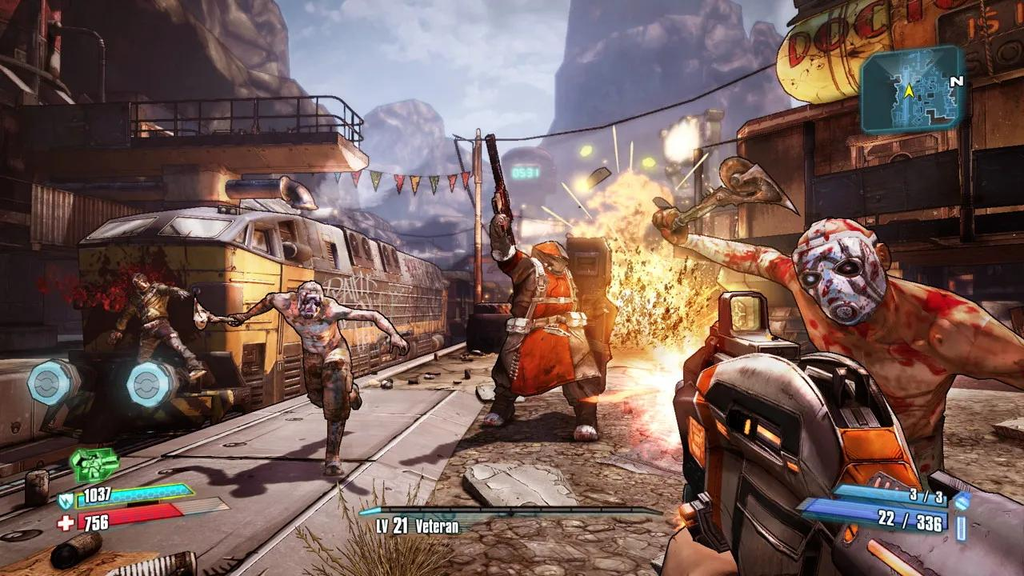
This allowed the sequel to feel familiar to fans of the original, while simultaneously feeling much larger in scale. More weapons, more characters, more locations, more quests, and a much stronger focus on the story confrontation with Handsome Jack.
As a result, Borderlands 2 became an example of how to develop a successful formula in a sequel: not abandoning the foundation that already works, but gradually expanding it and making every element more expressive.
The Legacy of Borderlands 2
After the release of the base game, Gearbox continued to support Borderlands 2 with additional content. The game received large-scale DLCs, new story adventures, characters, weapons, and other materials that expanded the story of Pandora even further.
Later, the game appeared on new platforms, allowing its audience to continue growing. It remained an important part of the franchise even after the release of subsequent games in the series.
But the main achievement of Borderlands 2 lies in showing how well FPS, RPG, loot, and co-op can work together. Each of these elements complemented the other: shooting provided rewards, rewards allowed leveling up the character, leveling up unlocked new abilities, and co-op made all of it even more exciting in the company of friends.
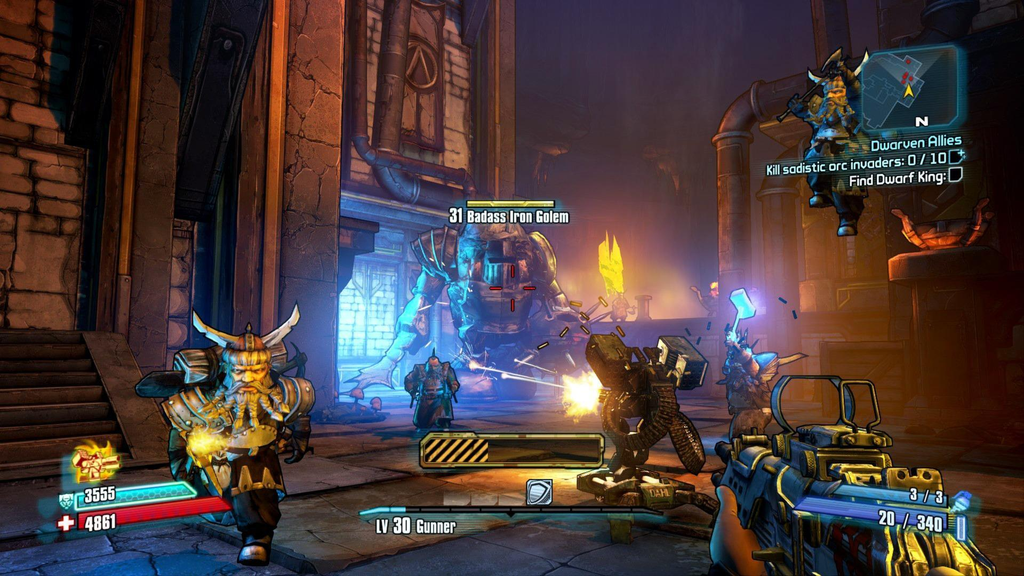
On September 18, 2012, Gearbox released a game that took the chaotic formula of the first Borderlands and turned it into a grand adventure. An adventure where every gunfight could yield a new weapon, every location a new story, and a regular evening with friends could easily turn into a multi-hour journey across Pandora.
And that is precisely why Borderlands 2 became not just another sequel to a famous series, but a game that defined for years to come what a cooperative RPG shooter with a loot system could be.
As a reminder, Prince of Persia 3D: how the legendary series took a step into the third dimension.