


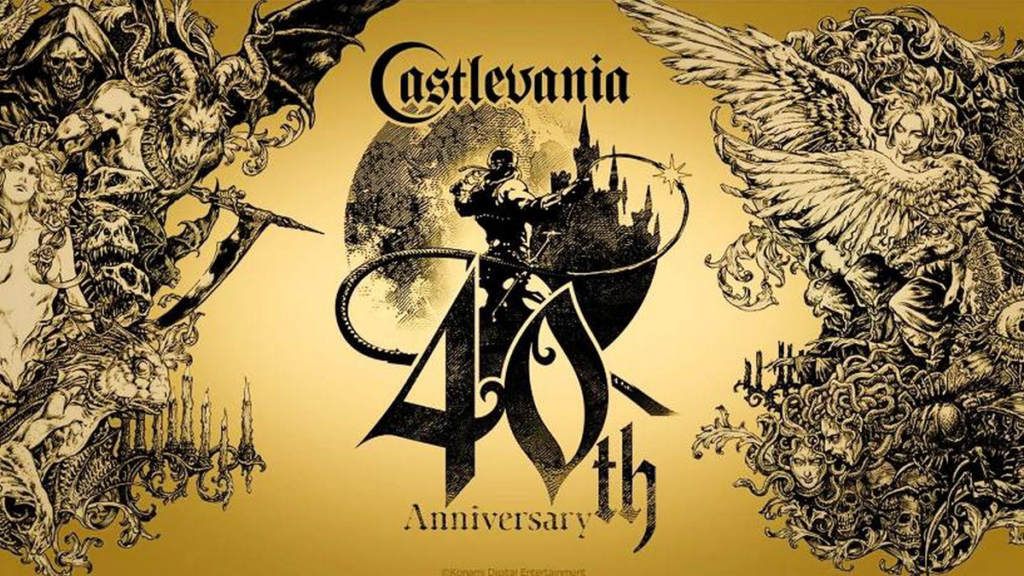
On September 26, 1986, Konami released Akumajō Dracula in Japan — a project that would later become known around the world as Castlevania. This date is considered the birth of one of the most iconic series in video game history.
Over four decades, Castlevania has received more than 30 games, numerous re-releases, spin-offs, and animated adaptations. But it all started with a fairly simple idea: creating a video game about Dracula and classic gothic horror.
From an Idea About Dracula to Castlevania
In the early 1980s, Konami was already actively developing video games, but Castlevania emerged from a desire to create something unusual for its time — a game that could capture the atmosphere of old horror movies.
The project was led by Hitoshi Akamatsu. He was a major fan of cinema and wanted the game to feel like an interactive horror movie. The visual style, music, level design, and even the appearance of enemies were all intended to create the feeling of experiencing a classic horror film.
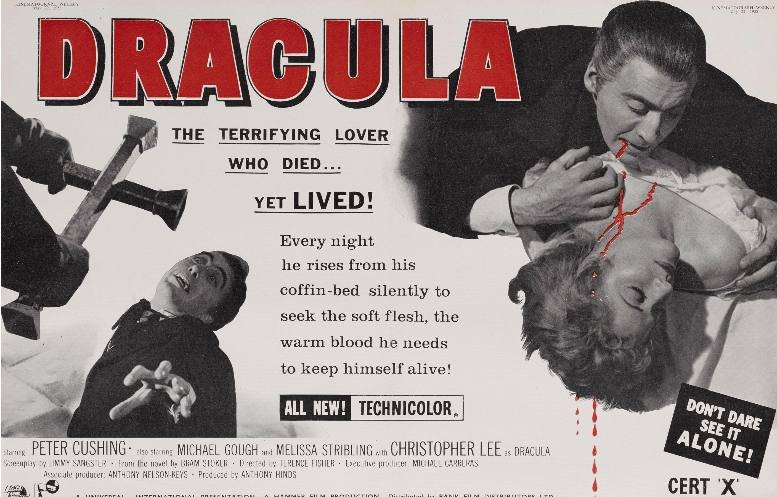
The main sources of inspiration were gothic horror icons — Dracula, Frankenstein, mummies, vampires, skeletons, and other monsters. Dracula held a particularly important place and became the game’s central antagonist.
Akamatsu also studied books about vampires, Dracula, and European history to help shape the atmosphere of the upcoming game.
Why Dracula?
The idea was straightforward: if you were making a game about vampires, the most famous villain had to be Dracula.
As a result, the team created a fictional world where the hero, Simon Belmont, travels to Dracula’s castle to stop the resurrected vampire.
This became the foundation of the future Castlevania lore: the Belmont clan, Dracula, the castle, monsters, and the legendary Vampire Killer whip.
However, the first game did not yet have the complex mythology that would emerge in later installments. It was primarily an atmospheric action-platformer about a vampire hunter.
Where Did the Whip Come From?
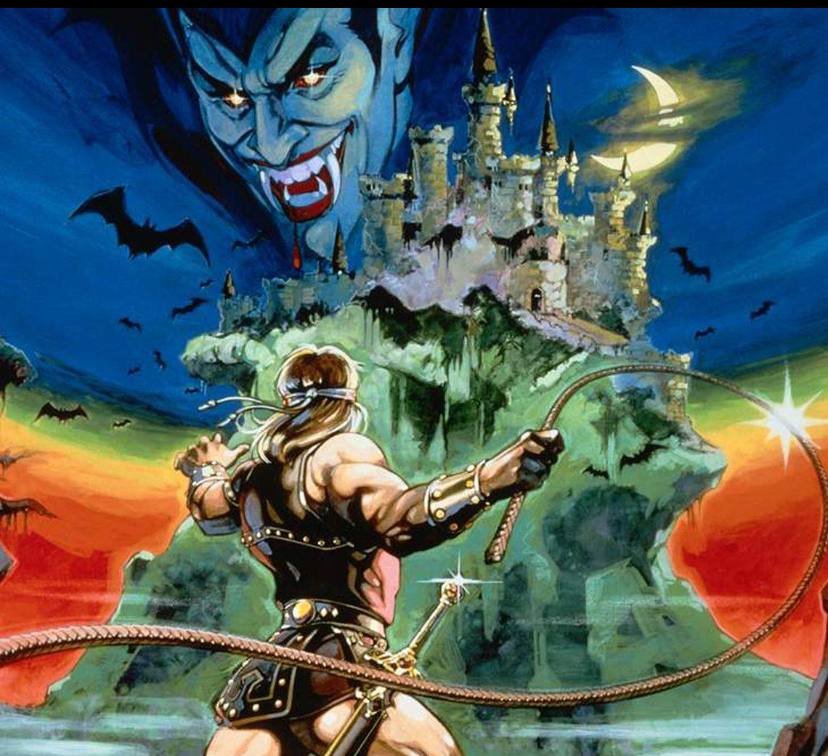
One of the most recognizable elements of Castlevania became Simon Belmont’s whip.
For Akamatsu, this was not a random choice. He liked the mechanics of a whip as a weapon that allowed players to attack enemies from a distance. At the same time, the idea was influenced by the popularity of adventure films, particularly Indiana Jones, where the whip was one of the hero’s signature attributes.
In the game, the whip could gradually be upgraded, while additional weapons could also be found — axes, daggers, holy water, boomerang-like crosses, and other items.
This system would eventually become one of the series’ trademarks.
A Castle Where Every Step Could Be Your Last
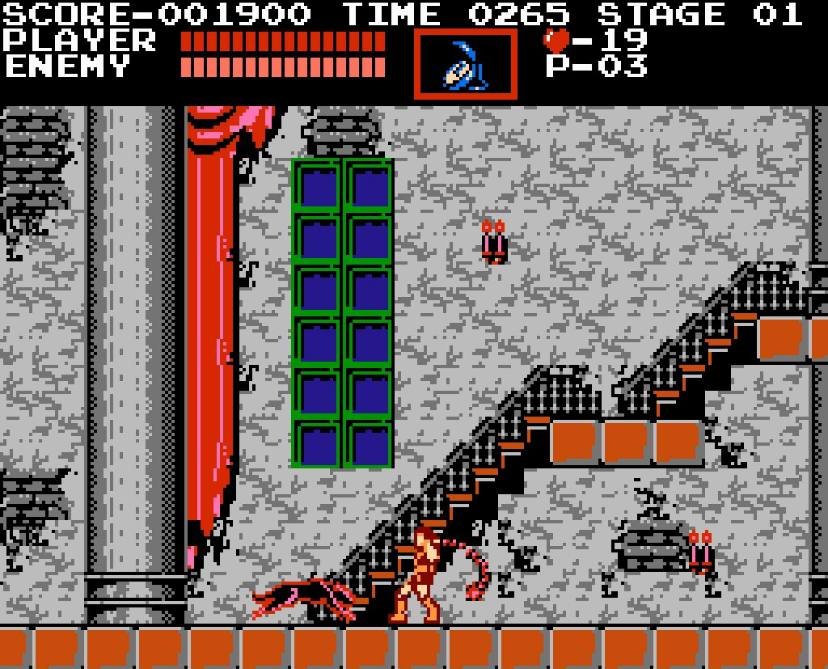
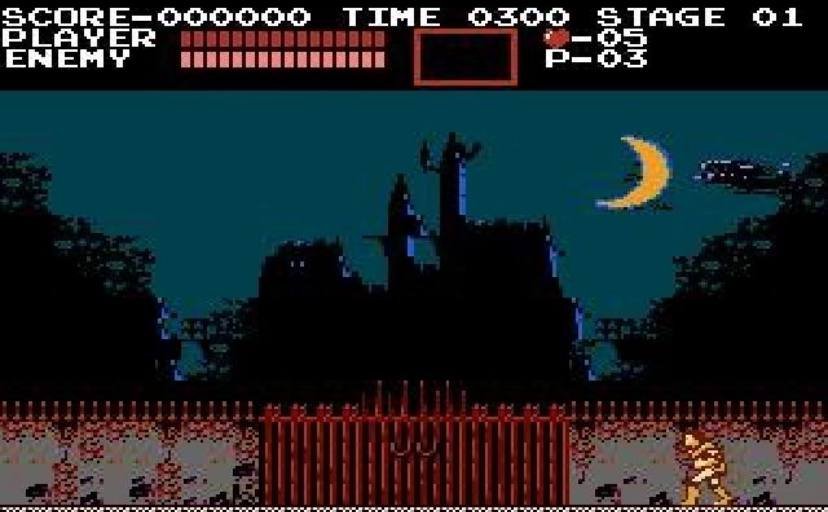
The main setting was Dracula’s castle. Players had to make their way through several levels, gradually progressing through rooms, dungeons, and towers before finally confronting Dracula himself.
The developers filled the castle with classic horror imagery: bats, skeletons, ghosts, mummies, Medusa heads, zombies, and other creatures.
Difficulty became an important part of the game’s design. Enemies often attacked from different directions, platforms required precise movement, and mistakes could quickly end a run.
Today, such mechanics may seem unforgiving, but in 1986 they were an integral part of the game’s concept: players were expected to gradually learn enemy patterns and memorize the levels.
Music That Became Legendary
Another important part of Castlevania’s success was its music.
Despite the technical limitations of the Family Computer, the composers created melodies that reinforced the game’s gothic atmosphere. The most famous composition was “Vampire Killer” — one of the tracks that would eventually become as closely associated with the series as Dracula or the Belmont whip.
For Konami, the music was more than just background audio. The team wanted every part of the game to feel like a separate scene from a movie.
Akumajō Dracula Becomes Castlevania
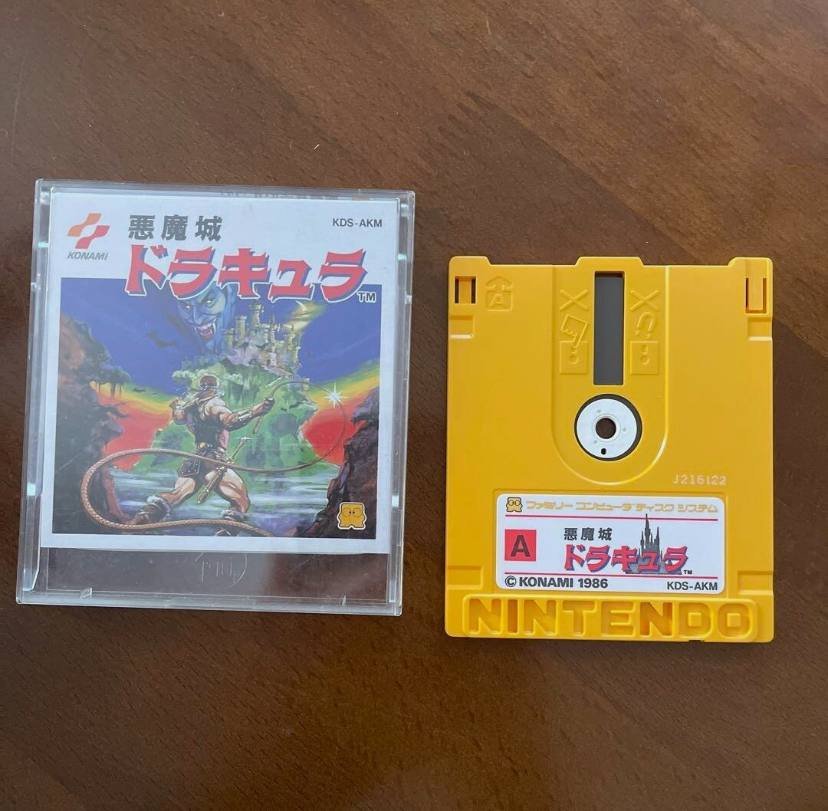
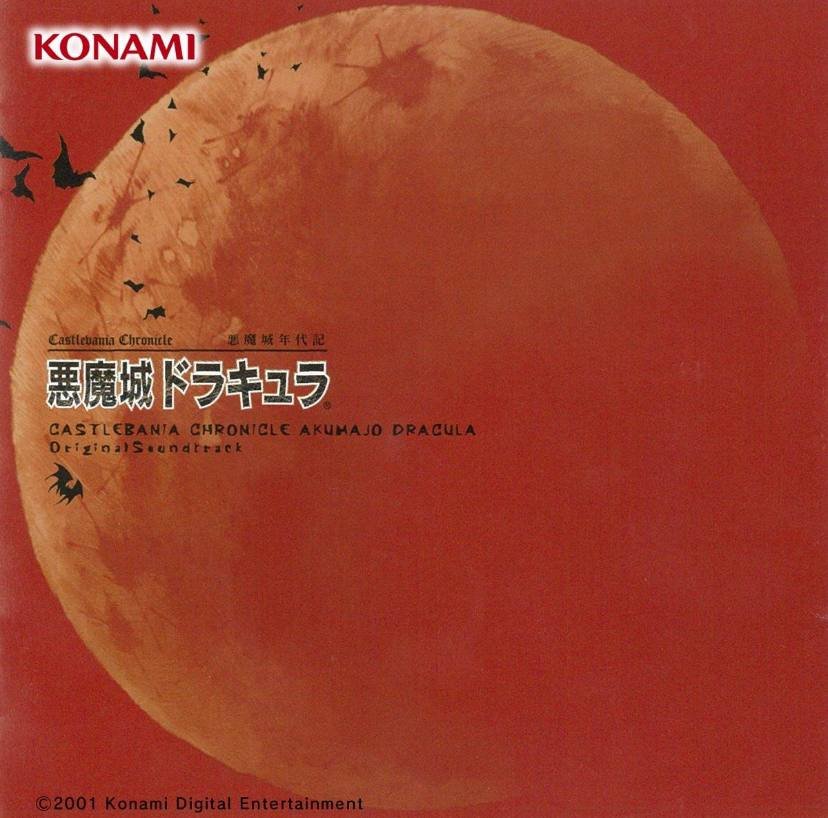
On September 26, 1986, the game was released in Japan for the Family Computer Disk System under the name Akumajō Dracula, which can be roughly translated as “Dracula’s Demon Castle.”
Following its success in Japan, Konami prepared a version for the Nintendo Entertainment System. For the Western market, the game was renamed Castlevania.
It was released on the NES in North America on April 30, 1987, and later made its way to Europe.
It was this Western name that eventually became the name of the entire franchise.
From One Game to a Major Franchise
The first Castlevania was only the beginning.
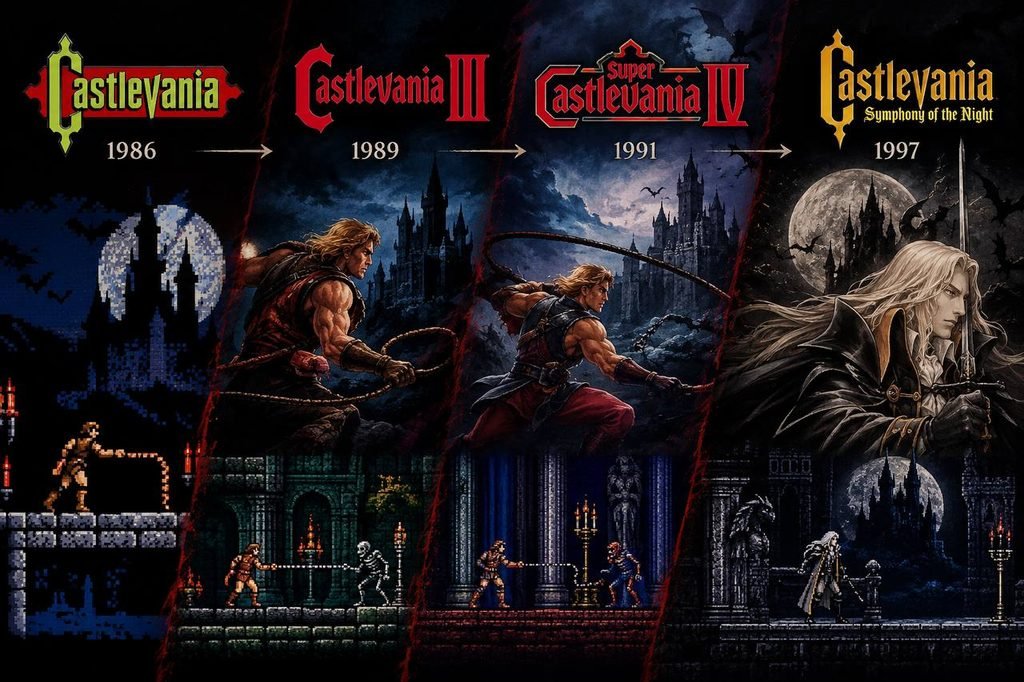
Over the following years, Konami released new installments, gradually expanding the world of the Belmonts and Dracula. Castlevania II: Simon’s Quest introduced more exploration and adventure-game elements, while Castlevania III: Dracula’s Curse returned the focus to platforming but made the structure significantly more complex.
Later, the series moved to the Super Nintendo, Game Boy, Sega Genesis, and other platforms.
The real turning point came in 1997 with the release of Castlevania: Symphony of the Night. The game combined traditional action with exploration of a massive castle, RPG mechanics, and a nonlinear structure. This approach would later become the foundation of what is now known as the Metroidvania genre.
40 Years Later
Today, Castlevania is no longer simply a series of games about Simon Belmont and Dracula. Over 40 years, it has evolved into one of the most recognizable gothic franchises in video games.
Its influence can be seen in dozens of modern platformers, action RPGs, and Metroidvania games.
And it all began on September 26, 1986, with a small Japanese game about a vampire hunter who set out for Dracula’s castle with a whip in his hands.
Four decades later, that story is still continuing.
As a reminder, Halo 3 — how Bungie concluded the legendary Master Chief trilogy