


October 7, 2004 — the official worldwide release of Counter-Strike: Source. On this day, Valve released Counter-Strike: Source for cybercafés and owners of special ATi Radeon digital vouchers. The game became an important stage in the development of the series, bringing the familiar Counter-Strike formula into a significantly more modern technological environment.
By that time, Counter-Strike had long since stopped being just a modification for Half-Life. The project, created in 1999 by Minh Le “Gooseman” and Jess Cliffe, quickly gained popularity among players. After Valve took notice of the modification, the company acquired the rights to it and brought its creators into the development process.

Over the next few years, Counter-Strike gradually became one of the leading PC shooters. Versions 1.3, 1.5, and especially 1.6 established the mechanics players associated with the series: round-based gameplay, weapon purchasing, an economy system, limited lives, and the need for teamwork.
However, the technology behind the original game was beginning to show its age. Counter-Strike was built on GoldSrc — the engine Valve had originally created for Half-Life. By the mid-2000s, the company was already working on a new generation of technology that would serve as the foundation for its future projects.
The Move to the Source Engine
The new engine was called Source. It was developed as the technological foundation for Valve’s next generation of games and debuted alongside Counter-Strike: Source and Half-Life 2.
For Counter-Strike, this meant more than simply increasing texture resolution. The developers were essentially moving the game to a new technological platform while trying to preserve the familiar character of the series.
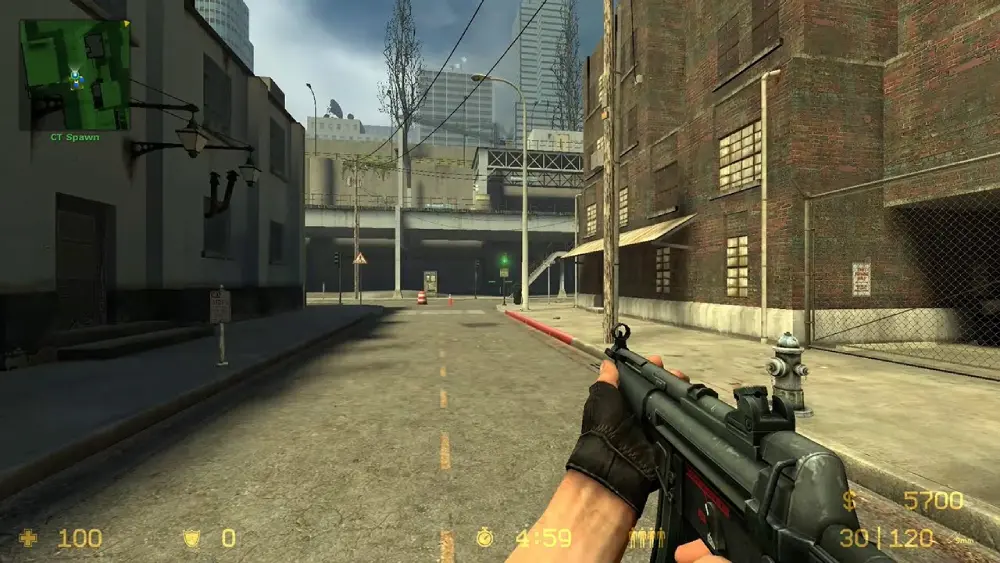
One of Source’s main features was its advanced physics system. Valve used Havok technology, which gave objects more realistic behavior. Boxes, barrels, and other objects on the maps could move and interact with their surroundings.
For Counter-Strike, this had more than just a visual impact. Physics affected how maps looked and how players interacted with certain objects. This made the transition to Source feel much more significant than a simple graphical upgrade.
Familiar Maps Get a New Life
Valve decided not to abandon the classic locations. Counter-Strike: Source brought back maps that players already knew well, including Dust, Dust2, Inferno, Nuke, and Office.
They were completely updated visually. The developers introduced new textures, lighting, models, and environmental details. Elements that had looked relatively simple in the original Counter-Strike received a much more modern appearance in Source.
At the same time, Valve tried to preserve the familiar structure of the maps. This was particularly important for veteran players who already knew the key positions, routes, and bomb sites.
More Than Just New Graphics
Counter-Strike: Source retained the core formula of its predecessors.
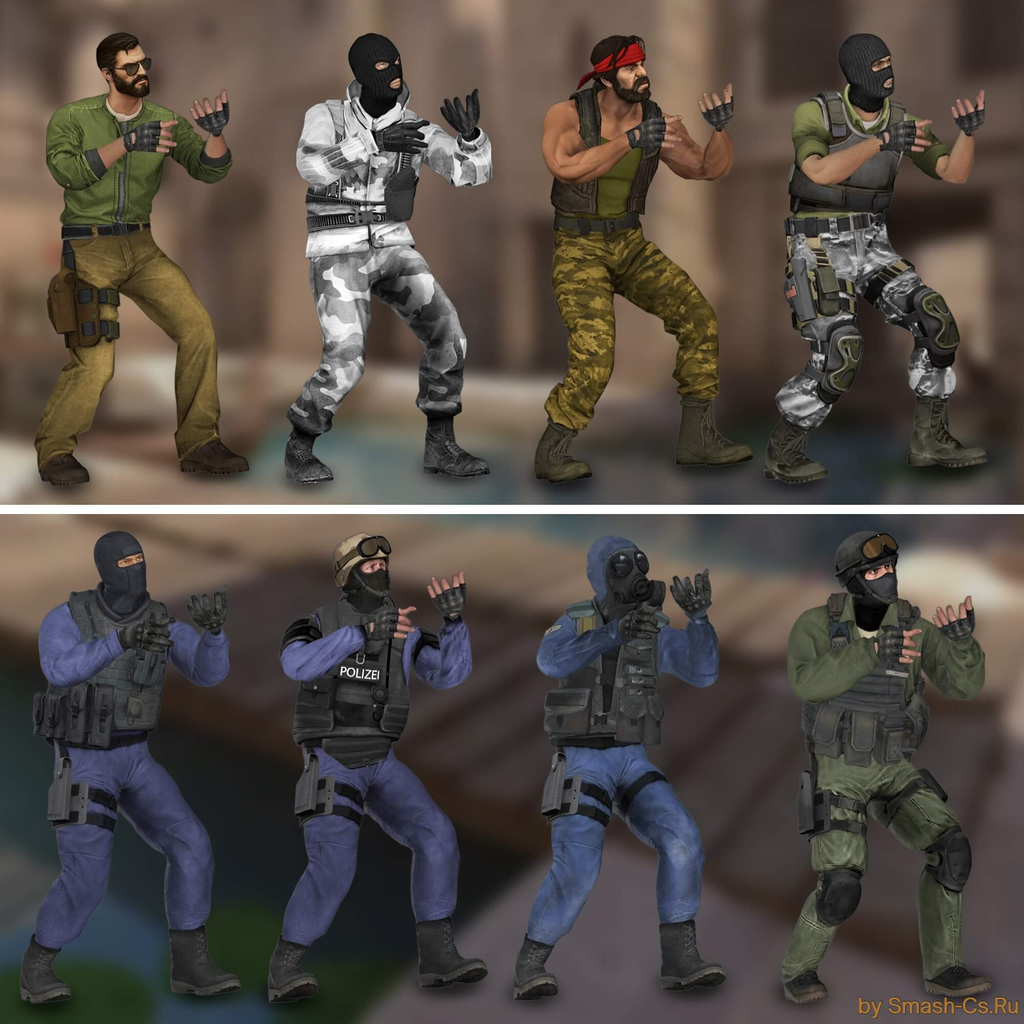
Players were still divided into two teams — terrorists and counter-terrorists. The main game modes remained bomb planting and defusal, as well as hostage rescue.
Rounds still began with players purchasing weapons and equipment. Wins and losses affected the team economy, making purchasing decisions almost as important as shooting accuracy.
At the same time, Source changed the way the game felt. Movement, shooting, grenade physics, and the behavior of different objects differed from Counter-Strike 1.6. These differences would eventually become one of the main subjects of debate within the community.
Counter-Strike 1.6 vs. Source
By the time Source was released, Counter-Strike already had a huge player base, so Valve could not simply expect everyone to immediately switch to the new version.
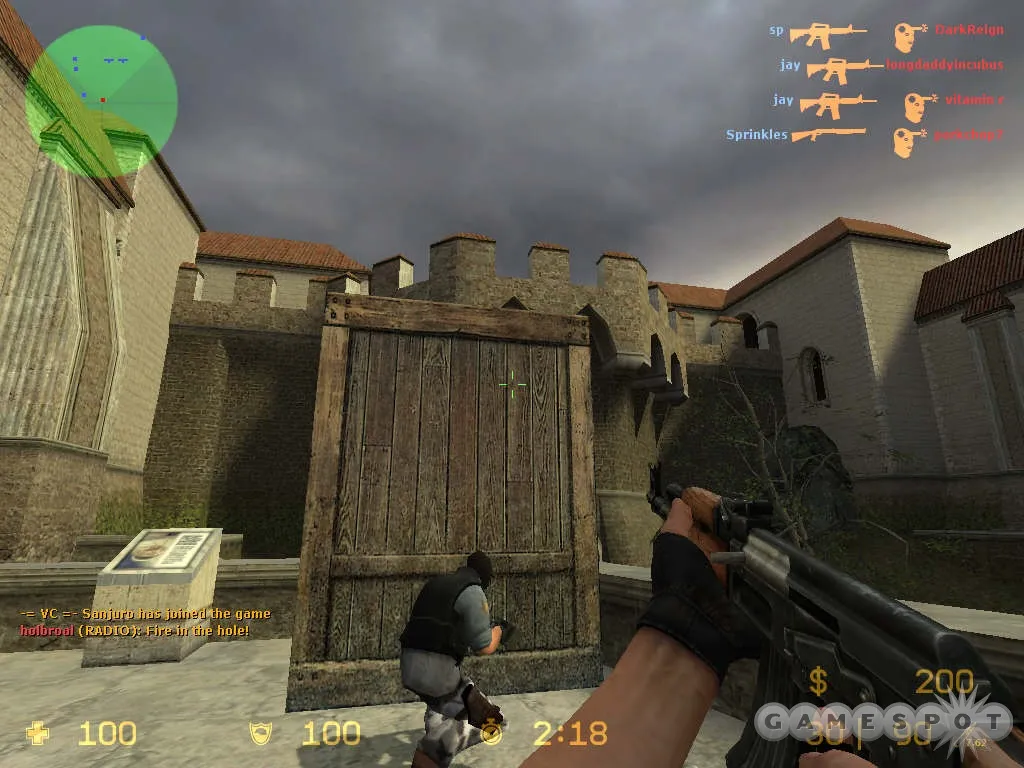
Some members of the community welcomed the improved graphics, physics, and technical capabilities. Others believed that Source changed the familiar Counter-Strike experience too much.
The issue was particularly significant among professional players. Counter-Strike 1.6 was already an established esports discipline with teams, tournaments, and a large audience. For professionals, even small changes to physics, movement, or shooting could have a major impact.
As a result, Counter-Strike 1.6 and Counter-Strike: Source existed alongside each other for a considerable period of time. The new version gradually developed its own audience and professional scene, but it did not immediately replace its predecessor.
Steam Becomes an Important Part of the Story
Another important aspect of Counter-Strike: Source was its close connection with Steam.
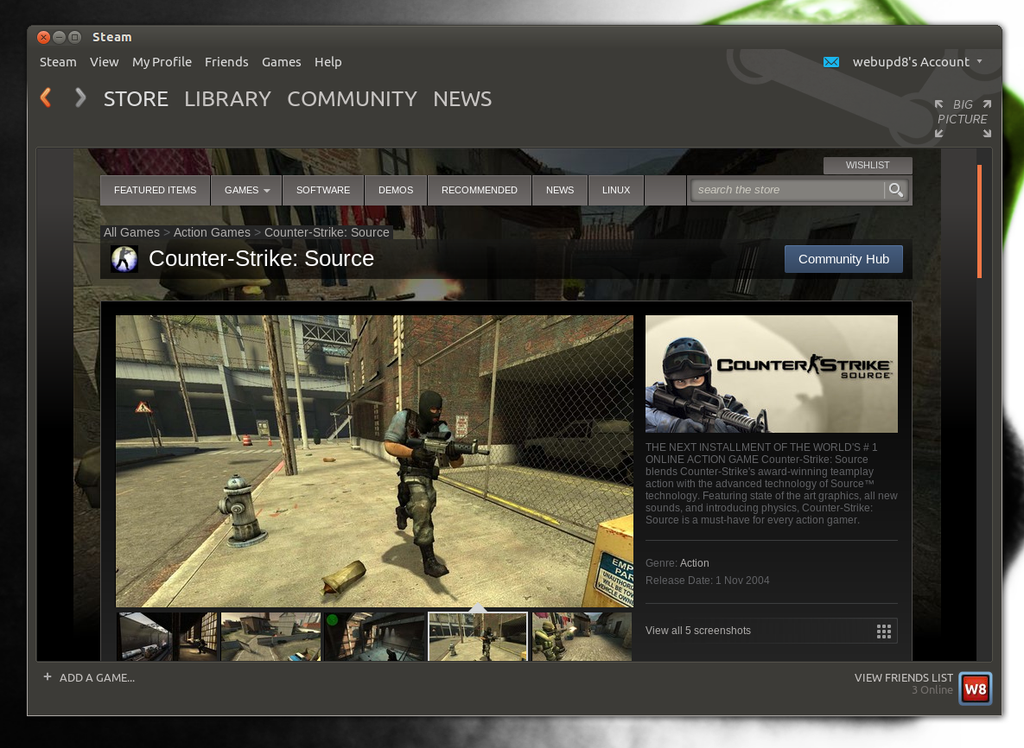
In 2004, Valve’s platform was still in the early stages of development. At first, many players primarily viewed Steam as a system for launching and updating Valve games, but it would eventually become a massive digital storefront.
Counter-Strike: Source was one of the projects that helped Valve develop this model. The game received updates through Steam, while its server infrastructure and interaction with users gradually became more closely connected to the platform.
For Valve, this was an important experiment: the company was developing its own engine, game, and digital ecosystem at the same time.
The Impact on Esports
Although Counter-Strike: Source did not immediately replace 1.6 in professional competition, it still became an important part of esports history.
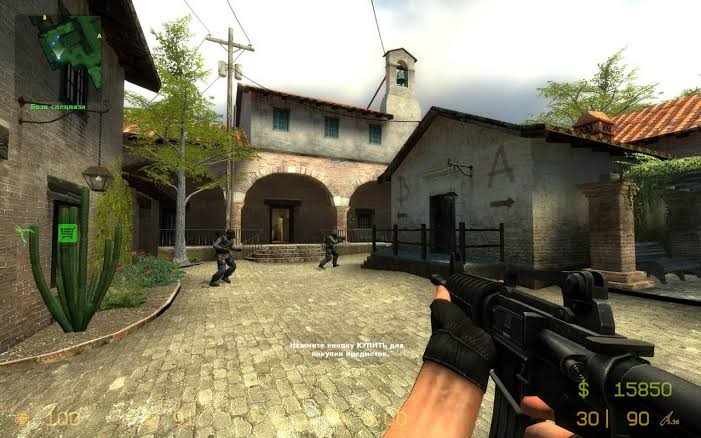
For many teams and players, Source represented the next step after classic Counter-Strike. A new generation of players emerged on the game, while its tournament scene gradually expanded.
Valve’s experience with two parallel versions of the series also became important for the franchise’s future development. The company gained a better understanding of which elements of classic Counter-Strike needed to be preserved and which technological changes could work in a new version.
Preparing for the Next Stage
Counter-Strike: Source was not the final version of the series. Its importance lies in the fact that it became a transitional link between classic Counter-Strike and the next generation.
Valve continued developing the Source engine, releasing updates and working on technologies that would later be used in other company projects.
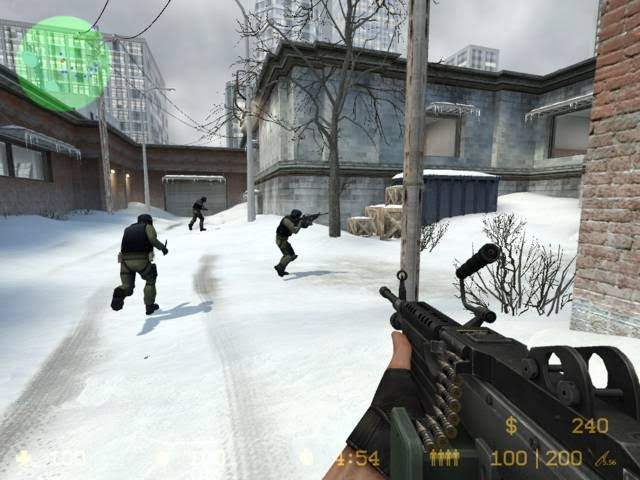
Several years later, the series entered another major stage of development with Counter-Strike: Global Offensive. CS eventually became the leading version of professional Counter-Strike and shaped the modern form of the discipline.
But the path toward it began with the transition from GoldSrc to Source.
The Legacy of Counter-Strike: Source
Today, Counter-Strike: Source can be viewed as an intermediate version between two major eras of the series. However, its significance in 2004 was much greater.
Valve demonstrated that Counter-Strike could evolve technologically without abandoning its core formula. The game received a new engine, modern graphics for its time, physics, and updated maps while retaining the essentials — teamwork, round-based gameplay, and the fight for every round.
On October 7, 2004, Counter-Strike: Source became a bridge between classic Counter-Strike 1.6 and the future of the series. This transition gave Valve valuable experience that would eventually lead the franchise to Counter-Strike: Global Offensive and, later, Counter-Strike 2.
As a reminder, Tactics Ogre: Let Us Cling Together — how Quest created one of the most influential tactical RPGs.