


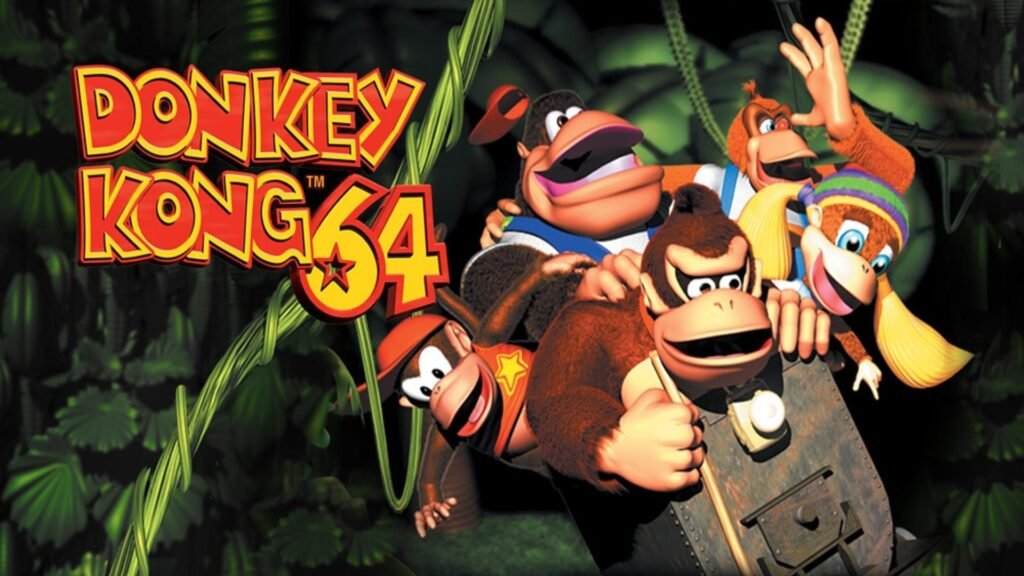
On November 22, 1999, Donkey Kong 64 was released in North America on Nintendo 64 — the first full-fledged 3D platformer in the history of the Donkey Kong series. It was developed by British studio Rare, which had already become famous for Donkey Kong Country and Banjo-Kazooie. The game became one of Rare's largest projects for the Nintendo 64 and offered a much more expansive adventure than previous entries in the series.
From 2D to full 3D
Development of Donkey Kong 64 began after the completion of Donkey Kong Country 3: Dixie Kong's Double Trouble! in 1997. Initially, the team planned to make the game much closer to the previous Donkey Kong Country titles. The project was intended to be primarily a linear platformer with a fixed camera and a combination of side-scrolling and front-facing scrolling.
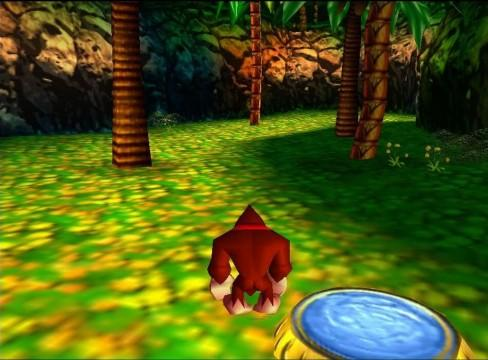
However, after about a year and a half, the developers realized that this approach was not working as they wanted. Meanwhile, Super Mario 64 had demonstrated a new direction for platformers — large 3D levels, free movement, and a camera that constantly followed the character.
Rare decided to completely change the concept. Instead of a linear game, the team began creating a large 3D world where players could freely explore locations and return to areas they had already visited.
The transition to 3D became a major challenge. Rare's artists were accustomed to working with characters that players mostly viewed from the side. Now every model had to look convincing from any angle. As a result, creating animations and characters for Donkey Kong 64 required a completely different approach.
Five Kongs instead of one
One of the main features of Donkey Kong 64 was the ability to control five different characters: Donkey Kong, Diddy Kong, Lanky Kong, Tiny Kong, and Chunky Kong.
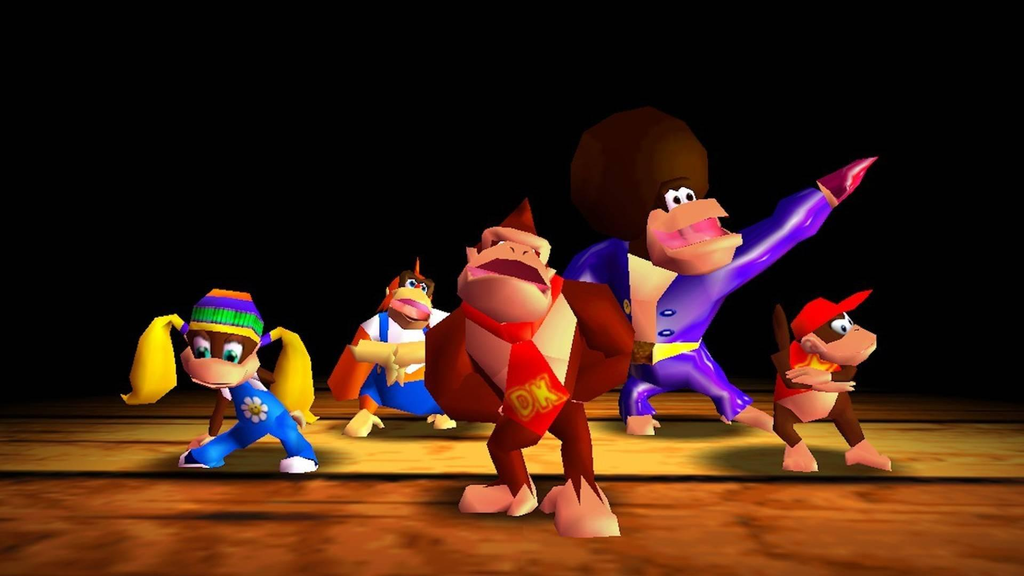
Each of them had their own abilities and special equipment. This directly affected level progression: certain areas of the world, items, and secrets were only accessible to specific Kongs.
This system became the foundation of the game's structure. Players did not simply have to complete a level from beginning to end, but gradually return to familiar locations while using the characters' new abilities.
That is why Donkey Kong 64 placed such a strong emphasis on exploration and collecting items.
A game about collecting
A huge number of collectible items became one of the central elements of Donkey Kong 64. The main goal was to collect Golden Bananas, but each Kong also had their own colored bananas, coins, and other items.
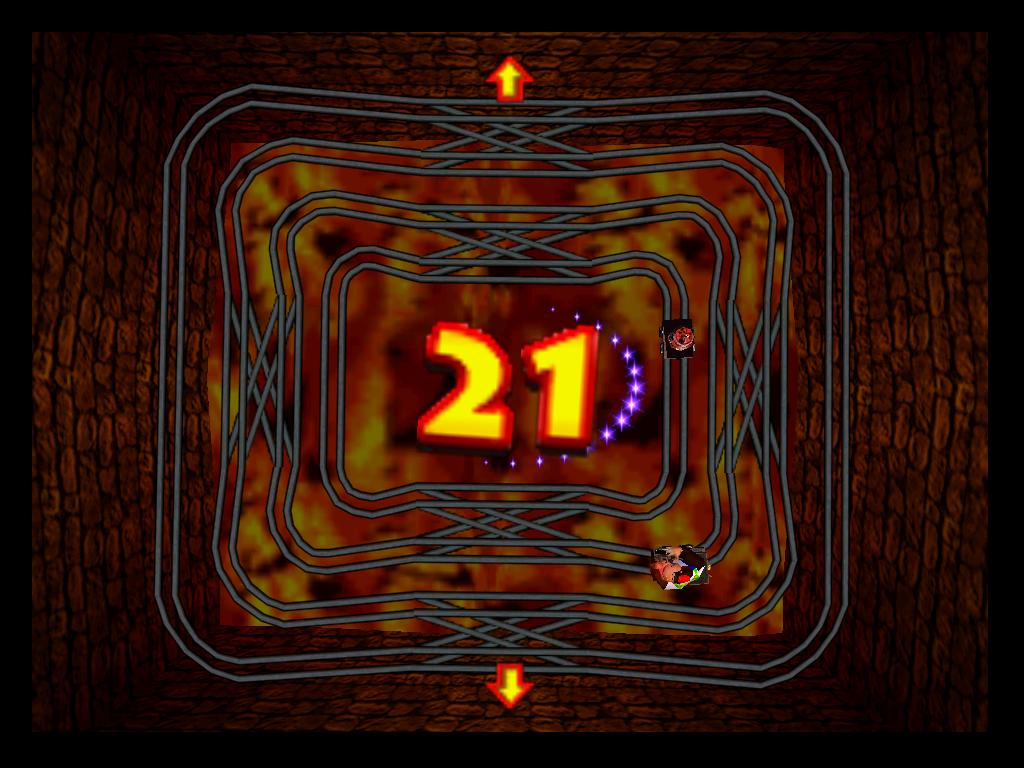
As a result, the levels became large areas that players had to thoroughly explore. A player could complete most of a location and then return with another character to obtain previously inaccessible items.
This feature later became one of the most discussed aspects of Donkey Kong 64. The game was extremely large for its time, but the number of collectibles could also make it feel overwhelming.
Years later, the game's creative director George Andreas admitted that he would do some things differently if he were making the game today. Among other things, he talked about reducing the game's scale, cutting down on the number of collectibles, and simplifying the banana system.
The Expansion Pak became part of the package
Donkey Kong 64 also went down in Nintendo 64 history because of its use of the Expansion Pak — an accessory that increased the console's RAM from 4 MB to 8 MB.
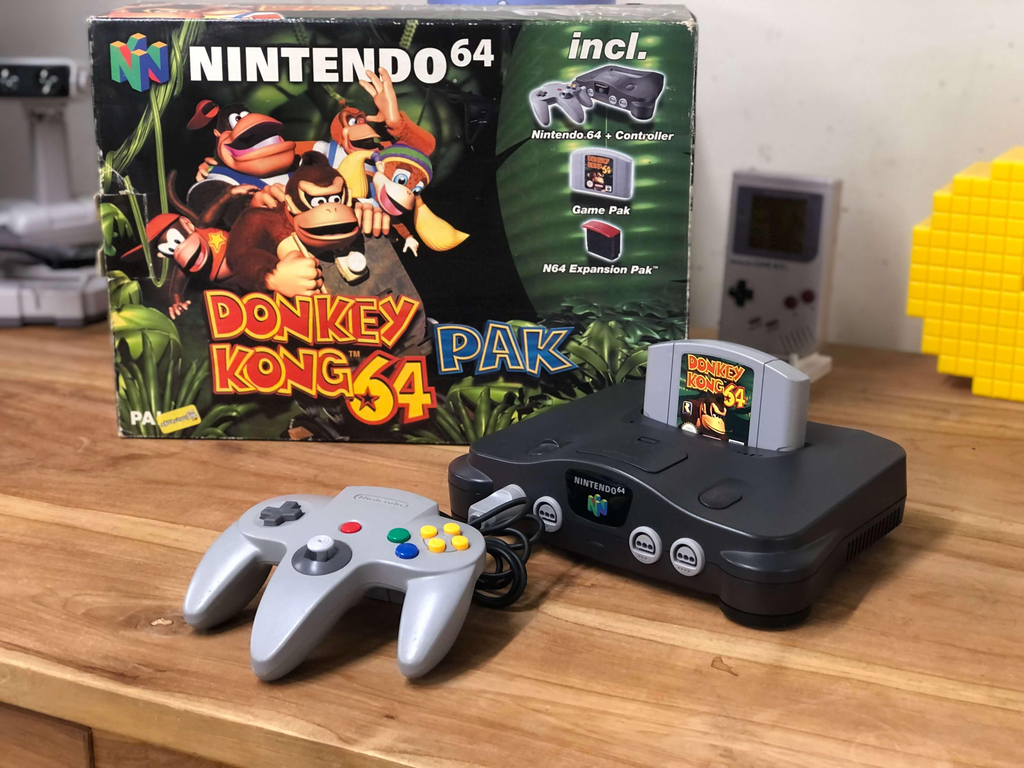
The game was one of the few Nintendo 64 titles that required the Expansion Pak to run. Nintendo sold Donkey Kong 64 together with the accessory, effectively making it part of the game's package.
For a long time, there was a theory that the Expansion Pak was required because of a critical bug that could cause the game to crash on a standard Nintendo 64 configuration. However, developers later questioned this story.
Rare artist Mark Stevenson called it a myth and explained that the decision to use the Expansion Pak had been made long before release. According to him, the team was even instructed to create features that would justify the use of the additional memory.
Music and the famous DK Rap
Music by composer Grant Kirkhope became an important part of the game's atmosphere. He created the Donkey Kong 64 soundtrack, including one of the game's most famous musical pieces — DK Rap.
The song plays at the beginning of the game and introduces the five main Kongs. Today, it is regarded as one of the most recognizable elements of Donkey Kong 64 and has even become a meme among Nintendo fans.
Kirkhope later recalled that the game's music was an important part of Rare's work on its own style, which distinguished its projects from other platformers of the era.
Release and success
Donkey Kong 64 was released on November 22, 1999, in North America, before reaching Europe and Japan in December.
Nintendo invested heavily in a major marketing campaign. According to information about the game, around $22 million was spent promoting it in the United States, while the project became one of Nintendo's major releases for the 1999 holiday season.
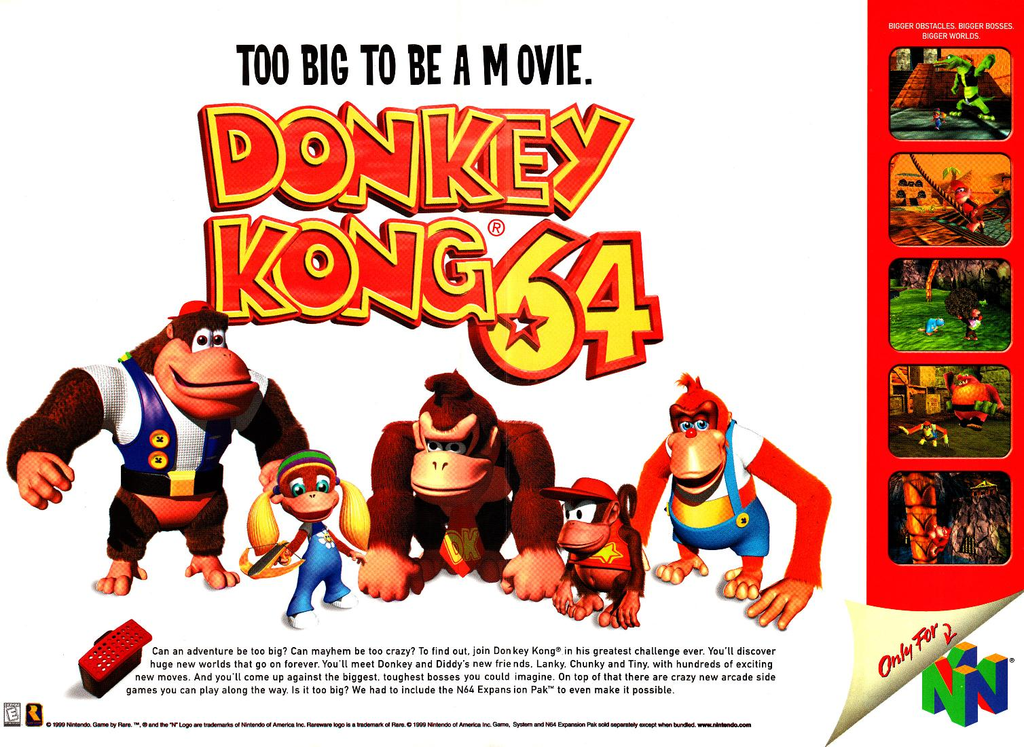
The game received generally positive reviews and became a Nintendo bestseller during the 1999 holiday period. According to available data, Donkey Kong 64 had sold around 5.27 million copies by 2021.
At the same time, the game's reputation became more mixed over the years. Its scale, large number of collectibles, and the need to constantly switch between five characters became disadvantages for some players rather than advantages.
The legacy of Donkey Kong 64
Donkey Kong 64 was an important experiment for Rare. The studio brought the Donkey Kong Country formula into three-dimensional space and attempted to combine platforming with large-scale exploration and collecting.
The game also demonstrated how challenging the transition from 2D platformers to full 3D could be. Rare essentially had to rethink level design, camera systems, animations, and the overall progression structure.
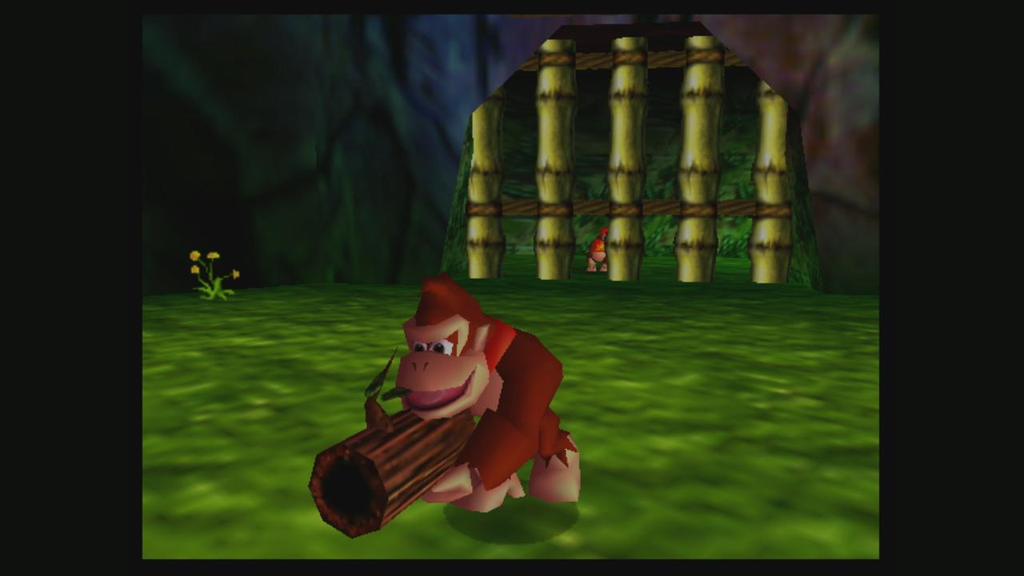
Despite the controversy surrounding the excessive number of collectibles, Donkey Kong 64 remains one of the best-known platformers on the Nintendo 64. It became something of a conclusion to Rare's era on Nintendo's console and another example of how developers in the late 1990s were trying to figure out what a large-scale 3D platformer should be.
Ultimately, Donkey Kong 64 was remembered not only for its scale but also for how boldly Rare attempted to change the series' formula. More than two decades later, the game remains an important part of Nintendo 64 history and of an era when almost every major 2D platformer was trying to take its own step into the three-dimensional world.
As a reminder, The Legend of Zelda: Ocarina of Time — the history of the game that brought Zelda into 3D.