


For more than 30 years, BioWare was one of the leading studios in the world of role-playing games. It gave players Baldur’s Gate, Neverwinter Nights, Star Wars: Knights of the Old Republic, Mass Effect, and Dragon Age. Its projects showed that in video games, story, characters, and player choices can be just as important as combat systems or graphics. The studio developed its own style, which dozens of other developers would later emulate, and its name became almost synonymous with story-driven RPGs.
On October 21, 2026, this story effectively came to an end. Electronic Arts announced the closure of BioWare in Edmonton and the cancellation of early development on the next Mass Effect. According to Reuters, as part of broader layoffs, EA planned to cut around 400 jobs, with approximately 50 of them at BioWare. The studio itself confirmed that it was closing after more than three decades of work.
The paradox is that around the same time, information emerged about the documentary Massive Effect: The BioWare Story, which had begun filming approximately two years before the studio's closure. The creators initially wanted to document the history of one of the most successful RPG developers, but following EA's decision, the film inadvertently became a document of BioWare's final chapter. The film is scheduled to premiere in 2027.
But to understand why BioWare disappeared, it is not enough to simply say that EA "destroyed it" or blame everything on one failed game. The studio's history is much more complicated. It is the story of a small team that became a global RPG giant, received huge budgets and ambitions, lost many of its veterans, changed its formula several times, and ultimately found itself in a situation where every new major project became increasingly risky.
Three Doctors Who Decided to Make Video Games
BioWare was founded in Edmonton in 1995. Its founders were Ray Muzyka, Greg Zeschuk, and Augustine Yip — three doctors who had worked in the medical field before creating the game studio. They even developed software for medical education, but gradually realized that they wanted to pursue creative work. On February 1, 1995, BioWare Corp. was effectively born in a small space in the basement of Zeschuk's house.
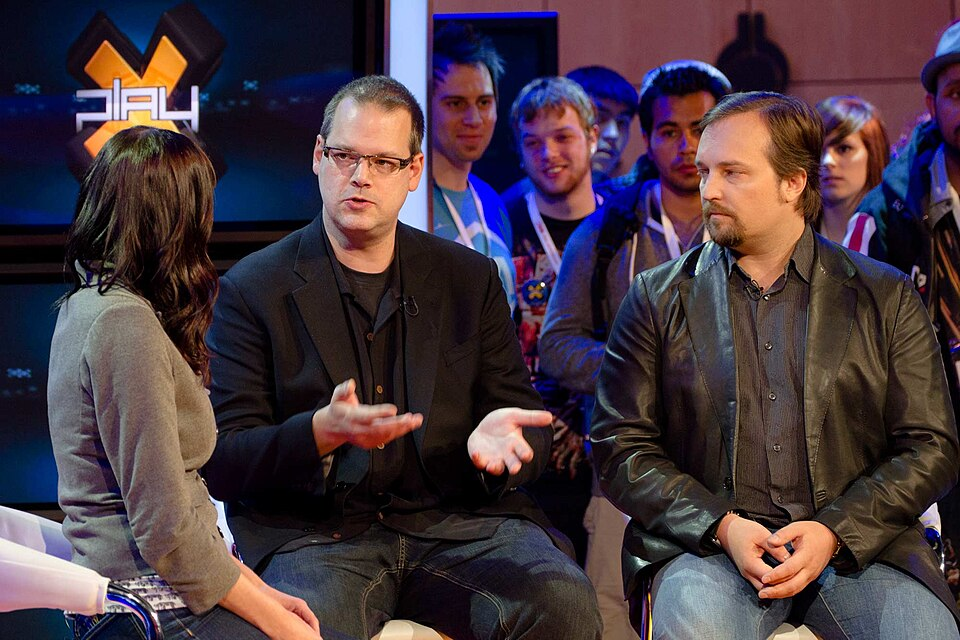
The studio's first major commercial game was Shattered Steel, released in 1996. It was a mech action game that helped BioWare attract the attention of publisher Interplay. The partnership with Interplay became a turning point: the team gained the opportunity to work on much larger projects, and its next game was an RPG based on the Dungeons & Dragons rules. Nobody knew at the time that it would define BioWare's future for decades.
Baldur’s Gate — The Moment BioWare Found Itself
In 1998, Baldur’s Gate was released and became a major breakthrough for the young studio. The game brought the rules of Dungeons & Dragons into a digital format, but its strength went beyond its mechanics. BioWare placed a strong emphasis on dialogue, characters, exploration, and player choices. The protagonist was not simply completing another adventure — they gradually got to know the people around them, shaped their own story, and influenced how events unfolded.
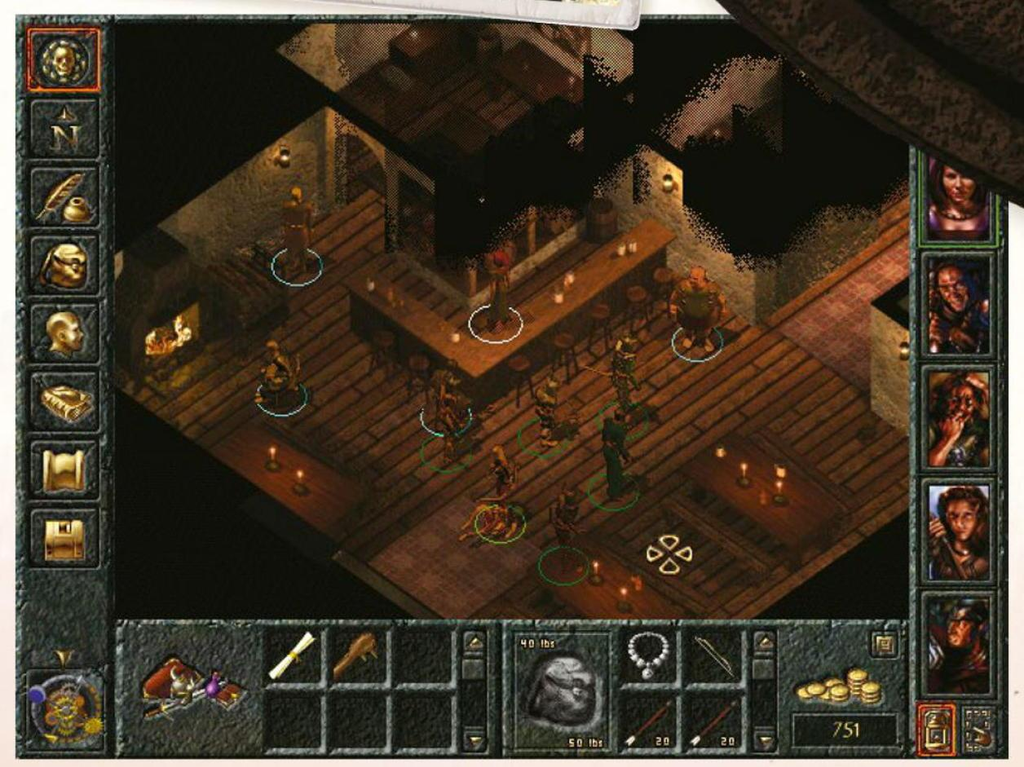
This was when BioWare's defining characteristic began to take shape. The studio wanted to make an RPG more than a collection of battles and quests, turning it into an adventure in which the player felt like part of the story. This approach continued in Baldur’s Gate II, followed by Neverwinter Nights and other projects. BioWare gradually turned storytelling into one of the central mechanics of its games — and this would eventually become its main distinction from many competitors.
From D&D to Original Universes
The next major milestone was Star Wars: Knights of the Old Republic. BioWare was given the opportunity to work with one of the world's most famous science-fiction universes, but instead of creating a simple adaptation, it built an independent story with its own characters, conflicts, and moral choices. Players could determine the path of the protagonist, build relationships with companions, and influence events.

Gradually, the studio learned to work not only with existing universes but also to create its own. This led to Mass Effect and Dragon Age — two franchises that firmly established BioWare as one of the leading developers of story-driven RPGs. If Baldur’s Gate demonstrated the studio's potential, Mass Effect and Dragon Age turned its style into a recognizable formula.
The Golden Era of Mass Effect and Dragon Age
Mass Effect was an attempt to bring BioWare's signature approach into a science-fiction universe. The focus was not only on the protagonist but also on an entire team of characters. Players could talk to them, learn their stories, build relationships, and make decisions whose consequences could carry over between games. As a result, the trilogy became more than a collection of individual games — it became one large story that players experienced in their own way.
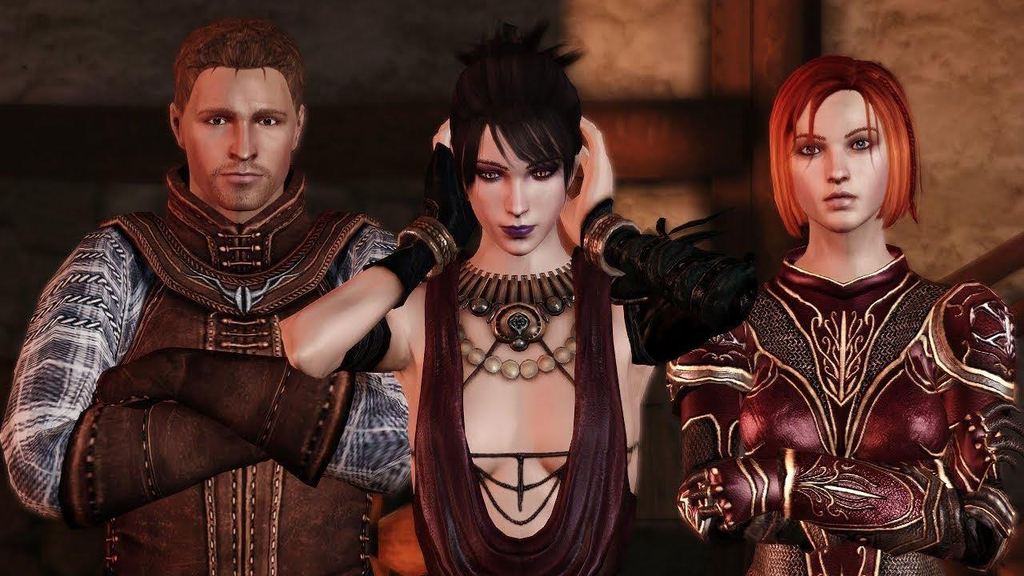
A similar principle worked in Dragon Age, although the fantasy setting allowed BioWare to explore different themes. During this period, the studio experienced its golden era: its games received high scores, sold millions of copies, and created huge fan communities around them. But as BioWare became more successful, it also became larger, and its projects became more expensive. This was when the studio gradually entered a completely different corporate world.
EA Comes to BioWare
In October 2007, Electronic Arts announced the acquisition of VG Holding Corp., which owned BioWare and Pandemic Studios. The deal was completed in 2008. By then, BioWare was already a major brand, and EA gained control of a team specializing in RPGs with several promising franchises. BioWare's founders themselves viewed the deal positively at the time, emphasizing that it would give the studio additional resources to create large-scale story-driven games.

Therefore, the claim that "EA immediately destroyed BioWare" would be incorrect. The first years after the acquisition were, in fact, highly successful. Mass Effect 2, Mass Effect 3, and Dragon Age: Inquisition were released, with the latter winning the top prize at The Game Awards in 2014. The problems accumulated gradually — alongside changes in the industry itself and the rising cost of large AAA projects.
When RPGs Were No Longer Enough
A successful single-player RPG in the 1990s or early 2000s could be a large game, but modern AAA projects required significantly more resources. Budgets, teams, development times, and player expectations all grew. This created a serious problem for BioWare: the studio was known for games that could take years to develop, but every mistake in such a production became increasingly expensive.

At the same time, BioWare began losing some of the veterans who had shaped its creative style. The industry was changing as well: major publishers were increasingly interested in projects capable of generating revenue not only at launch but for many years afterward. It was during this period that BioWare attempted to move beyond the traditional story-driven RPG and create a game that operated according to a completely different model.
Anthem — An Attempt to Become a Different BioWare
Anthem became one of the biggest departures from the studio's classic formula. Instead of a traditional story-driven RPG, BioWare was creating an online action game with co-op, character progression, and constantly updated content. For a company that had built its reputation over decades on dialogue, companions, and large story campaigns, this was an extremely risky move.
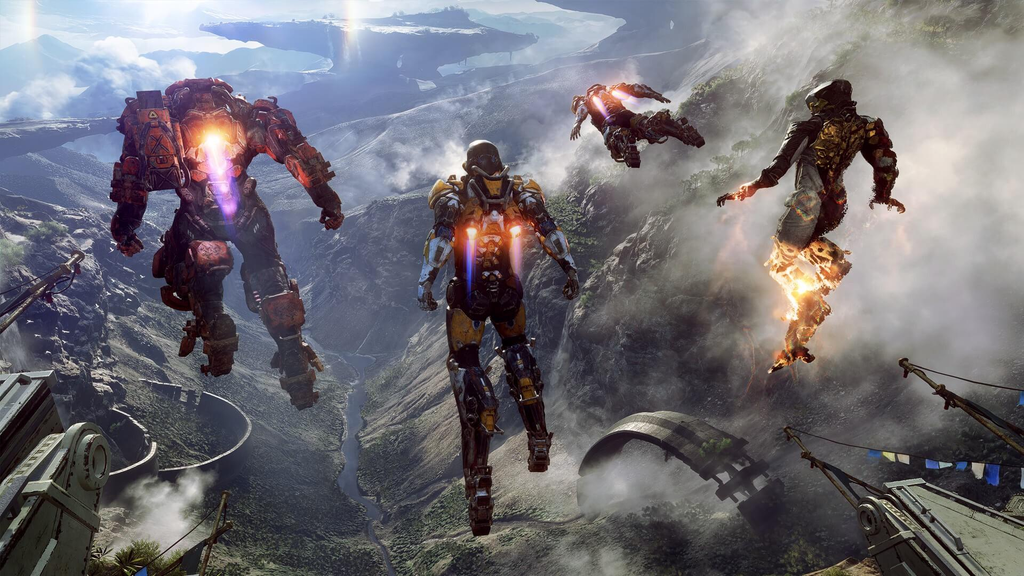
Development lasted for years and was accompanied by changes in the game's concept. Ultimately, Anthem was released in 2019 but failed to meet expectations. The game received mixed reviews, and ambitious plans for its continued development were eventually canceled. For BioWare, the problem was not only the final result: the studio had spent a significant portion of its resources on a project that moved it away from its core strength.
Mass Effect: Andromeda — Another Blow
At the same time, BioWare was working on Mass Effect: Andromeda, which was intended to continue one of the most famous RPG franchises. However, its 2017 release was accompanied by criticism of the game's technical state, animations, and certain story decisions. Afterward, EA put further development of the series in its traditional format on hold, while BioWare focused on Dragon Age and the next Mass Effect.
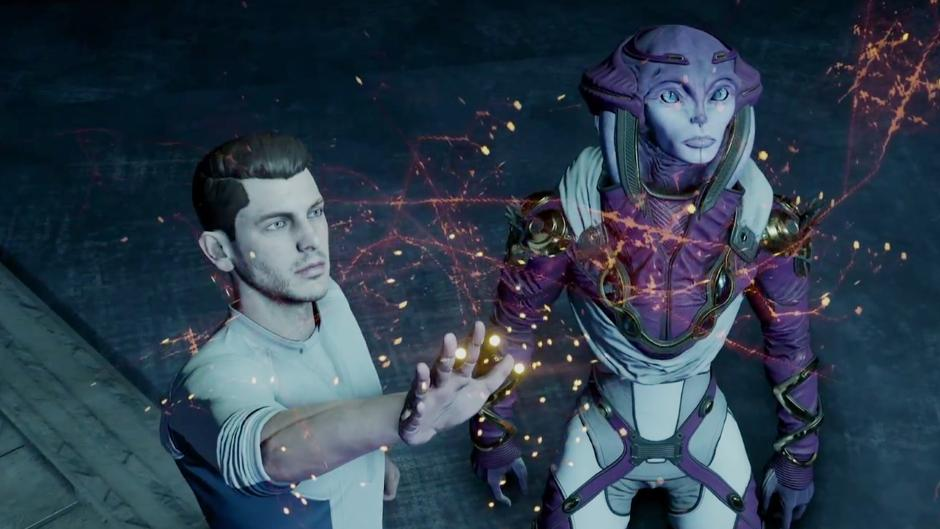
The problem was no longer about one particular game. BioWare was finding it increasingly difficult to support several enormous projects at the same time. Long development cycles, changes in direction, staff reshuffles, and high expectations created a situation in which every new release became extremely important to the studio's future.
Dragon Age: The Veilguard — The Last Attempt
The next major game was Dragon Age: The Veilguard. Its development lasted for years, and the project's concept changed significantly during that time. Initially, the game was developed with a greater emphasis on online elements, but BioWare eventually returned to the format of a single-player story-driven RPG.
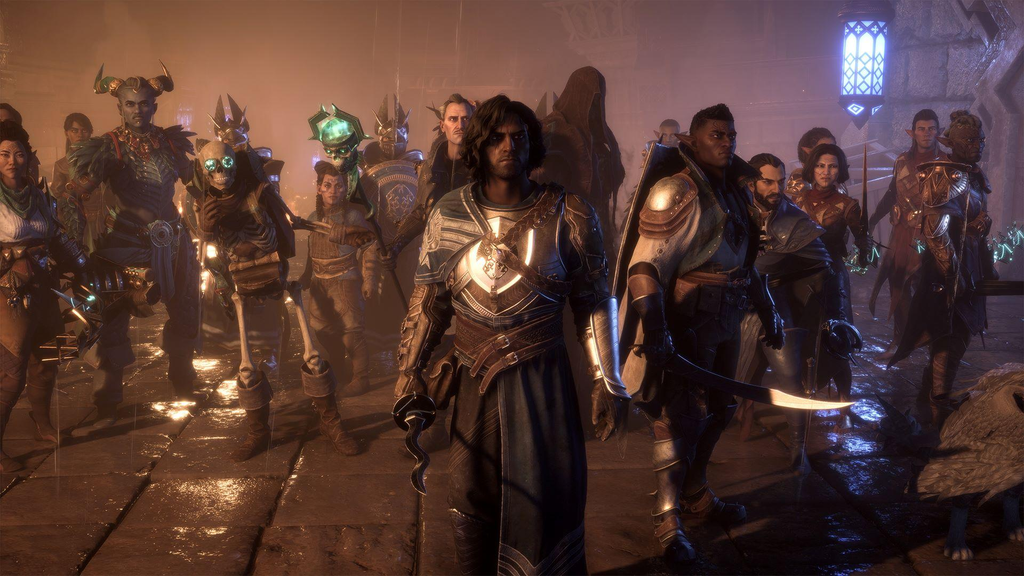
The Veilguard was released in 2024 and received a significantly better critical response than Anthem or Andromeda. However, its commercial results were not enough to restore BioWare to its former scale. After the release, EA continued its restructuring, while the studio itself gradually shrank. By the time of its closure, only a small portion of the once-large team remained.
Did EA Really Destroy BioWare?
This is probably the most difficult question in the entire history of the studio. EA did change the conditions under which BioWare operated. After the acquisition, the studio became part of a large corporate structure in which projects had to meet not only the creative ambitions of developers but also the publisher's financial expectations. As budgets grew, those expectations became increasingly important.

But BioWare's problems cannot all be blamed on EA. The studio itself made decisions that turned out to be unsuccessful. It agreed to work on Anthem, experienced the loss of many veterans, allowed several projects to remain in development for extraordinarily long periods, and changed direction several times during production. Eventually, a vicious cycle emerged: large budgets required large sales, large projects became longer and more complicated, and every failure increased the pressure on the next game.
That is why BioWare's history is better understood not as a simple story of an "evil publisher and a good studio." It is a story about how the conditions for creating AAA games changed and how a company that was once a relatively small team tried to survive in an industry where the cost of a mistake could reach hundreds of millions of dollars.
The End
On October 21, 2026, BioWare published a statement that effectively brought its history to an end. The studio announced that it was closing after more than 30 years and that early development on the next Mass Effect was being discontinued. EA, in turn, said it was reducing the number of major projects being developed simultaneously and focusing on key franchises.

For the industry, this was an especially symbolic development. BioWare was one of the few studios whose name players associated not simply with a genre but with a particular way of telling stories. Its games taught an entire generation of players to remember not only the final boss, but also the companion they had spent dozens of hours with, and not only the plot, but also the decisions that could change its course.
The Documentary That Became a Farewell
Perhaps the most ironic part of this story is that BioWare left behind a documentary about its own history. Massive Effect: The BioWare Story began filming approximately two years before the studio's closure. The creators initially wanted to tell the story of BioWare's journey from a small Canadian team to one of the world's best-known RPG developers. After EA's decision, everything changed, and the studio's final days will also become part of the film.
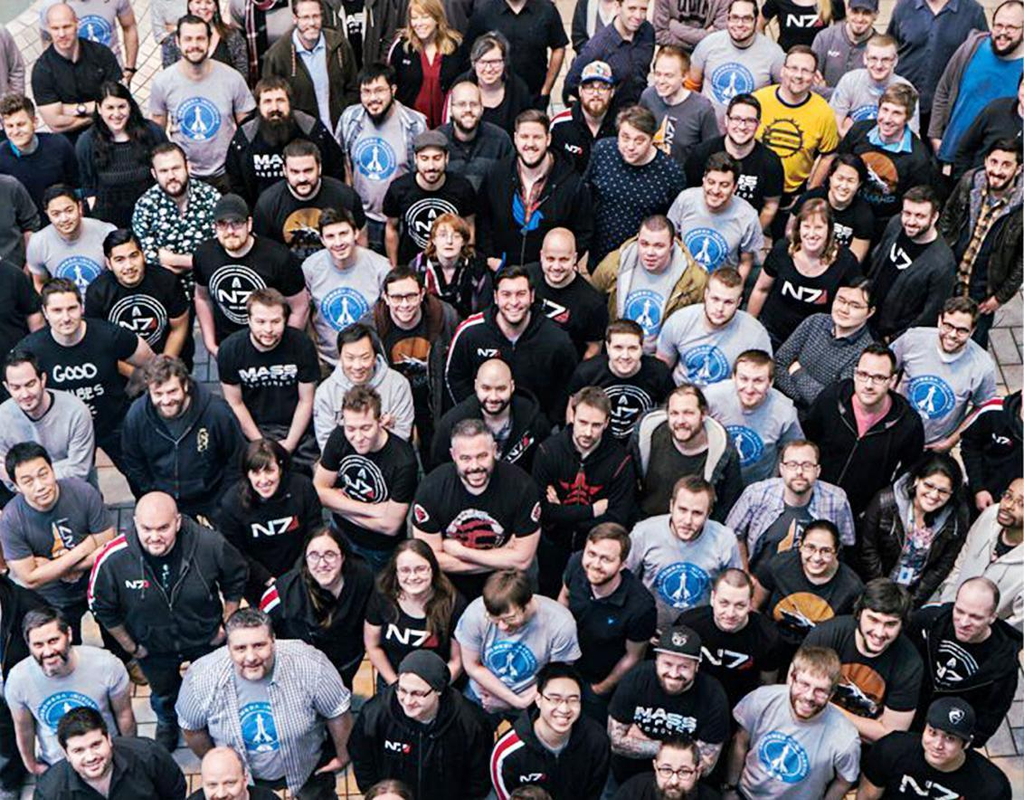
The documentary is expected to feature BioWare founders Ray Muzyka, Greg Zeschuk, and Augustine Yip, as well as notable developers who worked on Star Wars: Knights of the Old Republic, Mass Effect, and Dragon Age. Among them are Drew Karpyshyn, Aaryn Flynn, Mac Walters, David Gaider, James Ohlen, and Jennifer Hale, the voice of the female version of Commander Shepard. The premiere is scheduled for 2027.
That is what makes the film so symbolic. It began as a story about a studio that was still operating and preparing a new Mass Effect. Now it will be a story about a studio that no longer exists. The cameras were supposed to document another stage in BioWare's development, but ultimately they will document its final years.
What BioWare Left Behind
BioWare was not the first studio to create story-driven RPGs. Before it came Ultima, Wizardry, Fallout, and countless other important projects. However, BioWare helped turn characters, companions, and emotional connections into a central part of the AAA RPG. Its games showed that players could remember not only a world or combat system, but also a specific character they had spent dozens of hours with.

This approach has long extended beyond the company itself. It can be seen in modern role-playing games where companions have their own personalities and stories, player decisions change events, and dialogue becomes just as important to the experience as exploring the world or fighting enemies. BioWare left behind not one specific mechanic, but an entire model for building the relationship between the player and the story.
Therefore, the studio's closure does not mean the disappearance of its influence. Its former employees continue to work in the industry, while the principles BioWare refined over decades continue to be used by other developers. Even if the future of Mass Effect now depends on EA's decisions, BioWare's legacy has long since become part of RPG culture itself.
Not the Death of the Genre, but the End of an Era
BioWare's history does not resemble that of a studio that was simply "destroyed by a corporation" one day. It is rather a story of gradual change. A small team of three doctors became a global RPG giant, gained large budgets and ambitions, became part of EA, lost veterans, attempted to explore new genres, experienced unsuccessful projects, and repeatedly tried to reinvent itself.
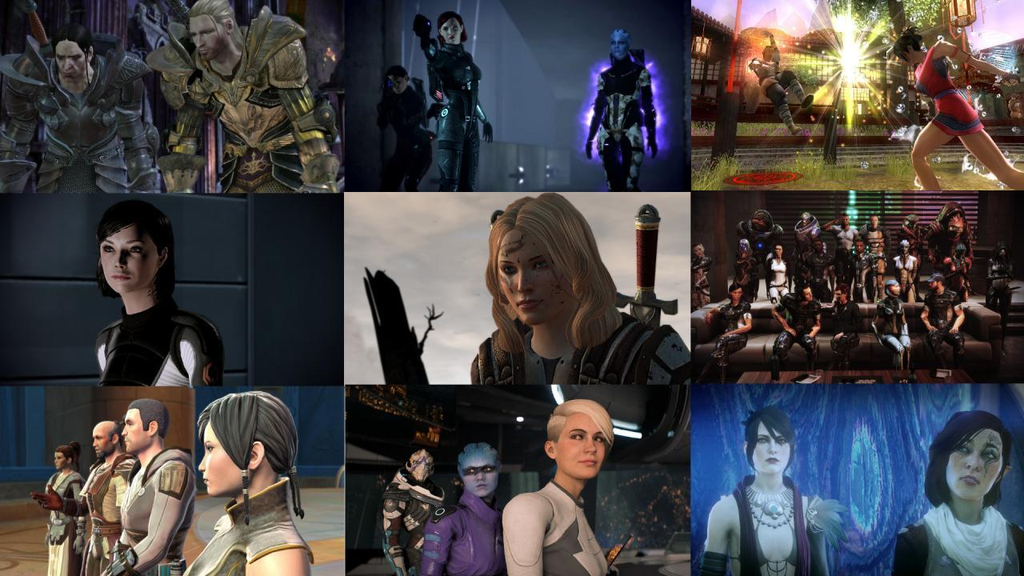
Eventually, its scale became too large, while its ability to take risks became too limited. BioWare taught the industry that in video games, the story can be the central mechanic. But the studio itself could not remain forever the small team that was able to experiment and create Baldur’s Gate.
Now its story belongs to the past. And symbolically, BioWare's final chapter will be told not through a new game, but through a documentary — a film about a studio that once taught video games how to tell stories and left behind enough stories of its own to have a film made about it.
As a reminder, Jason Lake will receive the HLTV award for his contribution to Counter-Strike.