



On August 24, Hideo Kojima celebrates his 63rd birthday — one of the most influential figures in the history of video games. Over nearly 40 years of his career, the Japanese game designer has evolved from a developer into a true auteur, whose name itself has become a brand.
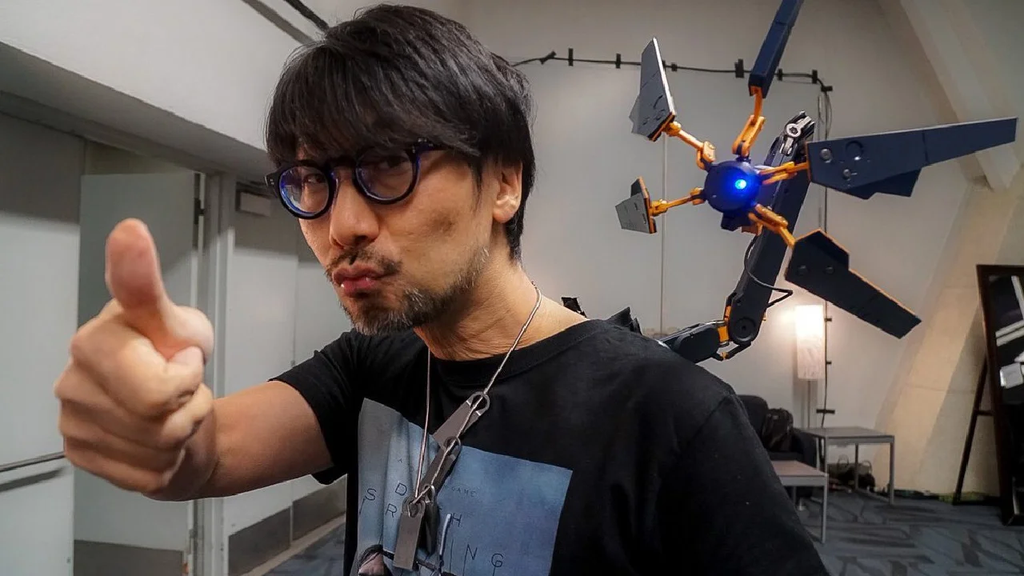
Kojima has never hidden his love for cinema, literature, and music. They shaped his approach to game development. He brought cinematic language, complex stories, work with actors, large-scale set pieces, and attention to detail into video games, while always emphasizing that his projects remain games.
Kojima's first major revolution was Metal Gear, which he created in 1987 for the MSX2. The game offered an unusual approach for its time: instead of constantly confronting enemies directly, players were often required to avoid them, use the environment, and operate stealthily.
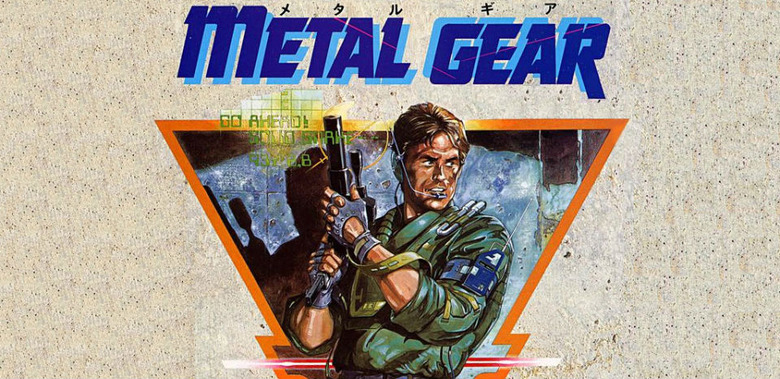
This established a concept that would later become the foundation of the modern stealth genre. It was Kojima's contribution to the development of stealth games that earned him recognition as one of the pioneers of the genre. The Academy of Interactive Arts & Sciences also recognized his innovations in storytelling and the cinematic presentation of video games.
However, worldwide popularity truly arrived in 1998 with Metal Gear Solid for the PlayStation. The game received a global release and turned Kojima into an international star of the industry. He himself described the release of MGS as a turning point in his career.

One of Kojima's greatest contributions was changing the way video games themselves were perceived.
In his works, a game is no longer simply a collection of mechanics. Politics, war, information control, loneliness, death, technology, human connections — Kojima uses video games to discuss themes traditionally associated with cinema or literature.
That is why he is often called a video game auteur — an author whose vision shapes the final product so strongly that it can be recognized even without a logo on the screen.
His influence extended far beyond Japan. Metal Gear Solid inspired an entire generation of Western developers, while Kojima's cinematic approach became one of the factors that helped video games move closer to other forms of entertainment.
After parting ways with Konami in 2015, Kojima began a new chapter of his career and founded the independent Kojima Productions.

The studio's first major project was Death Stranding.
At first glance, the game looked extremely unusual: a post-apocalyptic world, cargo deliveries, vast distances, and a mechanic built around the idea of connecting people. But this was precisely where Kojima's main principle became evident — not being afraid to create something that had never existed before.
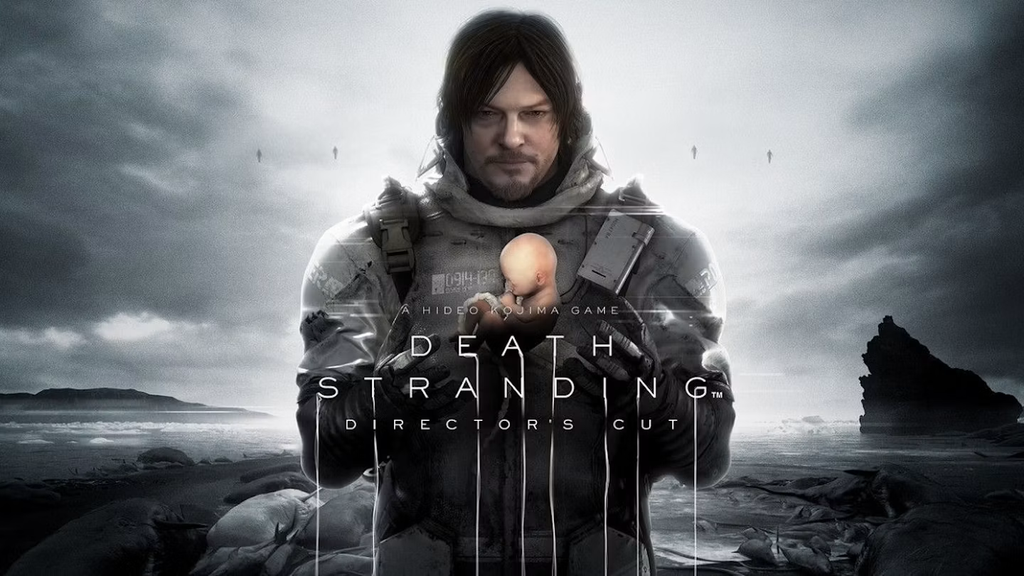
Kojima even introduced the term “Social Strand System” to describe the concept of asynchronous interaction between players. According to his vision, people could help one another without directly meeting in the game. The developer later noted that such mechanics could influence future game creators.
Another distinctive feature of Kojima is his ability to bring famous actors and directors into video games.
Norman Reedus, Mads Mikkelsen, Léa Seydoux and Guillermo del Toro appeared in Death Stranding, and Kojima later continued working with representatives of the film industry.
In Death Stranding 2: On the Beach, this approach reached a new scale. The game featured new famous actors and creative figures, further blurring the line between cinema and video games.
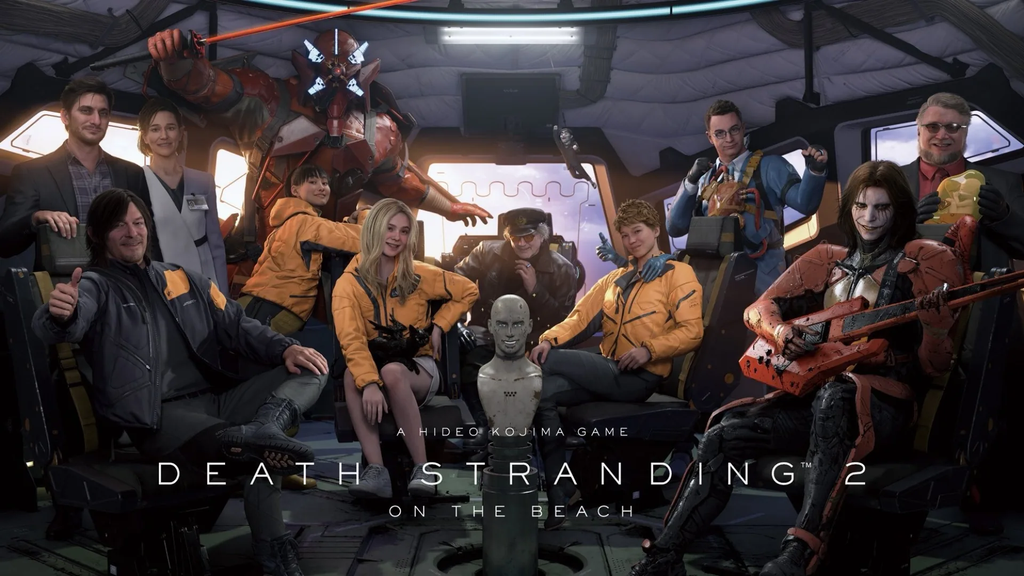
Kojima did not simply bring celebrities into his games for marketing purposes. He sought to prove that video games can be a full-fledged platform for actors, directors, composers, and other representatives of the creative industries.
Kojima's influence has long been recognized not only by players.
In 2016, he was inducted into the Hall of Fame of the Academy of Interactive Arts & Sciences. The Academy specifically recognized his contributions to cinematic storytelling and player interaction with games.
In 2020, Kojima received the BAFTA Fellowship — BAFTA's highest individual honor, awarded for outstanding contribution to film, television, or games.

This is important not only as a personal achievement. It is further confirmation that video games have firmly become part of global culture, and that game creators can receive the same kind of auteur recognition as directors or screenwriters.
Perhaps Kojima's greatest influence lies not in any particular mechanic or individual game.
He showed developers that video games do not always have to meet the expectations of the market.
Metal Gear changed the approach to stealth. Metal Gear Solid demonstrated how cinematic games could become. Death Stranding took the idea of interaction between players and turned it into a central mechanic.
And most importantly, Kojima proved that video games can have a genuine authorial identity.
Today, he turns 63, but his career is far from over. Following Death Stranding 2, Kojima is working on new projects, including OD in collaboration with Jordan Peele and PHYSINT — a return to the military-themed genre.

Happy birthday, Hideo Kojima. Thank you for showing us that a video game can be more than just a game — it can be art.
As a reminder, 13 years ago, Splinter Cell: Blacklist was released — the last major game about Sam Fisher.