


Why legendary clubs are shutting down, teams are leaving disciplines, and tournament winners are waiting for the money they earned
The closure of a single club is news. When well-known organizations leave the market, others shut down their competitive divisions, and tournament participants spend months trying to receive their prize money, it becomes a question of the sustainability of the entire industry.
When Legends Leave
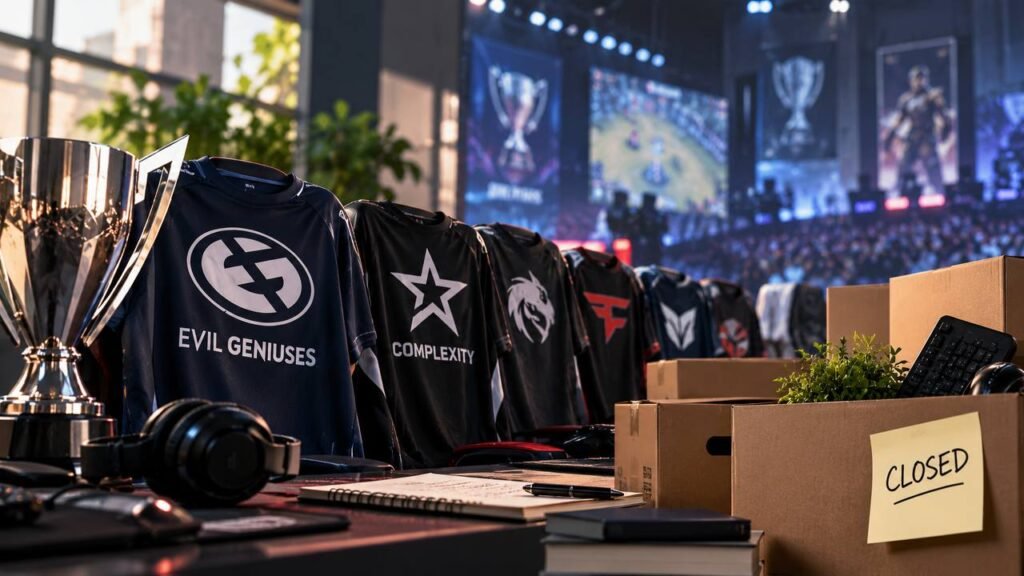
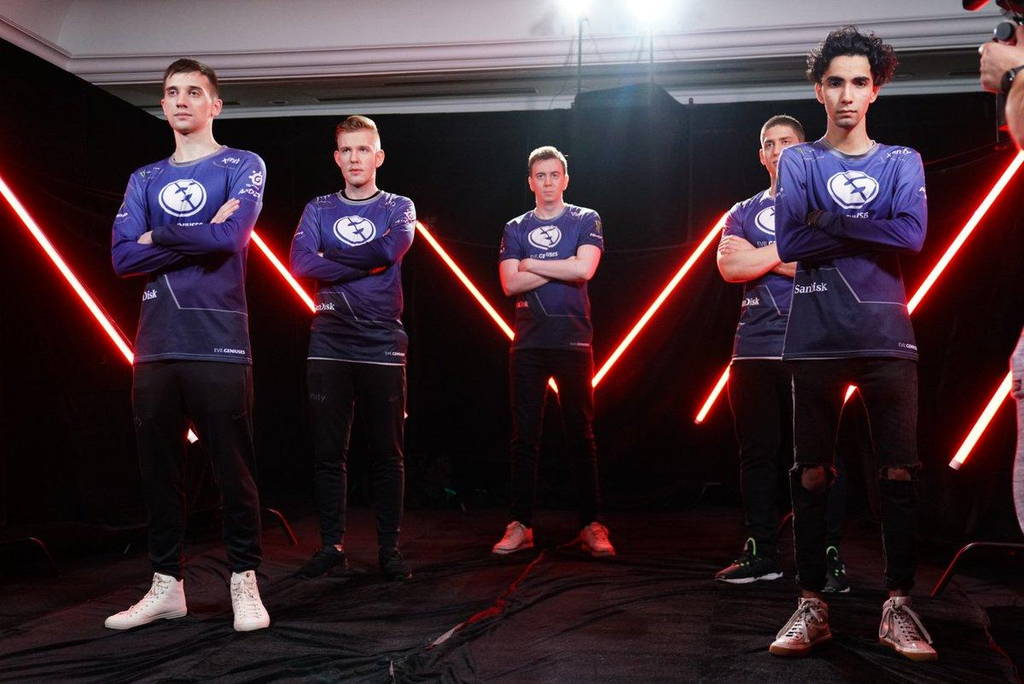
The announcement that Evil Geniuses was ceasing operations after 27 years of history became a symbol of a troubling period for esports. Founded in 1999, the organization left a significant mark across multiple disciplines: its achievements include winning The International 2015 in Dota 2 and becoming VALORANT world champions in 2023. But sporting history alone does not guarantee a financial future.

In discussions about the state of the industry, Complexity and Global Esports Properties are increasingly mentioned alongside Evil Geniuses. It is important to distinguish between an organization shutting down entirely, withdrawing from competitive activity, and leaving a specific discipline: these are different decisions, but all of them reduce opportunities for professional players.
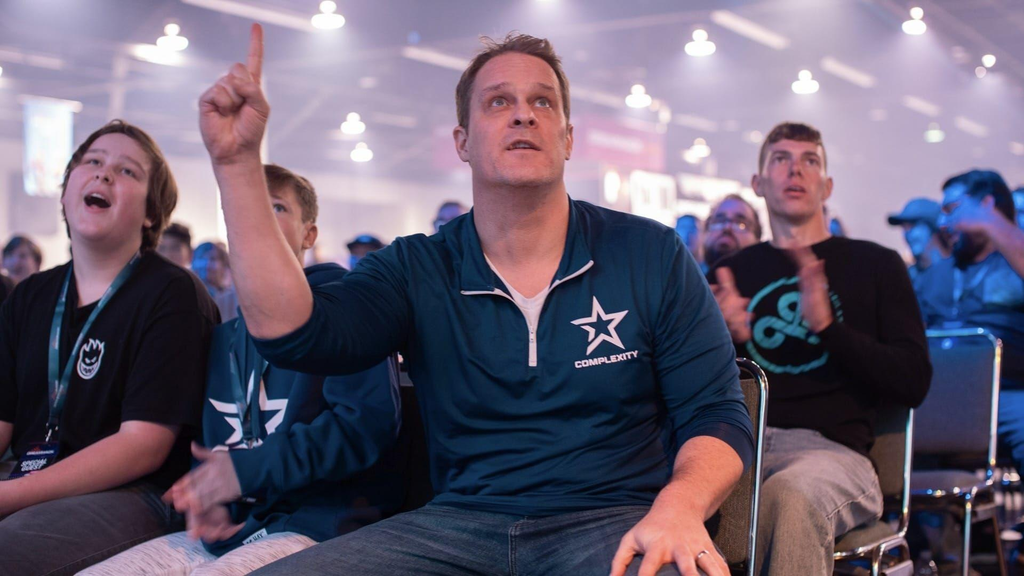
The story of Complexity is equally telling. In 2024, the investment group Global Esports Properties, led by club founder Jason Lake, acquired the organization from GameSquare. However, even returning under its founder's control did not save the legendary brand from financial difficulties: in 2026, Complexity ceased operations, and the rights to the brand returned to GameSquare. This case shows that under current conditions, even a change of ownership, new investment, or restructuring cannot guarantee a club a stable future.
The Club Remains — the Team Disappears
Another revealing trend is when an organization continues to exist but shuts down a specific roster. Reports in 2026 included exits or suspensions of Dota 2 divisions by paiN Gaming, HEROIC, and Tundra Esports, as well as changes to CS2 and VALORANT rosters at other clubs. Each case has its own reasons, and not every withdrawal means bankruptcy. Taken together, however, they reflect growing caution around spending.
Salaries, coaching staff, analytics, flights, accommodation, bootcamps, and management all require constant funding. Even strong tournament results do not guarantee that maintaining a roster will pay off. Sometimes a club is forced to choose between sporting ambitions and financial sustainability.
Millions of Views Do Not Mean Millions in Profit
For years, esports has sold the image of a rapidly growing industry: huge audiences, sponsorship deals, high-profile contracts, and impressive prize pools. But viewer attention does not automatically translate into revenue for organizations. Sponsorship budgets change, investors expect returns, and prize money does not cover the full cycle of expenses.
There is also a structural issue: in most disciplines, the key rules of the ecosystem are determined by the game's publisher. League formats, partnership slots, and qualification requirements can change. As a result, even a competitively successful team can lose a clear path to the biggest tournaments.
There's a Championship. There's a Trophy. But Where's the Money?
Another problem is delayed or unpaid tournament prize money. The figures may look impressive in promotional materials, but what matters to participants is not the announced prize pool — it is whether the money actually arrives within the promised timeframe.
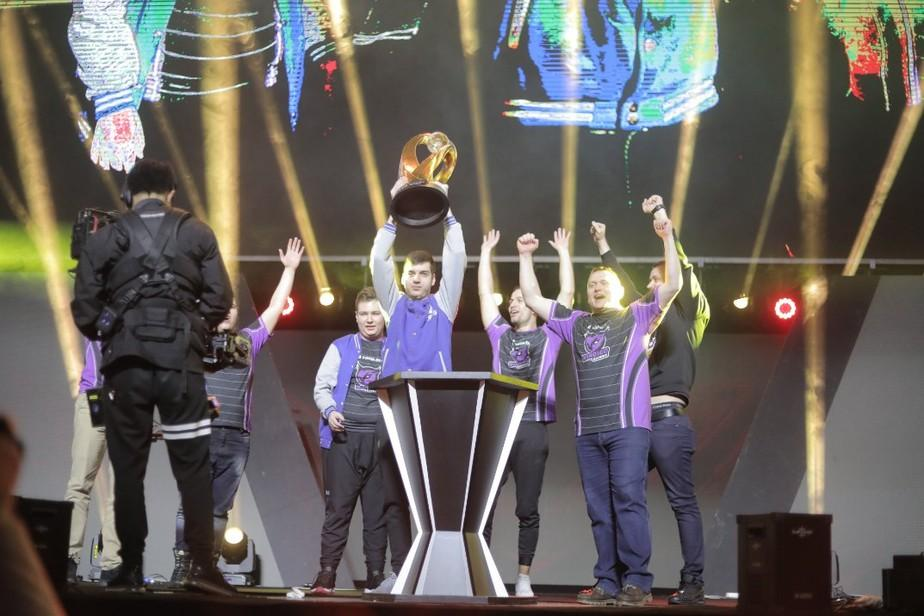
A notable historical example is Windigo Gaming: after winning WESG 2018 and a $500,000 prize, the team waited a long time for the payment. The club's management linked its financial difficulties partly to this delay. Another example is reports of tournament operator YaLLa Esports owing money to teams, employees, and partners in 2025.
In 2026, reports also emerged about FISSURE failing to pay prize money from tournaments held in 2025. The tournament operator itself acknowledged outstanding obligations to CS2 teams, while Dota 2 players also publicly spoke about delayed payments. In particular, dyrachyo said that he had received only a quarter of the money owed to him for winning FISSURE PLAYGROUND 1. In October 2026, former Team Falcons player Andreas “Cr1t-” Nielsen publicly asked the organizers, under FISSURE's announcement of its 2027 tournament schedule, whether they planned to pay teams the money they were still owed from tournaments held in 2025. FISSURE did not provide a public response. At the same time, the operator continued to hold competitions in 2026 and announced new tournaments for 2027. This situation raises an especially serious question about financial guarantees in esports: new tournaments are being announced before obligations from previous ones have been fully settled.
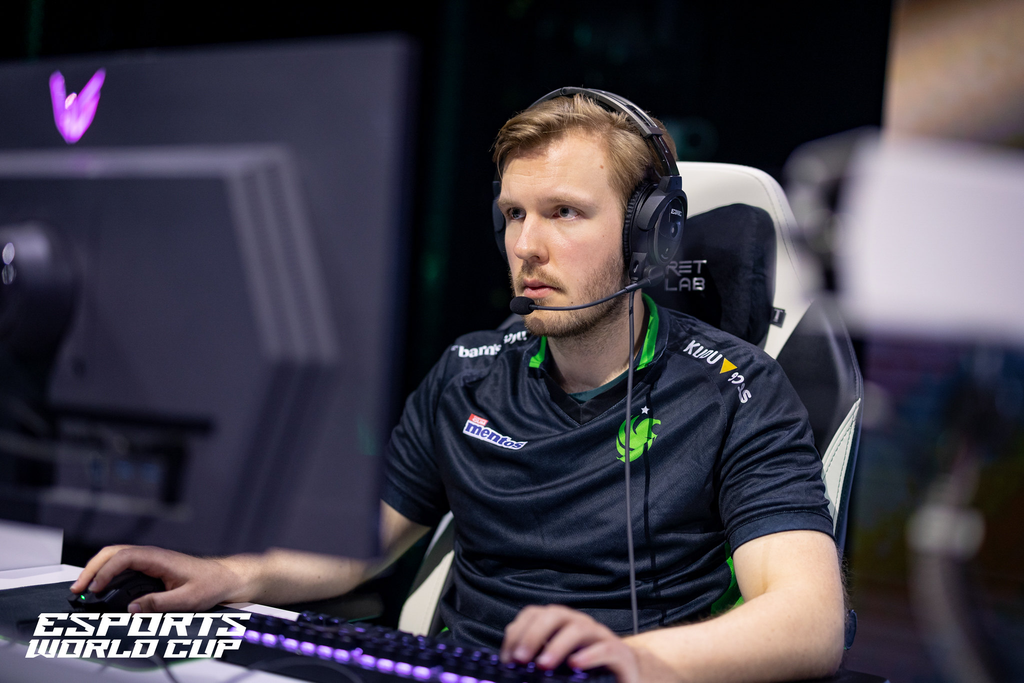
The reasons for delays can vary — from international transfers and paperwork to a lack of funds. But for a player who has fulfilled every requirement of a tournament, none of this can replace the compensation they have earned. For a smaller club, such payments can determine whether it can pay salaries or travel to the next championship.
Why can a participant be punished for being late to a match while the deadlines for paying them sometimes remain unclear? If the industry demands professionalism from players, it must demonstrate the same professionalism in its financial obligations: prize pools secured in advance, clear payment deadlines, and a transparent mechanism for resolving disputes.
Behind Every Closure Are People
When a club disappears or a competitive division shuts down, the discussion usually focuses on brands and investors. But the consequences are felt by players, coaches, analysts, psychologists, managers, and young talents. For a teenager who spends years training for a professional contract, it is important to see not only a beautiful stage but also a clear career path.
For an experienced player, the closure of a roster may mean searching for a new team. For a newcomer, it may raise doubts about whether esports is worth building a future around. Delayed prize payments only deepen this lack of trust.
Not the End of Esports, but a Test of Its Model
Players will not stop playing, and viewers will not stop watching tournaments. But the era when a famous logo, victories, and promises of growth were enough to build a sustainable business appears to be coming to an end. Clubs need realistic budgets, diversified revenue streams, regional communities, academies, and long-term investment in young players.
Esports cannot simultaneously demand discipline from players, financial sustainability from clubs, and trust from investors if the system itself does not always ensure that basic obligations are fulfilled.
Today, the main question is no longer just who will win the next championship. The question is who will still be able to compete in it five years from now — and whether the winner will actually receive the money they earned.
As a reminder: Unmotivated Generation: Why Gen Z in esports is getting harder to motivate.