


November 17, 2009, Left 4 Dead 2 was released on PC and Xbox 360 — a cooperative shooter from Valve that continued the ideas of the first installment and turned fighting the infected into one of the most famous team-based formulas in video game history. The game offered four players the chance to progress together through five large campaigns across cities, swamps, and cemeteries in the American South — from Savannah to New Orleans.
A Sequel That Arrived Too Quickly
The first Left 4 Dead was released in November 2008 and became one of Valve's biggest cooperative hits. By June 2009, the company reported more than 2.5 million retail copies of the game sold. It was then that Valve unexpectedly announced a sequel that was scheduled to release just one year after the original.
For Valve, such a quick full-fledged sequel was unusual. The team began working on Left 4 Dead 2 almost immediately after finishing the first game. According to project lead Tom Leonard, the developers reunited in early November 2008 and began looking for ways to expand the existing formula: new characters, locations, gameplay elements, and a different period of the infection's history.
As a result, Valve decided not to limit itself to a set of updates for the first game, but to create a separate large-scale project.
New Survivors and a New Part of the United States
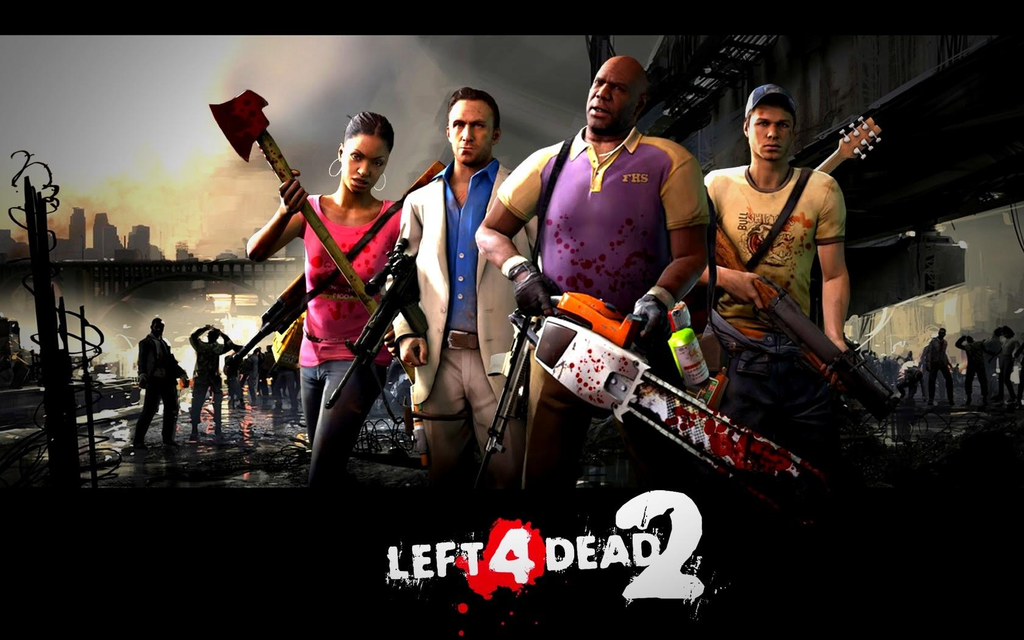
Left 4 Dead 2 moved the story to the southern United States and introduced four new survivors: Coach, Nick, Ellis, and Rochelle. They had to make their way through infected cities, rural areas, swamps, and other dangerous locations.

Unlike traditional story-driven shooters, the game was not built around a complex cinematic narrative. Its main element was the interaction between four characters who had to move together, help each other, and react to the situation around them.
Teamwork remained at the core of Left 4 Dead 2. One player could find themselves in a dangerous situation, while the rest of the team had to quickly decide whether to go back for them or continue moving forward.
AI Director 2.0
One of the series' main technological features was the AI Director — a system that changed the gameplay depending on the players' actions.
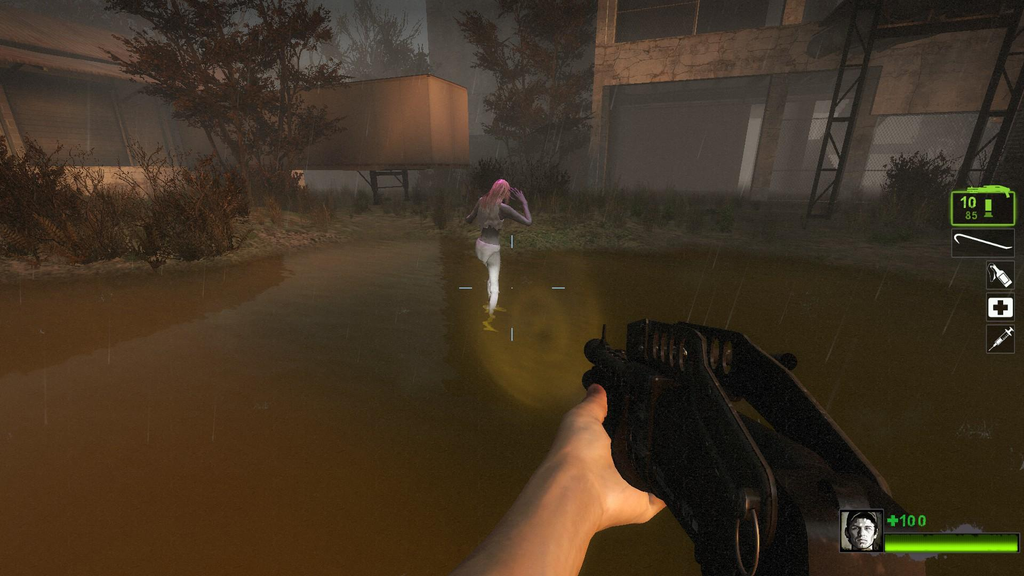
In Left 4 Dead 2, Valve significantly expanded this technology. AI Director 2.0 could not only change the number and types of enemies, but also procedurally affect weather, world objects, and pathways. The system analyzed the team's behavior and adjusted the difficulty level to match the situation.
Because of this, even replaying the same campaign could differ from the previous attempt. Players did not simply memorize enemy locations — they had to constantly react to what was happening around them.
This approach became one of the reasons why Left 4 Dead 2 remained interesting even after dozens or hundreds of hours.
More Options for Co-op
Valve did not simply transfer the mechanics of the first game into a new campaign. Left 4 Dead 2 received significantly more content right from launch.
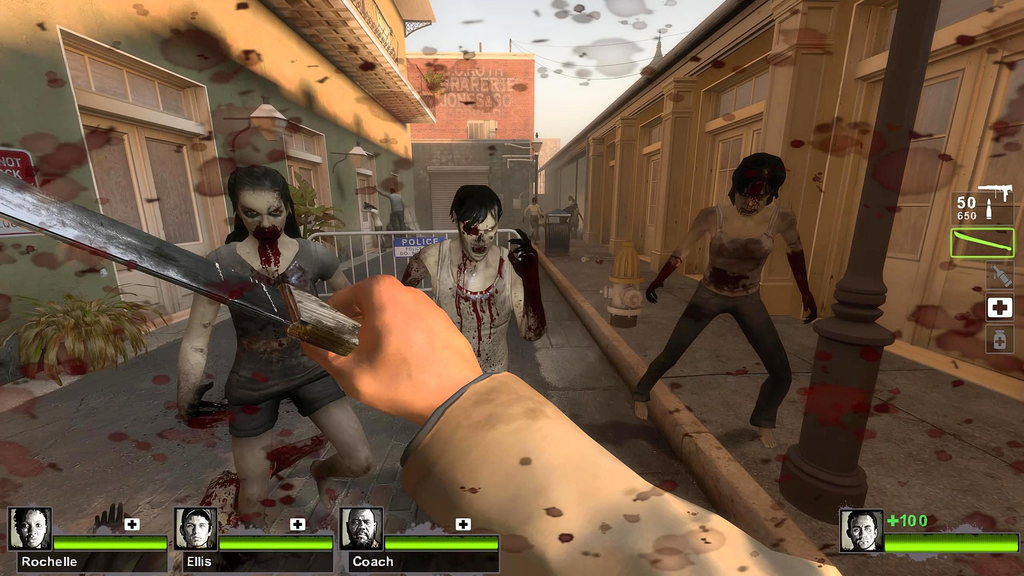
The game introduced new types of infected, characters, items, and more than 20 new weapons and pieces of equipment. A separate new feature was the variety of melee items, which made encounters more diverse.
Valve also expanded the multiplayer. In addition to cooperative gameplay, Left 4 Dead 2 featured Versus, Survival, and the new Scavenge mode, where teams competed against each other.
All of this made the game not simply a sequel to the original, but a much larger version of the same concept.
Boycott Before Release
Even before its release, Left 4 Dead 2 found itself at the center of an unusual conflict with some fans.
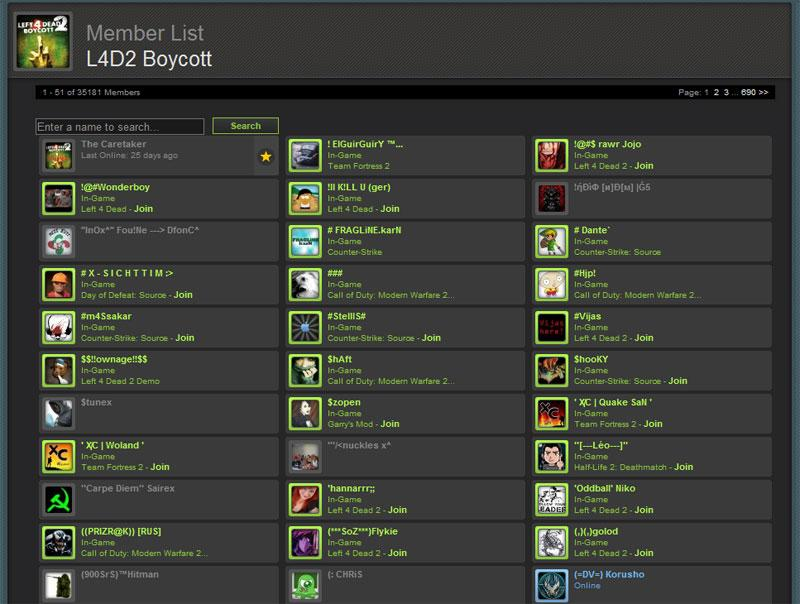
Players were unhappy that Valve was releasing a sequel only one year after the first game. Some members of the community believed that instead of releasing a new full-fledged project, the company should have continued supporting the original with updates and additional content.
A group called L4D2 Boycott even appeared online, with members calling for a boycott of the game. The situation became significant enough that Valve publicly explained its decision to release the sequel and continued showcasing new content.
Ultimately, the conflict did not prevent the game from becoming a success.
Release and Reception
Left 4 Dead 2 was released on November 17, 2009, for PC and Xbox 360. Valve described it as one of its major releases of 2009 and focused on a significantly larger scale compared with the first game.
The game received mostly positive reviews from critics. On Metacritic, its average score is 89 out of 100, while the Steam community continues to rate the game extremely highly.
Valve also reported that pre-orders for Left 4 Dead 2 were the most successful in the company's history at the time.
A Game That Outlived Its Generation
Left 4 Dead 2 became one of the examples of how a well-designed cooperative mechanic can give a game an exceptionally long lifespan.
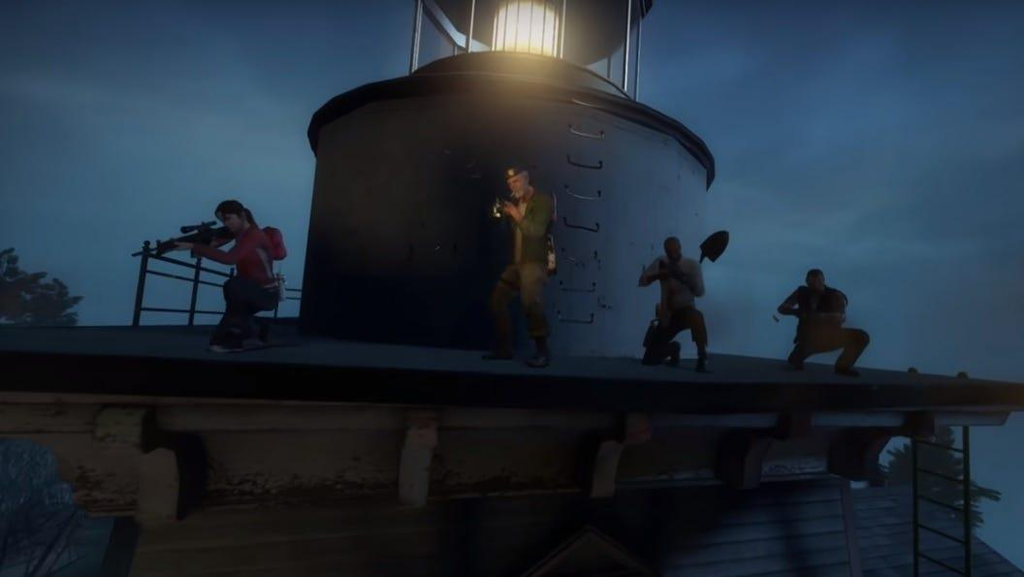
Valve continued to support the project, while the community created its own maps, campaigns, and other content. Mods and the ability to constantly play together with friends helped Left 4 Dead 2 remain relevant even after the Xbox 360 and PlayStation 3 generation had ended.
The game also influenced the further development of cooperative projects. Its formula — four players, cooperative progression, changing conditions, and the constant need to help one another — became one of the most recognizable templates for cooperative games.
Left 4 Dead 2 did not become a revolution solely because of its zombie theme. Its main strength was elsewhere: Valve turned ordinary level progression into an unpredictable team story, where every new game could create completely different situations. That is why, years after its release, Left 4 Dead 2 remains one of the most famous cooperative shooters in history.
As a reminder, Castlevania: Portrait of Ruin — the story of the game that turned Dracula’s castle into an entire world.