


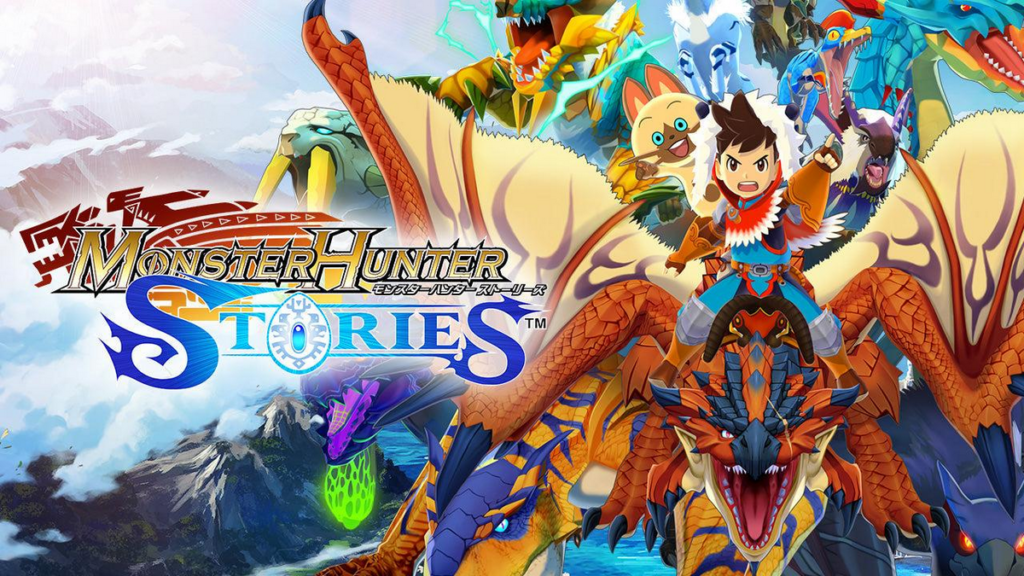
On October 8, 2016, Monster Hunter Stories—the first game in the eponymous spin-off of Capcom's popular series—was released in Japan on the Nintendo 3DS. Unlike the main Monster Hunter installments, where players hunted massive monsters themselves, the new game offered a completely different perspective on the familiar world.
And today, on October 8, 2026, Monster Hunter Stories celebrates its 10th anniversary. During this time, the sub-series has evolved into a full-fledged RPG lineup with three mainline games.
Monster Hunter, But Completely Different
Monster Hunter Stories was created as an RPG meant to show the series' world from an unusual angle. The main protagonist was not a typical Hunter, but a Rider—a person who can form bonds with monsters, raise them, and fight alongside them.
This very idea became the game's main distinction. Instead of tracking down a beast, defeating it, and crafting new gear from the obtained materials, the player could find an egg, hatch a monster from it, and make it a part of their team.
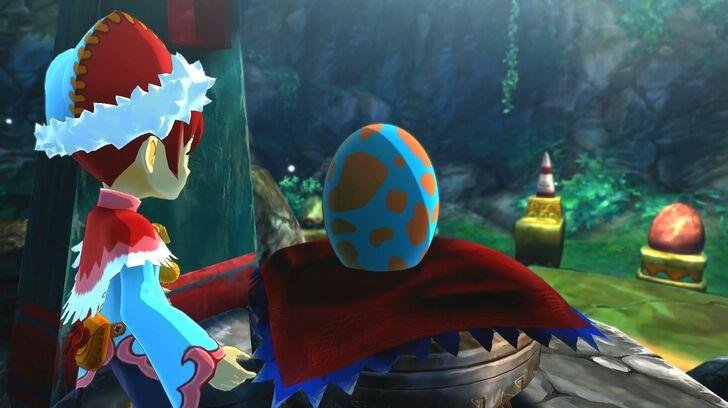
As a result, familiar creatures from Monster Hunter took on a completely different role. Rathalos, Tigrex, Nargacuga, and dozens of other monsters became not just enemies, but allies that could be developed and used in battles.
Turn-Based Battles Instead of Hunting
Another major change was the combat system. Monster Hunter Stories abandoned the real-time action traditional for the series and shifted to turn-based battles.
The player had to analyze the opponent, choose the appropriate attacks, and correctly utilize the abilities of their monsters. An important role was played by the attack type system, which forced players to think not only about character strength but also about the right tactics.
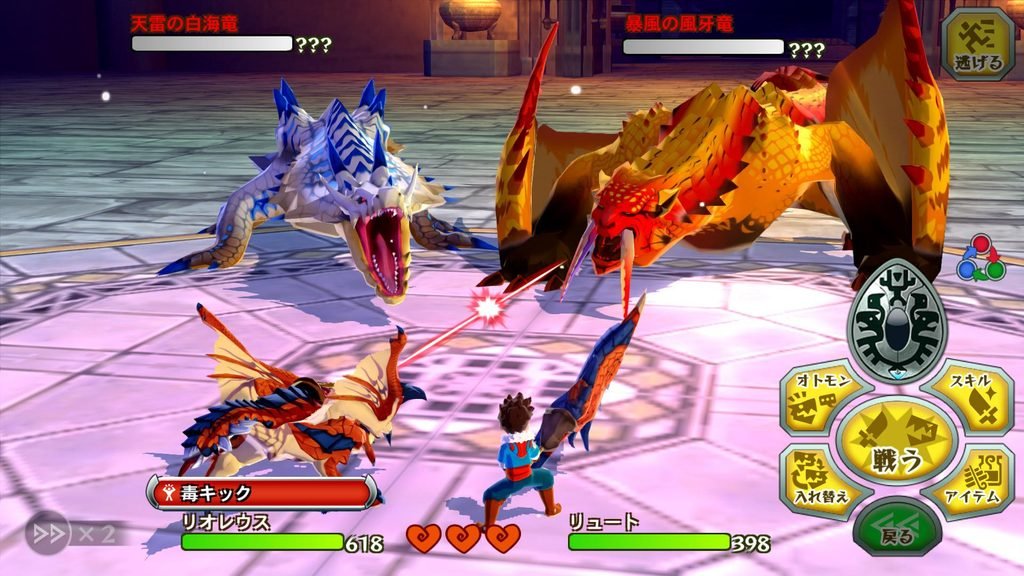
Thus, Stories took the familiar monsters, weapons, and world of the main series, but turned them into the foundation of a classic Japanese RPG.
A World Where Monsters Became Friends
The plot of the first Monster Hunter Stories told the tale of a young Rider who leaves their home village and sets off into the wider world. Together with their Rathalos, the hero gradually uncovers the truth about an ancient legend and the threat looming over the world.
A crucial part of the game was precisely the bonding system between human and monster. The player didn't just get a new fighter—they could raise it, alter its abilities, and gradually build their own team.
This allowed Monster Hunter Stories to remain part of a familiar universe while simultaneously carving out its own identity.
From Nintendo 3DS to a Major Series
At the time of its release in Japan, the game was only available on the Nintendo 3DS. It came out on October 8, 2016, and immediately became a notable RPG spin-off for the series.
Eventually, Monster Hunter Stories received a Western release in 2017, and the game was later ported to mobile platforms. In 2024, the original RPG also received a modern version for the Nintendo Switch, PlayStation 4, and PC.
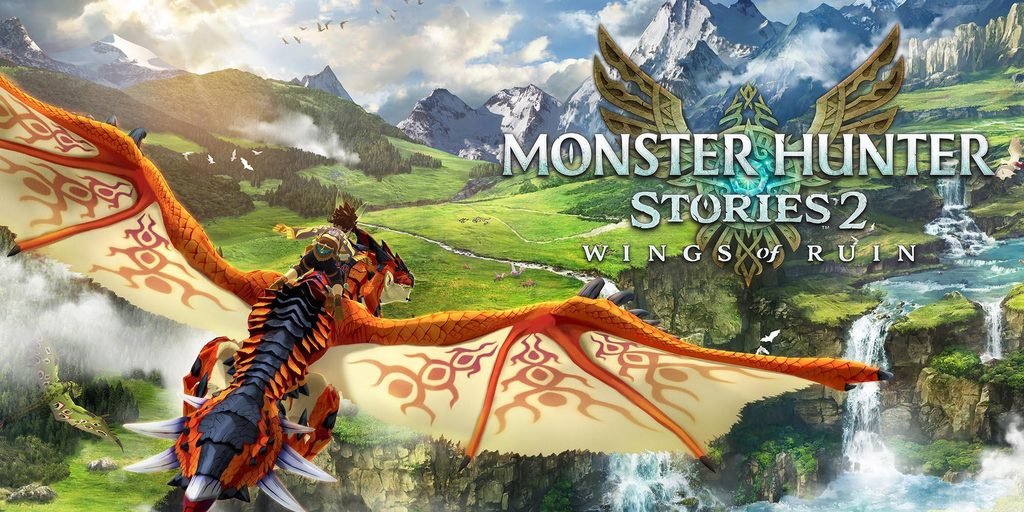
In 2021, a sequel was released—Monster Hunter Stories 2: Wings of Ruin, which expanded on the idea of the first game and continued the story of Riders and monsters.
And in 2026, the series already boasts three RPGs. The third installment became Monster Hunter Stories 3: Twisted Reflection, which carried on the concept of turn-based battles, bonds with monsters, and a grand story-driven adventure.
Ten Years of a Separate History
Over ten years, Monster Hunter Stories has evolved from an experimental spin-off on the Nintendo 3DS into a standalone RPG series.
And most importantly, Capcom didn't just try to port the main Monster Hunter into a turn-based format. Stories offered a different fantasy: not to be a Hunter who hunts monsters, but to become a Rider who lives alongside them, forms bonds with them, and sets off on adventures together.
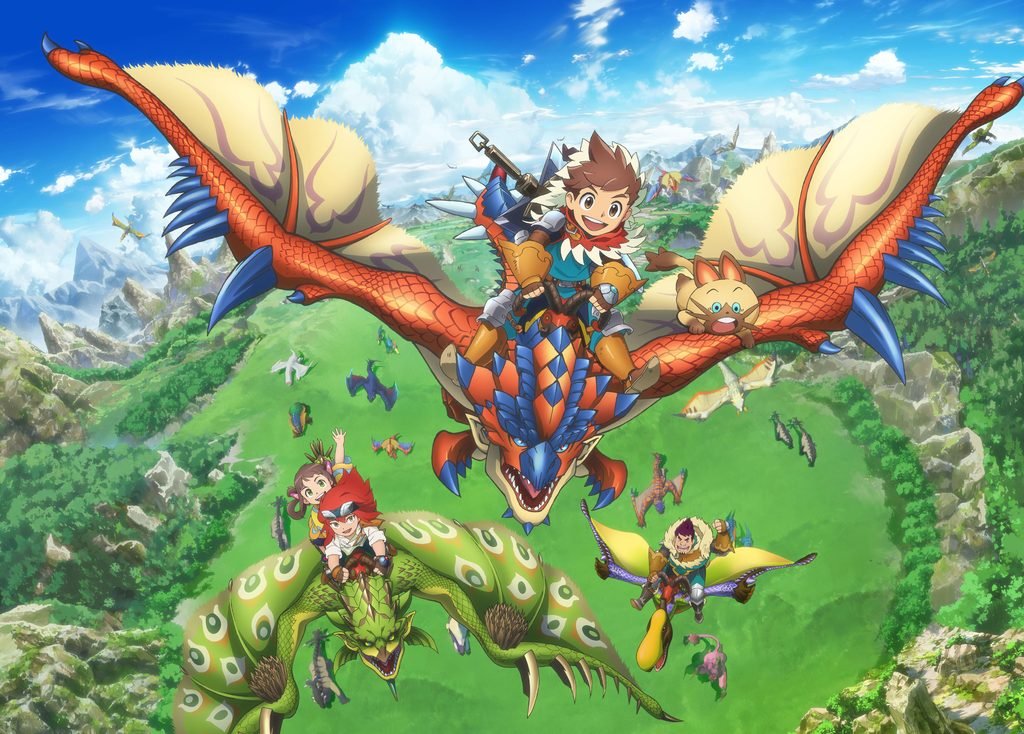
It is this very idea that allowed the sub-series to survive for a decade and receive a third mainline game.
On October 8, 2026, Monster Hunter Stories turns 10 years old. The story that began on the small screen of the Nintendo 3DS has today become a distinct part of the greater Monster Hunter universe.
As a reminder, Counter-Strike: Source — How Valve Moved the Legendary Shooter to a New Engine