


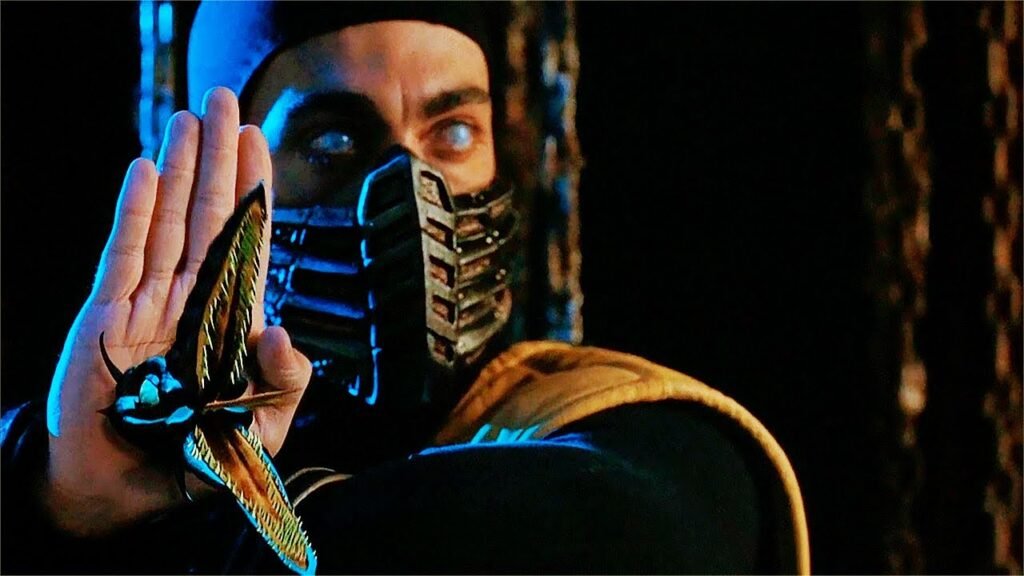
On August 18, 1995, Mortal Kombat, a film based on the Midway fighting game series of the same name, was released in American theaters. Today, video game adaptations have become a common occurrence, but 30 years ago, Hollywood was only beginning to understand how to bring games to the big screen. Mortal Kombat became one of the first truly successful examples of such a transition.
The first Mortal Kombat was released in 1992 and quickly became one of the most popular arcade fighting games. Recognizable characters, a fantastic world, and a distinctive combat system made the series a hit. Already in 1993, Mortal Kombat II was released, and the franchise itself became known far beyond the arcades.
It was the popularity of the games that attracted Hollywood's attention. Producer Lawrence Kasanoff saw Mortal Kombat at Midway's office and convinced the company that the game could be turned into not just a movie, but a major multimedia franchise. Initially, Midway was skeptical of the idea, but ultimately Kasanoff secured the adaptation rights.
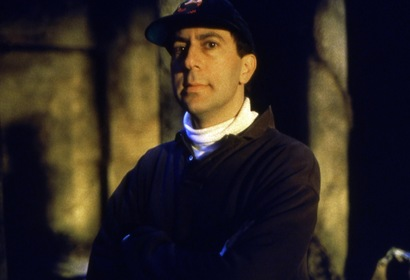
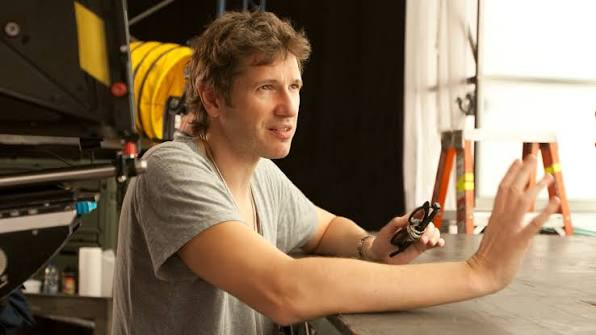
Paul W. S. Anderson, who was just starting his career at the time, became the director. He decided not to attempt a literal transfer of the game to the screen, but rather to build a full-fledged action-adventure film around its characters and mythology.
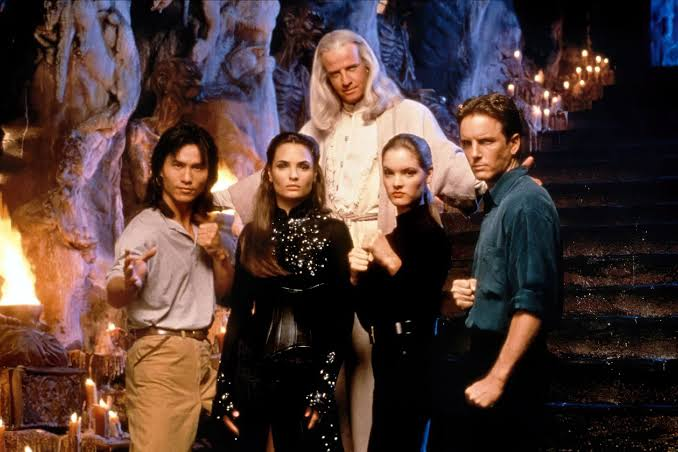
At the center of the story were Liu Kang, Johnny Cage, and Sonya Blade, who participate in a tournament for the fate of Earth. Among the characters who also appeared were Raiden, Scorpion, Sub-Zero, Kitana, Goro, and Shang Tsung. The plot mostly relied on the first game, while also incorporating certain elements from Mortal Kombat II.
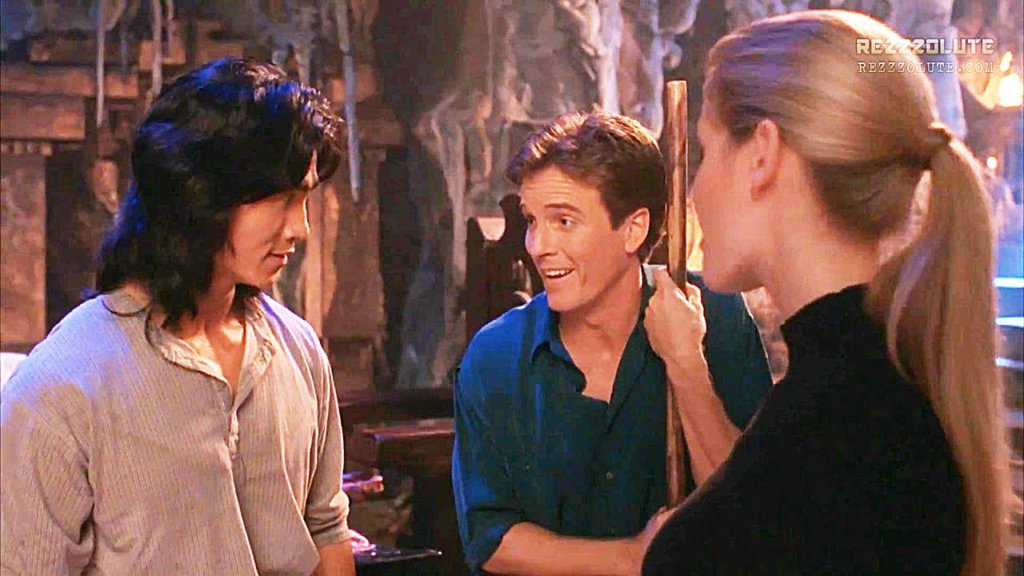
One of the main challenges was the difference between the game and cinema. Mortal Kombat was known for its violence, but the film received a PG-13 rating, so the creators had to significantly tone down the violence. Fans noticed this immediately: the movie lacked practically the amount of blood and violent scenes associated with the game.
Instead, the creators bet on what audiences definitely wanted to see: fights and familiar characters. After test screenings, new fight scenes were even added to the film, as they received the best response from the audience.
On August 18, 1995, Mortal Kombat was released wide in theaters. The result turned out to be much better than expected. In its opening weekend, the film earned $23.3 million in the US and immediately topped the box office. Total worldwide box office grossed approximately $122.2 million on a $20 million budget. The movie remained the leader at the American box office for three weeks.
For a video game adaptation, this was a massive result. At that time, Mortal Kombat became the highest-grossing video game adaptation in history.
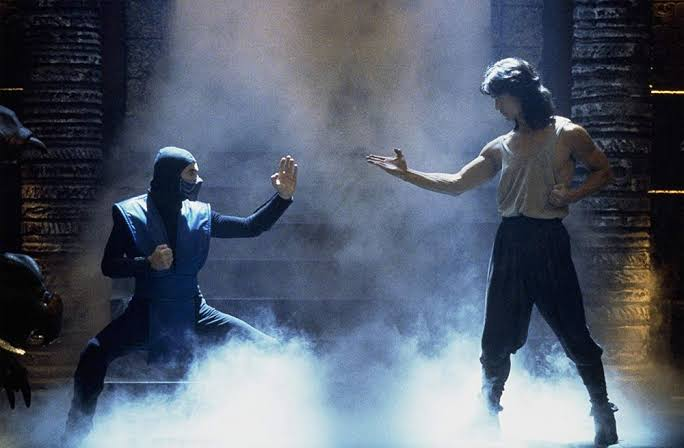
Critics received the film much more coolly. Today, Mortal Kombat holds a 44% score from critics and 58% from audiences on Rotten Tomatoes. Reviewers most often criticized the screenplay, dialogue, and acting, but positively evaluated the atmosphere, fight choreography, and visual style.
The audience, on the other hand, received the film much better. It earned an A− grade on CinemaScore.
This explains its success well: Mortal Kombat did not try to be complex auteur cinema. It gave fans exactly what they loved about the game — the tournament, the characters, the fantasy, and spectacular fights.
The soundtrack became a separate phenomenon. Electronic music and the track "Techno Syndrome" became an integral part of the identity of the film and the entire franchise.
The success of the first installment naturally led to a sequel. In 1997, Mortal Kombat: Annihilation was released, but it failed to replicate the original's success. The film received overwhelmingly negative reviews and grossed around $51 million worldwide compared to over $122 million for the first part.
After that, the movie franchise vanished from big screens for a long time. However, the game itself continued to evolve. The film's impact turned out to be more important than its review scores.
For the film industry, Mortal Kombat served as proof that a popular video game could be turned into a profitable Hollywood blockbuster. The movie earned over $122 million and became one of the genre's first major commercial successes.
Following this, studio interest in game adaptations only grew. For the gaming industry, it meant even more: Mortal Kombat demonstrated that a successful game could exist simultaneously across multiple media. After the film, the franchise continued to expand through new games, TV series, comic books, and other projects.
In 2021, the series returned to the big screen once again with a new Mortal Kombat, and in 2026, Mortal Kombat II was released.
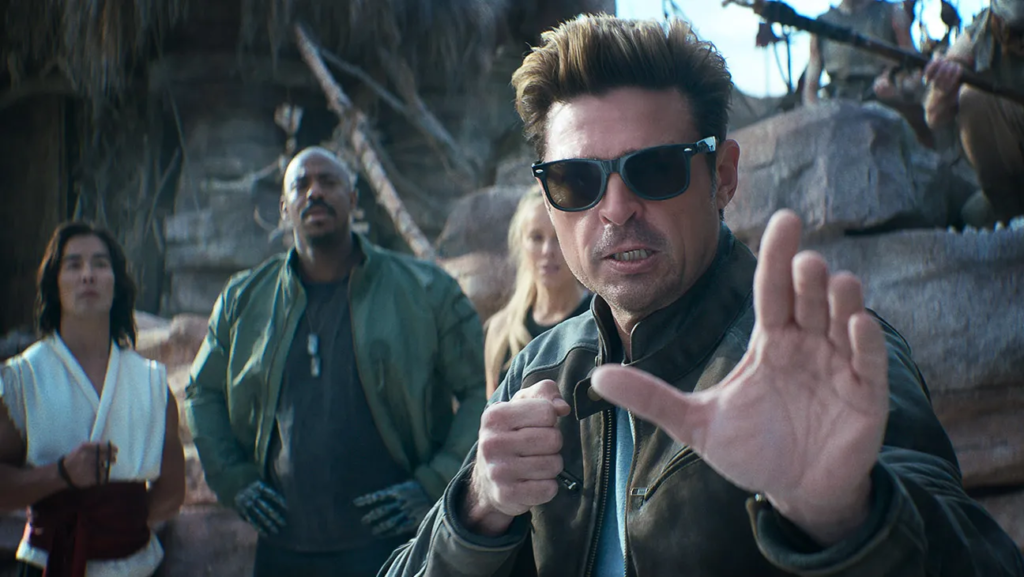
The 1995 Mortal Kombat did not become a critical darling, but that did not stop it from leaving a noticeable mark on history.
For Hollywood, it proved that video games could serve as the foundation for successful movie franchises. For the gaming industry, it showed that a popular game could transform into a major multimedia brand.
And 30 years later, the film's main achievement remains unchanged: it was among the first to show that the name of a video game on a movie poster could, on its own, bring millions of people into theaters.
As a reminder, August 17, 2014: How NiP Won Their Only CS:GO Major.