


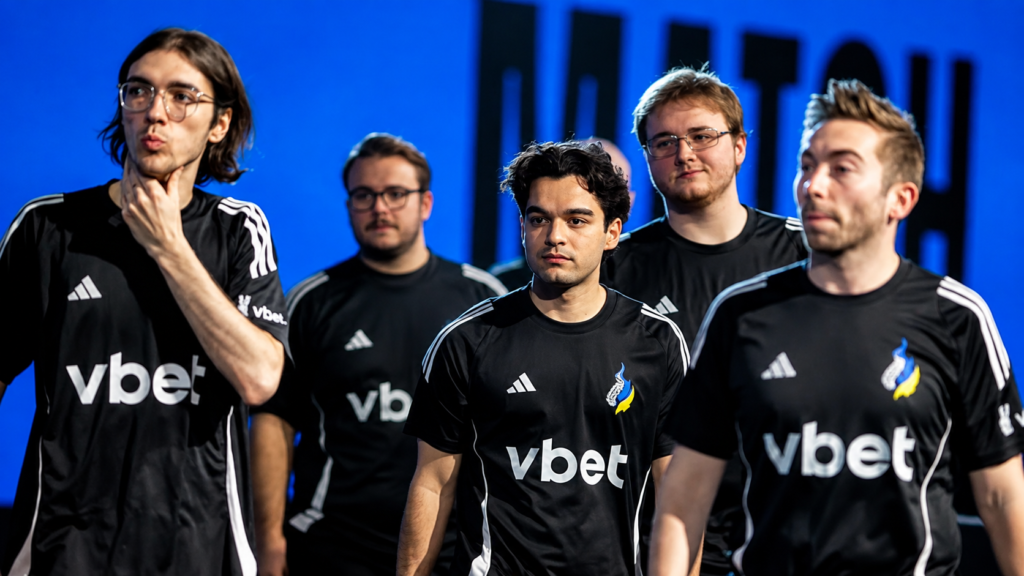
Just a year ago, Passion UA was building an international roster around the Complexity core and claiming the status of one of the main Ukrainian representatives in world CS. Now the organization has dismissed all its staff, disbanded the roster, and, according to HLTV, may be liquidated. Former players and employees could be owed between $500,000 and $600,000.
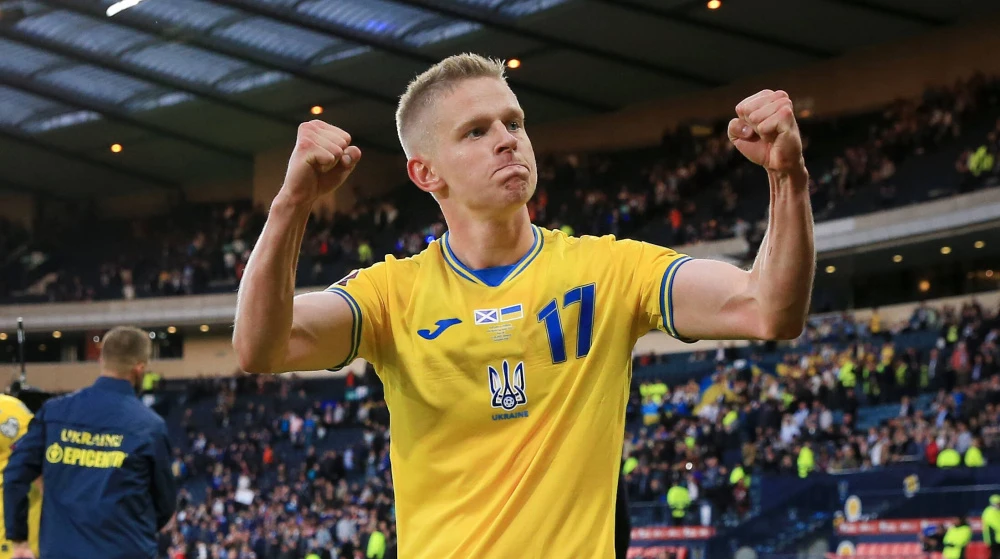
The story of Passion UA began as an ambitious Ukrainian esports project with grand plans. An important part of the brand was Oleksandr Zinchenko, whose name helped attract the attention of the audience, partners, and the players themselves.
However, after rapid expansion, the organization faced problems that ultimately went far beyond sports results.
According to HLTV, today Passion UA is actually on the verge of extinction.
One of the key moments occurred in August 2025.
Passion UA signed four Complexity players at once — JT, hallzerk, Grim, and nicx. Together with them, coach T.c joined the organization, and Munstur became his assistant. Kvem returned to the starting lineup.
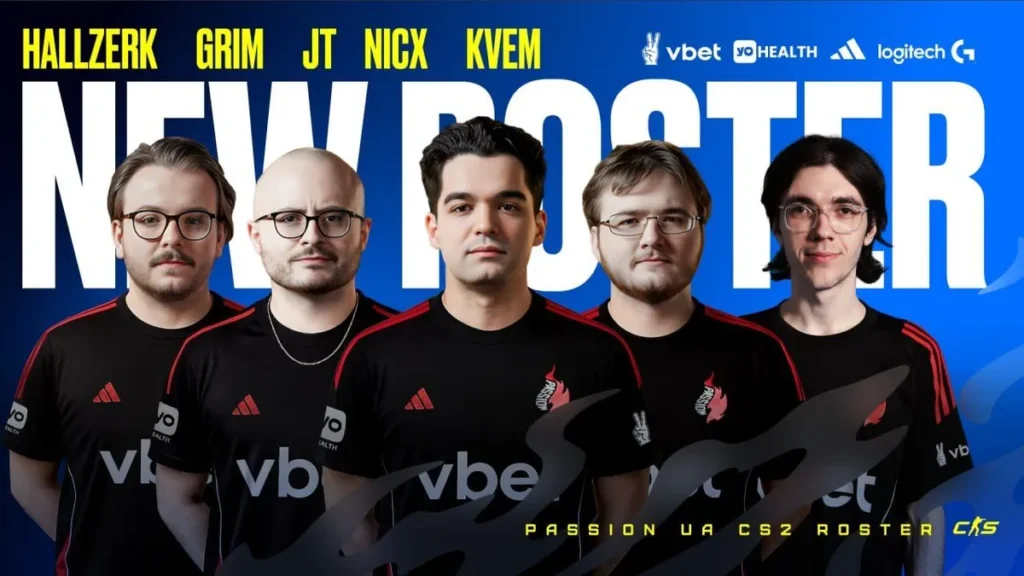
For Passion UA, this was a serious step up. Prior to this, the organization mainly developed Ukrainian players and even managed to break into the Shanghai Major with an all-Ukrainian roster.
But an international project required significantly higher expenses.
It was necessary not only to pay higher salaries, but also to pay Complexity a significant sum for the transfer of the team's core. According to an HLTV source, the idea itself could have been profitable — if the organization had managed it properly.
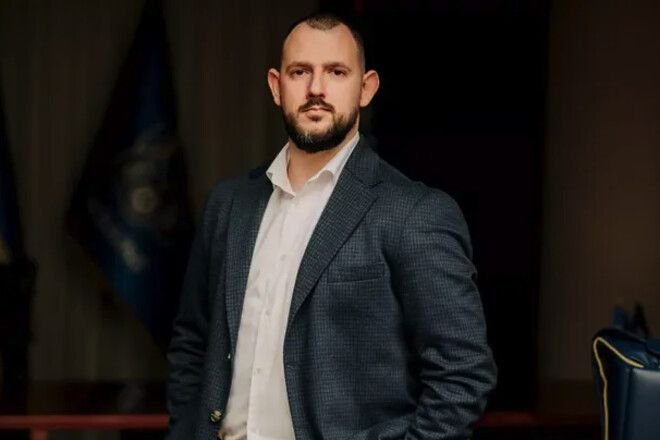
The problem was that Passion UA remained a relatively small structure, and CEO Artemijs Rjabovs actually controlled a huge number of processes, including finances.
Initially, according to HLTV sources, salaries were paid more or less stably. Later, the situation began to change.
Players faced delays in prize money and increasingly noticed issues with trip organization.
Hotels could be booked at the last minute, flight tickets bought shortly before departure, and hotel check-out times sometimes fell right on the day the tournament concluded.
Against this backdrop, questions accumulated within the team: when would salaries, prize money, and promised bonuses be paid?
And the biggest problem was related to the Budapest Major.
Passion UA managed to qualify for Stage 2 of the Budapest Major. As a team of this caliber, the organization received approximately $618,000 from the tournament's digital items.
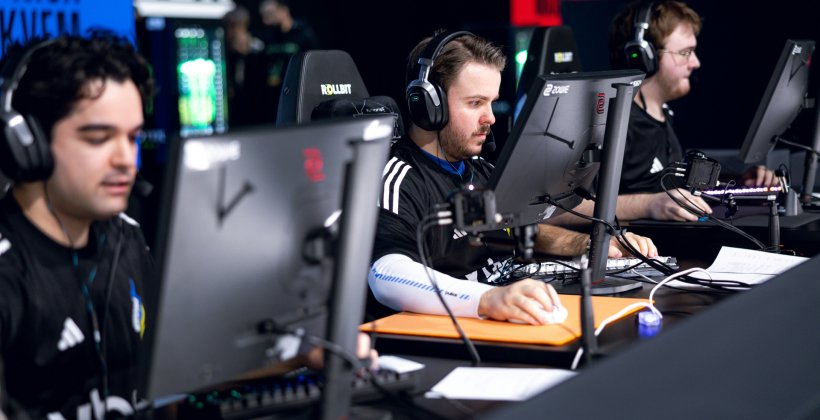
However, the players never received their rightful share of team payouts.
According to two HLTV sources, Rjabovs explained the delay by the need to open a new bank account in Dubai. The plan involved moving part of Passion UA's operations there.
The problem dragged on.
Players began actively demanding their money as early as the beginning of the year. Initially, they set the issue aside after learning that other teams were also experiencing delays. But over time, it became clear that Passion UA's situation was far more severe.
According to HLTV sources, these payouts for the Budapest Major make up a significant portion of the organization's total debt.
Meanwhile, the publication reached out to Valve for comment, but the company did not respond to requests.
There is also a detail in this story far more expensive than a regular bonus.
Before the Budapest Major, Rjabovs promised the five players, coach T.c, and his assistant Munstur a Rolex each if the team reached Stage 2.
The condition was met. What's more, Passion UA advanced to Stage 3, where they lost to FaZe. But after the tournament, as HLTV reports, the topic of watches effectively vanished. Rjabovs never returned to this promise.
Grim became a symptom of a larger problem.
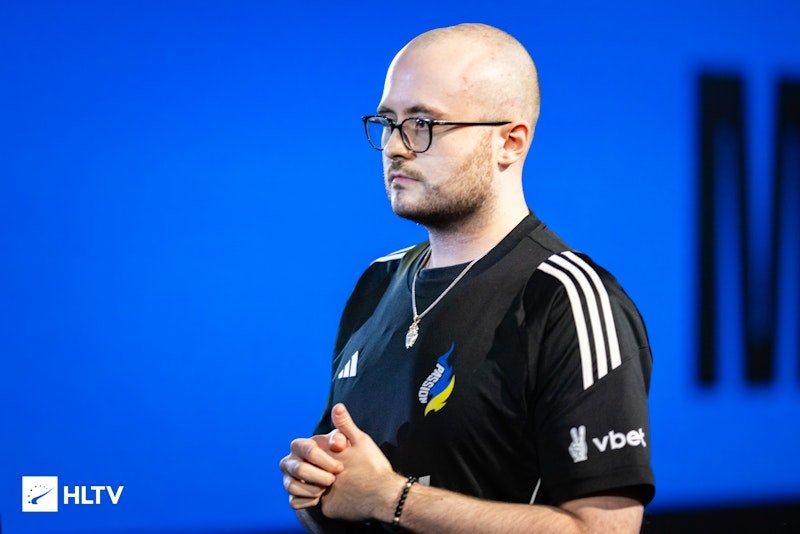
Financial difficulties manifested not only in salaries.
When Passion UA decided to sell Grim to NRG, Complexity intervened.
The reason was simple: the Ukrainian organization had not yet paid Complexity the full amount for the transfer of its former core.
Complexity was ready to block the transfer. Ultimately, Passion UA paid part of the debt, and NRG sent the remaining amount directly to Complexity, deducting it from the money it was supposed to pay Passion UA for Grim.
Thus, the transfer of one of the players actually had to be used to settle an old debt.
After this, Passion UA attempted to change the roster. The team was joined by try from Imperial and Senzu on loan from The MongolZ. At the same time, Grim and hallzerk left the roster.
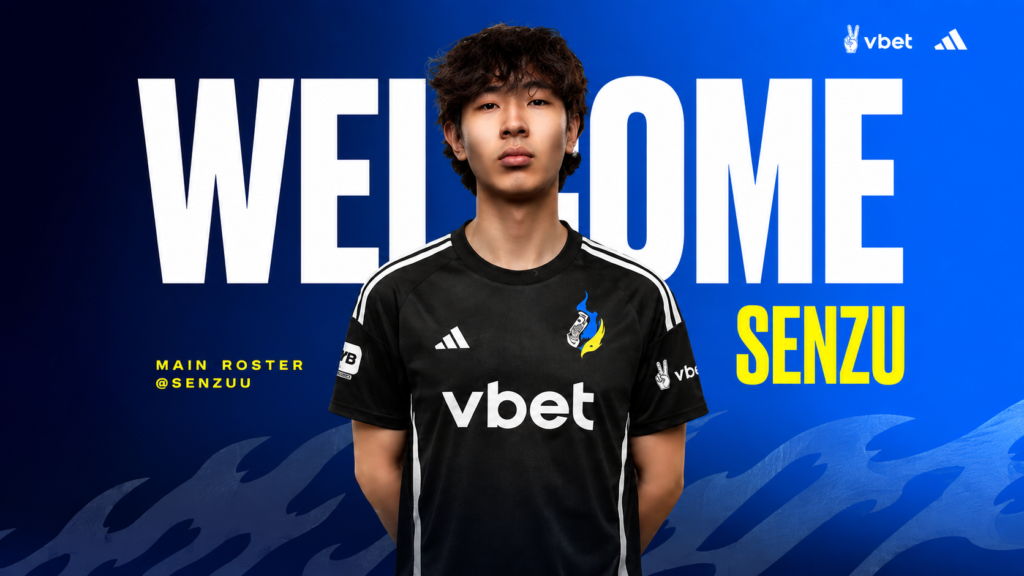
The changes turned out to be difficult: the new players had a different playstyle, and Senzu had virtually no experience communicating in English.
The team didn't have time to fully adapt, and results remained unstable.
Later, Senzu left Passion UA, and the organization continued searching for ways to save the project.
But financial problems had already become systemic.
According to HLTV, it was initially planned to sell the most valuable players — in particular JT and try — disband the roster, and essentially start from scratch.
However, during this process, the true scale of the financial problem within the organization was revealed.
As a result, all Passion UA staff were dismissed.
In parallel, Imperial canceled the agreement regarding try's transfer, stating that Passion UA failed to meet the terms of the deal. The player himself, according to HLTV, was also left owed part of his salary.
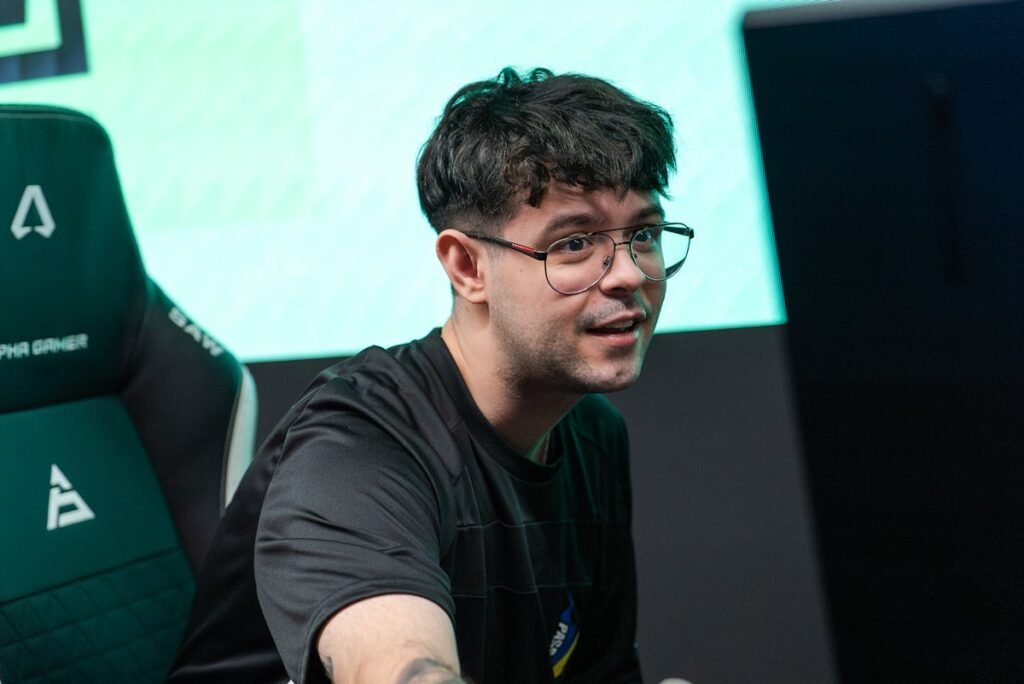
After this, the prospects of preserving the organization became even more elusive.
The most controversial part of the story is Oleksandr Zinchenko's role.
On June 23, 2026, the footballer announced the termination of his cooperation with Passion UA. In his statement, he referred to himself as a media partner who helped develop the brand, engage the audience, and create opportunities for Ukrainian esports.
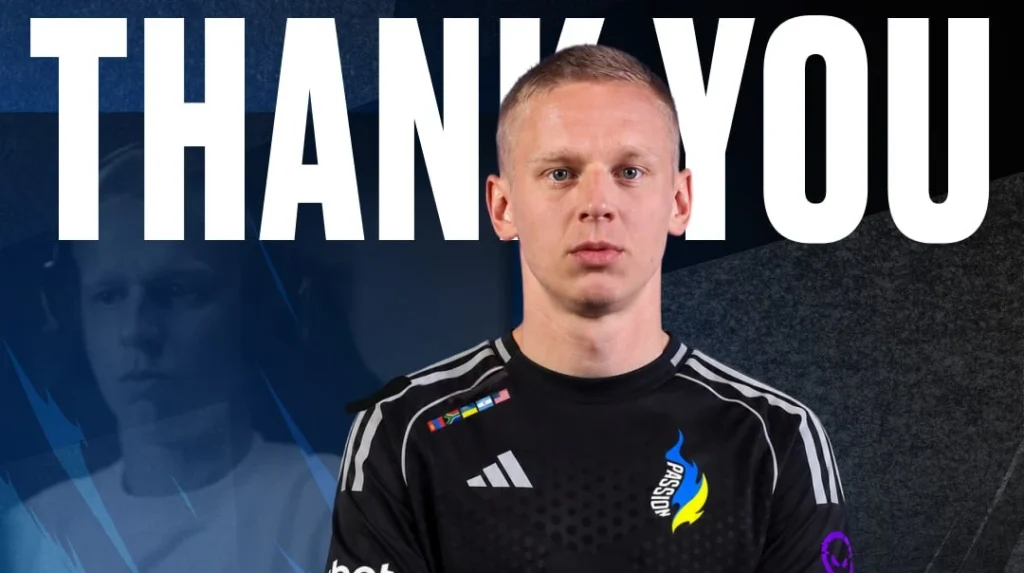
According to Zinchenko, he did not control Passion UA's finances, received no money from the organization, and made no financial investments. He describes his contribution as image rights and public support for the project.
However, this is precisely where the most questions arise.
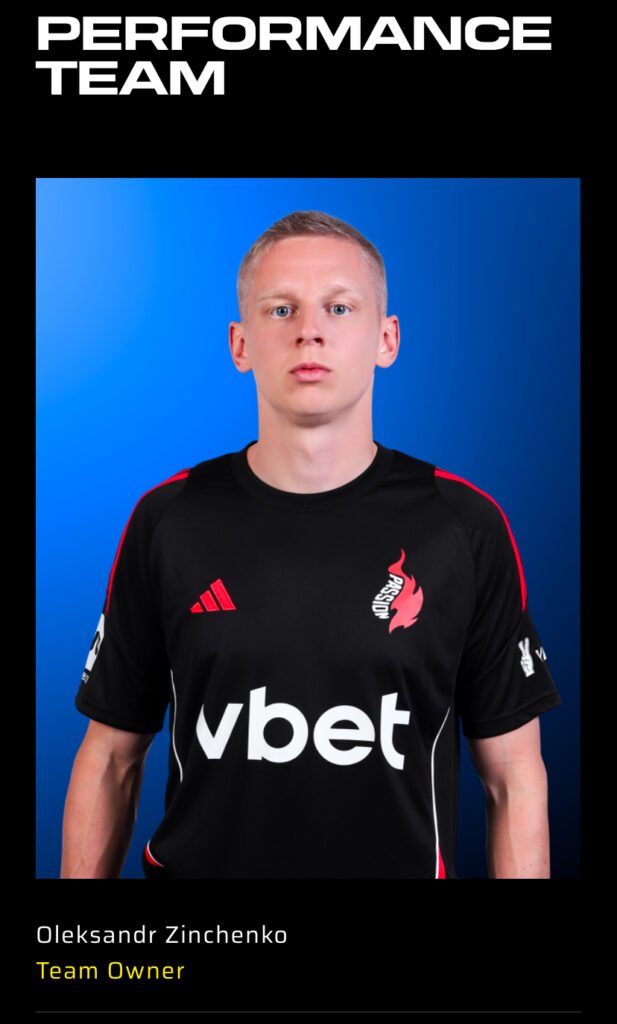
In 2023, Zinchenko publicly spoke about Passion UA as an organization he created and invested in. He also emphasized that he was ready to be available to players 24/7. On the team's website, he is also listed as the organization's owner.

Later, CEO Rjabovs himself spoke about Zinchenko's direct involvement in key decisions.
According to him, it was Zinchenko who called try, convincing him to move to Passion UA, and during Senzu's transfer, the decision was made jointly by management and the footballer.
Rjabovs even described the process in the simplest terms: to make an important decision, a single call to Zinchenko was sometimes enough.
Therefore, an obvious contradiction arises today: formally, Zinchenko calls himself merely a media partner, but Passion UA's public history shows a significantly deeper level of involvement.
HLTV also drew attention to documents from the UK registry Companies House.
They indicate that Zinchenko lost a significant portion of control over the company back on May 10, 2025, and Rjabovs subsequently owned at least 75% of its share.
However, the corresponding changes were submitted to the registry only on May 18, 2026 — roughly a year after the specified date.
Zinchenko himself told HLTV that legally he was never the owner of the organization, and the entries in the documents are erroneous. According to him, he is working on correcting them.
At the same time, he noted that he cannot comment on specific issues regarding his connections with Rjabovs, as they may be the subject of a legal and potentially criminal investigation.
The most shocking figure in the whole story is between $500,000 and $600,000.
That is how much, according to two HLTV sources, Passion UA may owe its former roster and staff.
The main portion is unpaid team money from the Budapest Major.
For an organization that just a few years ago was only building its structure, this is effectively a critical debt.
Meanwhile, CEO Artemijs Rjabovs, after agreeing to speak with HLTV, stopped responding to the publication's requests.
What is left of Passion UA?
Today the picture looks radically different than it did a year ago.
- Roster disbanded.
- Staff dismissed.
- Transfers falling through.
- Large debts remain owed to former players and employees.
- Organization silent on social media.
Several HLTV sources expect that Passion UA may be liquidated. One of the publication's interlocutors doesn't believe at all that the team will ever receive all the money owed to them.
And this is perhaps the saddest part of the whole story.
Passion UA was supposed to be an example of how a Ukrainian brand could build a world-class competitive esports organization. Zinchenko gave the project recognition, the Ukrainian roster made it to the Major, and then the organization made an expensive leap to the international stage.
But scaling proved faster than the capacity of the structure itself.
As a result, an ambitious project that was meant to represent Ukraine on the global CS scene now finds itself facing the question of survival.
And the main question is no longer even whether Passion UA will return to professional Counter-Strike.
The question is whether the people who until recently were part of its team will get their money.
The material was prepared based on an HLTV investigation and comments provided to the publication by its sources and Oleksandr Zinchenko. The mentioned financial claims and circumstances are presented as information provided by HLTV; some parties to the conflict did not provide comments to the publication.
As a reminder, Update 2.0 for S.T.A.L.K.E.R. 2: Heart of Chornobyl will become available on August 20.