


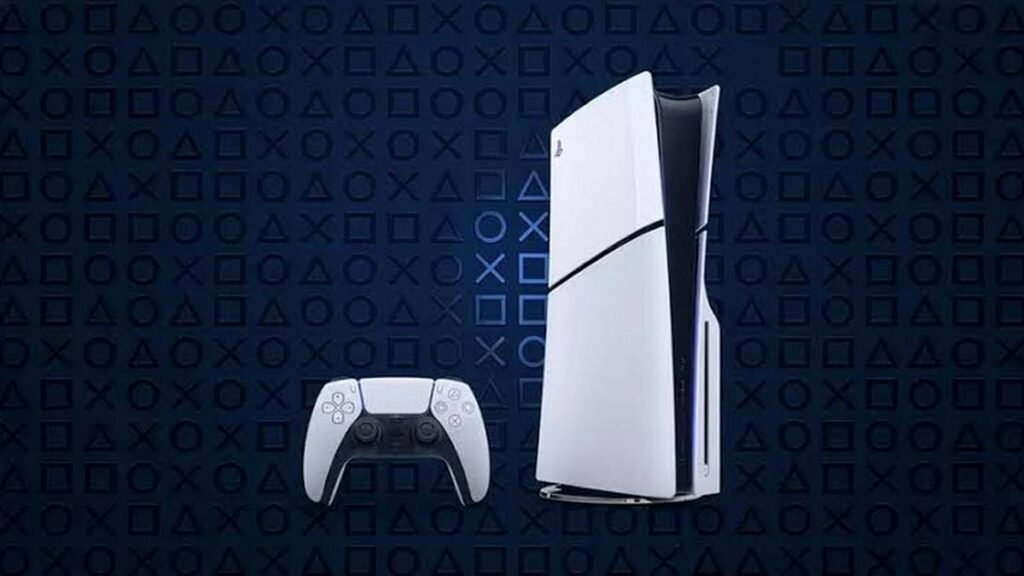
On November 12, 2020, sales of the PlayStation 5 — the new-generation console from Sony Interactive Entertainment, which replaced the PlayStation 4 — began in North America and Japan. Alongside it, players gained access to the new capabilities of the fast SSD, the DualSense controller, and the first major new-generation games.
The PS5 became the next stage in the development of PlayStation after the PS4, which was released in 2013. Sony focused not only on increasing graphical power, but also on reducing loading times and creating a new level of interaction between players and games.
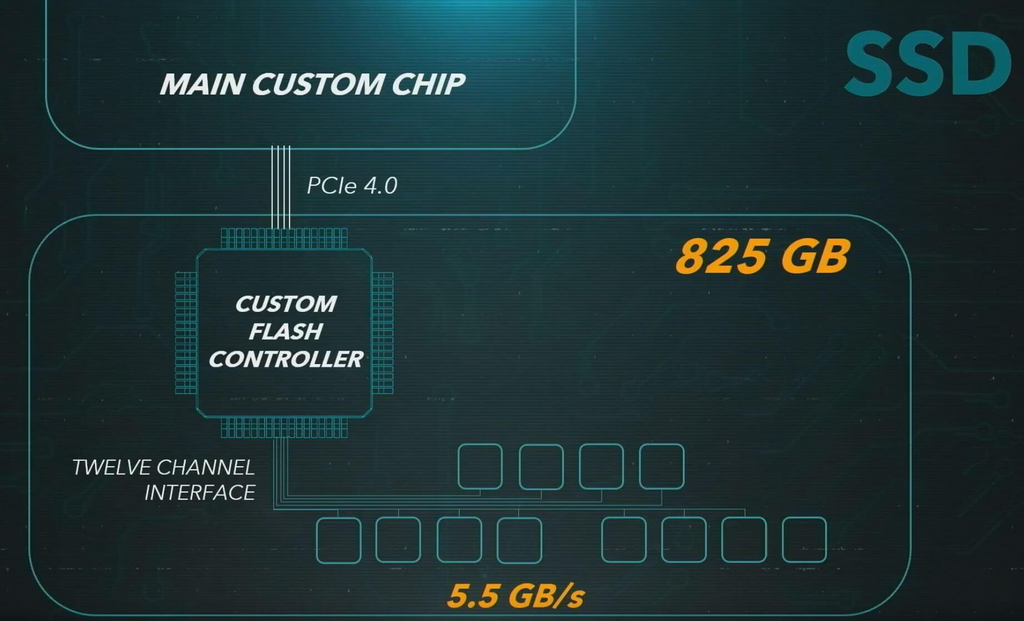
The console featured an eight-core AMD Zen 2 processor, AMD RDNA 2 graphics architecture, 16 GB of GDDR6 memory, and an 825 GB SSD. The console also supported ray tracing, resolutions of up to 4K, and refresh rates of up to 120 Hz on compatible displays.
One of the main innovations was DualSense. Sony abandoned the familiar DualShock name used by previous generations and focused on adaptive triggers and haptic feedback. The controller was designed to provide players with different sensations depending on what was happening on screen: for example, changes in resistance when pressing the triggers or differences between surfaces through vibration.
An important part of the PS5 concept was its ultra-fast SSD. Unlike the traditional hard drive used in the PS4, the new storage was designed to significantly reduce loading times and allow developers to create more complex and detailed worlds. Sony also developed its own Tempest 3D AudioTech system, designed to create more immersive sound in games.
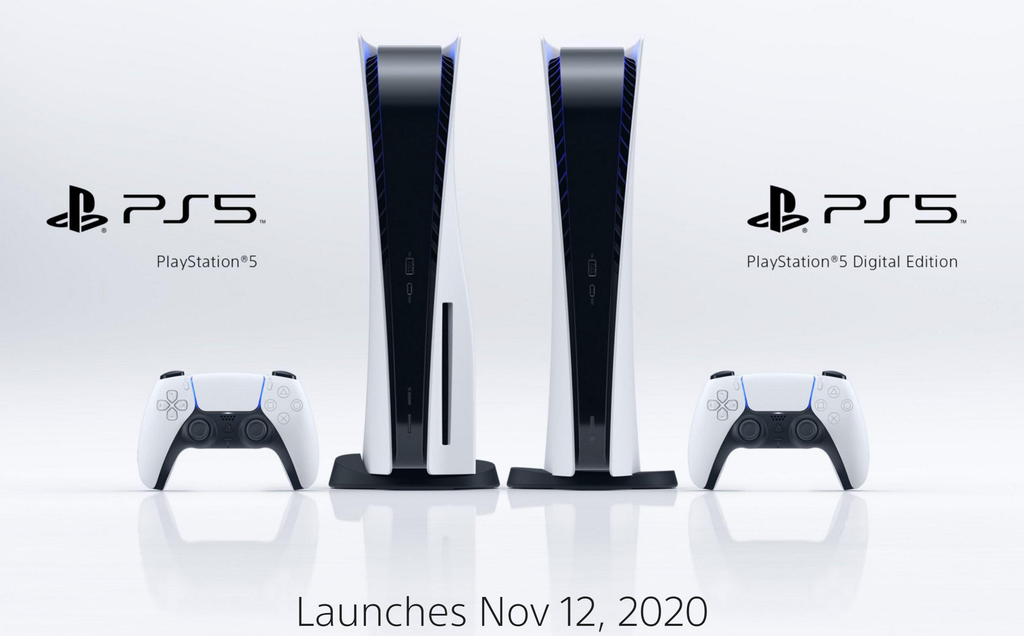
At launch, Sony offered two versions of the console. The standard PS5 featured an Ultra HD Blu-ray drive and cost $499.99 in the United States, while the PS5 Digital Edition, without a disc drive, was sold for $399.99. On November 12, the console was released in the United States, Canada, Mexico, Japan, Australia, New Zealand, and South Korea, while the launch took place in other key markets on November 19.
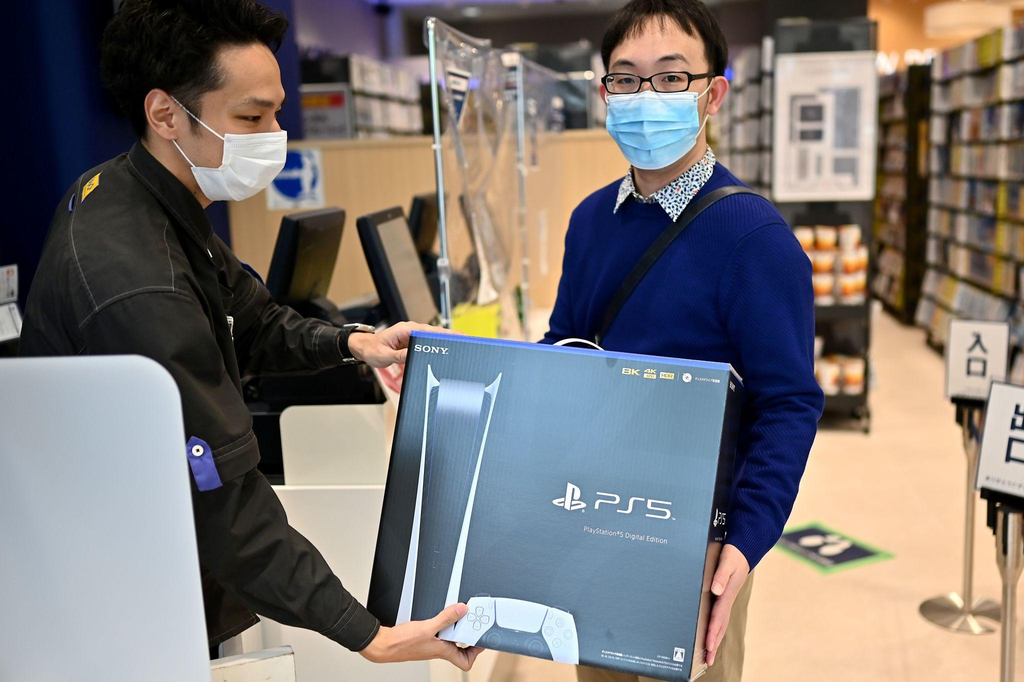
The PS5 launch took place under unusual circumstances due to the COVID-19 pandemic. Sony announced in advance that console sales on launch day in 2020 would take place online to avoid crowds in stores.
What Changed Compared to the PS4
While the PlayStation 4 was primarily a significant step forward in graphical quality and performance compared to the PS3, the PS5 changed the very way games interacted with the console.
The PS4 used a hard drive, which meant that large games often required lengthy loading times. The transition to an SSD in the PS5 became one of the most noticeable practical improvements. Level loading became significantly faster, while developers gained the ability to stream large amounts of data more quickly.
Another fundamental difference was the processor. The PS5 received the much more modern AMD Zen 2 architecture, while the PS4 was based on the older AMD Jaguar processor. This allowed the new console to handle complex game systems, physics, and artificial intelligence more effectively.
The graphics hardware also made a major leap forward. The PS5 supported hardware-accelerated ray tracing, allowing lighting, shadows, and reflections to be rendered more realistically. In addition, the console was designed to support 4K and high frame rates.
Compared to the PlayStation 3, the difference was even greater. The PS3 became known for its complex Cell architecture, while the PS5 used a much more standardized AMD architecture. This simplified development and allowed studios to use the system's hardware capabilities more efficiently.
At the same time, the PS5 did not abandon the legacy of the PS4. The console received broad backward compatibility with the PS4 library, making the transition between generations much smoother.
Launch Games
One of the main advantages of the PS5 launch was its launch library. Among Sony's major exclusives were Demon's Souls, Marvel's Spider-Man: Miles Morales, and Sackboy: A Big Adventure. In addition, every PS5 came with Astro's Playroom pre-installed.
Demon's Souls was a remake of the 2009 game of the same name by FromSoftware. The new version was developed by Bluepoint Games, which completely reimagined the project's visuals for PS5 while preserving the foundation of the original role-playing game. The project became one of the main showcases of the new console's graphical capabilities.

Marvel's Spider-Man: Miles Morales by Insomniac Games continued the story of the 2018 superhero action game, but this time Miles Morales became the main protagonist. The game was released simultaneously on PS4 and PS5, while the new console allowed the developers to deliver improved graphics and faster loading times.
Sackboy: A Big Adventure by Sumo Digital became a platformer set in the LittleBigPlanet universe. Unlike previous games in the series, it focused on three-dimensional levels and cooperative gameplay.
Astro's Playroom occupied a special place. The game was pre-installed on every PS5 and effectively served as an interactive showcase of the DualSense's capabilities. Team Asobi created the platformer specifically to demonstrate haptic feedback, adaptive triggers, motion sensing, the microphone, and other controller features. At the same time, the game became a kind of journey through PlayStation history, featuring numerous references to previous generations of the console.
Reviews and Reception
Following its release, the PS5 received generally positive reactions from critics. The speed of the SSD, the new DualSense, improved graphics, and the convenience of transitioning from PS4 were particularly praised.
Critics also highlighted Demon's Souls, which became one of the console's most technically impressive launch games. Astro's Playroom also received positive reviews because it demonstrated the capabilities of the new controller not as a technical presentation, but through a full-fledged platformer.
At the same time, the launch was not perfect. Some critics pointed to the relatively small number of completely new exclusives. Spider-Man: Miles Morales and Sackboy were also released on PS4, meaning that the transition to the new generation did not require all players to immediately purchase a PS5.
However, the main problem was not the quality of the console, but its availability. The COVID-19 pandemic and semiconductor shortages caused serious supply problems. High demand combined with limited console availability made the PS5 extremely difficult to purchase during its first years.
Impact on the Industry
The PS5's impact became noticeable not only through its sales. The console established several trends that became important for the entire generation.
The most noticeable of these was the SSD becoming a standard for modern games. Previously, fast storage was primarily a way to accelerate loading times, but with the arrival of the PS5, storage speed became part of the design of game worlds themselves.
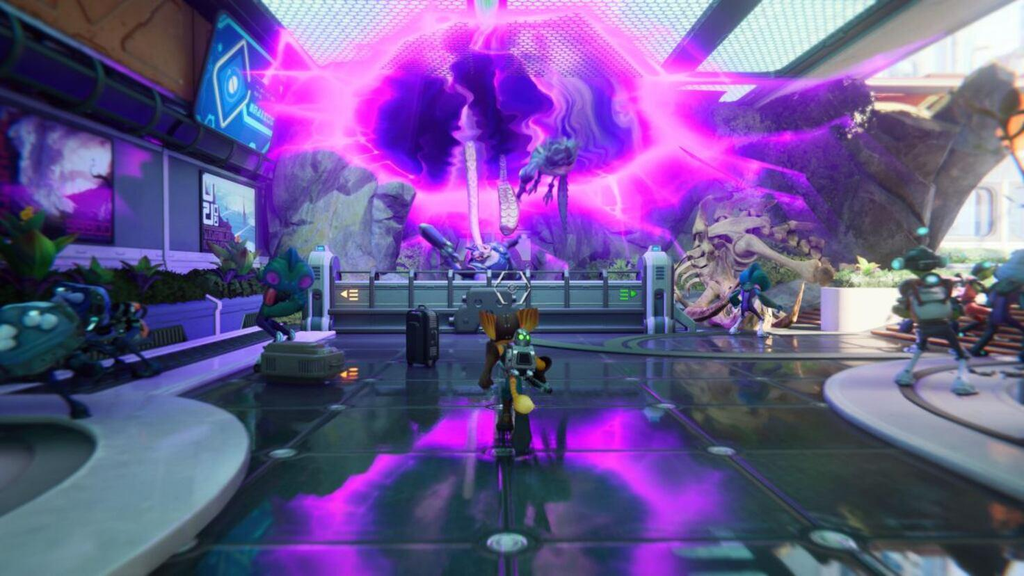
DualSense also showed that controllers could evolve not only by adding new buttons. Haptic feedback and adaptive triggers became tools that developers could use directly in gameplay.
Another important consequence was the gradual disappearance of the strict boundary between generations. Sony continued releasing major projects on PS4 even after the PS5 launch, while backward compatibility allowed owners of the older console to transfer a significant portion of their library to the new system.
As a result, the transition from PS4 to PS5 was much smoother than previous generation changes. Players received the benefits of new hardware without losing access to a large portion of their already purchased games.
Early Results
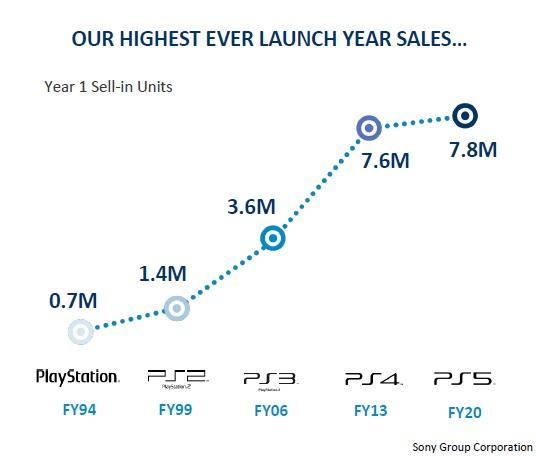
Demand for the PlayStation 5 was extremely high. Sony reported that 4.5 million PS5 consoles had been sold by the end of December 2020, and by March 31, 2021, the figure had reached 7.8 million. This allowed the PS5 to surpass the PS4's first fiscal-year result: the PS4 sold 7.6 million consoles during the equivalent period.
In July 2021, Sony reported more than 10 million PS5 consoles sold. At the time, the company called it the fastest-selling console in PlayStation history. The achievement was particularly notable given the supply problems during the pandemic.
In the long term, the PS5 also maintained a strong sales pace. According to official Sony data, as of November 10, 2026, PS5 sales had surpassed 100 million consoles, while the PS4 ended its life cycle with more than 117 million systems sold.
The generation's financial results were also strong. According to Sony, between 2020 and 2024, the PS5 generation generated approximately $136 billion in sales and $13 billion in operating profit, surpassing the PS4 generation's results over the equivalent period.
PS5 Legacy
In the years following its launch, the PlayStation 5 received major titles such as Returnal, Ratchet & Clank: Rift Apart, Horizon Forbidden West, God of War Ragnarök, and Marvel's Spider-Man 2. The platform gradually turned the capabilities Sony showcased at launch into a standard for major AAA games.

Ultimately, the PS5 became more than simply a more powerful version of the PS4. It changed several fundamental elements of the console experience: loading speeds, storage, controller capabilities, graphics, and the approach to transitioning between generations.
Its launch took place during one of the most difficult periods for the global industry, but even the pandemic and component shortages could not significantly reduce demand. The PS5 became the most successful launch in PlayStation history in terms of its first fiscal year and eventually surpassed the mark of 100 million consoles sold, establishing Sony's new generation as one of the most important stages in the development of the brand.
As a reminder, Resistance: Fall of Man — the story of the game that became one of the symbols of the PS3 launch.