



On November 18, 2022, Pokémon Scarlet and Pokémon Violet — the ninth generation of the main Pokémon series from Game Freak, Nintendo, and The Pokémon Company — were released on Nintendo Switch. The games became one of the most ambitious experiments in the history of the franchise, as they were the first to bring the traditional Pokémon formula into a fully open world. Players received the opportunity to freely explore the Paldea region, choose the order in which they completed the main challenges, and develop several storylines simultaneously.
Scarlet and Violet became an important milestone for Pokémon, but at the same time one of the most controversial entries in the series. Critics and players highly praised the freedom, world design, characters, and new mechanics, but the release was accompanied by serious technical problems. Despite this, the commercial result was phenomenal: as of September 30, 2026, the games had sold 28.66 million copies, making them some of the most successful releases in Pokémon history.
The groundwork for a major change
Before the release of Scarlet and Violet, Pokémon was gradually moving toward a more open structure. Pokémon Sword and Shield introduced the Wild Area — a large territory where players could explore the world more freely and encounter Pokémon in the open environment. The next step was Pokémon Legends: Arceus, which shifted the focus even further toward exploration, catching Pokémon, and interacting with the surrounding world.
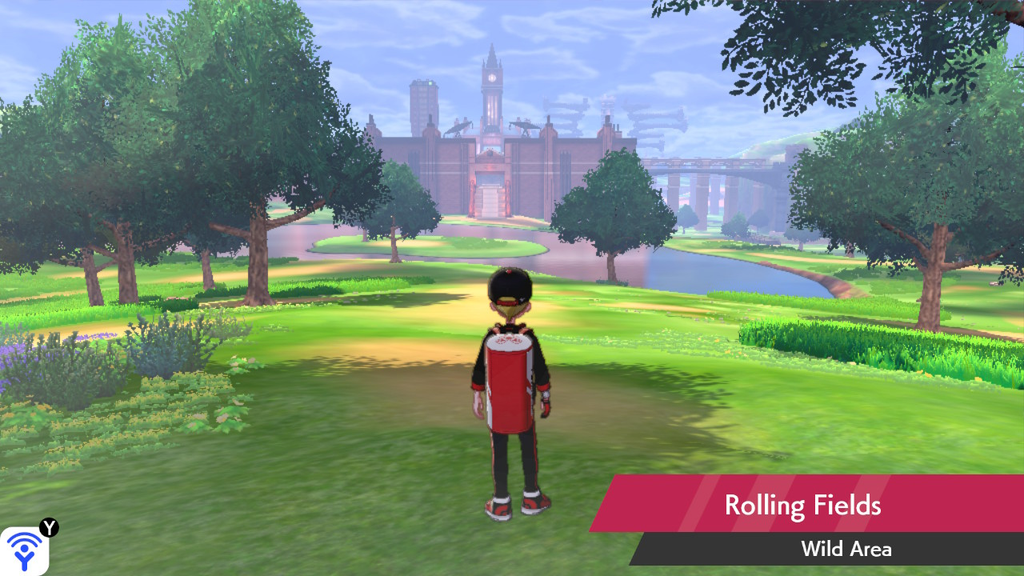
However, the main series was still largely linear. Players followed routes in a predetermined order, visited cities, defeated Gym Leaders, and gradually unlocked new areas. For Scarlet and Violet, Game Freak decided to go much further: the entire Paldea region was designed to become one large open world where players would have significantly more freedom after the introductory section.
Paldea — a new world of Pokémon
The events of Scarlet and Violet take place in the Paldea region, which was inspired by the Iberian Peninsula. Unlike previous games, there is no traditional sequence of routes constantly leading players toward the next city. Locations are connected into one large map featuring cities, deserts, mountains, caves, bodies of water, and other natural environments.
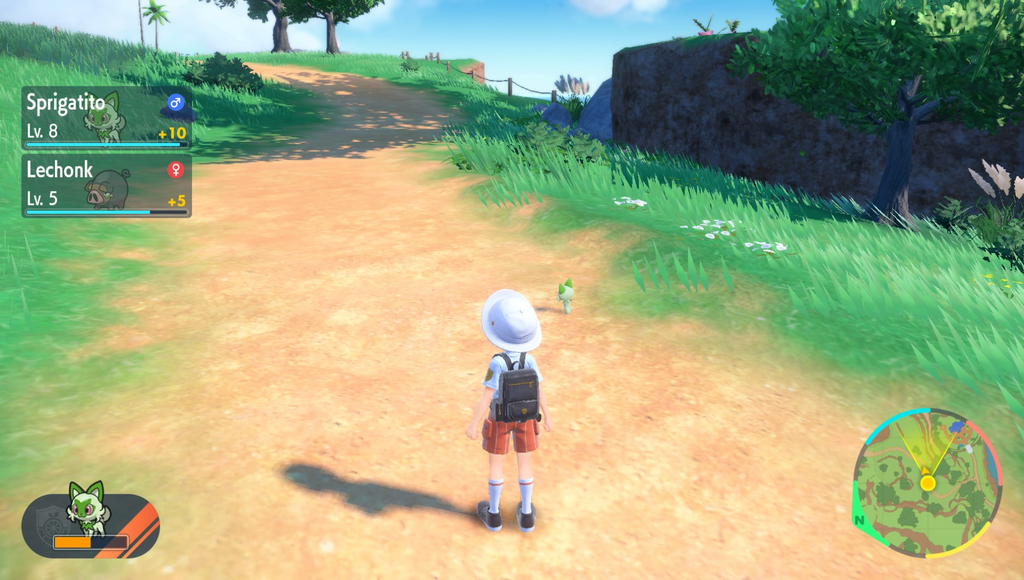
One of the main advantages of the new approach was that Pokémon could now constantly be found in the open world. They could be seen on roads, in the grass, near bodies of water, or simply in the middle of a field. A player could head toward a specific point on the map, notice a new Pokémon along the way, leave the planned route, and spend the next few minutes searching for the new creature instead.
The legendary Koraidon and Miraidon, depending on the version of the game, played a major role in exploring Paldea. They became the player's main means of transportation and gradually gained new movement abilities. Thanks to this, the world could not only be explored by running through it, but also vertically: crossing water, climbing mountains, traveling through the air, and covering long distances more quickly.
Three storylines
Along with the open world, Game Freak also changed the structure of the story itself. Instead of one main campaign, Scarlet and Violet offered three major story paths: Victory Road, Path of Legends, and Starfall Street. They could be completed in parallel, allowing players to decide for themselves what they wanted to do at any given moment.
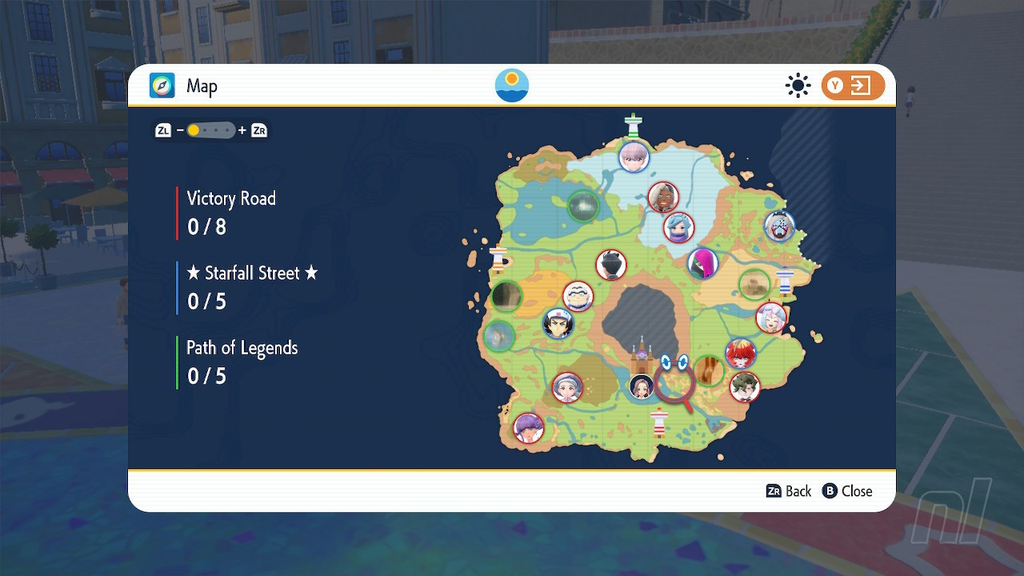
Victory Road remained the closest to the classic Pokémon formula. Players had to defeat the leaders of eight Pokémon Gyms, collect the necessary badges, and follow the traditional path toward becoming a Champion. Path of Legends focused on searching for rare Herba Mystica and battling huge Titan Pokémon, while Starfall Street told the story of Team Star — a group of academy students who had come into conflict with its leadership.
The division into three stories became one of Game Freak's most interesting decisions. Players no longer had to constantly follow a single route, while the different storylines allowed them to alternate between classic battles, world exploration, and character stories. Some moments in Path of Legends and the story of Team Star were particularly well received, as they proved more personal than the traditional stories about yet another criminal organization.
Freedom that did not always work
Despite Scarlet and Violet being presented as an open world, Game Freak was unable to fully realize the concept of absolute freedom. The main problem was the lack of level scaling for opponents based on the strength of the player's team. Because of this, players could enter an area where the Pokémon were too strong, or complete some content only after it had stopped posing a serious threat.
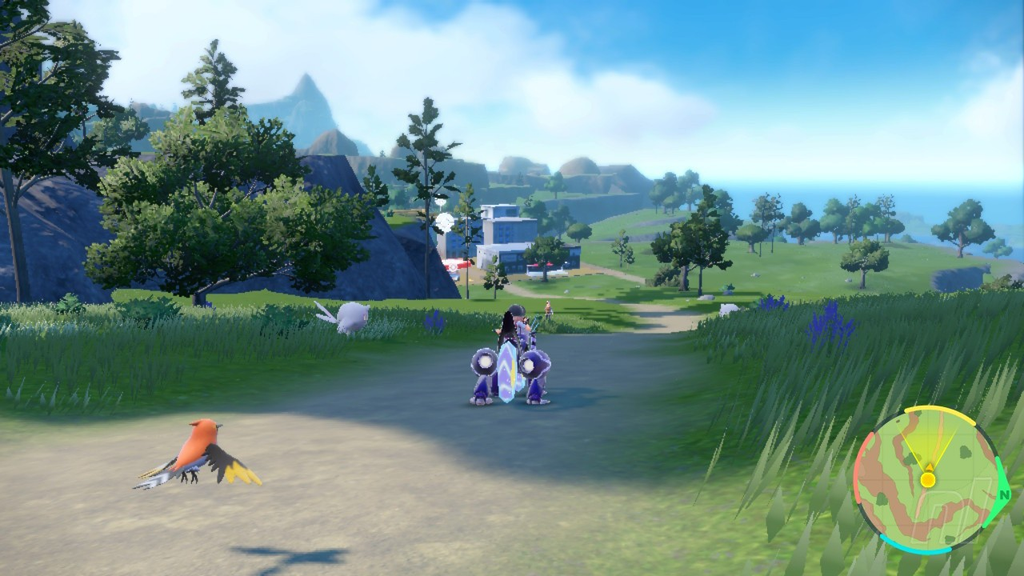
This created a peculiar paradox. Players were given the freedom to choose their own route, but the game did not always respond correctly to that choice. Nevertheless, the open-world concept worked well enough to demonstrate the potential of this new direction for Pokémon. Paldea was enjoyable to explore precisely because of the constant feeling that something new could be found beyond the next hill or around the next corner.
Terastal changes the rules of battle
Every new Pokémon generation introduces its own special battle mechanic, and Scarlet and Violet were no exception. This time, Game Freak introduced Terastalization — a system that allows Pokémon to temporarily change their type during battle and gain additional tactical opportunities.

Visually, a Pokémon becomes covered in a crystalline effect and receives a distinctive Tera Crown, but the mechanic goes far beyond cosmetic changes. The right Tera Type can change a Pokémon's weakness, strengthen certain attacks, or completely alter the expected course of a battle. Because of this, Terastalization became an important part not only of the main game but also of the competitive Pokémon scene.
In addition, Scarlet and Violet introduced Let's Go, which allowed Pokémon to be sent ahead to automatically battle wild creatures. This simplified leveling and resource gathering and became another example of how Game Freak tried to adapt the traditional system to an open-world environment.
Problems that overshadowed the release
Despite Game Freak's ambitions, the technical state of Scarlet and Violet became the game's biggest problem. After release, players encountered frame-rate drops, issues with objects loading, strange animations, graphical glitches, and other problems. These issues were especially noticeable in the open world, where the large number of objects and characters did not always work consistently.
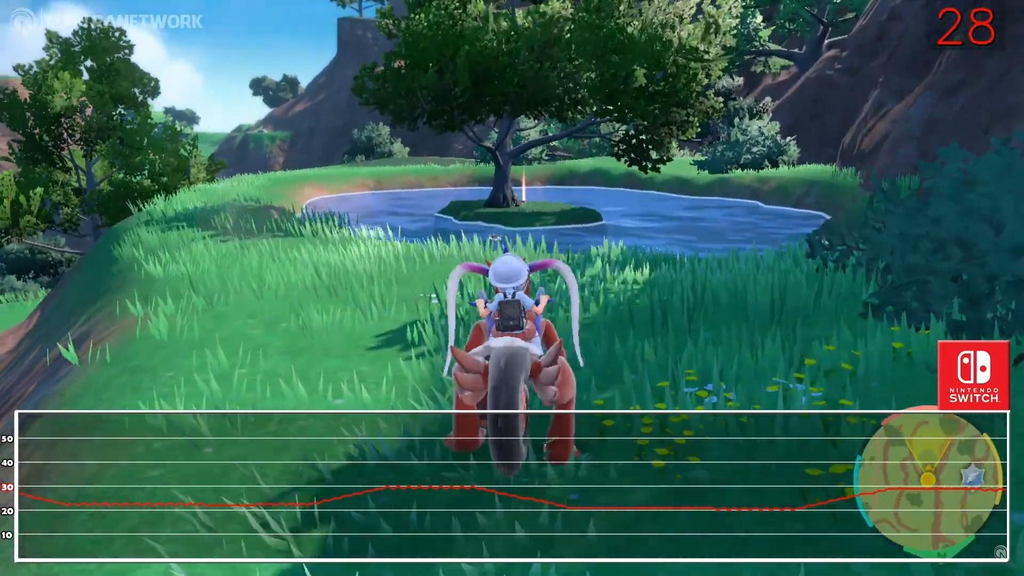
The situation was particularly noticeable because of the project's scale. Game Freak created a significantly larger world, but the technical implementation did not always match its ambitions. As a result, Scarlet and Violet became one of the clearest examples of how a good concept can lose part of its potential due to performance issues.
This had a significant impact on the audience's reaction. On Metacritic, both games received 72/100 from critics, making this one of the lowest scores among the main Pokémon entries. At the same time, reviewers often noted that the problems were primarily related to the technical implementation, while the open world, storylines, characters, and new mechanics had significant potential.
DLC expanded Paldea
Game Freak continued supporting Scarlet and Violet with the major expansion The Hidden Treasure of Area Zero, which consisted of two parts — The Teal Mask and The Indigo Disk. The DLC added new locations, Pokémon, characters, and story events that continued the main game's narrative.
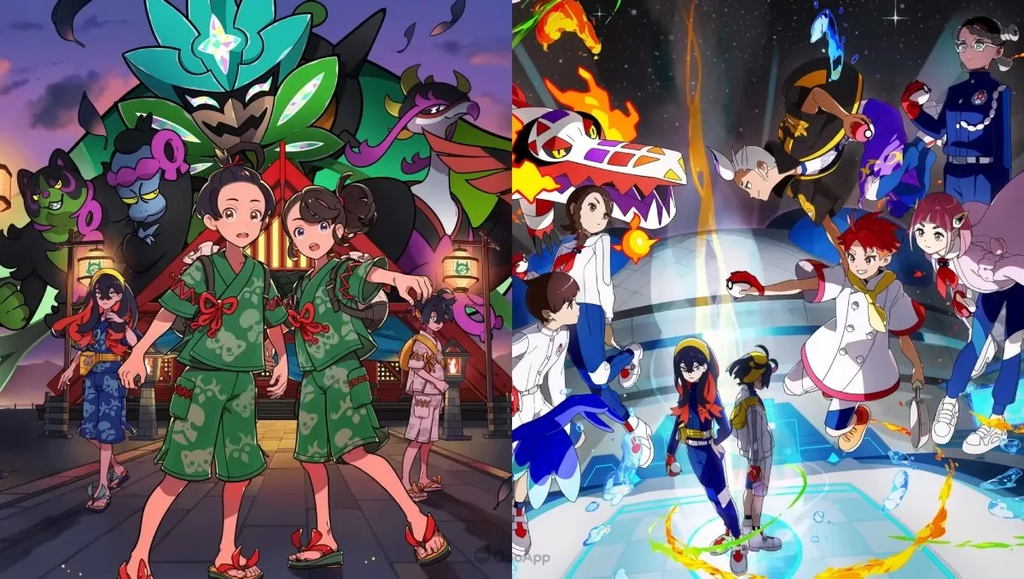
The expansion allowed the developers to further expand the world of Paldea and gave players new reasons to return to the game after completing the main campaign. The second part of the DLC was particularly important, continuing the characters' stories and adding new challenges for an already developed team.
Record-breaking sales
Despite the controversial reaction and technical problems, Scarlet and Violet became a phenomenal commercial success. During their first weekend, the games sold more than 10 million copies, setting a Nintendo record at the time. By the end of 2022, sales had already surpassed 20 million copies.

Sales continued to grow over time. As of September 30, 2026, Nintendo had recorded 28.66 million copies sold of Pokémon Scarlet and Violet. This made the games some of the most successful releases in Pokémon history and the best-selling mainline entries in the series on Nintendo Switch.
This result is particularly notable given the criticism. Scarlet and Violet may remain among the most controversial Pokémon games among fans, but their millions of sales demonstrated enormous interest in the open world and the new approach to the series.
The legacy of Pokémon Scarlet and Violet
Today, Scarlet and Violet can be called one of the most important turning points in the modern history of Pokémon. The game was not technically perfect, and the lack of level scaling showed that Game Freak still had to learn how to properly work with an open world. However, these games proved that the traditional Pokémon formula could exist beyond linear routes and sequential progression.
Scarlet and Violet gave players what the series had been gradually moving toward for several generations: a large world, freedom of movement, Pokémon in an open environment, and the ability to determine the pace of the adventure themselves. Even the technical problems could not erase this fundamental step forward.
Ultimately, Pokémon Scarlet and Violet became a paradoxical game. They received some of the lowest scores among the main entries in the series, but at the same time sold tens of millions of copies and became some of the most important Pokémon releases on Nintendo Switch. This is not the story of a perfect game, but the story of a major experiment that showed the future of the franchise and proved that Pokémon is ready to change.
As a reminder, Left 4 Dead 2 — the story of the game that turned survival into a team-based experience.