


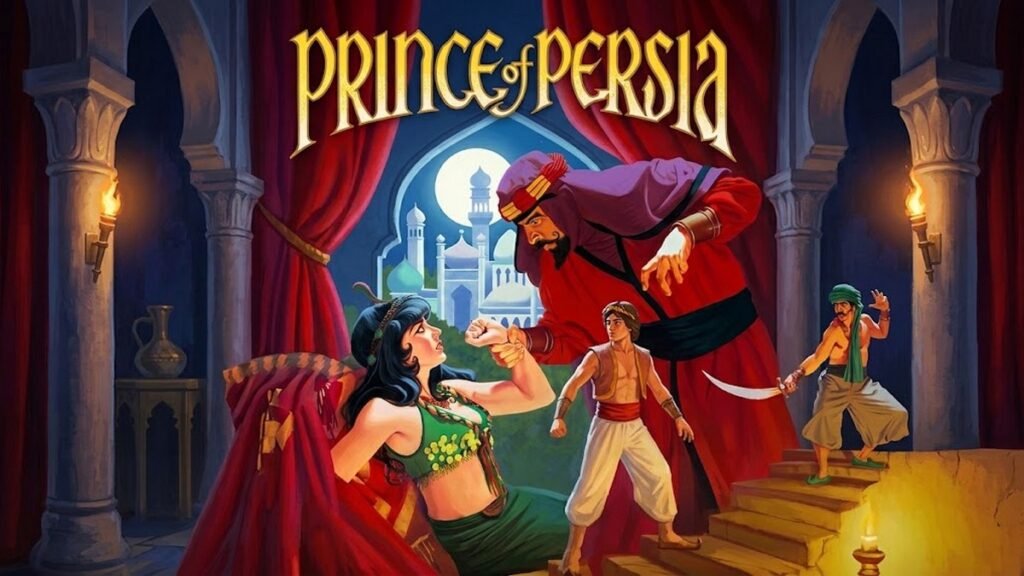
On October 3, 1989, Prince of Persia was released on the Apple II — an action-platformer created by Jordan Mechner that would eventually evolve into one of the most iconic franchises in video game history. At launch, the project already had years of development behind it, featuring experiments with animation and countless attempts to strike the right balance between adventure, platforming, and lethal puzzles.
Mechner began working on the game in the mid-1980s, following the success of his previous work, Karateka. This time, he wanted to craft a much grander adventure — complete with palaces, swords, traps, a princess, and the feel of a true Eastern fairytale world.
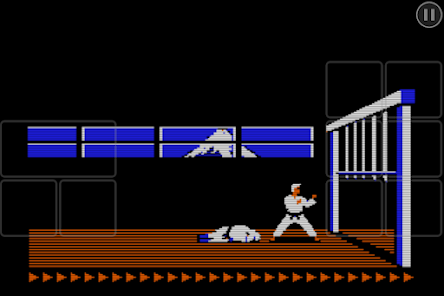
Developing Prince of Persia took roughly four years. During this time, the Apple II, for which the game was originally created, was gradually losing its market relevance, forcing Mechner to constantly search for ways to realize his vision within the computer's severely limited capabilities.
It All Started with a Video Recording
One of the most fascinating stories behind the creation of Prince of Persia was the main character's animation.
Mechner didn't want the Prince to move like a typical set of pixelated frames. It was essential for him to convey the weight of a human body: how a character accelerates while running, lands after a jump, grabs the edge of a platform, or draws a sword.
To achieve this, the developer used rotoscoping — a technique where a person's recorded movements are transferred into animation frame by frame. He filmed his younger brother, David, running, jumping, and performing various actions. Specific video frames were then used as the foundation for the character's animations.
Interestingly, the first recordings for Prince of Persia were made back in 1985. In them, 15-year-old David can be seen running and jumping in a school parking lot, with Jordan later converting these movements into pixel animation. Today, Mechner's personal archive contains the original video footage, development materials, and even the source code for the Apple II version.
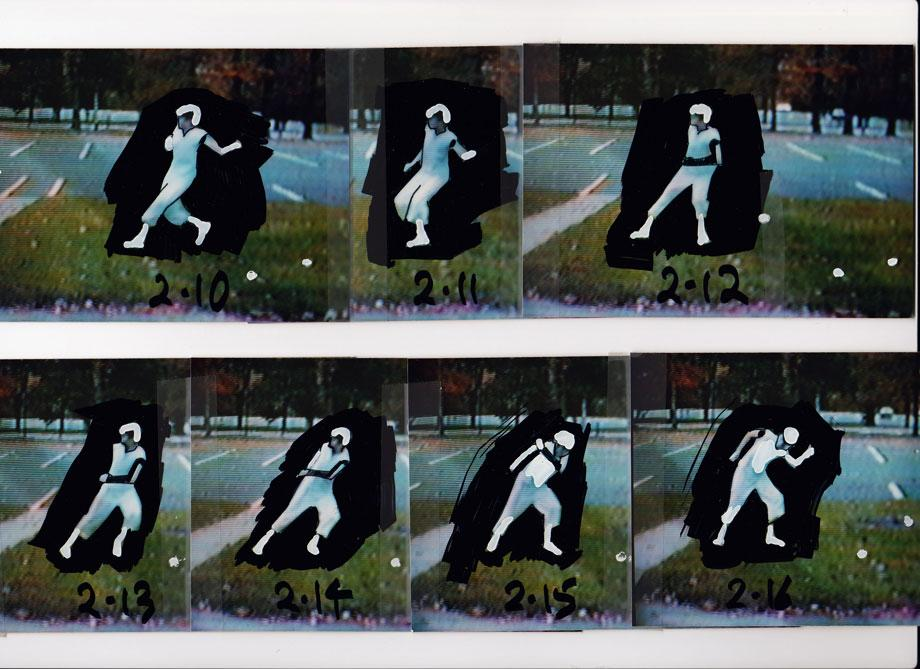
It was this approach that gave the Prince's movements their signature fluidity. He didn't merely move between platforms — the character leaned into runs, made natural leaps, carefully tiptoed near platform edges, and reacted dynamically to danger.
A Prince, a Princess, and 60 Minutes
The game's storyline was inspired by One Thousand and One Nights. The protagonist finds himself in a palace where the evil Vizier Jaffar seizes power and imprisons the Princess.
She is given just one hour to agree to marry Jaffar. If she refuses, she will die. Thus, the player is given 60 real-time minutes to navigate the palace, overcome all obstacles, and rescue the Princess.
The game consists of 12 levels packed with traps, puzzles, and enemies. Progression, however, relied on more than just speed. Players had to memorize trap placements and carefully learn the layouts of each level.
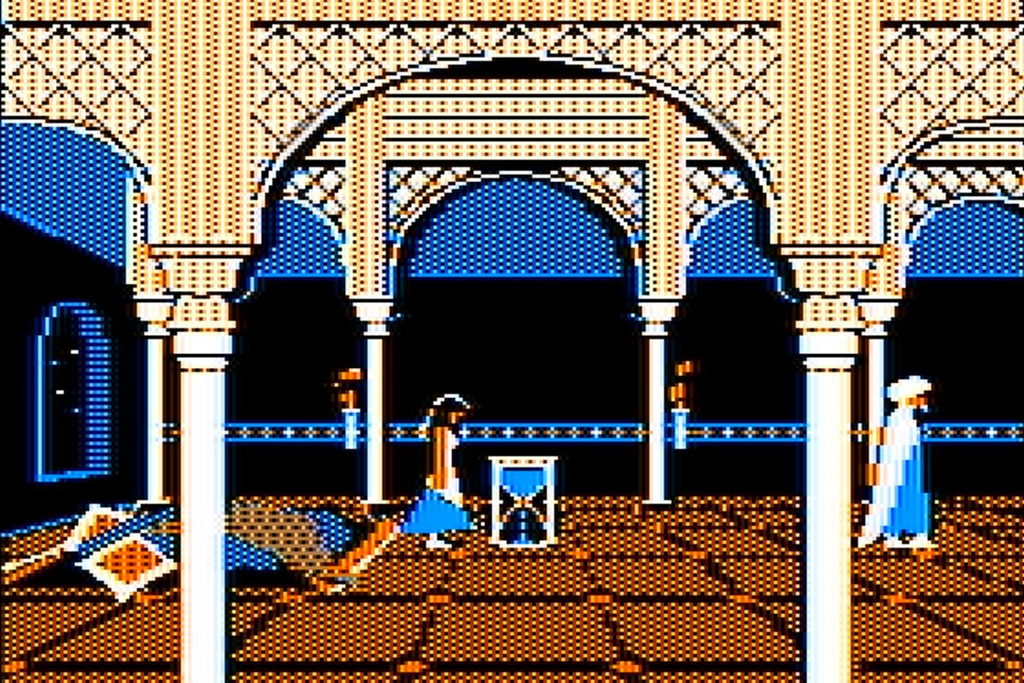
One bad decision meant instant death for the hero.
Memorable Traps
While many classic games might seem simple today, Prince of Persia masterfully preyed on the player's fear of the next step.
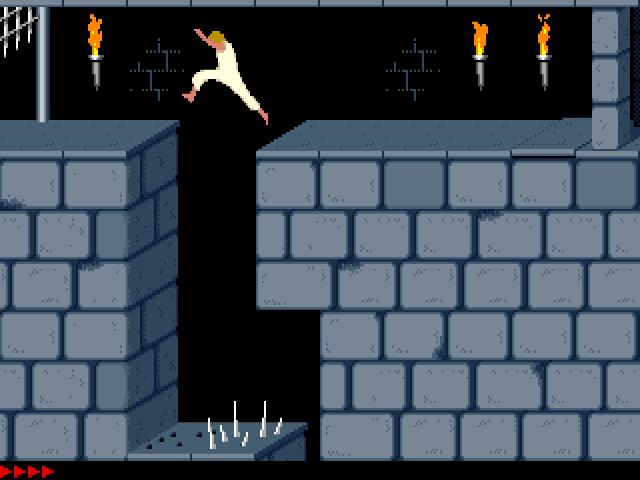
Spikes could be hidden in the floor. Mechanical blades lined the walls. Guards with swords waited ahead. Sometimes, what looked like a safe jump resulted in a plummet into a chasm.
The floor spikes and metallic slicers became especially infamous for instantly killing the Prince. Mechner revealed that he drew inspiration from the opening scene of Raiders of the Lost Ark, where Indiana Jones enters a temple filled with deadly traps, wanting to instill a similar sense of constant peril.
The game actively discouraged blindly rushing forward. Often, the correct approach was to slow down, inspect every ledge, or listen carefully to environmental cues.
Sword Against Guards
Combat in Prince of Persia also demanded patience and caution. When a guard appeared, the player drew their sword and engaged in a duel.
However, the sword itself was only part of the equation. Positioning, parrying, and timing attacks were crucial. An improper move meant taking a hit and losing health.
As a result, the game constantly varied its pacing: first finding a path through a chamber, then navigating lethal traps, followed by defeating a guard, before searching for the correct route once again.
Music Composed by Jordan's Father
Another notable detail is the soundtrack of Prince of Persia.
It was composed by Francis Mechner, Jordan’s father, who was an educational psychologist, entrepreneur, and classical pianist. He had also composed the music for Jordan's previous hit, Karateka.
The score complemented the grand palace atmosphere and sense of adventure, with the game relying heavily on both visual and audio presentation to evoke a fairytale narrative.
A Risky Release
By the time Prince of Persia was finished, the market situation for the Apple II was far less favorable than it had been a few years earlier. Computer hardware had advanced significantly during development, and the platform was rapidly losing ground.
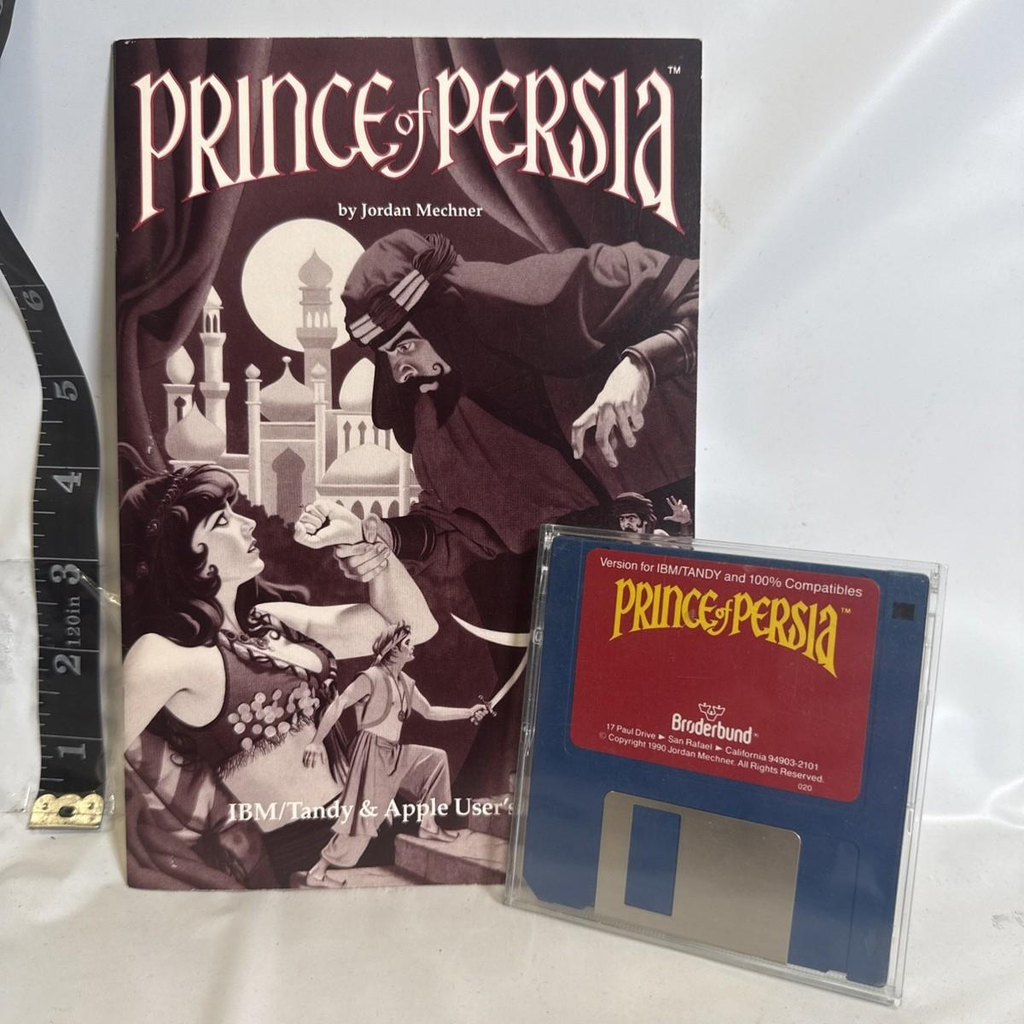
Consequently, there were serious fears that the game might go unnoticed.
However, ports to other systems largely saved the project. Following its Apple II launch, the game was ported to DOS, Amiga, Atari ST, Amstrad CPC, and numerous other systems. Over time, Prince of Persia arrived on dozens of computers and home consoles.
According to Mechner himself, these ports were key to reaching a broader global audience. In total, the original Prince of Persia was adapted for at least 18 platforms beyond the Apple II.
The Beginning of a Legacy
The story of Prince of Persia didn't end with its initial release. In 1993, a direct sequel was launched — Prince of Persia: The Shadow and the Flame.
However, Mechner stepped away from the Prince shortly after to focus on another ambitious project, the adventure game The Last Express. It wasn't until many years later that the franchise received a 3D reboot when Ubisoft collaborated with Mechner on Prince of Persia: The Sands of Time, released in 2003.
Yet, the foundation of this massive legacy remains October 3, 1989.
On that day, Apple II owners first stepped into a treacherous palace where every jump, trap, and duel could be their last. Behind it stood years of Jordan Mechner's dedication, video recordings of his younger brother, meticulous frame-by-frame rotoscoping, and an immense amount of handcrafted work.
Decades after its debut, Prince of Persia (1989) is celebrated not just as a retro classic, but as a prime example of how developers ingeniously pushed the technological boundaries of the late 1980s.
As a reminder, S.T.A.L.K.E.R.: Call of Pripyat is the story of returning to the Zone.