


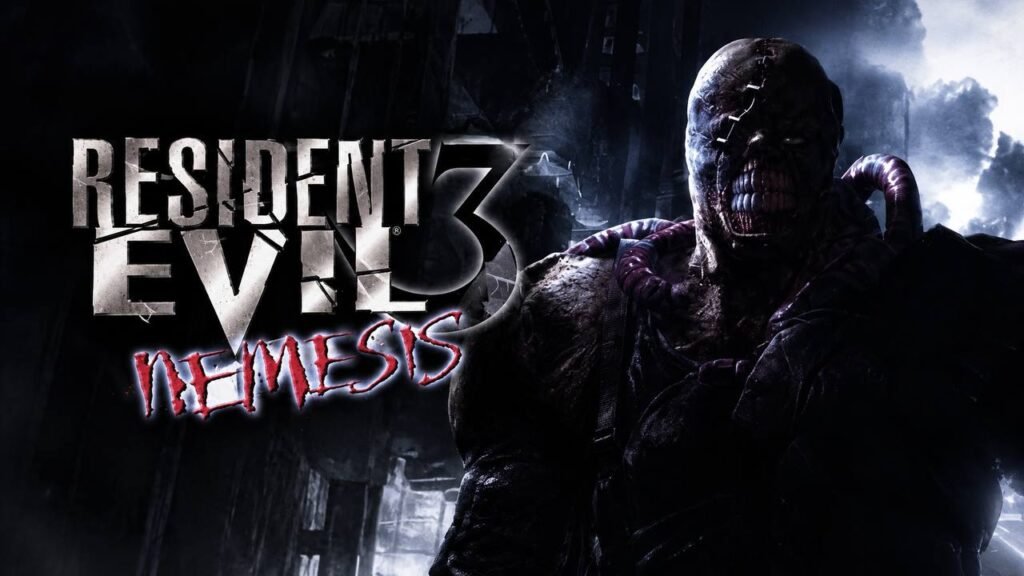
On September 22, 1999, Resident Evil 3: Nemesis, the third main entry in Capcom's survival horror series, was released on the original PlayStation in Japan. In Japan, it was titled Biohazard 3: Last Escape. The game brought back Jill Valentine, but this time emphasized not only exploration and puzzles, but also a constant sense of being pursued.
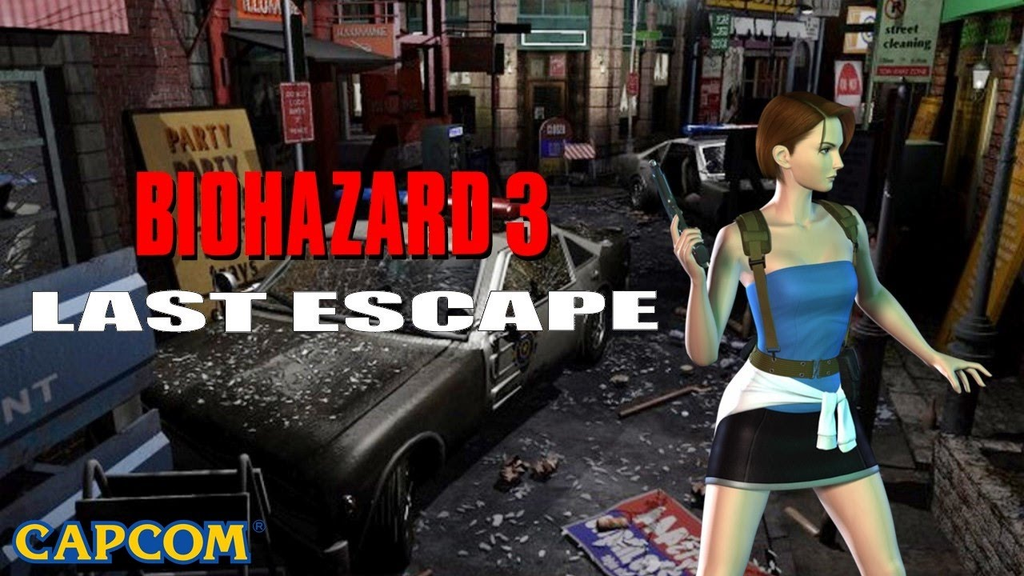
At the time of development, the situation surrounding the third entry was quite unusual. The project that eventually became Resident Evil 3 was originally conceived as a side story — Biohazard Gaiden, focused on escaping Raccoon City. Following the announcement of the PlayStation 2, Capcom's plans shifted: another project led by Hideki Kamiya began to be reimagined for the new console, while the future Resident Evil 3 gained a significantly more important place in the series. It was at this stage that Jill and Nemesis were added to the game.
The events of Resident Evil 3 take place during the same disaster that players saw in Resident Evil 2. Raccoon City is engulfed in a T-virus epidemic, the streets are filled with zombies, and Umbrella is trying to cover up the consequences of its own experiments. Jill Valentine, a former S.T.A.R.S. member, attempts to get out of the city, but soon becomes the target of a new experimental monster.
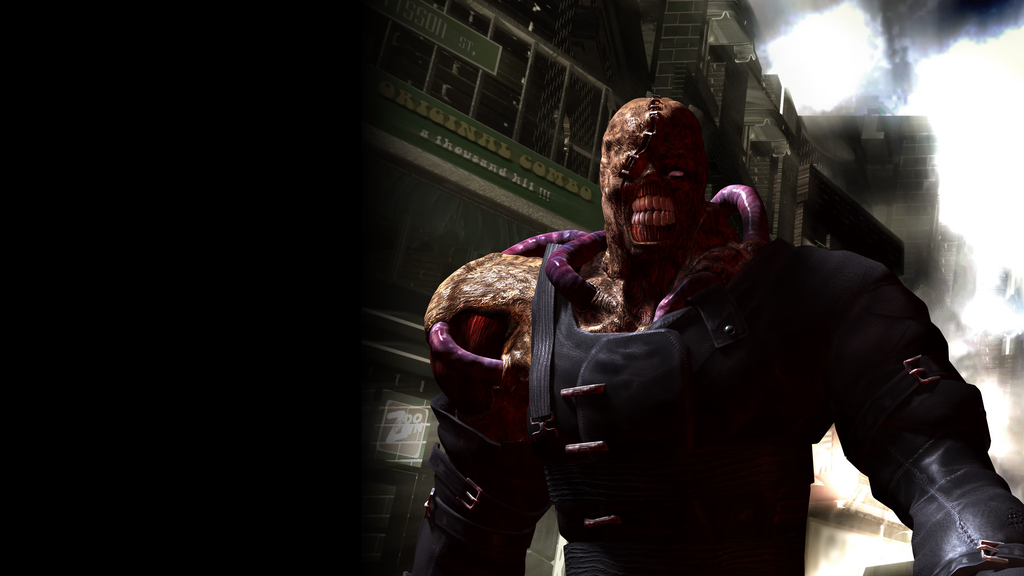
Nemesis became the main distinguishing feature of the third entry. Unlike many previous enemies, he did not simply wait for the player in a specific room. He could stalk Jill, move quickly, use weapons, and even go through doors. Thanks to this, Capcom created a completely different type of tension: sometimes the main objective was not to defeat the enemy, but simply to figure out where to run next.
Another important innovation was the Live Selection system. At key moments in the game, the player was prompted to make a choice within a limited time. These decisions could alter the subsequent flow of certain scenes, adding replayability and allowing players to revisit familiar episodes.
Capcom also made the game slightly more dynamic than previous entries. Resident Evil 3 introduced a dodge mechanic, and completing the main campaign unlocked The Mercenaries: Operation Mad Jackal mode. In it, players had to navigate specific combat challenges, aiming to gain as much time and score as possible.
At the same time, Resident Evil 3 did not abandon the core foundation of the series. Players continued to explore Raccoon City, search for items, solve puzzles, manage limited inventory, and decide which resources to spend now and which to save for later. The city became one of the game's most prominent elements: its streets allowed players to feel the scale of the disaster much more intensely than the confined locations of previous entries.
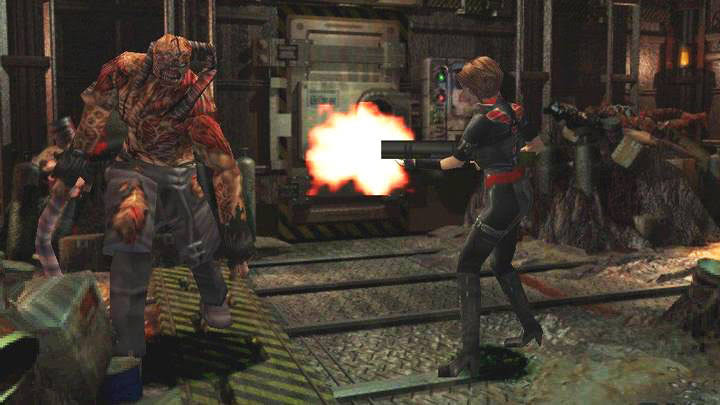
Carlos Oliveira, a mercenary with the Umbrella Biohazard Countermeasure Service, also played an important role in the plot. Together with him, Jill attempts to survive the final hours of Raccoon City's existence. Other characters included Nikolai Zinoviev and additional members of the U.B.C.S. squad, each with their own motives and assignments.
Despite being created for a PlayStation console that was no longer new at the time, Capcom maximized the platform's capabilities. Pre-rendered backgrounds, cinematic cutscenes, and character models allowed for the creation of a large-scale city filled with zombies and other creatures. For the original PlayStation, Resident Evil 3 became one of the notable late-era games in the series on the platform.
Interestingly, there were debates even within Capcom regarding the title itself. Producer Shinji Mikami initially opposed giving the game the number "3". In his view, Resident Evil Code: Veronica pushed the main storyline further and fit the status of a true sequel better, whereas he loosely viewed Resident Evil 3 as a story on the level of a "1.9".
Critics generally received the game positively. According to MobyGames, the average critical score for the PlayStation version stands at 87% based on 39 reviews. At the same time, some reviewers noted that compared to Resident Evil 2, the game became more action-oriented and its campaign was more compact.
Commercially, Resident Evil 3: Nemesis also proved to be a success. According to Capcom, as of June 30, 2016, the original game had sold 3.5 million copies worldwide.
Resident Evil 3 was subsequently ported to Windows, Dreamcast, GameCube, PSP, PlayStation 3, and PS Vita, and in 2020 Capcom released a full remake of the game. However, the original version remained an important part of the series' history — it was the entry that permanently cemented the image of Nemesis as one of Resident Evil's most iconic enemies.
On September 22, 1999, Capcom did not simply continue the story of Raccoon City. The company altered the very nature of fear: now, danger wasn't just waiting behind the next door — it could stalk you right through the streets of the city.
As a reminder, Civilization V — how Firaxis reimagined grand strategy.