


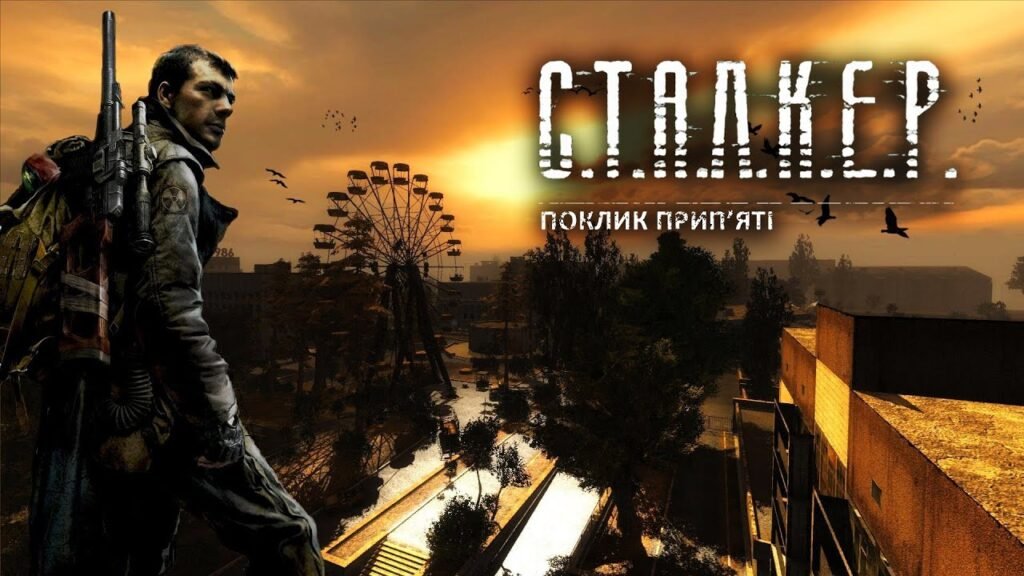
On October 2, 2009, Ukrainian studio GSC Game World released S.T.A.L.K.E.R.: Call of Prypiat — the third main game in the S.T.A.L.K.E.R. series and a continuation of the story that began with S.T.A.L.K.E.R.: Shadow of Chernobyl.
After two previous games, the GSC team decided not to completely reinvent the series formula. Instead, the developers focused on making the Zone feel more alive, expanding player freedom, and addressing some of the issues found in the previous projects.
The game was announced on April 30, 2009, with its release planned for the autumn of the same year. At the time of the announcement, GSC revealed details about new locations, a side-quest system, mutants, an updated A-Life system, and the ability to continue playing after completing the main story.
A Return to the Zone
The events of Call of Prypiat take place shortly after the conclusion of Shadow of Chernobyl.
After the path to the center of the Zone is opened, the Ukrainian authorities launch a large-scale military operation called “Fairway.” Its goal is to establish control over the territory surrounding the Chornobyl Nuclear Power Plant.
The first stage of the operation involves aerial reconnaissance. Military helicopters are supposed to map anomalous areas, after which the main forces are expected to advance toward the center of the Zone.
However, the operation fails. Most of the helicopters crash, while the reasons behind the disasters remain unknown.
To investigate the incident, an agent of the Security Service of Ukraine, Major Alexander Degtyarev, is sent into the Zone. His task is to find the missing helicopters and determine what happened to the military forces.
A Zone We Had Never Seen Before
One of the game's main features was its large new locations.
Players gradually explore Zaton, the area around the Jupiter factory, and the city of Prypiat. The game also features Yaniv railway station, Kopachi, and other areas.
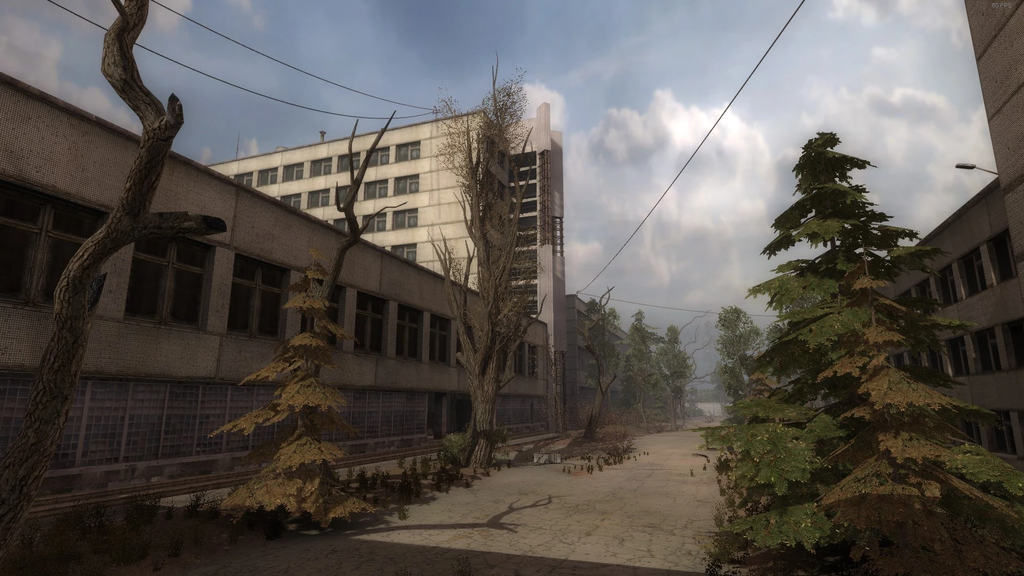
The developers aimed to make the locations as close as possible to the real places in the Chornobyl Exclusion Zone. As a result, familiar landmarks were reimagined for the game while retaining many of the characteristics of the real locations.
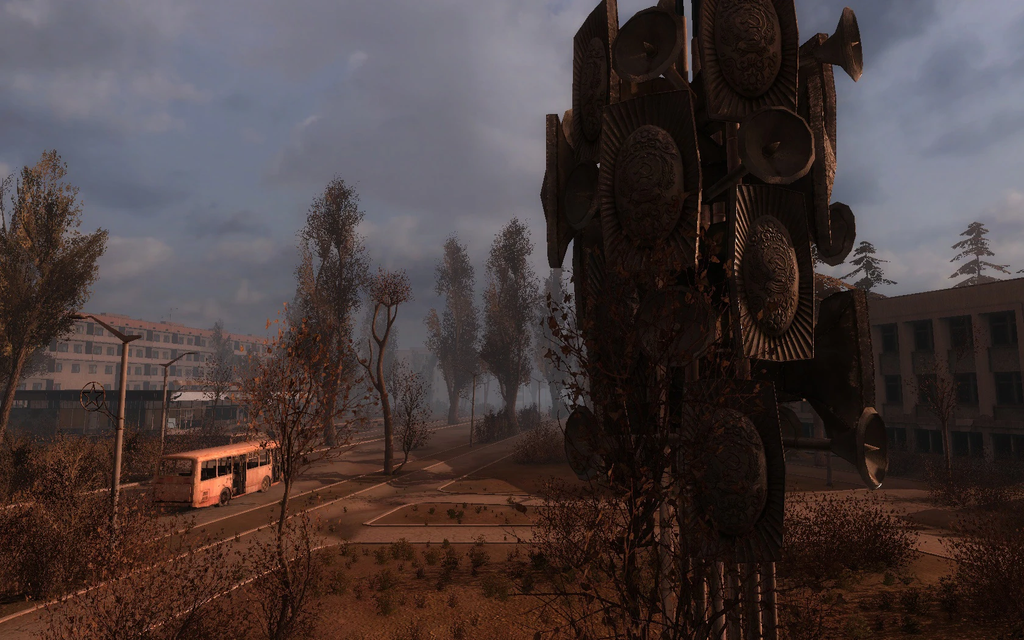
Prypiat itself occupies a special place in the game. Abandoned buildings, empty streets, Soviet architecture, and the atmosphere of a deserted city create one of the most memorable parts of the game.
At the same time, Prypiat is not simply a backdrop. Players have to explore it in search of information, complete missions, and gradually uncover the circumstances behind the failure of Operation “Fairway.”
More Freedom and Side Quests
GSC Game World significantly expanded the side-quest system.
Even before release, the developers emphasized that they wanted to make quests more detailed and varied. In Call of Prypiat, players can help different inhabitants of the Zone, search for artifacts, investigate disappearances, hunt mutants, and complete missions for various factions.
An important change was that the main and side quests were designed manually rather than being automatically generated. According to a GSC representative, this allowed the team to make the missions more unique and have greater control over their presentation.
The game also introduced a sleep system. Players could rest in designated locations, adding another element that strengthened the feeling of survival in the Zone.
The Updated A-Life System
Another important part of Call of Prypiat was the updated A-Life system.
Its purpose was to create the feeling that the Zone exists independently of the player. Stalkers move between territories, mutants hunt, factions interact with each other, and situations in different locations can change without the direct involvement of the protagonist.
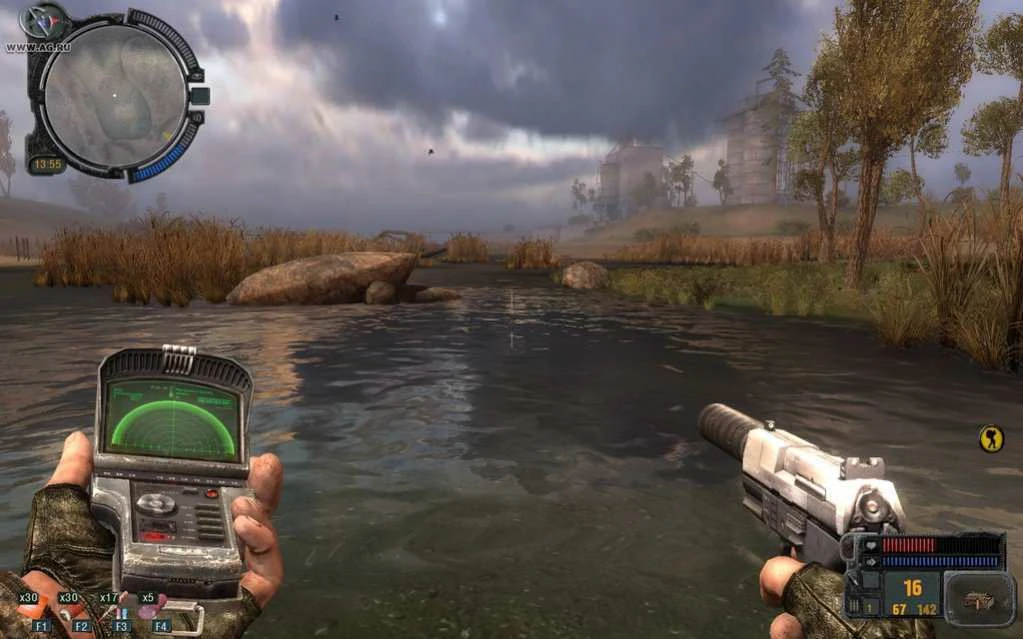
GSC stated that the new version of A-Life combined elements that players had enjoyed most in the first two games of the series.
Thanks to this system, the same area could look different during different playthroughs.
New Mutants and Dangers
The Zone became even more dangerous in Call of Prypiat.
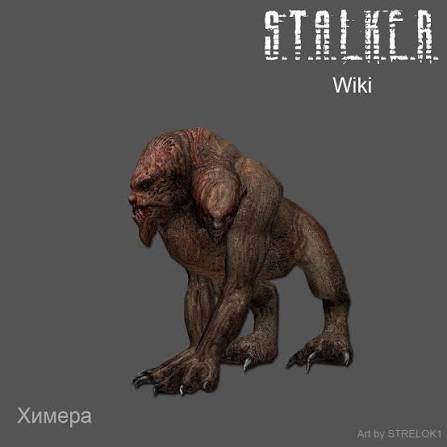
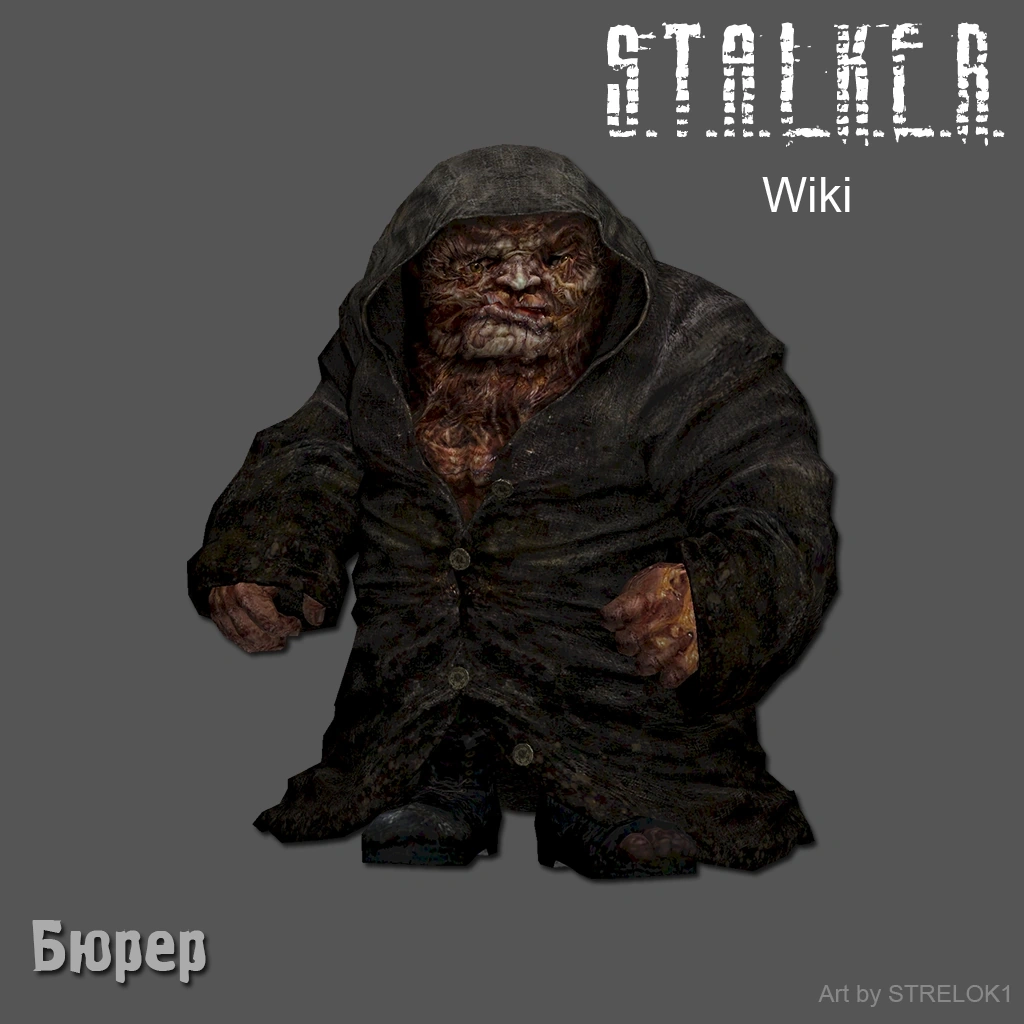
Two new mutants were introduced — the Chimera and the Burer. At the same time, the developers changed the behavior and abilities of already familiar creatures.


Emissions also play an important role. After an emission, the game world changes, and staying outside becomes dangerous. This forces players to pay attention to their surroundings and find shelter in advance.
These moments emphasize one of S.T.A.L.K.E.R.'s defining features — the Zone always remains unpredictable.
The Updated X-Ray Engine
GSC used a new version of its proprietary engine, X-Ray 1.6, to create the game.
It brought graphical improvements and support for more modern technologies. These included volumetric lighting, dynamic wet surfaces, realistic rain, and volumetric fog. The developers also worked on improving the engine's optimization and stability.
X-Ray 1.6 also became a foundation for further work by the modding community. Later, GSC released an SDK for the engine, allowing fans to create their own levels and work with the game's development tools.
More RPG Elements
Call of Prypiat also placed greater emphasis on role-playing elements.
Players received the ability to upgrade their weapons and equipment. The upgrade system became more advanced, while armor was divided into protection for the body and head, allowing these items to be upgraded separately.
This gave players more reasons to search for money, artifacts, and valuable equipment. Players could gradually develop their own playstyle — from a heavily armed fighter to a stalker who relied more on exploration and artifact hunting.
What Happened After the Finale?
Another important feature of the game was the ability to continue playing after completing the main story.
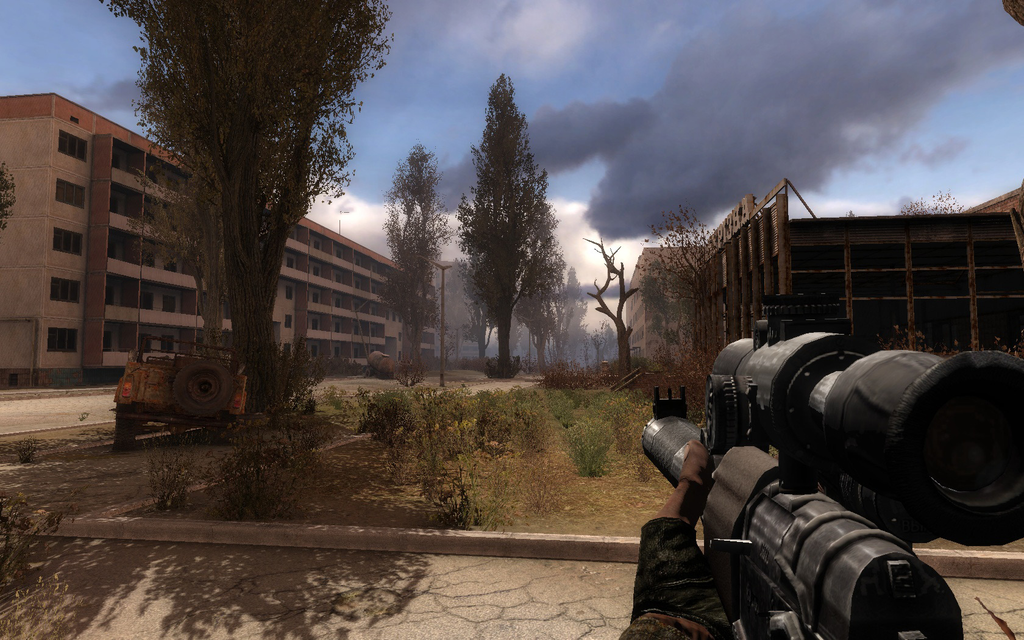
After the finale, players can remain in the Zone and continue exploring its territories. This allows them to complete unfinished quests, find rare artifacts, upgrade their equipment, or simply return to their favorite locations.
For a game where much of the enjoyment comes from exploration, this feature was particularly fitting.
The Last Classic Zone from GSC
Call of Prypiat became the third main game in the series after Shadow of Chernobyl and Clear Sky.
Unlike the previous installments, GSC focused not so much on radically changing the formula as on refining it. The developers expanded the world, added new mechanics, improved the quest system, placed greater emphasis on exploration, and continued developing the atmosphere of the Zone.
On October 2, 2009, the game was released for PC. Its international release followed in 2010.
Many years later, Call of Prypiat remains one of the most recognizable games created by GSC Game World. Its Zone, A-Life system, side quests, and atmosphere have become an important part of the history of the Ukrainian video game industry.
And even today, returning to Zaton, Jupiter, or Prypiat can bring back the same atmosphere of a dangerous territory where an anomaly, mutant, or completely unexpected encounter may be waiting around every corner.
As a reminder, Arkane Studios Was Founded on October 1, 1999 — The Story of the Studio Behind Dishonored and Prey.