


The original Grand Theft Auto became an open-world game primarily because the development team at DMA Design didn't want to spend time creating a main menu system. This and other unknown development details were revealed during the Grand Theft Auto Origins panel discussion at the Games Day 2026 event in Dundee, Scotland.
According to DMA creative director Gary Penn, the initial concept of the game was purely linear, where players had to choose missions from a standard list. However, lead programmer Keith Hamilton admitted that the shift to an open world happened for practical reasons—the developers simply refused to build a front-end interface. To organically integrate missions into the new free-roaming format, the team was inspired by the movie Die Hard with a Vengeance, which led to the appearance of the game's famous payphones for receiving tasks.

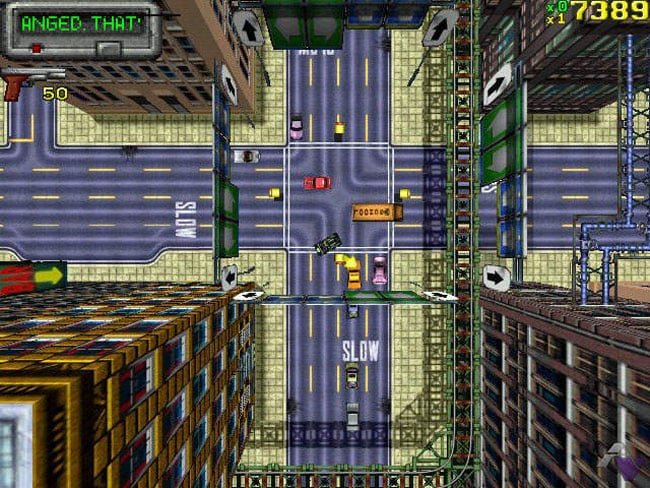
Special attention at the panel was given to the audio design. The idea for the iconic radio stations emerged from a series of short 30-second musical sketches in various genres, which the developers decided to categorize rather than throw away. Although the game was published by the music company BMG, licensing its existing library turned out to be too expensive. Therefore, the team had to rent a studio and record their own tracks. Additionally, the police radio chatter in the game wasn't a random collection of sounds: the system used an internal list of crimes and generated codes in real-time according to the player's current actions.
Despite the technical limitations of the time, the game had complex hidden mechanics that players weren't even aware of. For example, patrol cars actually left the police station and navigated through the city to the crime scene. Traffic lights had a fully functional cycle, although, as Hamilton jokingly admitted, he was the only one who ever stopped at them according to the rules.

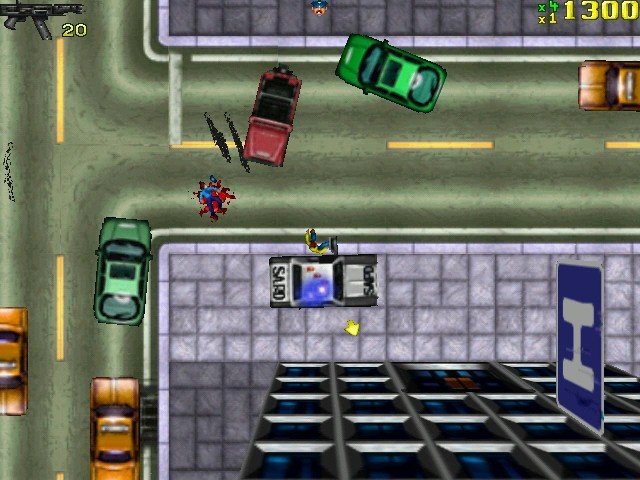
Many recognizable elements arose spontaneously due to "feature creep". The ability to steal an ambulance, turn on the siren, and make traffic part out of the way appeared simply during experimentation. However, the realistic idea of navigating using car indicator lights had to be abandoned in favor of the classic giant yellow arrow, as the lights stopped working after the car took its first hit of damage.
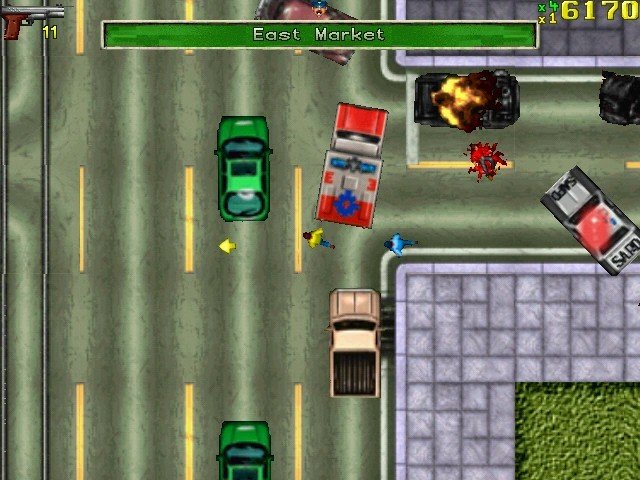
To successfully compete with Driver at the time, which had the advantage of full 3D graphics, the developers took a proven path and released a playable demo on an Official PlayStation Magazine disc. Once gamers got their hands on the game, they quickly became fans.

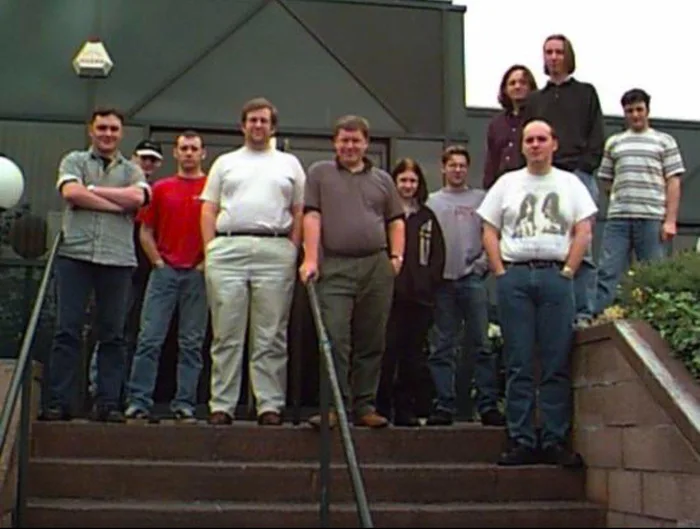
Interestingly, the team was secretly glad about Nintendo's decision to pass on releasing the game for the N64, as they had no idea how to implement radio stations without using CD media. Years later, Mario series creator Shigeru Miyamoto jokingly admitted in a conversation with DMA co-founder Dave Jones that Nintendo perhaps should have supported the project after all.
As a reminder, Ukrainian Resil Finishes 5th–6th at EVO France 2026 in Guilty Gear: Strive