


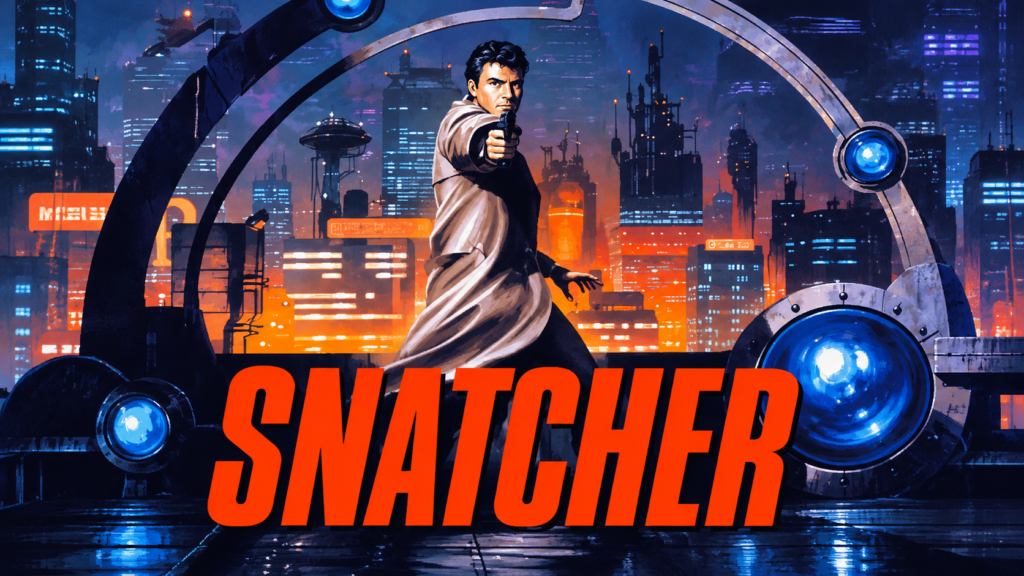
On November 26, 1988, Snatcher was released in Japan for the PC-8801 — one of Hideo Kojima’s first major auteur works. At the time, the future creator of Metal Gear Solid was not yet a world-famous game designer, but he was already trying to create games that went beyond the usual genre conventions.
Snatcher was a science-fiction adventure game with a strong cyberpunk atmosphere. Its world combined a detective story, futuristic technology, androids, and themes that were popular in 1980s science fiction. At the center of the story were mysterious creatures capable of replacing humans while remaining almost completely undetected by society.
From Metal Gear to Snatcher
Kojima joined Konami in 1986 as a planner. The following year, he made his directorial debut with the first Metal Gear, which laid the foundation for his future career. After that, he was given the opportunity to work on a new, much more cinematic project.

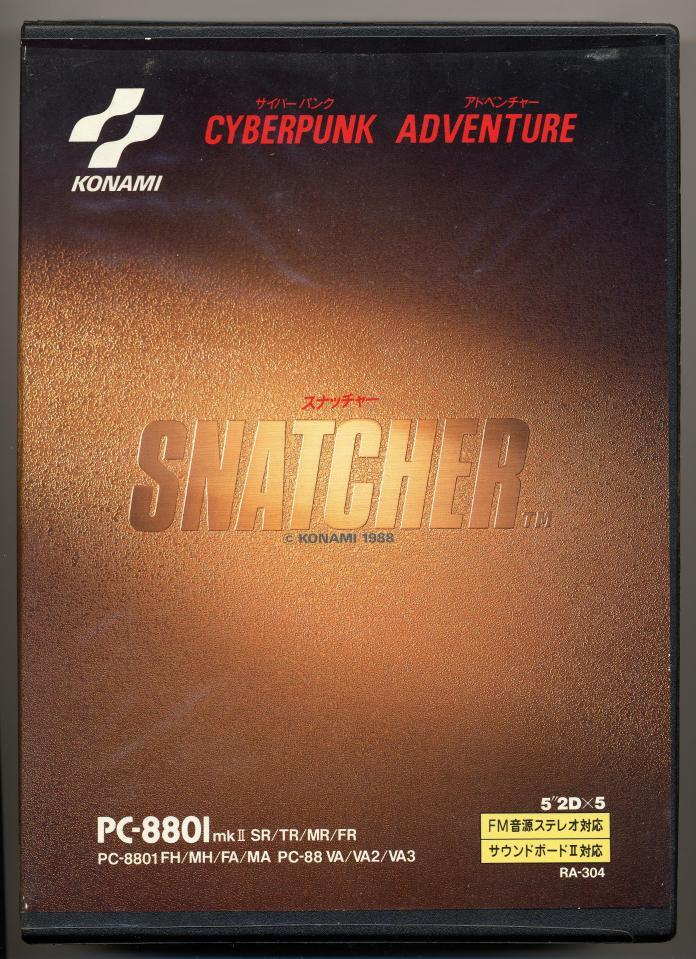
The original name of Snatcher was different — Junker. Archived materials from Kojima Productions show early concepts for the game under this name.
Kojima decided to create a science-fiction adventure that drew heavily from the cyberpunk culture of the time. The game featured a dark futuristic world in which humanity was forced to coexist with mysterious creatures that were gradually infiltrating society.
Neo Kobe and the Mysterious Snatchers
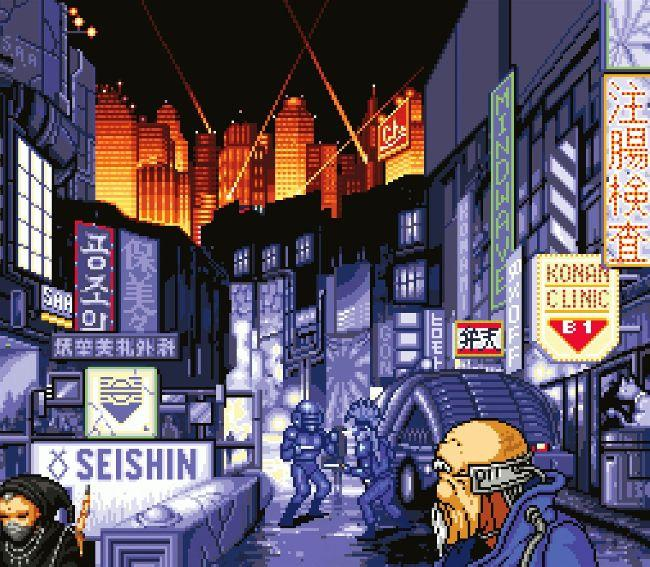
The events of Snatcher take place in Neo Kobe, a futuristic city where humanity is trying to rebuild normal life after a major catastrophe.
The main character is Gillian Seed, a member of the special Junker unit responsible for hunting down and destroying Snatchers. These creatures look like humans but can kill their victims and take their place.
This concept became the foundation of the game’s detective elements. The player had to do more than simply explore the world — they gradually uncovered the mystery surrounding the Snatchers and tried to determine what they were and where they came from.
Konami later described the Snatchers as mysterious creatures that infiltrated Neo Kobe society, killed people, and assumed their identities.
A Game Designed Like an Interactive Movie
Snatcher was an adventure game, so much of the gameplay consisted of dialogue, exploring locations, and gathering information. Kojima actively used cinematic techniques, attempting to make the story feel like a science-fiction movie.
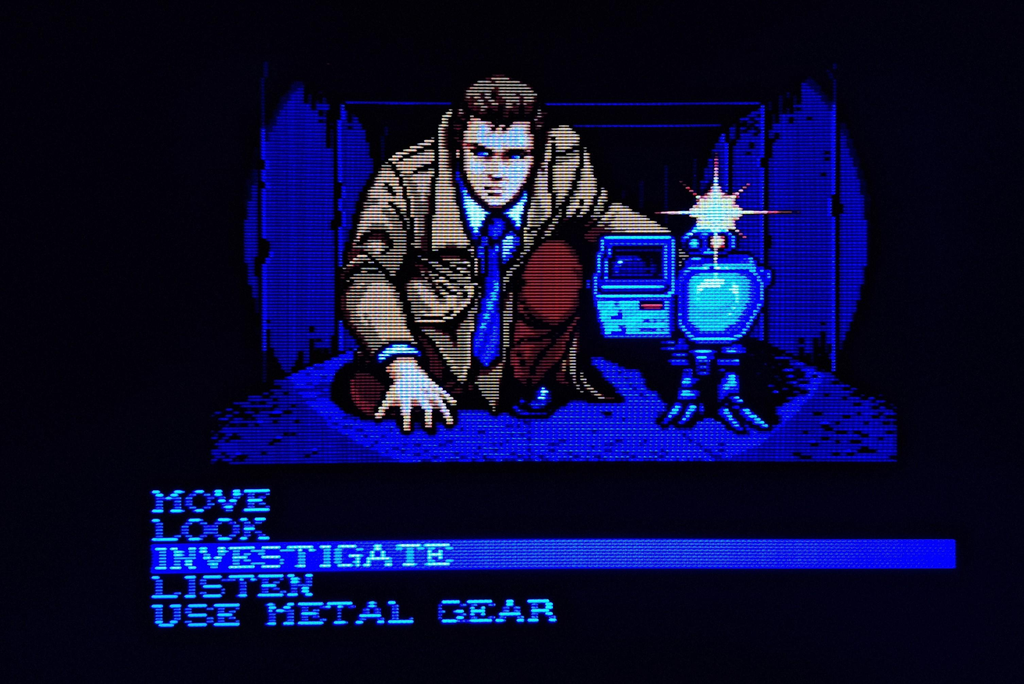
This approach became one of the defining characteristics of his later work. Even in Snatcher, he was already experimenting with storytelling, characters, scene direction, and extensive dialogue.
The technical side of development was also important. According to Konami representatives, the Snatcher team working on the PC-8801 version developed approaches to using a scripting system to control events and branches in the adventure game. This experience was later used during the development of another well-known Kojima project — Policenauts.
Snatcher Continued Its Life on Other Platforms
The game’s story did not end with its original release. Snatcher received a version for the MSX2, and Kojima and his team continued working on the project and bringing it to other platforms.
One of the most important versions was released for the PC Engine CD, which allowed the team to significantly expand the game’s audio and visual presentation thanks to the capabilities of CD media.
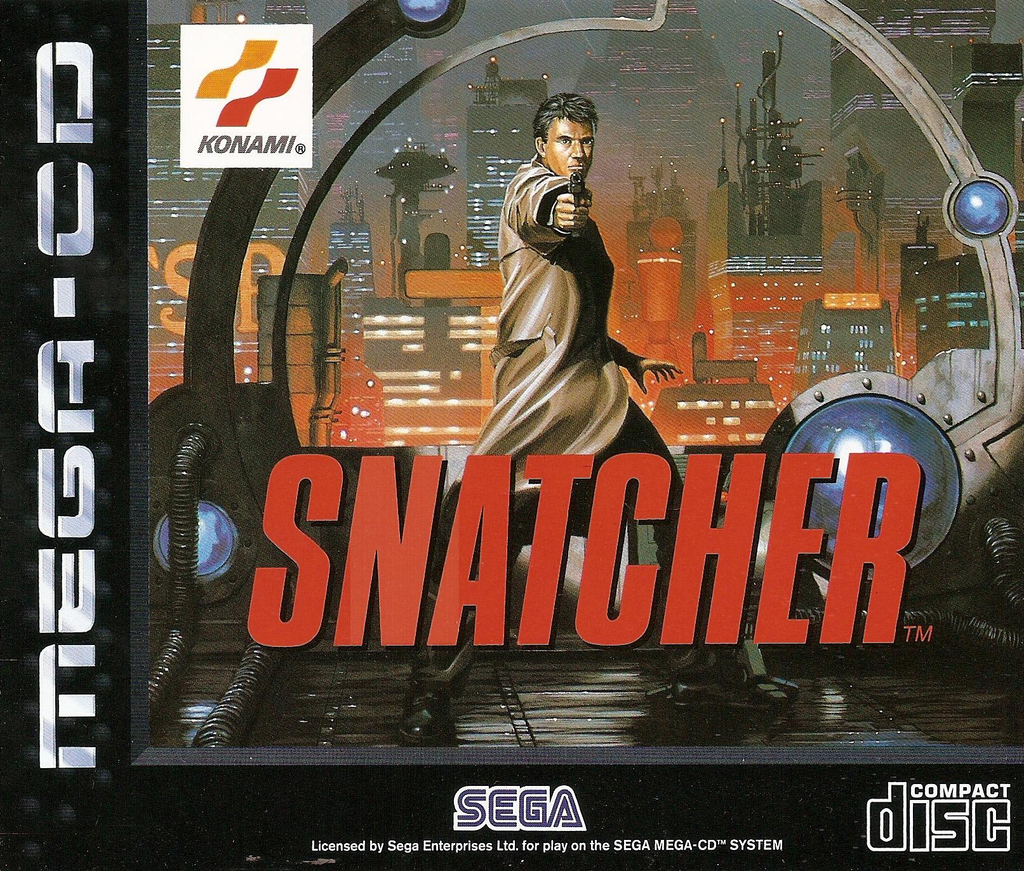
However, the 1994 Sega CD version was the most important for an international audience. It brought Snatcher to North America and made the game available to English-speaking players.
The Sega CD version became a cult favorite among Western players. At the time, Kojima did not yet have the international popularity he would gain after Metal Gear Solid, so for many players, Snatcher was their first introduction to his early work.
A Game That Never Got a Sequel
Despite Snatcher’s cult status, the series never received a full sequel. However, Kojima returned to its universe several times.
In 2011, he even said that he would like to create a new Snatcher if he had enough time and resources to do so.
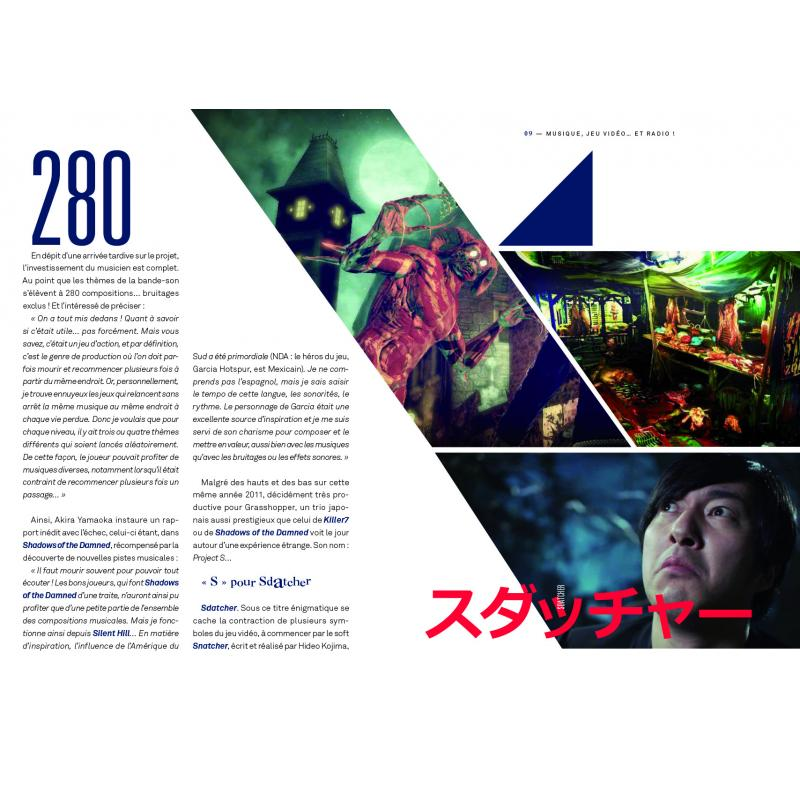
That same year, Kojima worked with Goichi Suda, better known as Suda51, on Sdatcher — a radio drama set in the world of Snatcher. It was not a new game, but the project showed that Kojima had not forgotten about his early science-fiction universe.
The influence of Snatcher can also be seen in Kojima’s later work. Its combination of detective fiction, science fiction, technology, and cinematic storytelling became an important part of the developer’s creative style.
Snatcher’s Legacy
Today, Snatcher remains one of Hideo Kojima’s most unusual early works. The game never achieved the same popularity as Metal Gear, but it already contained many of the elements that would later become central to his creative identity.

Kojima demonstrated that a video game could be more than a collection of mechanics — it could be a way to tell a large-scale story through characters, dialogue, cinematic direction, and world-building. A few years later, he would further develop these principles in Policenauts and eventually in Metal Gear Solid.
Even decades after its release, Snatcher remains an important part of the history of Japanese adventure games. Konami described its universe as a classic and noted that the game still had a significant fan base many years after its release.
On November 26, 1988, Snatcher began one of the most interesting chapters of Hideo Kojima’s early career. Although the series never received a full sequel, its ideas and style became an important part of the creative legacy of one of Japan’s most famous game designers.
As a reminder, how GSC Game World prepared to conquer Xbox 360.