


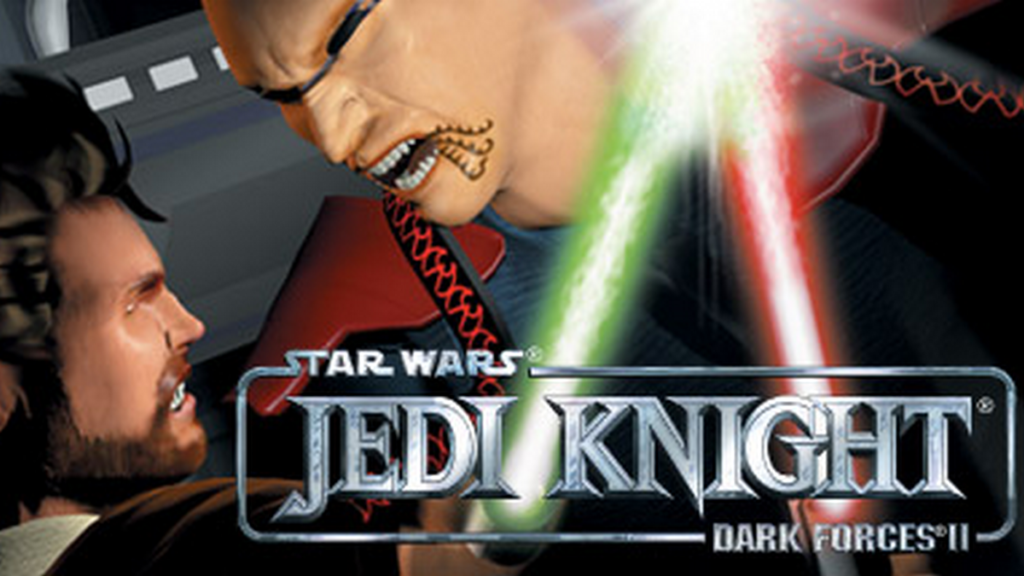
On October 9, 1997, STAR WARS Jedi Knight: Dark Forces II was released. Developed by LucasArts, this action-adventure shooter continued the story of Dark Forces and marked an important step in the evolution of Star Wars video games. Players could not only fight enemies with blasters but also wield a lightsaber and use the Force. These new features helped make the game one of the most notable entries in the classic Jedi Knight series.
From Mercenary to Jedi
The main character was Kyle Katarn, a character players already knew from the original Dark Forces, released in 1995. Initially, he was a mercenary who worked for the Rebel Alliance and fought against the Galactic Empire. In the sequel, his story became more personal: Kyle learned more about his father's death and discovered his connection to the legacy of the Jedi.
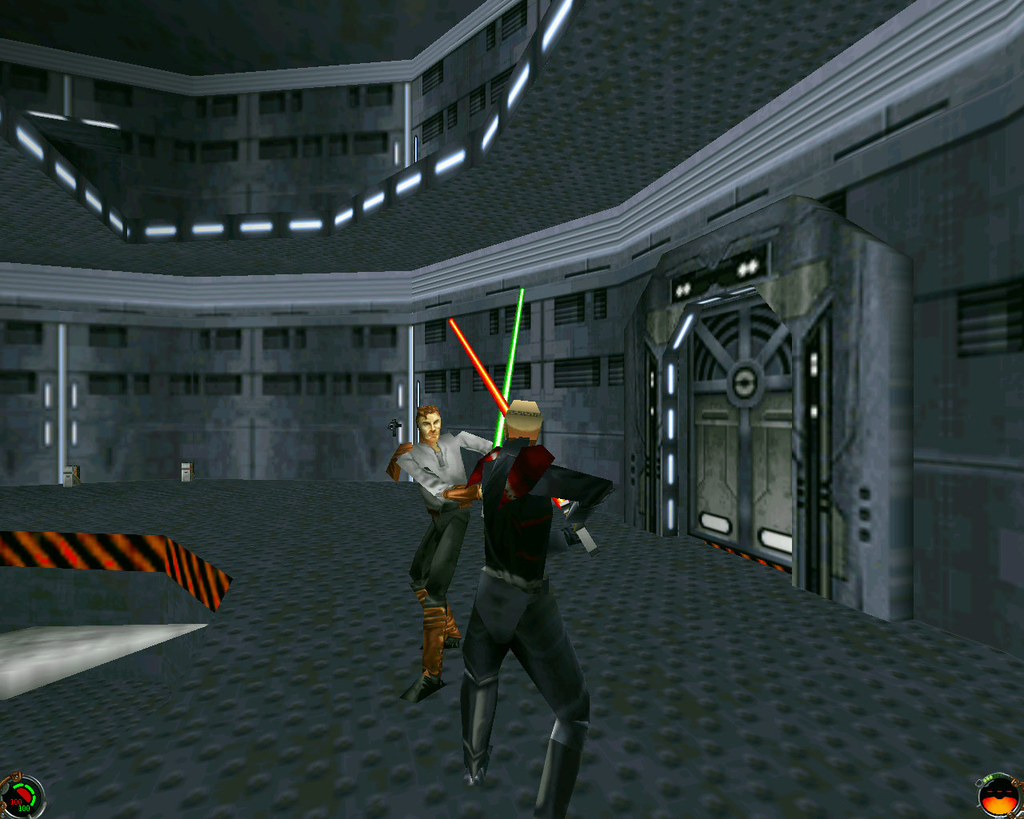
The events take place after the destruction of the second Death Star, when the Galactic Empire is losing its former power and new forces are emerging across the galaxy, seeking to seize control. One of the main threats is the Dark Jedi Jerec, who is searching for the legendary Valley of the Jedi — a place that holds immense power. Kyle sets out to find answers and gradually masters abilities that change his role in the conflict.
The Lightsaber and the Force — More Than Just Weapons
The biggest difference between Dark Forces II and its predecessor was that Kyle gained access to a lightsaber and Force abilities. While the first Dark Forces focused primarily on gunplay, the sequel allowed players to experience what it was like to be a Jedi, using not only conventional weapons but also special abilities for combat and exploration.
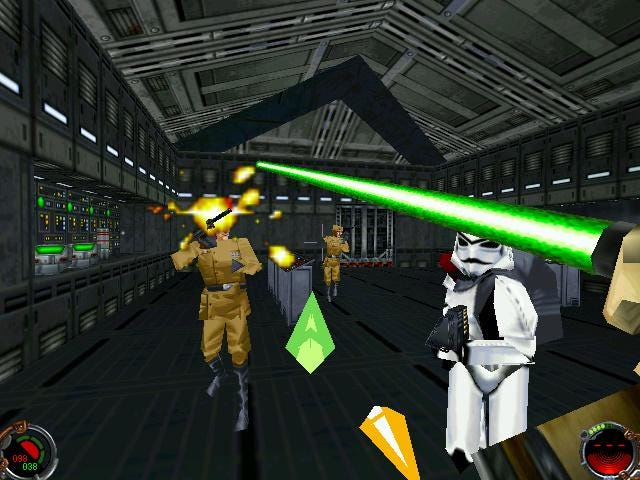
The game combined a first-person perspective with the option to switch to third-person view. This was particularly important during lightsaber duels, as it allowed players to see their character, opponents, and movements more clearly during combat. The Force system also included a progression mechanic: players could decide which abilities to improve, gradually developing their own playstyle.
Light or Dark: The Player's Choices Matter
Another important feature of Dark Forces II was its light-side and dark-side Force system. Kyle's actions influenced the path he followed. Players could adhere to the principles of the Jedi or give in to the dark side, with their choices affecting the story's development and its ending.
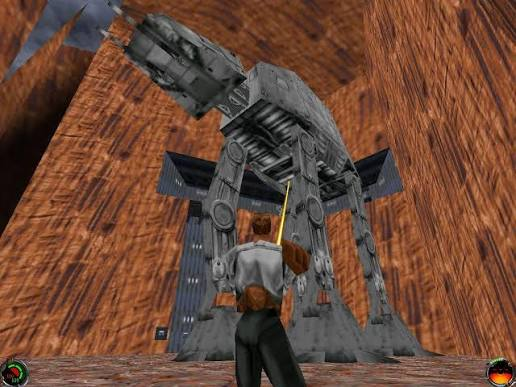
This approach gave the game replay value: completing it was about more than simply defeating the final enemy. The player's decisions helped determine what kind of person the protagonist would become and which ending his journey would lead to. By combining combat with character progression, the game incorporated elements of role-playing games and expanded the possibilities of the shooter genre.
Live-Action Actors and a Step into 3D
In 1997, video games were increasingly moving toward fully three-dimensional graphics, and Jedi Knight was one example of this transition. LucasArts used the Sith engine, which supported true 3D graphics and positional audio. This made it possible to create more immersive environments and dynamic battles while better capturing the atmosphere of the Star Wars universe.
Live-action cutscenes also played an important role in telling the story. Actors were filmed against a blue screen, and their performances were later combined with computer-generated environments. Today, these scenes may seem somewhat theatrical, but in the late 1990s, they were one way to make a game's story feel more cinematic.
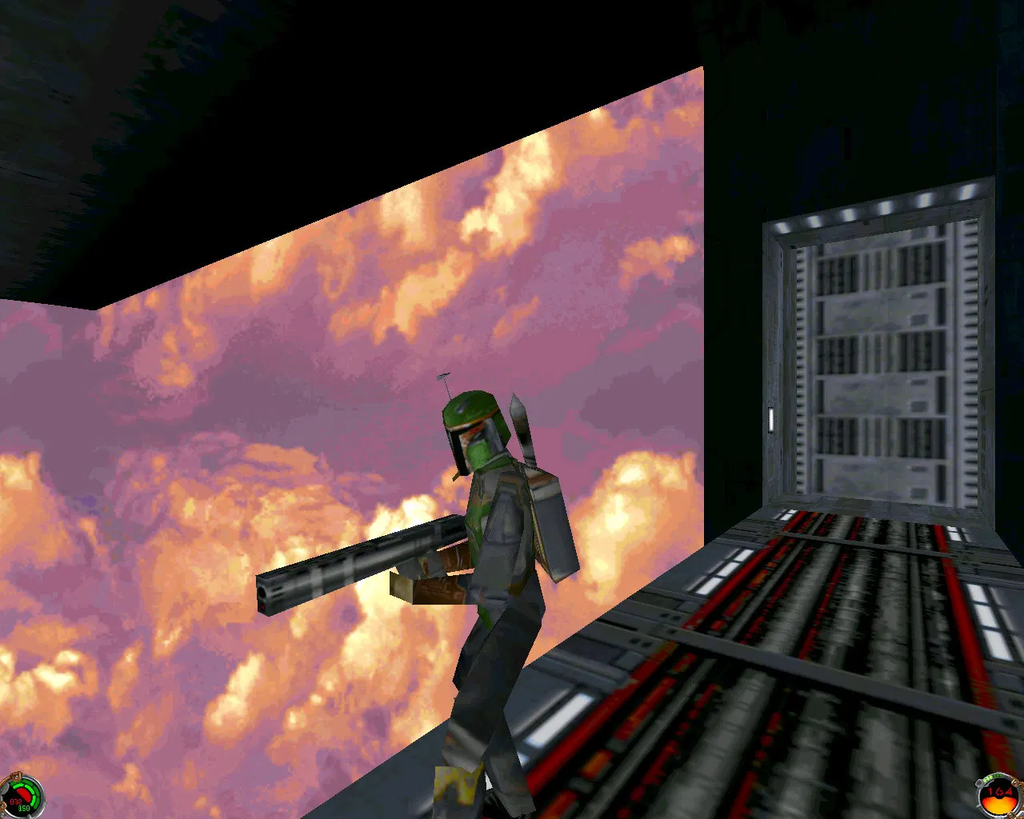
The Beginning of a New Era for Jedi Games
Dark Forces II was the first game in the series to feature a multiplayer mode over a local network or the internet. This allowed players to compete against one another, including in battles involving the Force and lightsabers. As a result, the game expanded not only the single-player campaign but also the possibilities for multiplayer experiences in the Star Wars universe.
Kyle Katarn's story continued in the expansion Mysteries of the Sith and later in Jedi Knight II: Jedi Outcast and Jedi Knight: Jedi Academy. These games developed the ideas introduced in Dark Forces II and helped establish a distinct series of Jedi adventures in which lightsabers, the Force, and personal choices became central elements of the gameplay.
STAR WARS Jedi Knight: Dark Forces II demonstrated that a game based on a famous film franchise could be much more than just a shooter with blasters. With its lightsaber combat, Force abilities, choices between the light and dark sides, and cinematic storytelling, it gave players the opportunity not merely to witness adventures in a beloved universe but to shape the hero's path themselves.
As a reminder, Monster Hunter Stories — 10 years of history about hunters, riders, and monsters.