


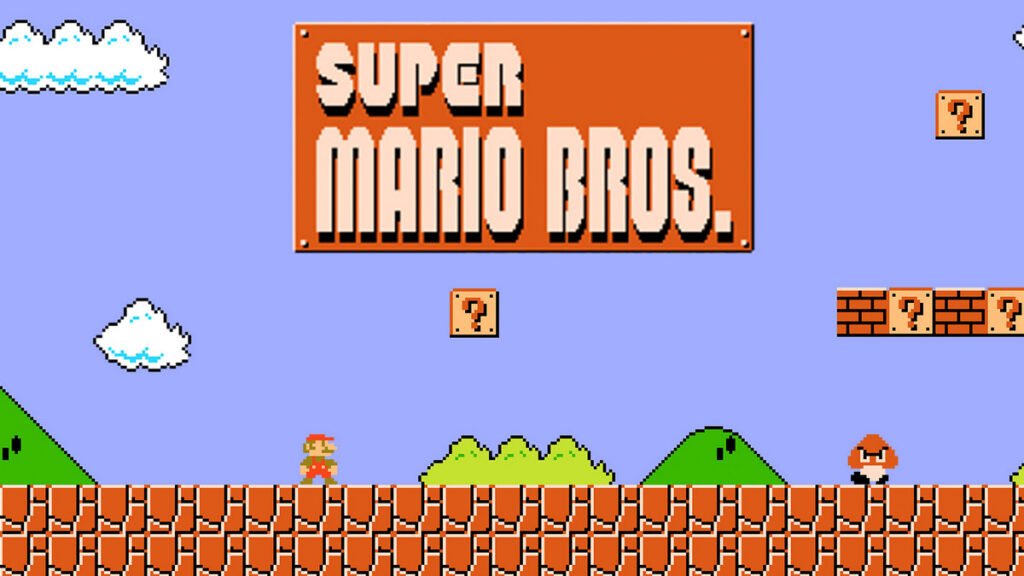
On September 13, 1985, Super Mario Bros. was released in Japan — a game that subsequently became not just one of Nintendo's major hits, but the foundation for the development of platformers and one of the most important works in video game history.
Today, it is difficult to imagine how unusual it was for its time. Running to the right, jumping on enemies, collecting coins, breaking blocks, and searching for secrets seems completely natural. But in 1985, Nintendo essentially showed how far one could go in creating a vast adventure world on a home console.
Super Mario Bros. became the game that taught the industry to speak the language of platformers.
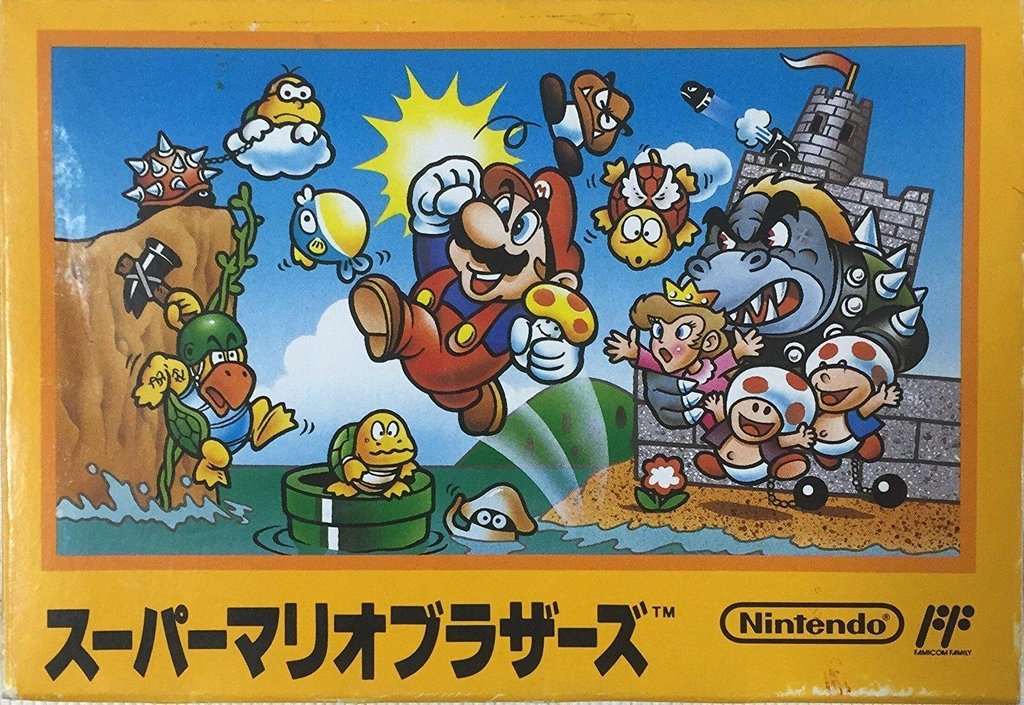
Before Super Mario Bros., There Was Mario
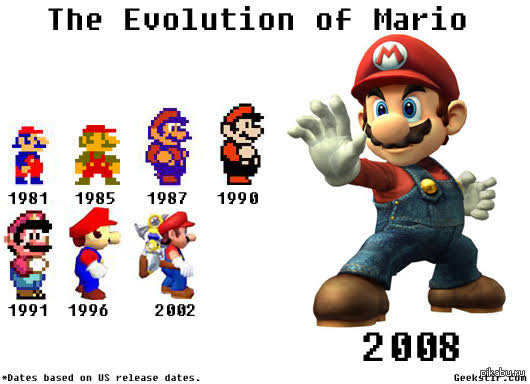
The story of the game began long before 1985. The character the whole world knows today as Mario first appeared in Donkey Kong in 1981. Back then, he was still called Jumpman. Two years later, Nintendo released Mario Bros., where the hero received his familiar name and his own game.
But these were arcade projects. Their structure differed significantly from what Super Mario Bros. later offered: a single screen, short rounds, a simpler level structure, and a main emphasis on scoring points.
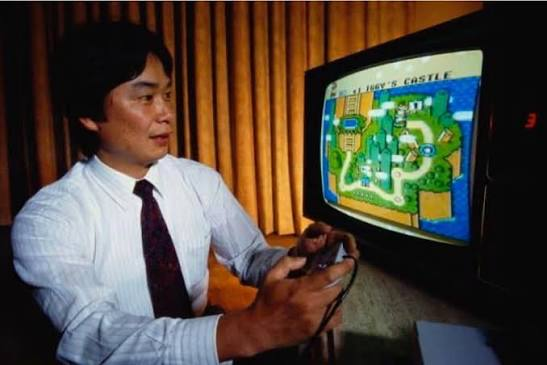
Nintendo wanted to make something significantly larger in scale. After the release of the Famicom in 1983, the company gradually accumulated experience working with a home console. And it was Shigeru Miyamoto and Takashi Tezuka's team that was assigned to create a game meant to serve as a showcase of the Famicom's capabilities. Miyamoto later described Super Mario Bros. as a sort of culmination of the technology and console experience Nintendo had gathered.
How Super Mario Bros. Was Born
Development began with a very simple prototype. Initially, a small rectangle was essentially moving across the screen. The team gradually transformed this simple structure into a full-fledged game.
Interestingly, Super Mario Bros. was not originally intended to be a classic platformer in the form we know today. The developers even experimented with a concept where the character could fly a rocket and shoot at enemies. Ultimately, the team abandoned this idea and focused on what became the game's core strength — movement, jumping, and level exploration.
Mario himself was also not immediately the central element of the project. After analyzing the success of Mario Bros., the team decided to use the character again.
And then began the most important part — the level design.
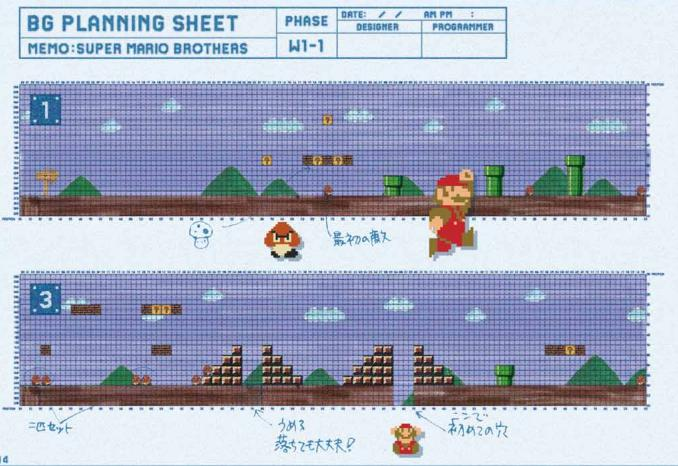
World 1-1 — One of the Most Important Levels in History
If you need to name one level that should be shown to game design students, World 1-1 of Super Mario Bros. would be one of the best candidates.
Nintendo didn't just give the player a level. It effectively taught them how to play without text instructions.
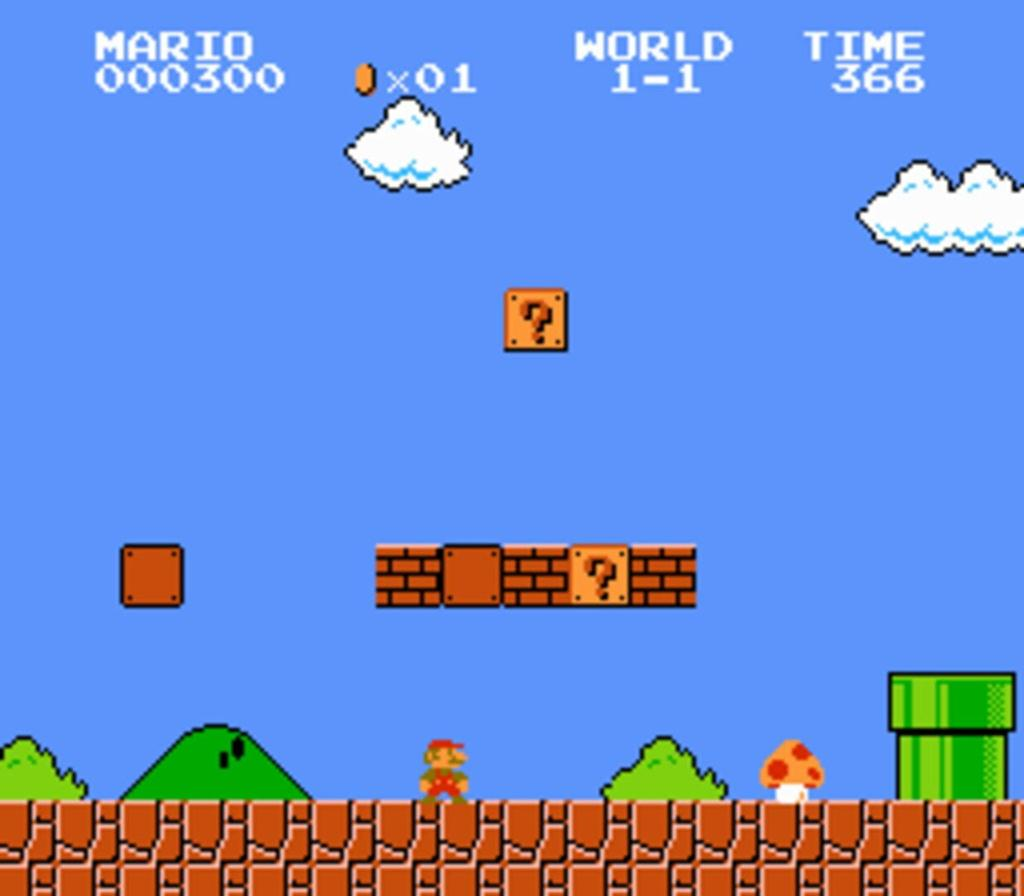
At the start, Mario stands in front of a block with a question mark. The player sees it, moves forward, and interacts with the block. Then a mushroom appears.
If the player doesn't know what to do, they might try to avoid the mushroom. But the layout of the level effectively pushes them to interact with it. After that, Mario grows larger.
That is how the game explains mechanics without a single tutorial menu.
This is one of the main reasons why World 1-1 became a legendary example of level design. The developers gradually introduce the player to mechanics, enemies, platforms, pits, power-ups, and hazards.
Simplicity Backed by Complex Engineering
Super Mario Bros. looked simple, but behind this simplicity stood many technical limitations.
The Famicom did not have the vast amounts of memory found in modern consoles. Therefore, the developers had to literally squeeze the maximum out of every element.
For example, the background, objects, and colors were created under strict technical constraints. Even the clouds and bushes use the exact same graphic element, just in a different color scheme.
Miyamoto and the team were not trying to create the most detailed world possible. They were creating the clearest possible world out of the available resources. And that became one of Nintendo's defining hallmarks.

Music Almost Everyone Knows
A story of its own is the music. The soundtrack was created by Koji Kondo, and the main theme of Super Mario Bros. became one of the most famous melodies in video game history.
For Nintendo, this was an important experiment: the music had to do more than play in the background; it needed to maintain the game's pace and not annoy the player even after repeated loops of a short composition.
Today, the main theme of Super Mario Bros. is no longer just a soundtrack. It is part of global pop culture. It is recognized even by people who have never beaten the game.
September 13, 1985
It was on September 13, 1985, that Super Mario Bros. debuted in Japan on the Famicom.
Later, the game was released on the NES in other markets: in North America in 1985, and in Europe in 1987. And it was after its launch outside Japan that what can be called a global explosion began.
Nintendo gained more than just a popular game. It obtained a system-defining hit for its console. Super Mario Bros. became one of the key factors behind the NES's success in North America, helping Nintendo restore audience trust in home consoles following the American video game crash of 1983. At the same time, claiming that a single game "saved the entire industry" is a simplification of a more complex process.
Over 40 Million Copies
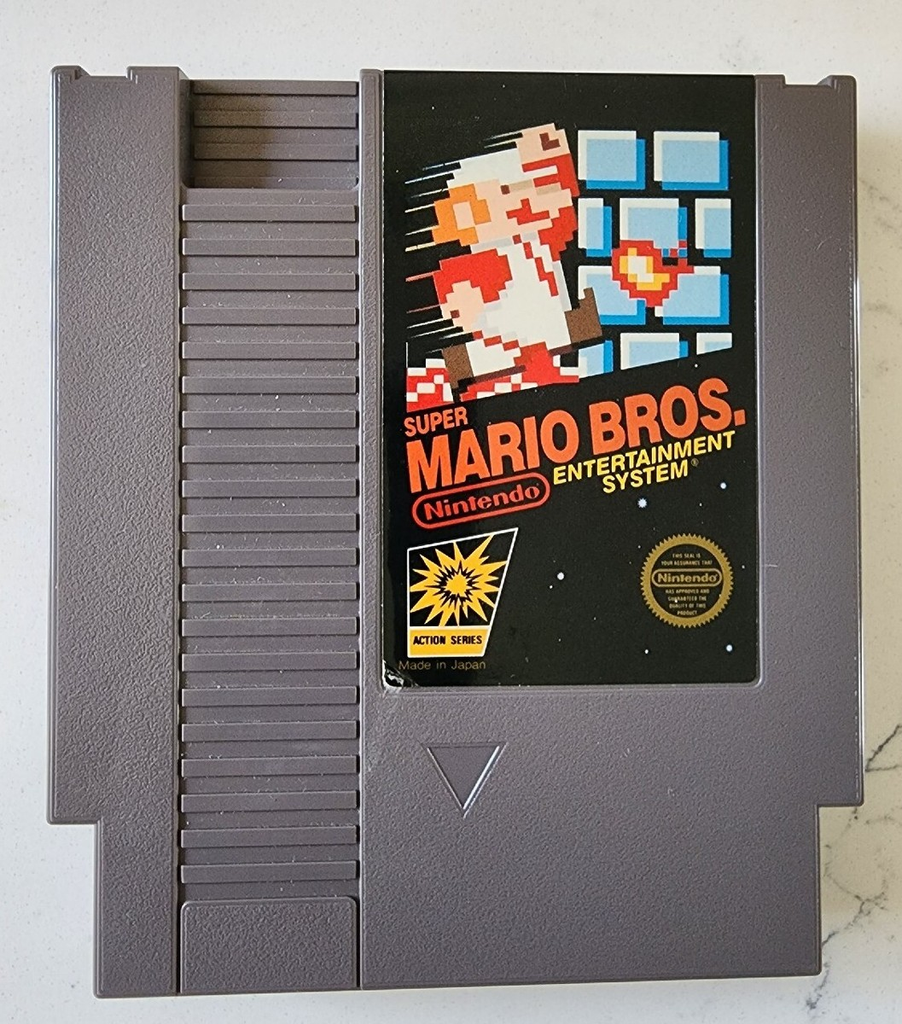
The commercial result was incredible. The original NES version of Super Mario Bros. sold approximately 40.24 million copies. For decades, it remained one of the most successful standalone games in history. Factoring in re-releases and ports, that figure exceeds 58 million.
This wasn't just a success for Nintendo. It was proof that a home console could become a mass phenomenon. Super Mario Bros. became one of the primary reasons people bought the NES not merely as a tech device, but as a platform for a specific experience.
Super Mario Bros. Changed the Platformer Genre Itself
Platformers already existed before Super Mario Bros. However, Nintendo set a new standard. Left-to-right movement, vast levels, secret passages, bonuses, power-ups, coins, enemies, bosses, hidden blocks, distinct worlds — Nintendo didn't invent all of these from scratch.
But Super Mario Bros. brought these elements together into such a cohesive system that subsequent generations of developers began using it as their benchmark. The game effectively demonstrated how to build a platformer: teach → surprise → challenge → reward → introduce a new mechanic → force the player to apply it in a new way.
This principle has survived dozens of console generations.
Secrets That Kept Players Coming Back
Another revolutionary aspect was that the game didn't reveal everything to the player at once.
Underground levels, hidden blocks, warp zones, secret passages, and the famous Minus World created a sense that something new could be waiting just past the next screen.
Players began to experiment: "What happens if I jump here?", "What if I hit this block?", "What if I don't go where the level leads?". This curiosity became one of the main drivers behind the game's longevity.
How Was It Received?
Today, Super Mario Bros. almost automatically makes lists of the most important games of all time. Scores on modern aggregators remain very high. Nintendo Life rates the game a 9/10, with a user rating of 8.2/10 on the game's page.
Metacritic currently shows 84/100, while their retrospective review rated it an 8.3/10.
What's more interesting is that modern critical acclaim isn't built solely on nostalgia. Critics continue to highlight the precise controls, level design, and how well the game plays even decades later.
Mario Became the Face of Nintendo
Mario was already a known character before Super Mario Bros. But it was this game that turned him into the face of Nintendo.
Mario ceased to be merely the protagonist of a single video game. He became a character who could be utilized across dozens of different formats. Later came Mario Kart, Mario Party, Paper Mario, Mario Tennis, Super Smash Bros., and countless other projects.
Yet Super Mario Bros. served as the foundation for this colossal franchise. According to Guinness World Records, as of 2025, the entire Super Mario franchise exceeded 890 million copies sold, making it the best-selling video game series in history.
Why Is Super Mario Bros. Still Important?
One could say it's just an old game. But then we would miss the main point. Super Mario Bros. is important not because it features Mario, mushrooms, or turtles. It is important because it showed what a video game could be.
It demonstrated that a level can teach without text. That difficulty can be ramped up gradually. That music can become part of a game's identity. That secrets can motivate exploration. That a character can become a company mascot. And that a single game can sell millions of consoles.
That is why Super Mario Bros. didn't just remain a classic. It became part of the foundation of modern game design.
Super Mario Bros.' Place in Video Game History
If you were to compile a hypothetical list of games that had the greatest impact on the industry's development, Super Mario Bros. would be virtually impossible to omit. Pong showed that video games could become mainstream entertainment. Space Invaders demonstrated the power of the arcade. Donkey Kong gave the industry Mario. And Super Mario Bros. showed what a full-fledged home video game world could look like.
Its influence is felt in platformers, level design, soundtracks, controls, secrets, reward systems, and even in how companies create their own mascot characters.
That is why, 41 years after its release, Super Mario Bros. remains more than just an old Nintendo game. It is one of those video games without which the history of the industry would look completely different.
As a reminder, Steam: How Valve Conquered the World of PC Gaming.