


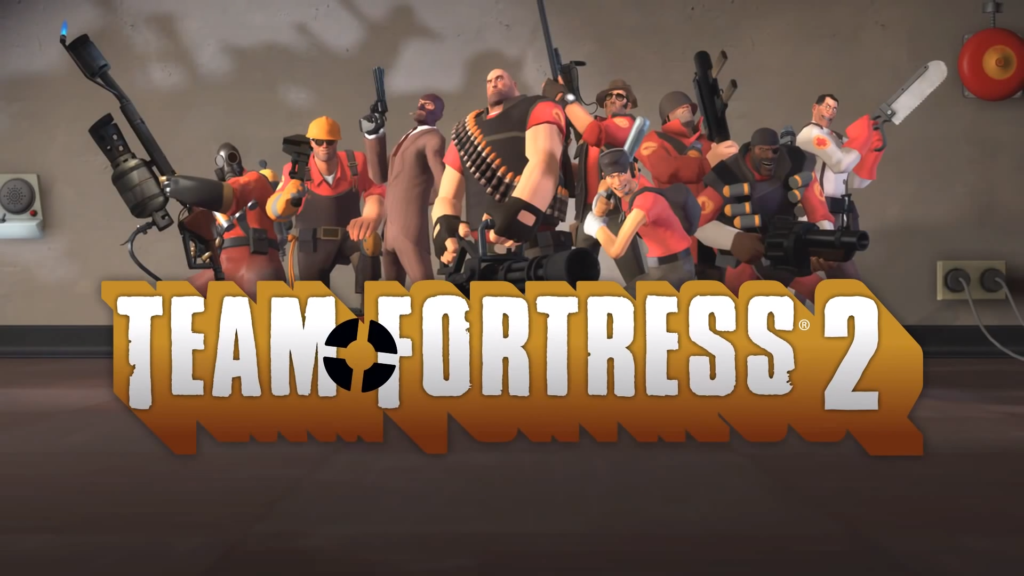
On October 10, 2007, Team Fortress 2, a team-based shooter developed by Valve, was officially released. It would go on to become one of the most recognizable multiplayer games of its generation. Nine unique classes, a cartoon-inspired visual style, absurd humor, and regular updates helped the game build its own culture that extends far beyond ordinary matches.
In 2026, the game celebrates its 19th anniversary. Over the years, Team Fortress 2 has transitioned to a free-to-play model, developed an in-game economy, received numerous major updates, and welcomed multiple generations of players. Yet its core idea has remained unchanged: a team-based game where every character has a distinct personality and the funniest moments often emerge during an ordinary match.
From a Quake Mod to a Full-Fledged Series
The history of Team Fortress dates back to 1996. At the time, Robin Walker and John Cook, alongside other team members, were working on a modification for Quake that introduced a class-based system with different abilities and roles. It was one way to move beyond the traditional shooter formula, where most players had roughly the same capabilities.
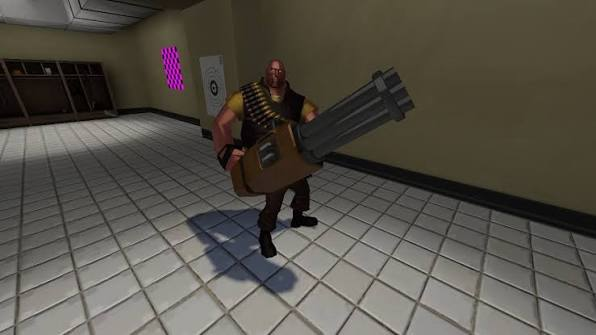
The concept proved successful. In 1999, Valve released Team Fortress Classic, an adaptation of the original modification for Half-Life. The project further developed the idea of team-based combat, where success depended not only on individual accuracy but also on cooperation between different classes.
The next step was Team Fortress 2. However, development stretched over several years, and the game's concept changed repeatedly. Initially, Valve presented a much more realistic vision for the upcoming shooter, featuring a military theme, modern weapons, and a more serious aesthetic.
Eventually, the developers abandoned this direction in favor of stylized graphics and distinctive characters. That decision ultimately became one of the game's defining features.
The Long-Awaited Release as Part of The Orange Box
In September 2007, Team Fortress 2 became available in beta for users who purchased The Orange Box through Steam. On October 10, 2007, the compilation was officially released, also featuring Half-Life 2: Episode Two and Portal.

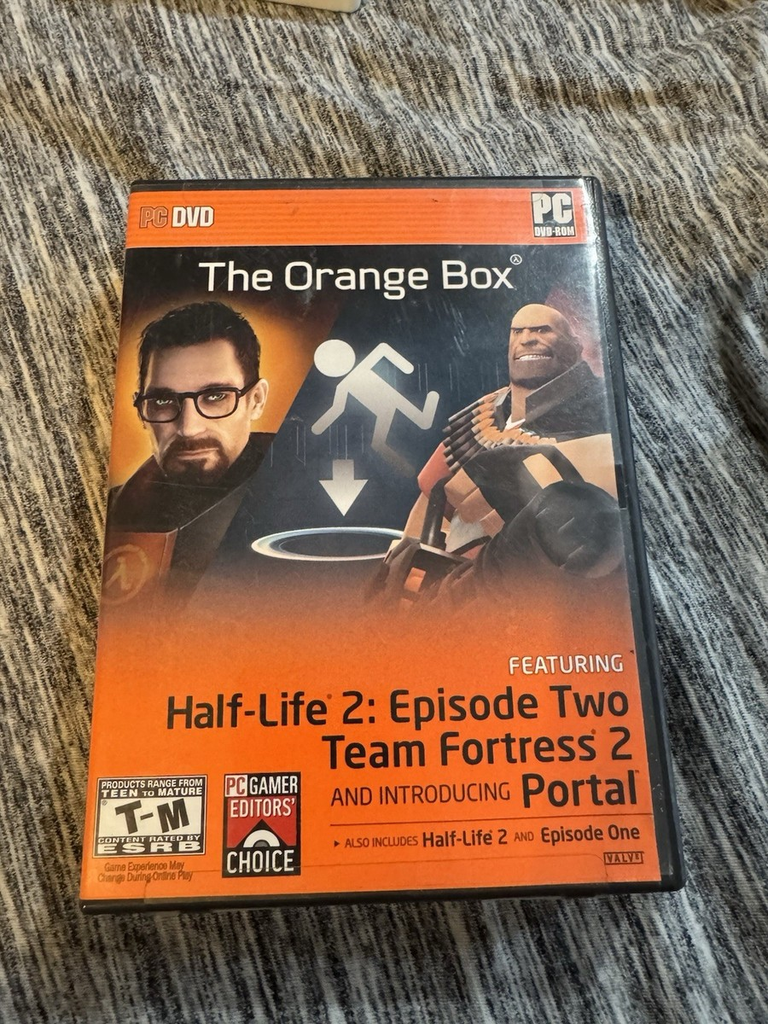
The Orange Box was a major event for Valve, bringing together several different projects, each with its own audience and gameplay concept. Team Fortress 2 stood out because, instead of offering a story-driven campaign, it focused on multiplayer matches.
The game launched on PC and Xbox 360 and later became available on PlayStation 3 as part of The Orange Box. From the beginning, it attracted attention not only for its team-based firefights but also for its unusual art style, which differed significantly from most popular shooters of the time.
Nine Classes That Defined the Game
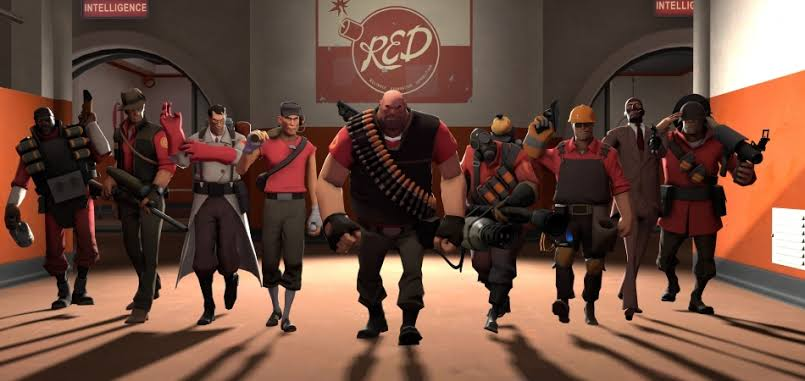
At the heart of Team Fortress 2 is a system of nine classes. Each has its own weapons, movement speed, strengths, and weaknesses. As a result, even a familiar map can feel completely different depending on the team's composition.
The Scout relies on speed and mobility, the Soldier uses a rocket launcher for attacks and explosive jumps, while the Pyro controls close-range encounters with a flamethrower. The Demoman specializes in explosives and setting traps, while the Heavy can deal enormous damage with his minigun.
The remaining classes play equally important roles. The Engineer builds sentry guns, dispensers, and teleporters to help the team hold positions. The Medic heals allies and can activate ÜberCharge, temporary invulnerability that can turn the tide of battle. The Sniper eliminates high-priority targets from a distance, while the Spy uses disguises, invisibility, and the ability to impersonate enemies to infiltrate the opposing team's backline.
This system makes Team Fortress 2 a game built around cooperation. For example, a well-positioned Engineer sentry gun can stop an attack, but without support from a Medic or other teammates, its position becomes easier to overwhelm. A well-timed ÜberCharge can also help a team break through a defense that once seemed impenetrable.
At the same time, classes do not lock players into a single playstyle. Different weapons offer alternative approaches, allowing players to change their usual tactics even while using the same character.
Why Team Fortress 2 Was Unlike Other Shooters
In the second half of the 2000s, many developers aimed to make their games as realistic as possible. Valve took the opposite approach, creating a world that resembles an animated film about a conflict between two private armies — RED and BLU.
Team Fortress 2's visual style was inspired by commercial illustrations from the first half of the 20th century. Characters have distinctive silhouettes, exaggerated proportions, and easily recognizable color schemes. This not only creates a unique atmosphere but also helps players quickly identify enemy classes during combat.
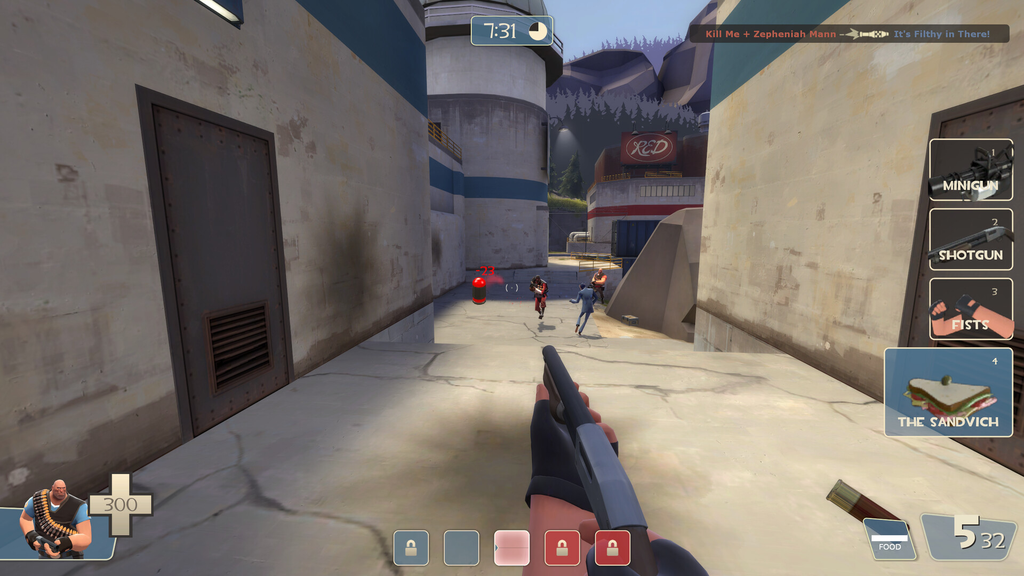
Humor plays an equally important role. Instead of a serious military drama, players got exaggerated personalities, absurd situations, and characters who treat even the most ridiculous events with complete seriousness.
This approach was particularly evident in the Meet the Team series of short films. Videos such as Meet the Heavy, Meet the Scout, and Meet the Spy revealed the mercenaries' personalities through their monologues, behavior, and interactions. They became an integral part of gaming culture, and some scenes evolved into popular internet memes.
Updates That Gradually Transformed the Game
After launch, Valve did not limit itself to bug fixes and technical improvements. The company began regularly introducing new content, changing not only the game's balance but also its overall structure.
In 2008, several major class updates were released, including updates for the Medic, Pyro, and Heavy. They introduced new weapons, achievements, and mechanics, expanding the possibilities of familiar characters. Over time, Valve also began actively involving the community in the game's development by adding player-created maps and items.
In 2009, the first hats appeared, becoming one of Team Fortress 2's most recognizable symbols. What initially seemed like a cosmetic addition gradually became an important part of the game. Players began collecting rare items, trading them, and creating their own combinations of cosmetic accessories.
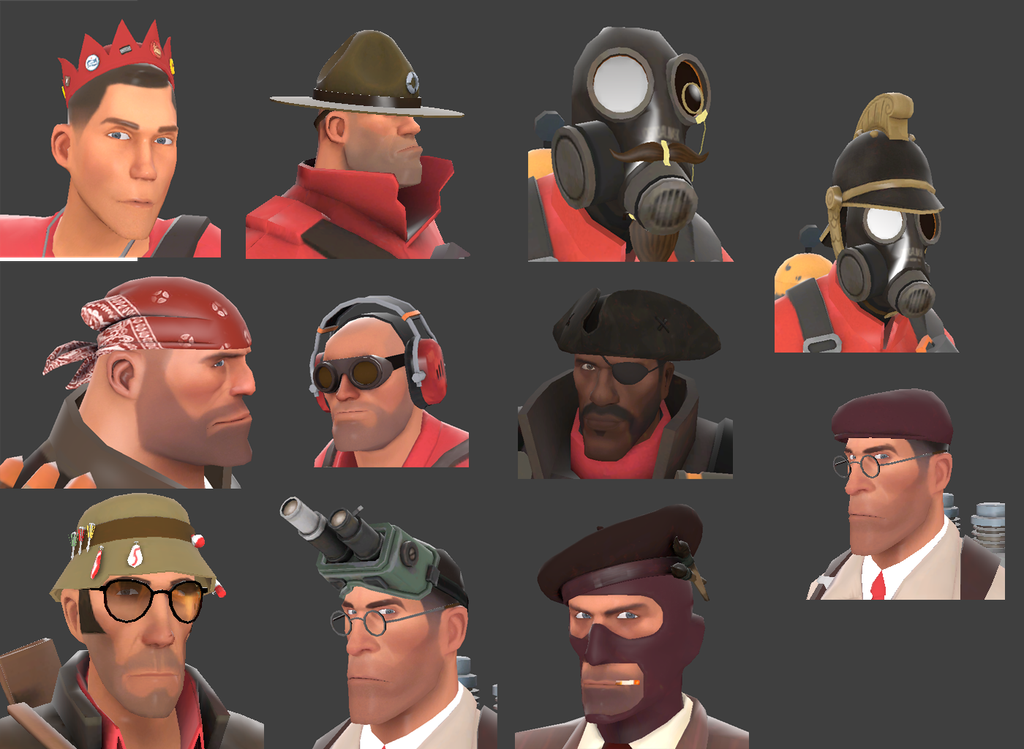
In 2010, the Mann-Conomy Update expanded the item and trading systems, while the Mann Co. Store became part of the in-game economy. As a result, Team Fortress 2 began thriving not only through matches but also through collecting and trading items.
The Transition to Free-to-Play
On June 23, 2011, Valve announced that Team Fortress 2 was becoming free-to-play on PC and Mac through Steam. By that point, the project had already received more than 200 updates, and the transition to a free-to-play model became one of the most important milestones in its history.
The change opened the game to a much wider audience. New players no longer needed to purchase The Orange Box or a separate copy of the shooter to join matches.
Alongside the transition to free-to-play, Valve continued developing in-game purchases and the item system. The company also noted that most items available through the Mann Co. Store could be obtained directly in the game.
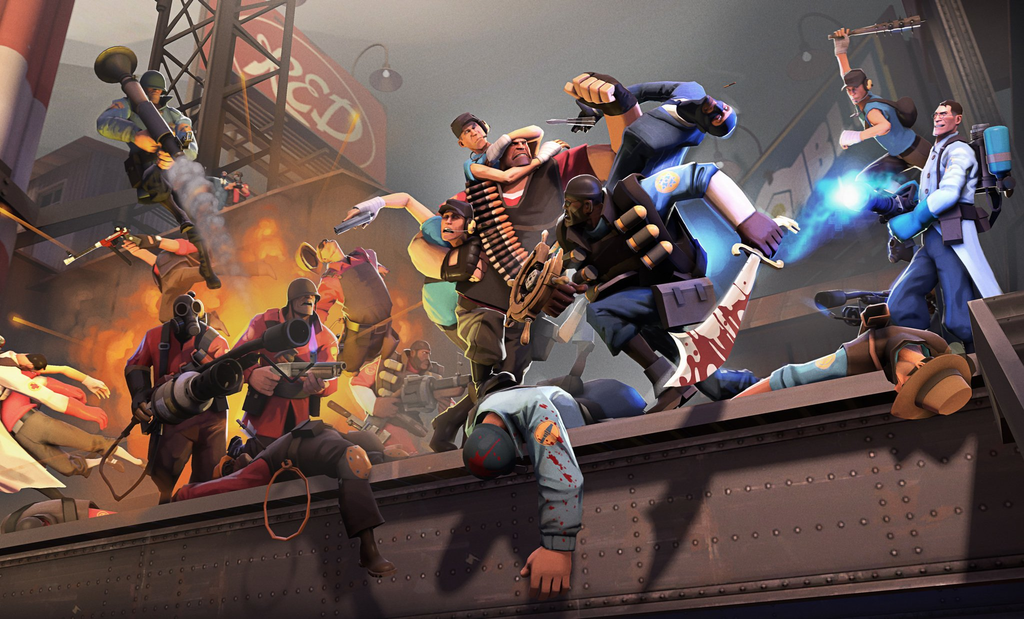
This decision helped Team Fortress 2 maintain its popularity and laid the foundation for its continued development. The game became more than a product purchased once; it evolved into an ongoing online experience with its own economy, events, and community.
Mann vs. Machine and Other Ways to Play
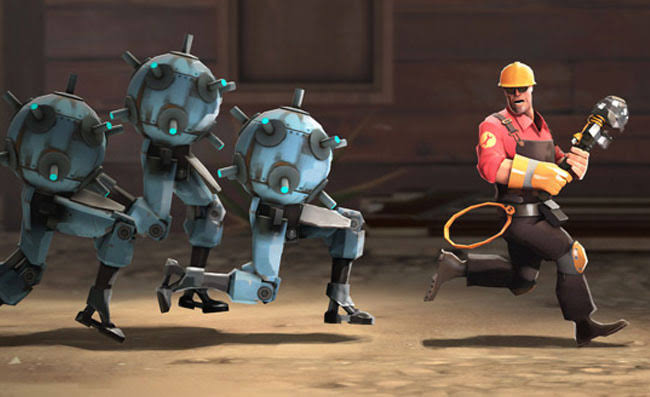
In August 2012, Team Fortress 2 introduced Mann vs. Machine. Unlike traditional matches between RED and BLU, this mode challenged players to team up against waves of robots attempting to deliver a bomb to a designated point.
The mode emphasized cooperation and preparation. Players could upgrade their characters during missions, choose suitable classes, and distribute roles according to the situation. Victory required not only accuracy but also a carefully planned team composition.
The game also continued to develop various other modes, including Capture the Point, Payload, King of the Hill, and more. These offered players a choice between fast-paced skirmishes, prolonged territorial battles, and team-based challenges.
Seasonal events became another tradition. Halloween updates were particularly notable, featuring themed maps, unusual bosses, and exclusive items. For many players, these events became an annual reason to return to the game.
The Community, Memes, and Life Beyond Matches
Team Fortress 2 has long outgrown the boundaries of an ordinary multiplayer shooter. Its characters have become recognizable even among people who have never played the game. Voice lines, animations, dances, unusual cosmetic combinations, and memes have created a substantial part of internet culture.
Community creativity has played a major role in this process. Players have produced fan videos, animations, maps, and modifications, while some community-created works have even made their way into the official game.
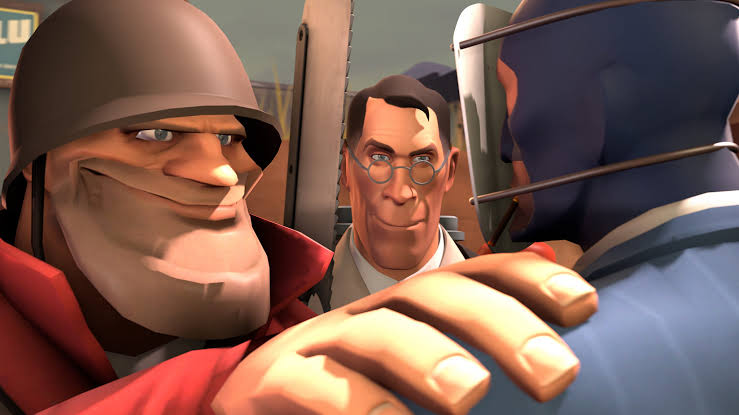
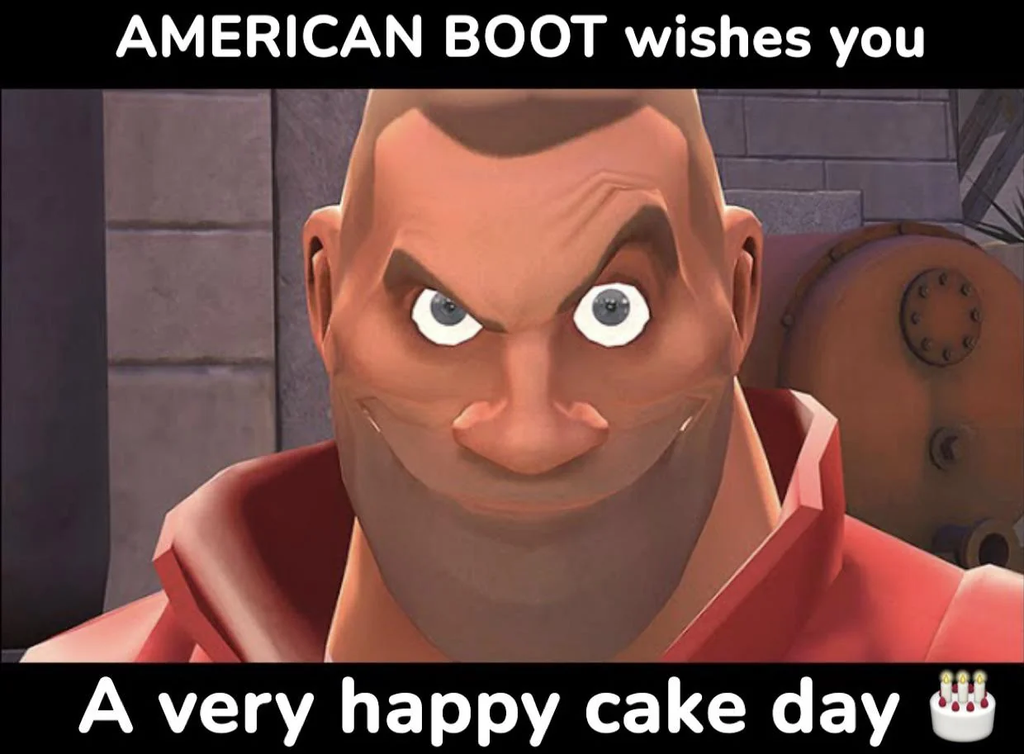
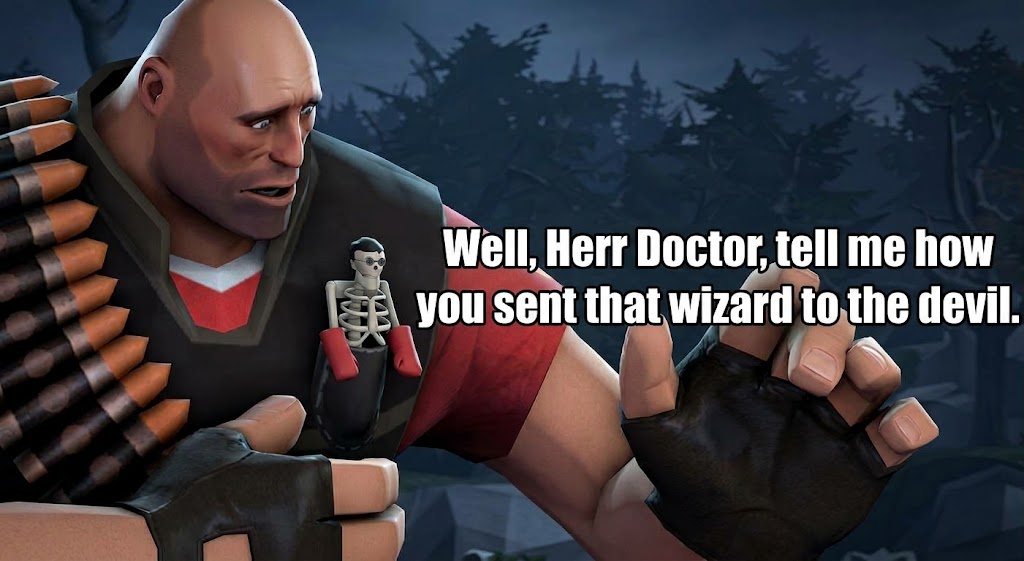
Team Fortress 2 also became an example of how cosmetic items can create an entire economy within a game. Rare hats, unusual effects, and collectible items gained value within the community, making trading a separate part of the overall experience.
However, the game's longevity has not been without problems. Over the years, players have increasingly discussed the game's technical condition, bots, and the need for more consistent support. Yet even these discussions demonstrate how deeply the community remains invested in a project that launched nearly two decades ago.
19 Years Later
Team Fortress 2 has become an example of how an original concept can survive across multiple generations of gaming. Its success cannot be attributed to a single mechanic or update, but rather to a combination of team-based gameplay, memorable characters, a distinctive art style, and an active community.
The game has evolved from a paid release included in The Orange Box into a free-to-play online experience with an enormous variety of items and a culture of its own. It helped shape perceptions of class-based shooters and demonstrated that cartoon-inspired visuals and comedy can work perfectly alongside deep team-based mechanics.
On October 10, 2026, Team Fortress 2 celebrates its 19th anniversary. Although the gaming industry has changed dramatically over the years, the nine mercenaries of RED and BLU remain symbols of an era when a game's identity was defined not only by graphics or technology, but also by its unique atmosphere, shared jokes, and unforgettable moments created by players together.
As a reminder, STAR WARS Jedi Knight: Dark Forces II — the game that let you become a Jedi.