


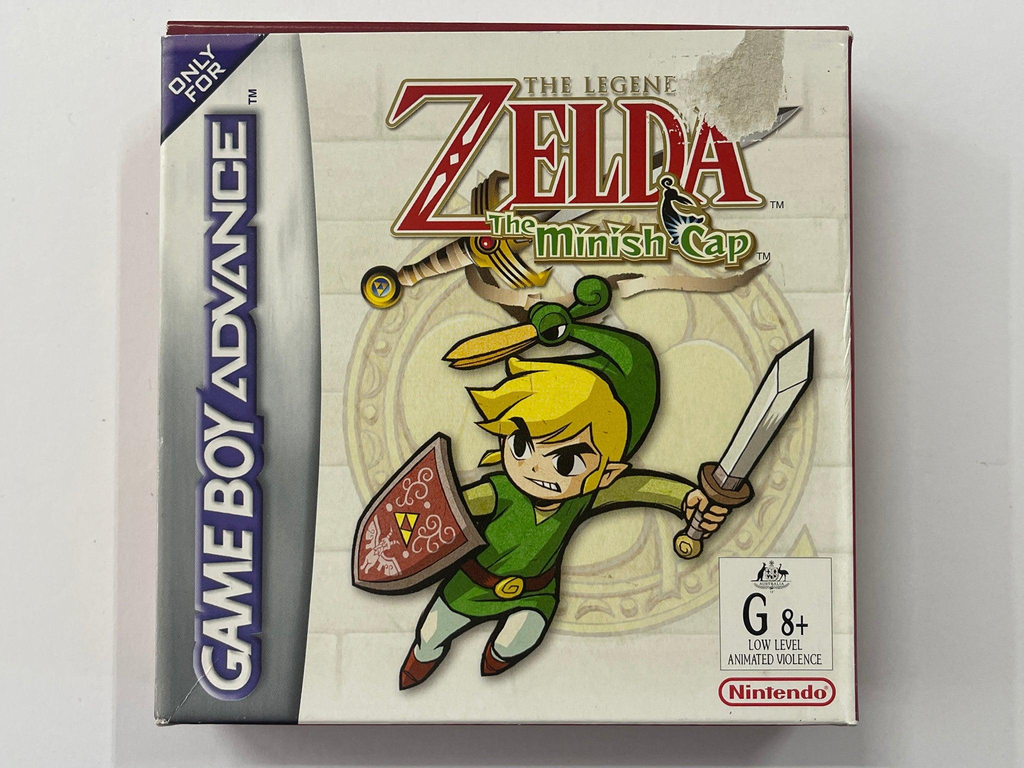
On November 4, 2004, The Legend of Zelda: The Minish Cap was released for the Game Boy Advance in Japan — the twelfth main game in The Legend of Zelda series. This time, Nintendo entrusted development not to its own internal studio, but to Capcom and its Flagship division, which had previously worked on The Legend of Zelda: Oracle of Ages and Oracle of Seasons.
The game became one of the most unusual 2D entries in the series. Its main feature was Link’s ability to shrink to the size of the Minish — a tiny race that lives alongside humans but remains invisible to most adults. Thanks to this mechanic, the developers effectively turned the familiar world of Zelda into a completely new place to explore.
Zelda Created Together with Capcom
Nintendo and Capcom’s collaboration on handheld Zelda games began back on the Game Boy Color. The Flagship team worked on Oracle of Ages and Oracle of Seasons, and afterward took on the development of an entirely new game for the Game Boy Advance.
According to Eiji Aonuma, who later became the producer of The Minish Cap, Nintendo and Capcom worked on the game alongside other major projects in the series. While Nintendo was working on The Wind Waker and later preparing Twilight Princess, Capcom was developing the new handheld Zelda.
The development was also closely supervised by Nintendo. According to a member of the Capcom team, after the main concept was presented and approved, Nintendo and Capcom held regular meetings approximately every month until development was completed.
One of the main goals was to preserve the classic Zelda formula while also offering players a mechanic that had never been seen in the series before.
A World Where Link Can Become Tiny
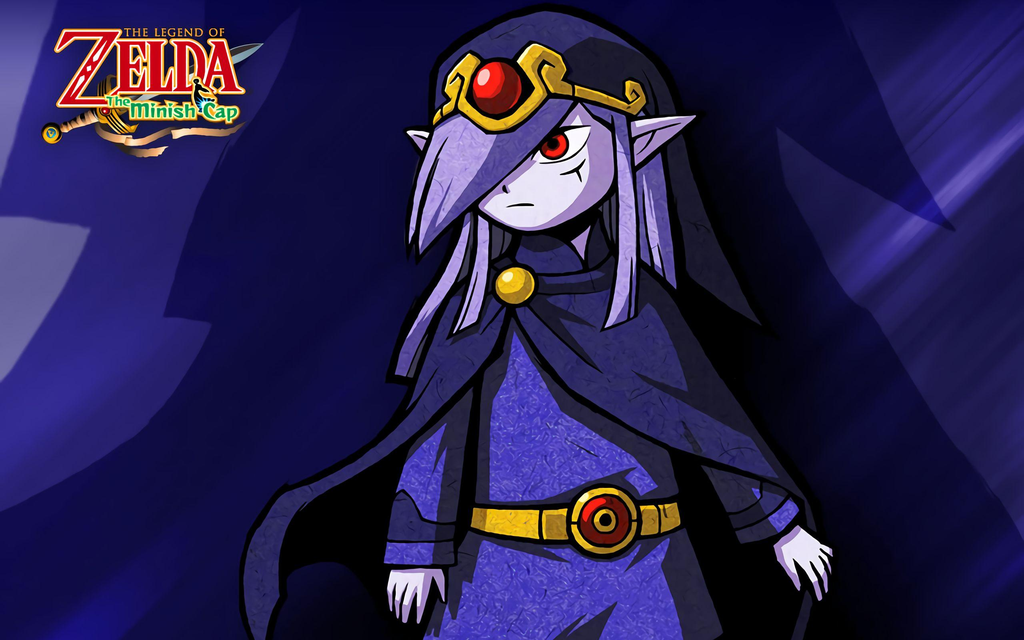
At the beginning of the adventure, the sorcerer Vaati turns Princess Zelda to stone. Link sets out to find a way to save her, and the key to doing so lies with the mysterious Minish people and the legendary cap that eventually joins the hero.
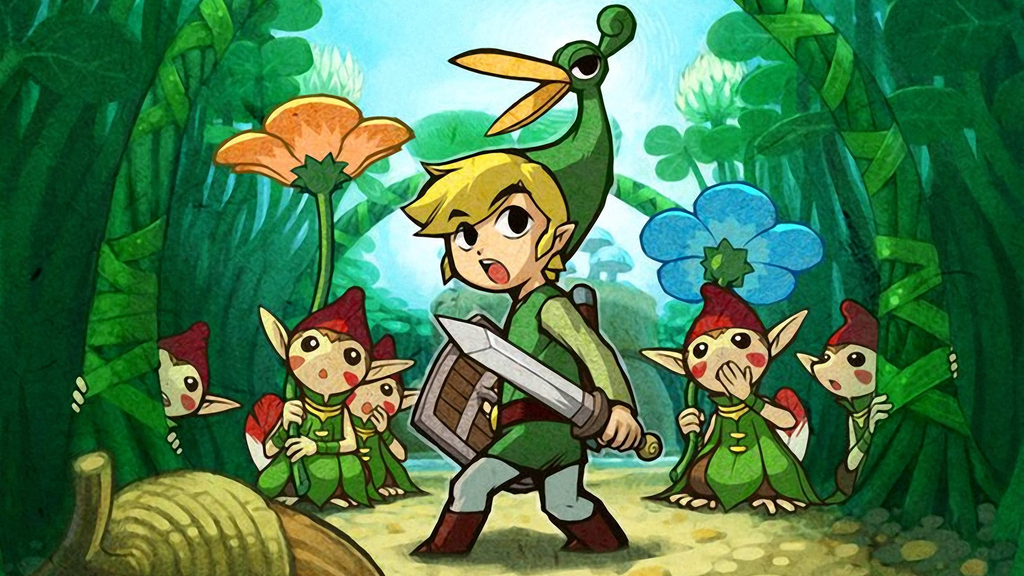
The cap was named Ezlo and became not just an item, but a full-fledged character who constantly accompanies Link. The developers had initially wanted to make the hero’s main companion a talking cap. Ezlo’s design was refined for a long time so that the character would look good on the small Game Boy Advance screen and could actively interact with Link.
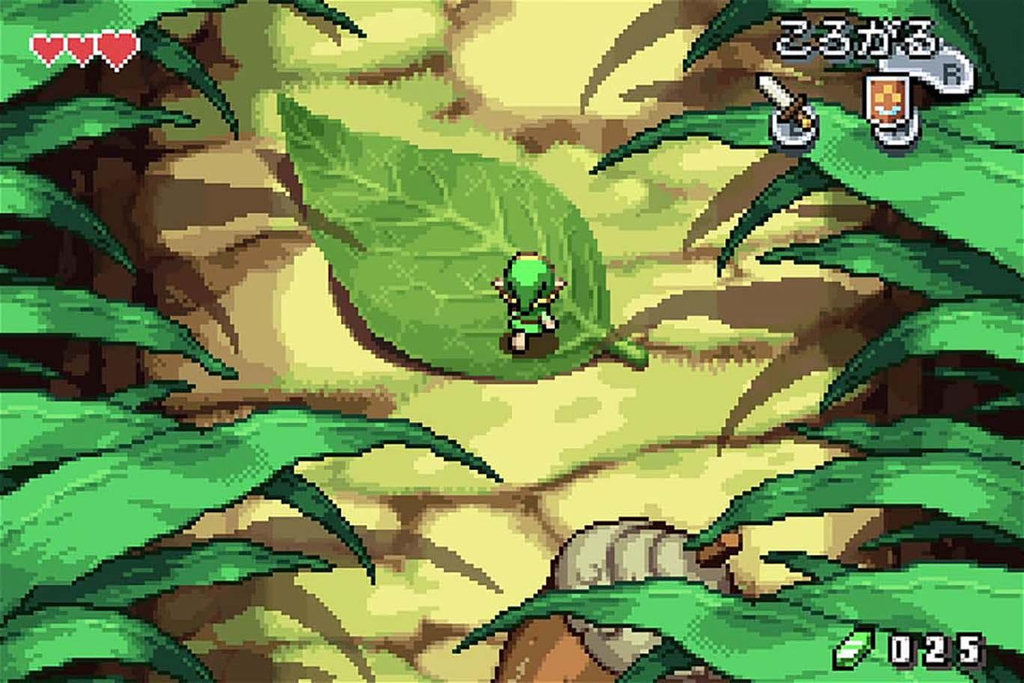
The game’s main mechanic is directly connected to the hero’s size. At special locations, Link can shrink down to the size of the Minish. What appears to be a small object or insignificant detail from a human perspective becomes a huge obstacle in the Minish world.
Because of this, familiar locations have to be viewed in a completely different way. A puddle can become an impassable lake, ordinary grass can turn into a dense forest, and a small hole can become an entrance to a new part of the world.
This change in scale became the foundation for the puzzles. Players had to do more than simply find keys and defeat enemies — they had to understand when they needed to be big and when they needed to be small.
Vaati Instead of Ganon
Another distinctive feature of The Minish Cap was its main antagonist. Instead of the traditional Ganon, Vaati served as the central enemy of the story.
This was connected to the fact that the game developed the storyline associated with Four Sword. The developers wanted to create a separate antagonist for this story rather than use Ganon once again. As a result, Vaati became one of the main characters in this part of the Zelda universe.
According to Aonuma, The Minish Cap tells a story that takes place before The Legend of Zelda: Four Swords Adventures, and the game itself explains the origins of the Four Sword.
Thus, the project was not simply a standalone adventure for the Game Boy Advance, but became part of the larger storyline that Nintendo was developing around Four Sword.
Classic Zelda on a New Scale
Despite its new mechanic, the foundation of The Minish Cap remained traditional for the series. Link explores the world, finds new items, solves puzzles, completes dungeons, and battles bosses.
At the same time, the developers tried to make every new feature part of the familiar formula. Link’s new abilities did not disrupt the classic Zelda design, but complemented it.
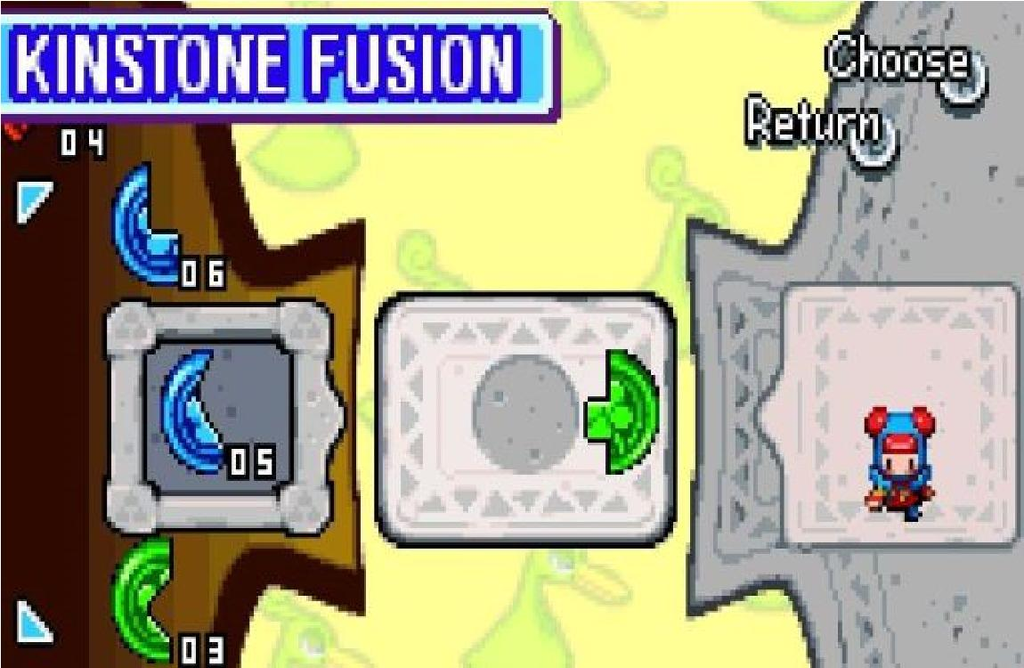
Additional activities were also particularly important. Alongside the main adventure, the game featured side quests, minigames, and the Kinstones system — special fragments that could be combined with characters in the world, unlocking new events and secrets. Aonuma specifically highlighted this system and the large number of additional events as part of the new adventure.
At the same time, the game was not particularly long by modern standards. Critics noted that the main story could be completed relatively quickly, although the additional content significantly expanded the adventure.
Release and Reception
The Minish Cap was released in Japan on November 4, 2004. The European release followed on November 12, while the game arrived in North America only on January 10, 2005.
This split was partly related to the release of the Nintendo DS. Nintendo wanted to prevent the new handheld Zelda from competing with the new system during the 2004 holiday season in North America.
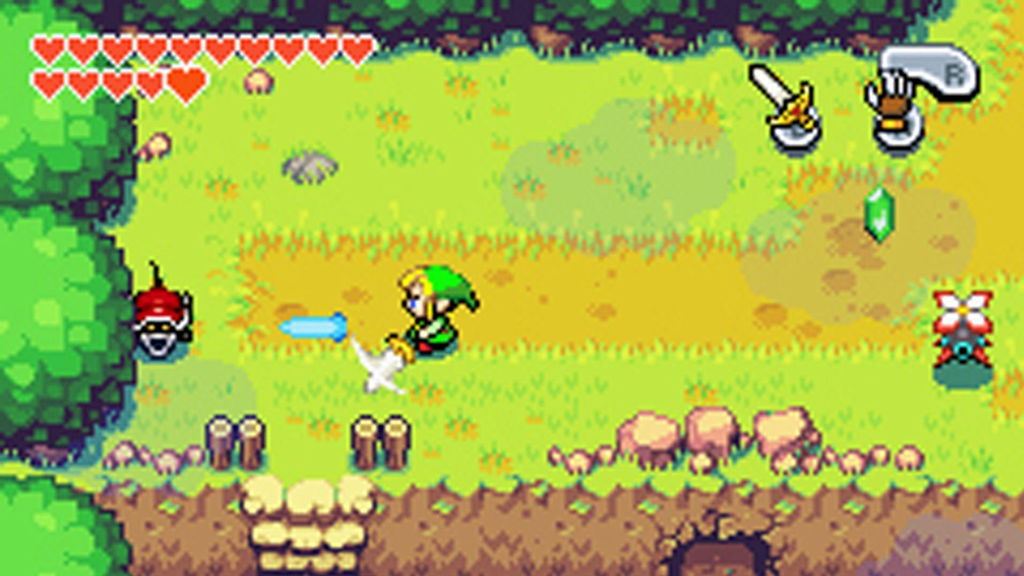
Critics received the game very positively. It received a score of 89 out of 100 on Metacritic based on 56 reviews. GameSpot gave the game 9.1/10, praising its faithful recreation of the classic Zelda formula, new items and abilities, as well as its large amount of additional content.
In Japan, the game sold approximately 350,000 copies, and by March 2005, its worldwide sales had surpassed 1 million copies. Overall sales estimates put the figure at around 1.76 million copies.
The Legacy of The Minish Cap
The Minish Cap did not become a commercial giant on the level of the most successful Zelda games, but over time it earned a reputation as one of the most original handheld entries in the series.
Its main idea — changing scale — allowed Nintendo and Capcom to reinterpret the familiar Zelda world without moving to a completely new 3D format. Instead of a huge open world, the developers focused on small details, secrets, and the constant feeling of discovering something new.
The game also demonstrated how naturally an external studio could work with one of Nintendo’s most famous franchises. Capcom already had experience working on Zelda, but The Minish Cap became another example of how the series’ classic formula could be changed without losing its character.
Today, The Legend of Zelda: The Minish Cap is remembered as one of the most interesting 2D entries in the series — small in scale, but packed with mechanics, secrets, and its own atmosphere. And it was precisely the ability to make a small world feel huge that became its defining feature.
As a reminder, Super Mario 3D Land — how Nintendo combined a classic platformer with a 3D adventure on the Nintendo 3DS.