


On September 30, 2002, Unreal Tournament 2003 was released for PC — the sequel to the famous competitive shooter Unreal Tournament from Epic Games and Digital Extremes. The game became one of the first major projects built around the new generation of Unreal Engine 2 and attempted to show what a fast-paced multiplayer FPS could look like in the early 2000s.
After the success of the original Unreal Tournament, released in 1999, the developers faced a difficult task. The first game had already become one of the most recognizable competitive FPS titles of its time, so simply improving the graphics was not enough. Epic Games and Digital Extremes wanted to make the sequel faster, more spectacular and more technologically advanced while preserving the foundation of the series.
From Unreal Tournament to a New Generation
The original Unreal Tournament was built around the concept of virtual sporting competitions in the future. In the series' universe, the Liandri Mining Corporation organized a professional league where fighters competed in specially prepared arenas.
In Unreal Tournament 2003, this concept was developed further. The Tournament became an even larger professional spectacle, while the battles themselves became more visually impressive.
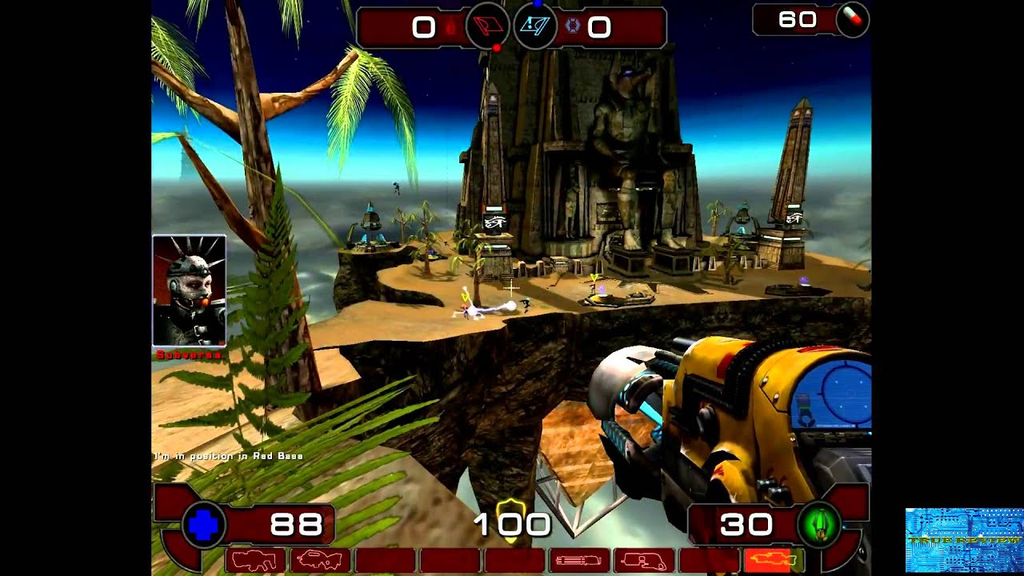
The main technological foundation of the new game was Unreal Engine 2. It allowed the developers to significantly improve graphics, lighting, physics and environmental detail. Unreal Tournament 2003 became one of the notable projects demonstrating the capabilities of Epic Games' new-generation engine.
At the same time, the developers did not want the game to become merely a technological showcase. Its foundation remained a fast-paced multiplayer shooter where success depended on reaction time, movement, map knowledge and effective use of the available equipment.
Speed, Movement and Adrenaline
One of the major new features in Unreal Tournament 2003 was the Adrenaline system. During matches, players could fill a special meter and gain access to additional abilities.
This added another tactical element to the familiar arena battles. Players had to consider not only their positioning and resources, but also when it was best to use the accumulated Adrenaline.
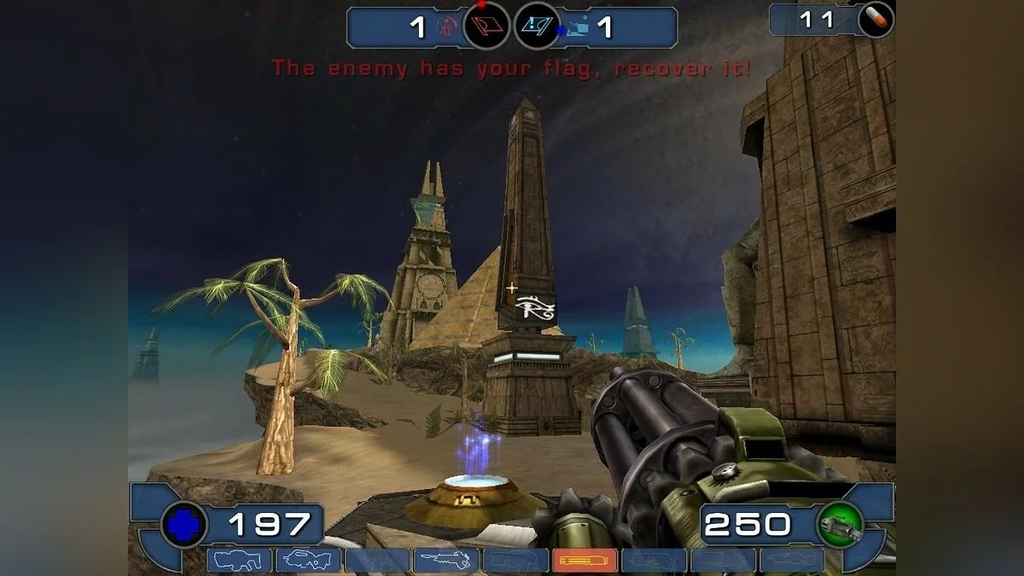
Movement also received significant attention. The game introduced new possibilities for fast maneuvers and evasive movement, making mobility an even more important part of combat.
The developers also reworked the balance of the game's arsenal. Their goal was to make the different tools more balanced and prevent individual options from completely dominating matches.
New Rules for the Arena
Unreal Tournament 2003 retained classic modes from the series, including Deathmatch, Team Deathmatch and Capture the Flag, while also introducing new approaches to team-based competition.
One of the new modes was Double Domination. Two teams had to control two designated points simultaneously for a set amount of time.
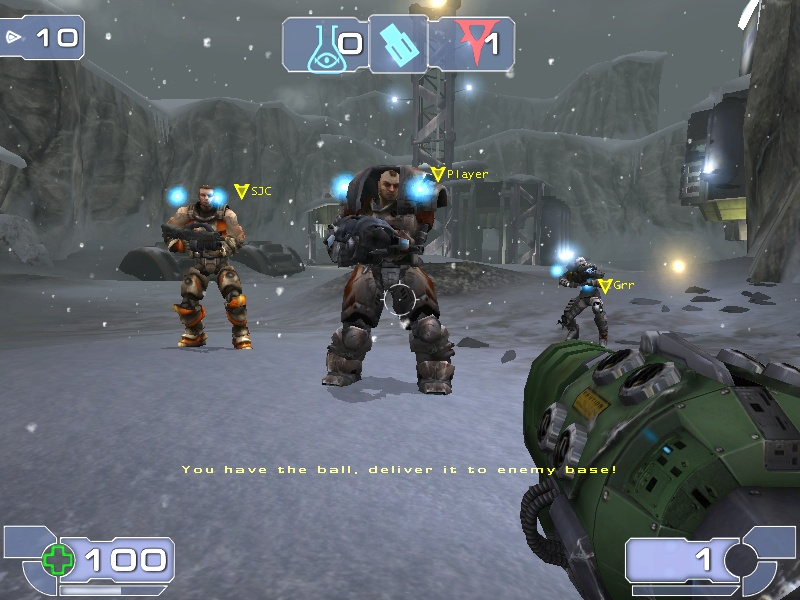
Another major addition was Bombing Run. In this mode, teams had to take control of a ball and carry it to the opponent's base. The format was significantly different from traditional Deathmatch and resembled a team sport more closely.
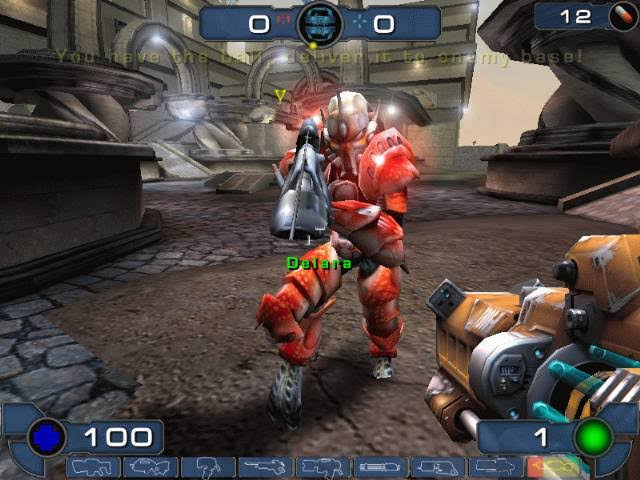
This fit perfectly with the main concept of Unreal Tournament — presenting arena combat as a professional sport of the future.
At the same time, some fans of the original game reacted negatively to certain changes. Assault, one of the popular modes from the first Unreal Tournament, was absent from the main release. For fans of the original, this became one of the most noticeable differences in the sequel.
A Game Built Around Its Community
Like its predecessor, Unreal Tournament 2003 was designed to be more than a collection of standard maps and modes.
The game included Unreal Editor, which allowed users to create their own levels and modifications. For the PC audience of the early 2000s, this was particularly important: custom content and modifications often helped multiplayer games remain active long after their original release.
As a result, Unreal Tournament 2003 was not simply a collection of finished arenas. It became a platform for a community that could create its own maps, game modes and other content.
Release and Reception
Unreal Tournament 2003 was released for PC on September 30, 2002. The game was developed by Epic Games and Digital Extremes, with Infogrames serving as publisher. It was later released for Linux and Mac OS X as well.
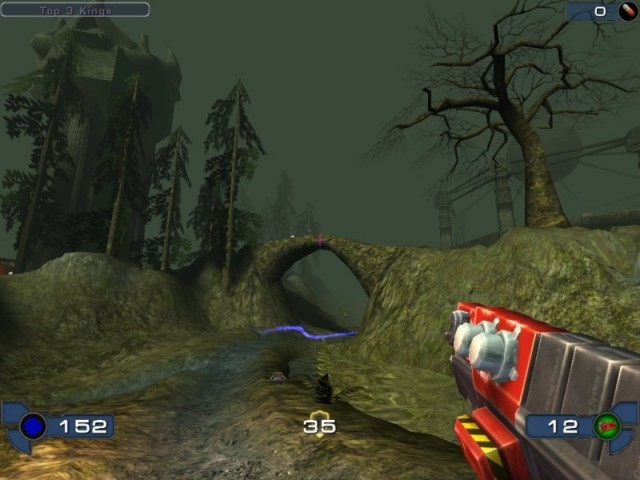
Critics generally responded positively to the game. On Metacritic, Unreal Tournament 2003 received an average critic score of 86 out of 100. Reviewers praised its fast-paced gameplay, graphics, sound, movement system and multiplayer modes.
At the same time, the game was not without criticism. Some reviewers pointed to the absence of familiar modes and argued that the sequel did not represent as dramatic a leap forward as some players had expected.
Why Unreal Tournament 2003 Remains Part of Gaming History
Today, Unreal Tournament 2003 often stands in the shadow of Unreal Tournament 2004, which arrived the following year and greatly expanded many of its ideas.
However, UT2003 was an important step in the development of the series.
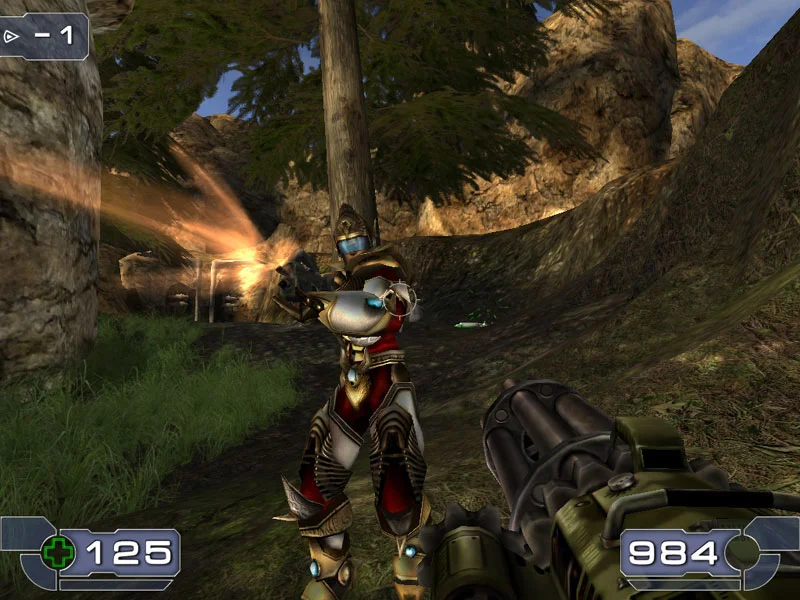
It brought Unreal Tournament into the Unreal Engine 2 era, made movement an even more important part of gameplay, introduced new team-based modes and continued the idea of the FPS as a competitive sporting experience.
The Unreal Tournament series also holds an important place in the history of esports. Even in the late 1990s, it presented a model in which matches were not simply random multiplayer battles, but organized competitions with their own rules, arenas and tournament structure.
On September 30, 2002, Unreal Tournament 2003 opened a new chapter in the history of the series. Unreal Tournament 2004 would soon take its place as the more expanded and refined version of the concept, but UT2003 remained an important link between the classic Unreal Tournament and the next generation of fast-paced competitive shooters.
As a Reminder, Croc: Legend of the Gobbos — The Green Crocodile Meant to Be Yoshi.