


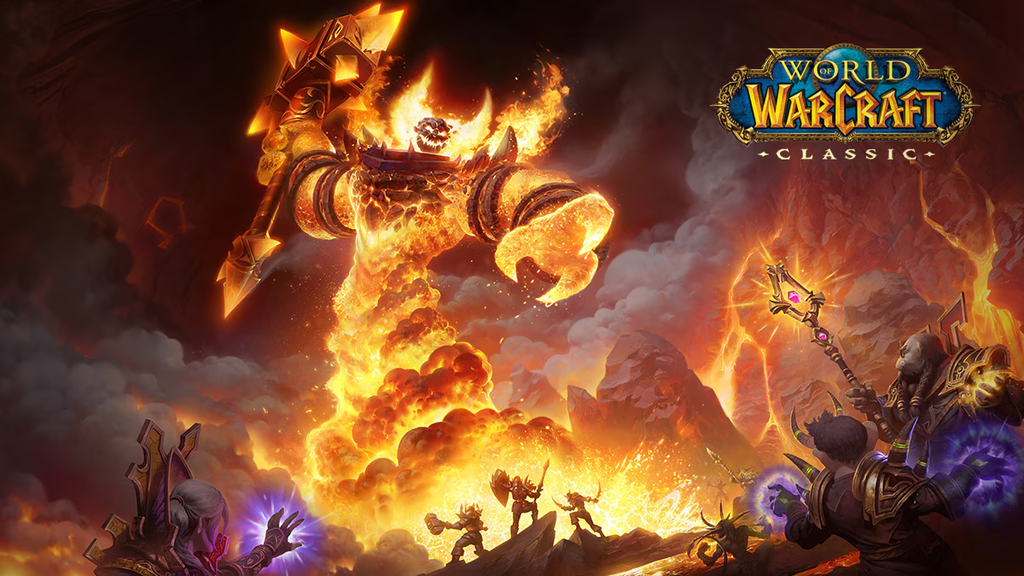
On August 27, 2019, Blizzard launched World of Warcraft Classic — the official return of the game to its roots. For some, it was simply a re-release of an old MMORPG. For millions of players, it was a moment they had been waiting for years. But the road to Classic began long before its release.
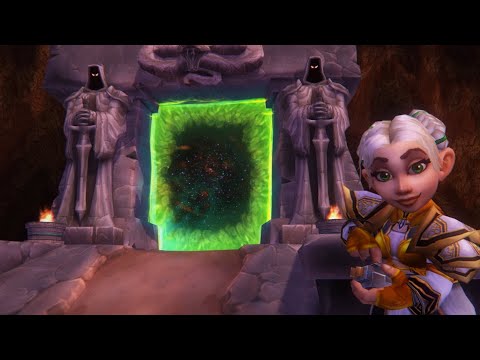
In 2004, Blizzard released World of Warcraft — a game that changed the perception of what an MMORPG could be. Azeroth quickly became a vast virtual world where players did more than simply complete quests and level up their characters. They met each other, created guilds, ran dungeons together, fought on battlegrounds, and spent nights trying to finally obtain the item they needed.
The first WoW was slow, difficult, and far less convenient than modern MMORPGs. And this is exactly what later became its main advantage in the eyes of part of the community.
With each expansion, World of Warcraft changed. Blizzard added new content, simplified certain mechanics, made the game more accessible, and removed many routine processes. For some players, this was the natural evolution of an MMO. For others, it was a gradual loss of that same sense of adventure.
In modern WoW, it was possible to find a group, quickly travel to the desired location, and access content much more easily.
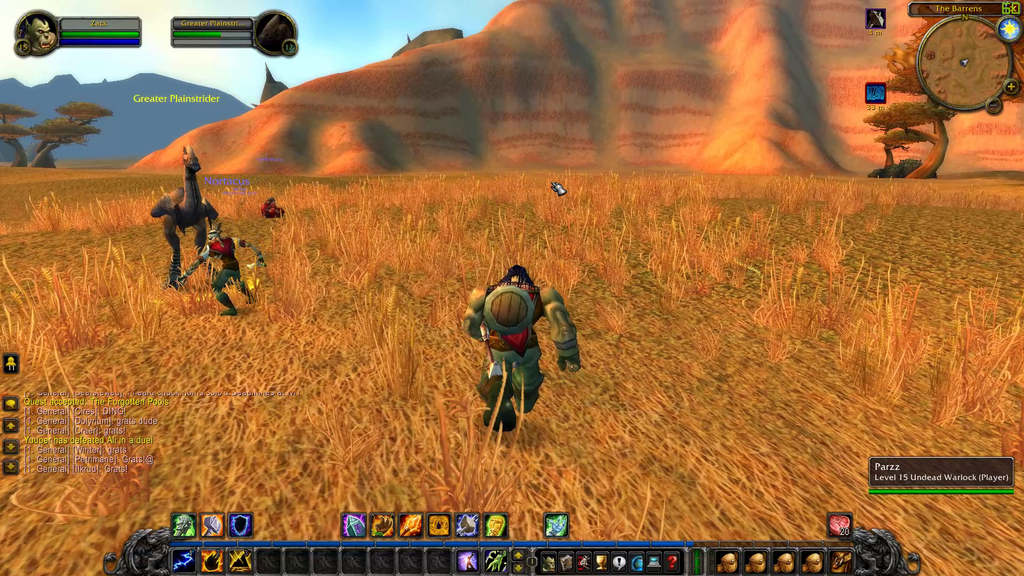
In Vanilla, everything was different. You had to find people for a group yourself, communicate, travel across the entire continent, and spend hours on quests that today could be completed in a matter of minutes.
But precisely because of this, players felt that they were living in a shared world, rather than simply going through a set of activities.
Therefore, over the years, the community increasingly asked the question: why wouldn't Blizzard simply bring back the old WoW?
The players themselves partly provided the answer to this question. While Blizzard continued developing the current version of World of Warcraft, enthusiasts created private servers that attempted to recreate Vanilla.
The most prominent of them was Nostalrius. The project managed to build a huge community and showed that interest in the original WoW had not disappeared at all. Its servers had hundreds of thousands of registered users and millions of created characters.
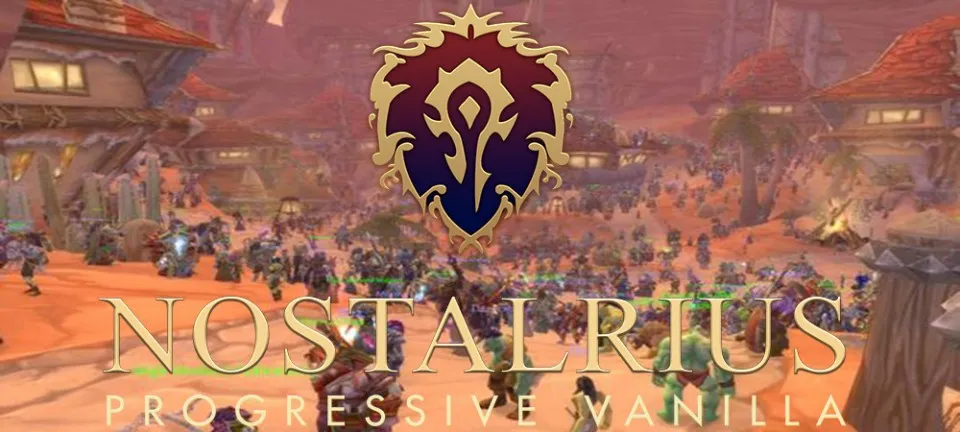
In 2016, Nostalrius ceased operations following legal demands from Blizzard. And that was when the story of Classic reached an entirely different level.
The server's closure sparked a massive reaction from the community. Players demanded official Vanilla servers from Blizzard, while a petition to bring back the classic version of the game gathered a huge number of signatures.
The paradox was obvious: people wanted to play the old version of WoW so badly that they created it themselves.
Blizzard was in no hurry to agree with the idea.
The company believed that some players might be idealizing the past. What they remembered as an exciting adventure might have simply been nostalgia. That is why the phrase “You think you do, but you don't” became one of the best-known symbols of the discussion surrounding Classic.
But after the Nostalrius story, it became clear that the demand existed not only in the memories of veterans. Blizzard began reconsidering its position.
At BlizzCon 2017, Blizzard finally made the official announcement. World of Warcraft Classic would return.
![Blizzard's Announcement On World of Warcraft Classic That Shocked The World (BlizzCon 2017) [4K]](https://i.ytimg.com/vi/dUSRkBwQdc8/hqdefault.jpg)
For Vanilla fans, this was the moment they had been waiting for years. The company decided not to make a modern remake or reinterpret the old game. The task was much more difficult — to recreate the original WoW as closely as possible to what it had been in the past.
And here Blizzard faced a problem that players could not see. Approximately 15 years had passed. The server infrastructure had changed. The game's code had changed. The technology had changed. And along with it, World of Warcraft itself had changed.
Blizzard literally had to combine the past with the present. Before the release, Blizzard gradually allowed the community to test Classic. The demo at BlizzCon and subsequent testing showed the main thing: interest in the game was enormous.
Players once again ran through familiar locations, created characters, formed groups, and argued about what the servers should be like. But along with the excitement came another question: would players really want to return to all the inconveniences of Vanilla?
After all, Classic deliberately left out many modern improvements.
There was no automatic dungeon finder. There was no familiar modern pace of progression. Traveling took time, and many quests required patience. All of this was part of the design. Blizzard was not simply bringing back the old locations. It was bringing back the old way of playing World of Warcraft.
And finally, the day arrived.
On August 27, 2019, World of Warcraft Classic officially launched. What happened after the launch perhaps demonstrated the scale of anticipation better than anything else. The servers were overcrowded. Thousands and tens of thousands of people were simultaneously trying to get into the game. On popular servers, the queues lasted for hours.
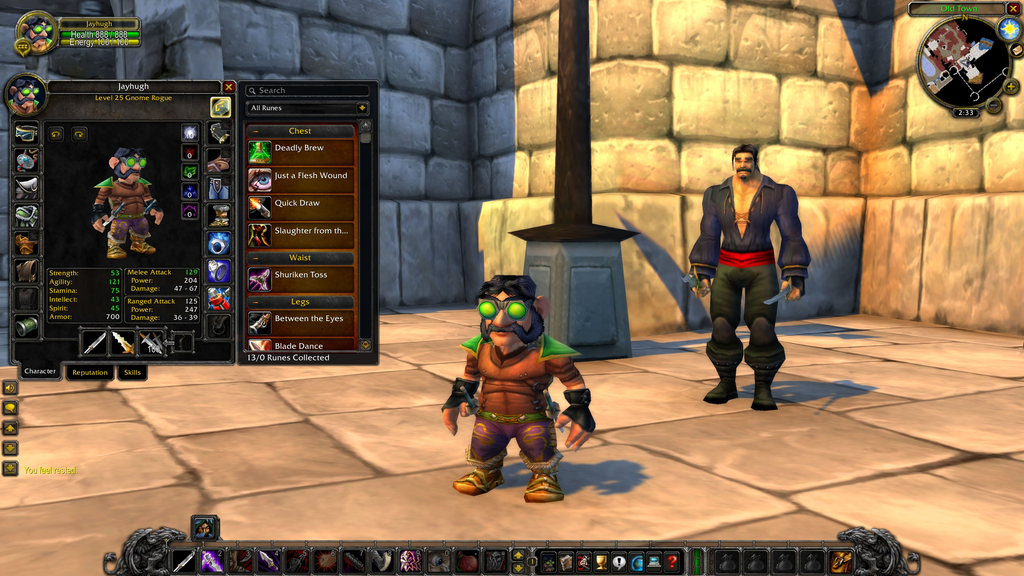
And there was an almost perfect irony in this. Players were waiting for the return of 2004's WoW — and along with it, they got one of the most familiar problems of old MMORPGs: a login queue.
People joked about it on social media: Blizzard had recreated the old experience so accurately that it had even brought back the queues. But the problems did not end after logging in. The starting zones were packed with characters. Players literally stood in queues to complete certain quests or kill the required monster. For some, this was frustrating. For others, it was proof that Classic had truly brought back the feeling of a living MMO world.
After the release, opinions on Classic were far from unanimous. Veterans got exactly the game they remembered: slow, social, and demanding. But along with the nostalgia came things that players might have forgotten. Long journeys. A huge amount of time required for leveling. Routine quests. The absence of modern conveniences.
Reviewers highlighted exactly this contrast. Shacknews, for example, pointed to nostalgia, social interaction, and the sense of reward for achievements among the advantages, while at the same time naming long queues, significant time commitments, and some outdated mechanics as disadvantages.
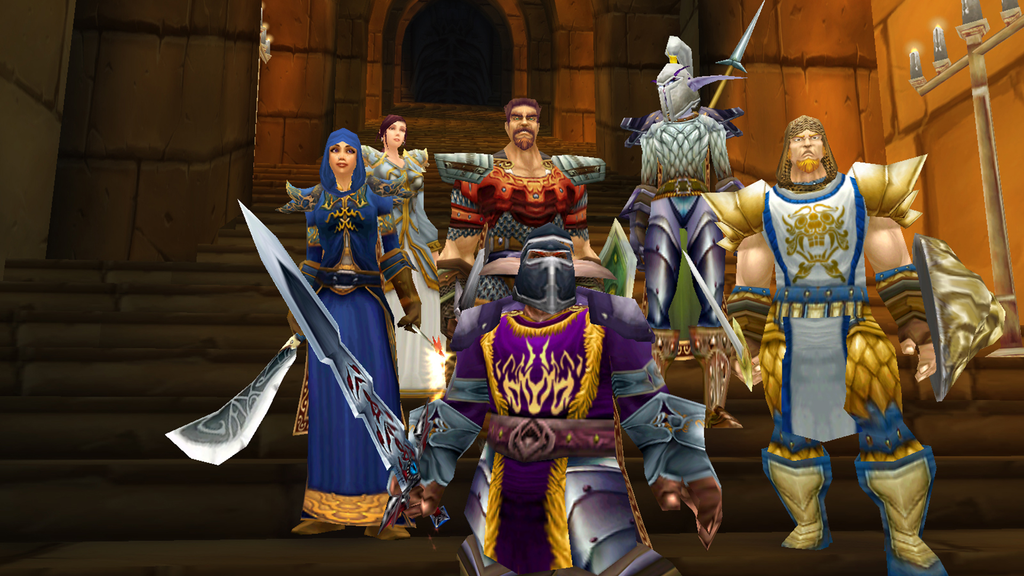
And this was the main experiment of Classic. Was the old game really better — or did we simply miss the time when we played it. There was never a definitive answer to this question.
World of Warcraft Classic became important not because Blizzard re-released an old game. It became important because the players themselves forced one of the industry's biggest companies to go back.
This story began with the memories of veterans, continued with private servers, reached the conflict surrounding Nostalrius, and ended with the official return of old Azeroth.
Classic showed that video games can have their own history that players do not want to forget. Sometimes they want new mechanics, new graphics, and a huge world. And sometimes they simply want to return to the place where they first saw Azeroth.
On August 27, 2019, Blizzard gave them that opportunity.
And judging by the thousands of people who waited in server queues for hours that day, the answer was obvious: they really did want to come back.
As a reminder, The Jacksonville Tragedy: the day esports must never forget.