


On November 23, 2004, World of Warcraft was released in North America, Australia, and New Zealand. The MMORPG from Blizzard Entertainment would later become one of the most influential games in history. The project brought the familiar Warcraft universe into a persistent online world where players could create their own heroes, explore Azeroth, complete quests, form guilds, and tackle dungeons and raids together.
However, Blizzard had a long road ahead before the game's 2004 release. World of Warcraft was not originally planned as the company's next major game — its development began with another project that failed to meet the developers' expectations.
From Warcraft to the idea of an MMO
The first Warcraft was released in 1994 as a real-time strategy game. It introduced players to Azeroth, humans, and orcs. After Warcraft II, the series received its third installment — Warcraft III: Reign of Chaos, which was released in 2002 and significantly expanded the universe, its characters, and its story. This foundation would later become the basis for the future MMORPG.
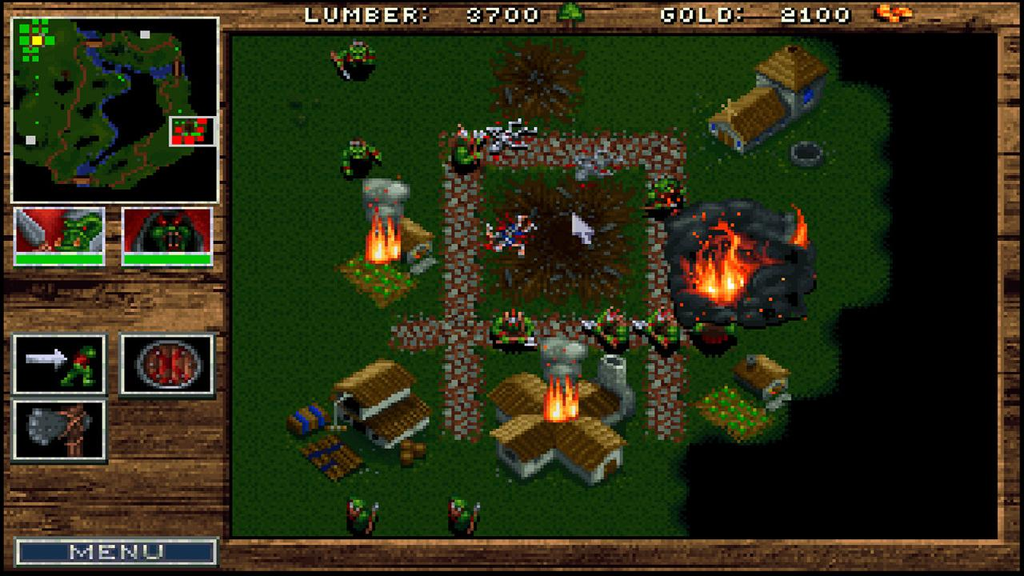
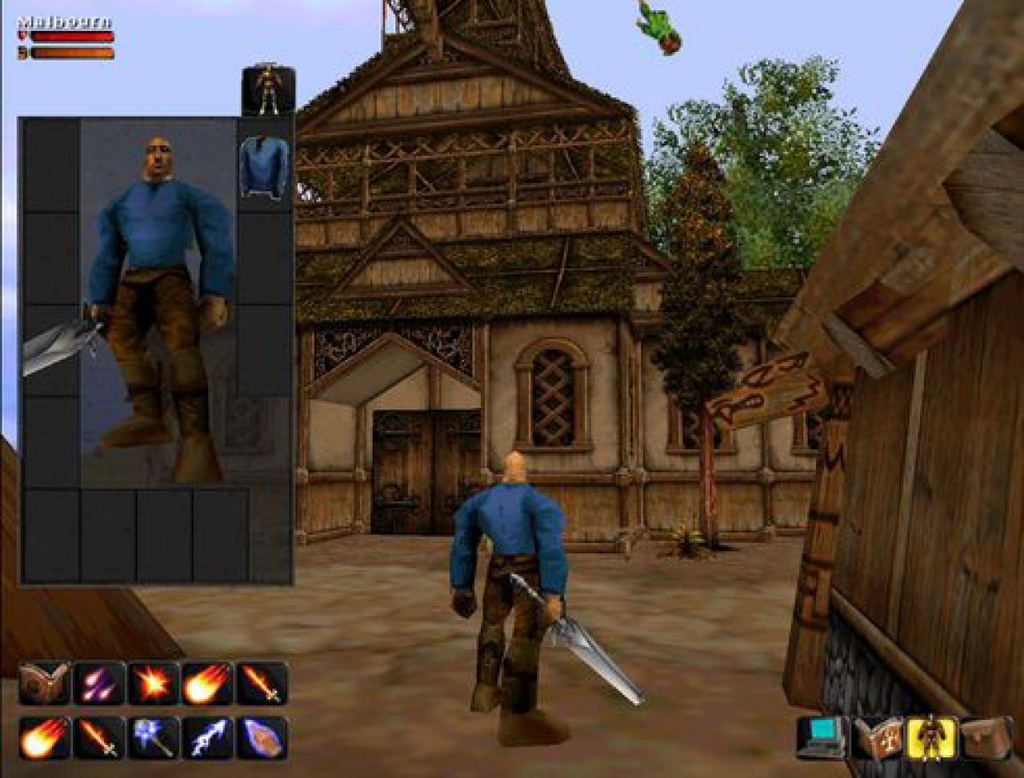
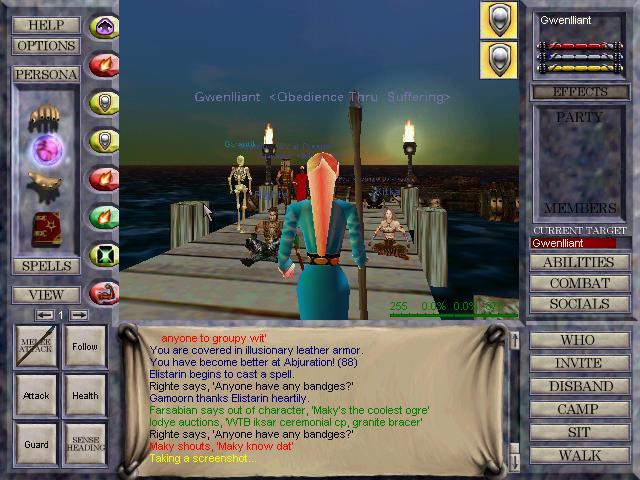
At the same time, Blizzard began taking a closer look at the MMORPG genre in the late 1990s. Ultima Online, released in 1997, demonstrated the potential of persistent online worlds. Later, EverQuest, which launched in 1999, had a major influence on Blizzard employees. Some developers actively played it and discussed what the company's own MMO could look like.
According to former Blizzard producer Shane Dabiri, the team initially did not even know which universe to use for its future MMO. StarCraft, Diablo, Warcraft, and other options were considered. Ultimately, the developers chose Warcraft because they believed its fantasy setting would be more accessible to a broad audience.
How World of Warcraft came to be
Development of the future World of Warcraft began in 1999, but the team initially worked on a completely different game — the Nomad project. It had problems with its concept and direction, so after lengthy discussions, Blizzard decided to abandon it.
Around this time, some of the developers were actively playing EverQuest. They not only enjoyed the game but also analyzed its shortcomings. One of the main questions was why Blizzard was creating another project when it could make its own MMORPG. The team proposed turning Nomad into an MMO that would take the best ideas from the genre while being simpler and more accessible to new players.
After Nomad was canceled, work on what would become World of Warcraft began almost immediately. One of the key people on the project was Allen Adham, who took on the role of lead designer. The initial team was small — around 50 people — and the project remained an internal Blizzard secret for quite some time.
Interestingly, at the early stage, even the name World of Warcraft was essentially a working title. According to developers' recollections, it was suggested as an obvious option and eventually remained the game's final name.
Blizzard wanted to make EverQuest more accessible
The team was not simply trying to copy EverQuest. The developers believed that an MMO should be understandable to people who had never played the genre before.
At the time, MMORPGs often required players to invest a lot of time, learn complex systems, and constantly interact with other users. Blizzard wanted to preserve the scale of such an online world while making controls, character progression, and gameplay easier to understand.
This approach largely reflected Blizzard's philosophy: take a complex concept and make it accessible to as many people as possible. That is why the team paid close attention to the interface, player onboarding, quest system, and gradual introduction of new character abilities.
The developers also carefully studied EverQuest's problems. One of them was the structure of the world: some locations could remain almost empty, while popular areas were constantly overcrowded with players. Blizzard wanted to create a large world that encouraged exploration while also guiding players through a system of quests and locations.
From Warcraft III to a 3D Azeroth
One of Blizzard's major advantages was its existing universe. The company did not need to create the world's history from scratch: Azeroth, the Horde, the Alliance, orcs, humans, and other characters were already familiar to millions of players.
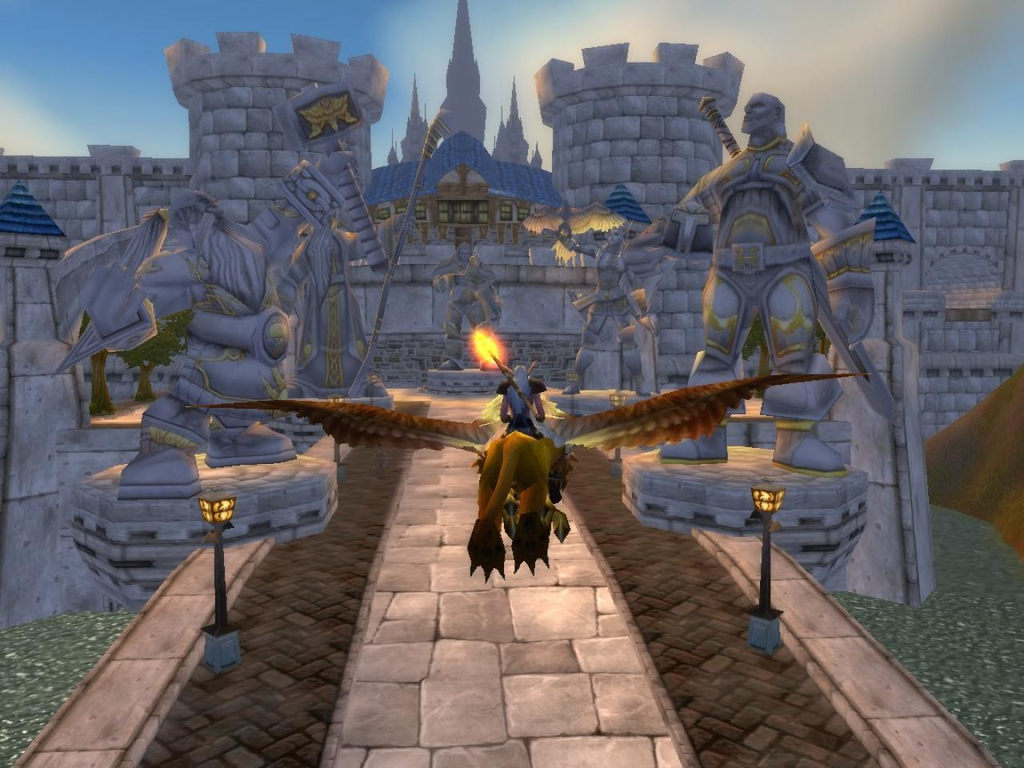
At the same time, World of Warcraft was not simply Warcraft III online. The developers had to completely change their approach to the world. In the strategy game, players controlled armies and individual units, while in the MMORPG they had to enter this universe as a single character.
The team gradually created large 3D locations, cities, dungeons, and natural areas. The visual style was heavily based on Warcraft III, but it was adapted for a full 3D world. Blizzard even developed concepts for future locations before they appeared in the game. For example, while creating Stormwind, the developers transformed familiar elements from previous games from flat 2D graphics into a three-dimensional environment.
The technical side was also challenging. Blizzard wanted World of Warcraft to work not only with fast connections but also for users with slower internet. As a result, the team paid considerable attention to network architecture and optimization so that the game would remain responsive even under conditions that seem very slow by today's standards.
A world that never stops
One of the main principles behind World of Warcraft was creating a world that existed independently of an individual player. It contained cities, NPCs, monsters, quests, random events, dungeons, and a huge number of areas to explore.
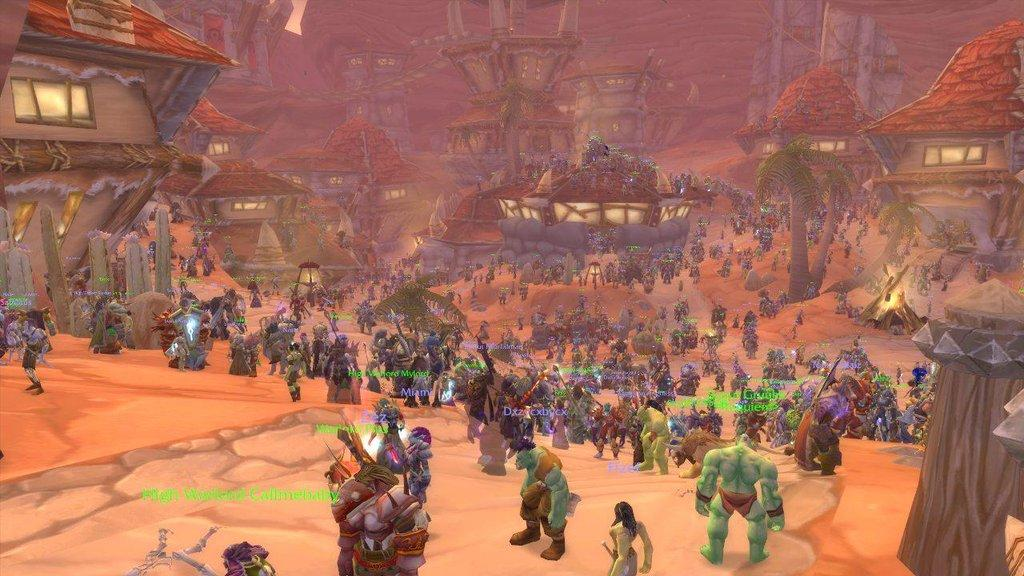
Initially, Blizzard even planned a full day-and-night cycle that would affect the appearance of certain events and creatures. However, the concept was abandoned because it could force people to play at specific times of day and adjust their real lives around the game's schedule.
Another issue was the conflict between the Horde and the Alliance. The developers were concerned that some players would not be able to play with their friends because of their faction choices. Despite this, the system remained an important part of World of Warcraft and became one of the fundamental elements of its world.
Public announcement and a long development process
Blizzard officially unveiled World of Warcraft on September 2, 2001, at the European Computer Trade Show. At that point, more than three years remained before the game's release.
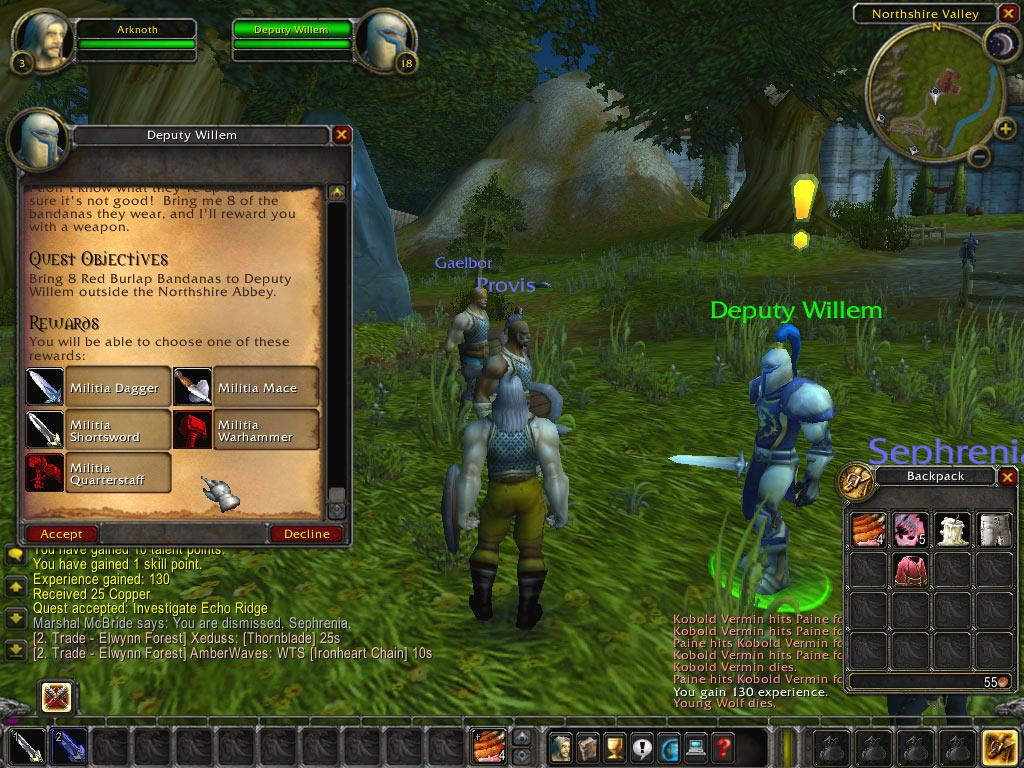
Development remained a risk even for Blizzard. The company already had successful Warcraft, StarCraft, and Diablo franchises, but an MMORPG was a completely different type of product. Some employees were not sure whether such a game could repeat the commercial success of the company's previous projects. In addition, EverQuest and other MMOs were already on the market, while Blizzard had to compete with major upcoming projects in the genre.
In the early 2000s, the team continued expanding the world, testing mechanics, and creating content. In 2003, an alpha version for developers' friends and family began, while beta testing started in February 2004.
Release
World of Warcraft was released on November 23, 2004, in North America, Australia, and New Zealand. The date coincided with the 10th anniversary of Warcraft. At launch, players had access to the Eastern Kingdoms and Kalimdor, while the maximum character level was 60.
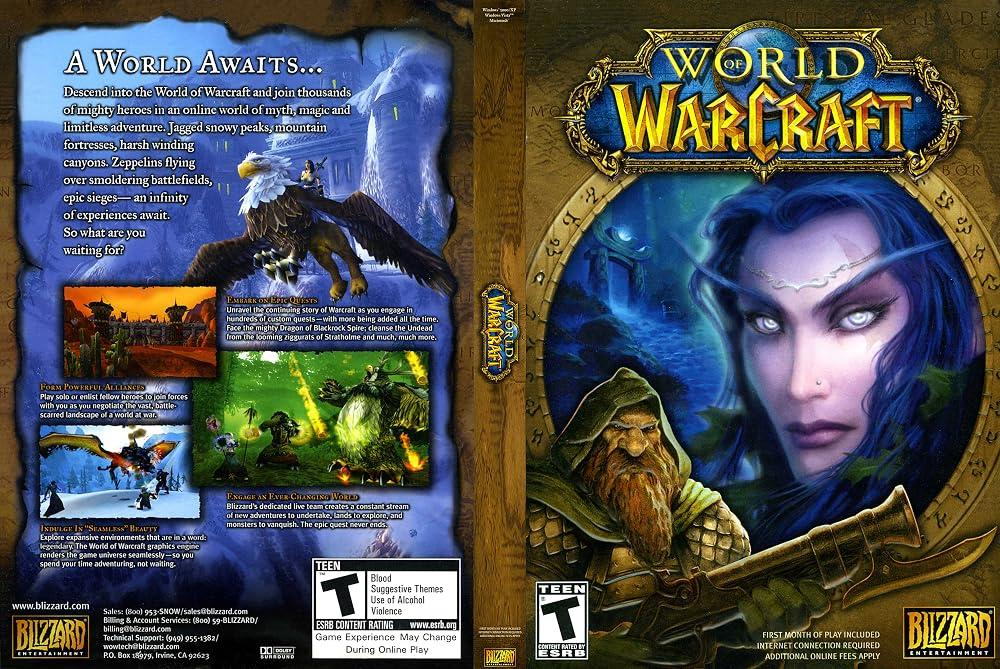
In November, Blizzard sold around 240,000 copies of the game in these regions. In January 2005, World of Warcraft was released in South Korea, followed by Europe in February and China in June. By August, the number of subscribers had reached 4 million, and by November it had reached 5 million.
The game that changed MMORPGs
The success of World of Warcraft quickly went beyond ordinary commercial success. Blizzard regularly expanded Azeroth with new content, and in 2007 released the first expansion — The Burning Crusade. It was followed by Wrath of the Lich King, Cataclysm, and other major expansions.
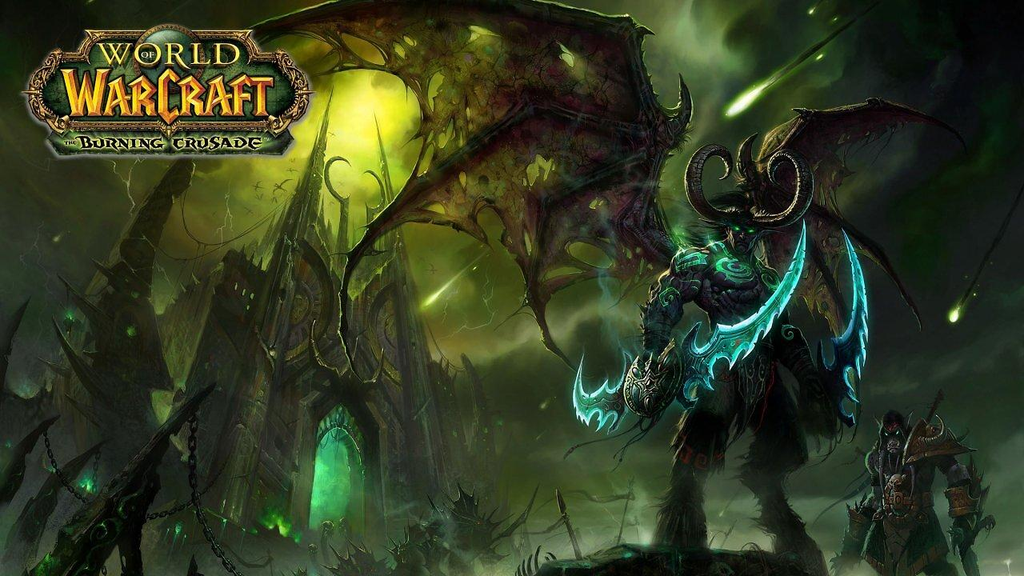
In 2010, the number of subscribers surpassed 12 million.
World of Warcraft became an example of how an MMORPG could combine a massive world, accessibility, social mechanics, and regular content updates. Its quest system, character progression, dungeons, raids, guilds, and world structure became a benchmark for subsequent online games.
At the same time, the project's main strength was that Blizzard did not create a new universe from scratch. The company took the familiar Warcraft universe, combined it with experience from Ultima Online and EverQuest, and transformed it into a persistent online world.
On November 23, 2004, this experiment became available to players. From that moment, World of Warcraft went from a risky internal Blizzard project to one of the most famous MMORPGs in video game history.
As a reminder, Donkey Kong 64 — the history of the game that brought Donkey Kong into 3D.