


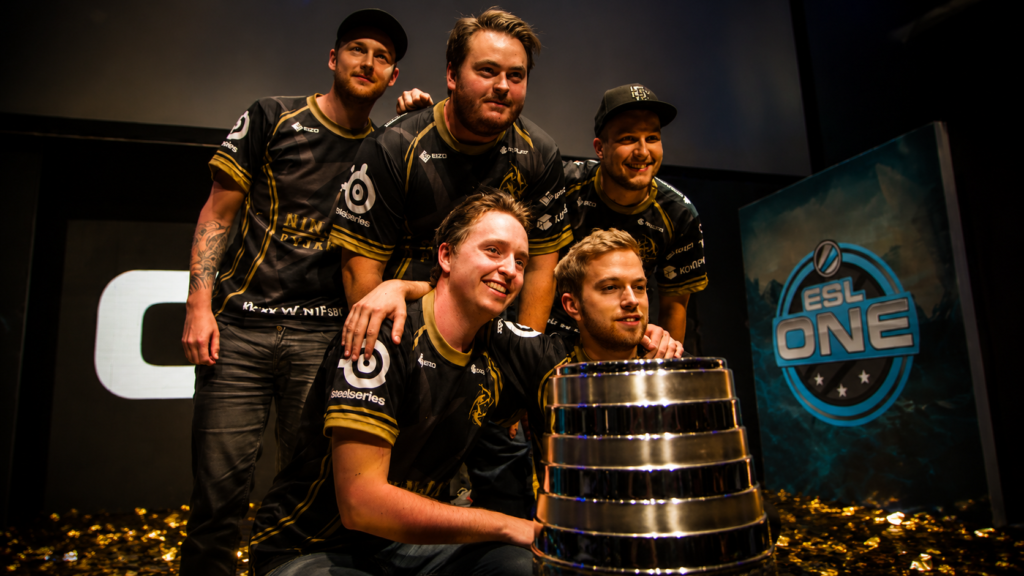
On August 17, 2014, ESL One Cologne 2014 — the third Major in Counter-Strike: Global Offensive history — concluded in Cologne. For Ninjas in Pyjamas, this tournament was special: the team that had dominated CS:GO for a long time finally earned its first and, as it later turned out, only Major title.
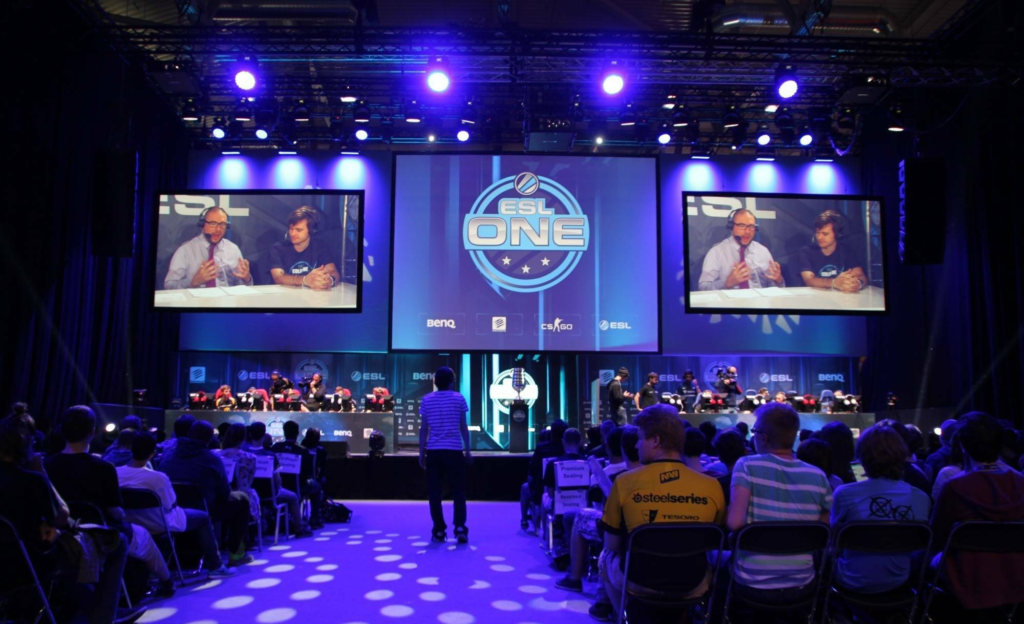
Before Cologne 2014, the world had already seen two Major tournaments.
The first was DreamHack Winter 2013, won by fnatic. The second was EMS One Katowice 2014, won by Virtus.pro, who defeated NiP in the grand final. So Cologne became more than just another big tournament. It was the third Major in CS:GO history and the second one in 2014. Sixteen teams took part, with a prize pool of $250,000.
The tournament took place as part of Gamescom 2014 at the Cologne Exhibition Centre. And right there, one of the most famous teams in early CS:GO history got the chance to finally lift the main trophy.
Today, the roster of f0rest, GeT_RiGhT, Xizt, friberg, and Fifflaren is considered one of the most famous lineups in Counter-Strike history. At the beginning of the CS:GO era, NiP were the dominant force in the scene. The team set an incredible record — 87 undefeated maps in LAN matches. They won one tournament after another and became the symbol of early professional CS:GO.
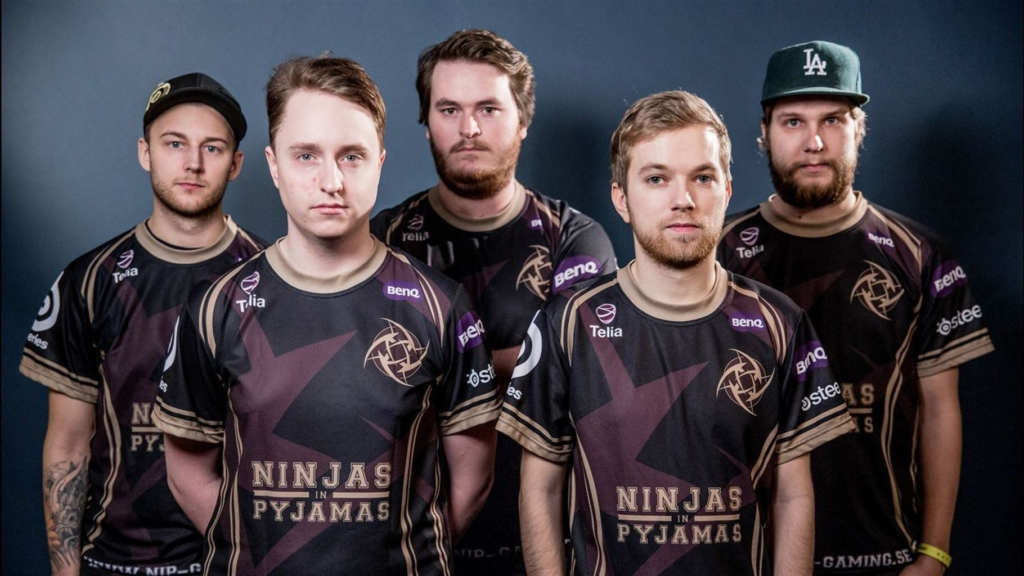
But when it came to Major tournaments, the situation developed paradoxically for NiP. At the first Major — DreamHack Winter 2013 — they lost to fnatic in the finals. At the second — EMS One Katowice 2014 — they fell to Virtus.pro in the decisive match. In other words, NiP made it to the very end twice, but twice were left without a trophy.
Heading into Cologne, they no longer looked like the absolutely invincible team they had been a year prior. ESL would later call Cologne the moment when NiP passed the "torch" to the next great force — fnatic. But before that, they still needed to win the tournament itself.
NiP passed the group stage and faced Team LDLC.com in the playoffs. The semifinal was a true battle. The decisive map, Cobblestone, ended with a 16:14 score in favor of NiP, after which the Swedes secured a spot in the finals. There, fnatic awaited them.
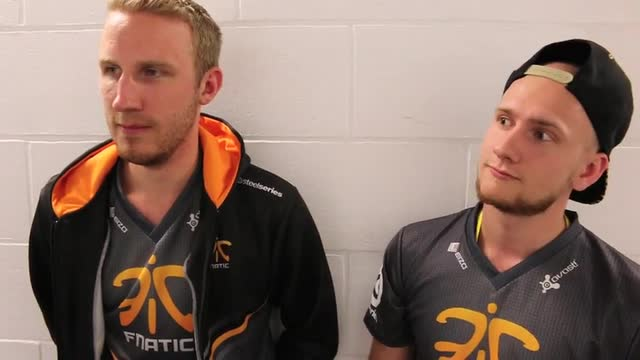
And that was a particularly interesting matchup. Both teams represented Sweden, but fnatic were just forming a new version of their roster. Shortly before the tournament, olofmeister and KRiMZ joined the team from LGB. It was this lineup that would eventually become one of the strongest teams in CS:GO history. Therefore, the Cologne final effectively became a meeting between the old and the new Swedish eras.
The first map was Cobblestone. Fnatic had a great start to the match and ended the first half leading 11:4. It seemed NiP were on the brink of defeat. But after switching sides, an incredible comeback began. NiP won 12 consecutive rounds and closed out the map 16:11. A huge contribution came from GeT_RiGhT, who dropped 32 kills. (ByondThat)
Fnatic responded on Cache. This time, they themselves took an 11:4 lead after the first half and didn't allow their opponents to pull off another comeback. Fnatic won 16:8. The series tied up at 1:1. Everything was to be decided on Inferno. Fnatic started off better once again, finishing the first half with a 9:6 lead.
After switching sides, they extended their lead to 11:6, but NiP began closing the gap once more. The Swedes won several key rounds, turned the score around, and took a 13:12 lead. Fnatic leveled it at 13:13, but the final rounds belonged to NiP. NiP won the final 2:1 and became the ESL One Cologne 2014 champions.
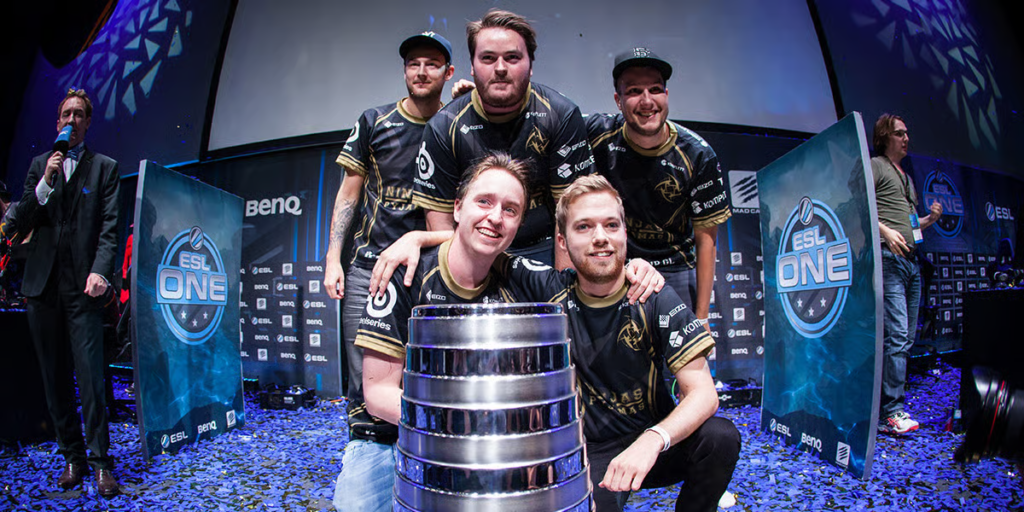
Friberg was named the Tournament MVP. NiP received $100,000 out of the total $250,000 prize pool. And most importantly — the team finally won a Major.
This victory carried special significance. NiP were finalists in all three of the first Majors in CS:GO history. But they were only able to win the third.
Furthermore, Cologne became not just their first Major, but the only Major title in the organization's CS:GO history. Later on, NiP reached the Major finals two more times, but never claimed a second championship.
And for Counter-Strike, this tournament served as a transition point of sorts. NiP remained among the elite, but their absolute dominance was coming to an end. Instead, a new fnatic featuring olofmeister and KRiMZ was emerging onto the scene.
The very next year, fnatic would become the first team to win two back-to-back Majors. ESL One Cologne 2014 was important not only because of NiP's victory.
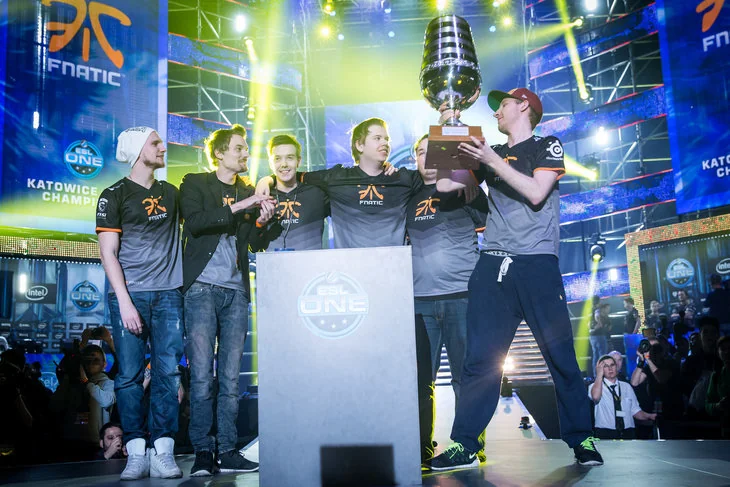
It was a tournament that showed how rapidly professional Counter-Strike was changing. At the start of CS:GO, NiP seemed almost invincible. Two years later, they were already being called part of a previous era, while fnatic, Virtus.pro, EnVyUs, and other teams fought for new dominance.
The NiP vs fnatic final also became one of the most-viewed matches of its time, peaking at 409,368 concurrent viewers. ESL called this final one of the turning points in CS:GO history.
And for NiP, it was the perfect finale to their first great era. ESL One Cologne 2014 became the third Major in CS:GO history and a tournament that remained forever etched in NiP's history.
The team that had twice lost in Major finals finally claimed the main trophy. At the same time, their victory marked a symbolic line between two eras: NiP were still the kings of early CS:GO, but very soon their place at the top would be taken by fnatic.
Today, Cologne 2014 is remembered as one of the most important tournaments in the early history of modern Counter-Strike — and as the Major that gave NiP their only championship title.
As a reminder, 10 Years of Paragon: How a Beautiful MOBA Was Sacrificed for Fortnite's Billions.