On August 16, 2016, Epic Games launched open beta testing for Paragon — a project intended to offer a fresh perspective on the MOBA genre.
Today, exactly ten years later, this date brings only a sad smile to thousands of gamers. Paragon went down in history not as a game that ousted Dota 2 or League of Legends, but as a high-profile and expensive sacrifice in the modern gaming industry that the company laid on the altar of battle royales.
At the time of its release, Paragon looked impressive.
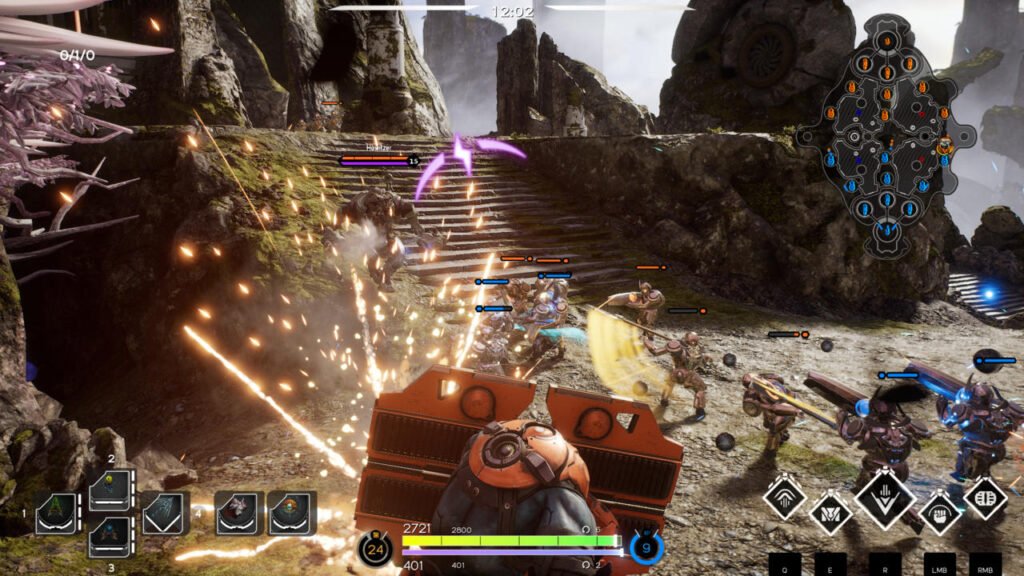
While other MOBA games offered an isometric view and cartoonish or muted graphics, Epic Games decided to use their project as a powerful showcase for the capabilities of Unreal Engine 4. It was a third-person game with highly detailed characters, true ballistics, and real verticality. You could play as a cyborg with a minigun or a cosmic mage, aim at enemies while jumping from a height, and every battle resembled an expensive sci-fi blockbuster. It seemed that the project had every chance of success, as it was backed by a studio with immense resources.
A special point of pride for Paragon was its technical foundation, which blurred the lines between platforms. The game became one of the pioneers of full cross-play: players on PC and PlayStation 4 fought on the same servers, sharing common progression and a unified ecosystem.
But reality turned out to be more complicated. The developers struggled for a long time to figure out the balance, constantly reworked the card-artifact system, altered the game speed, and even released a completely new map, Monolith, which split the community in two.
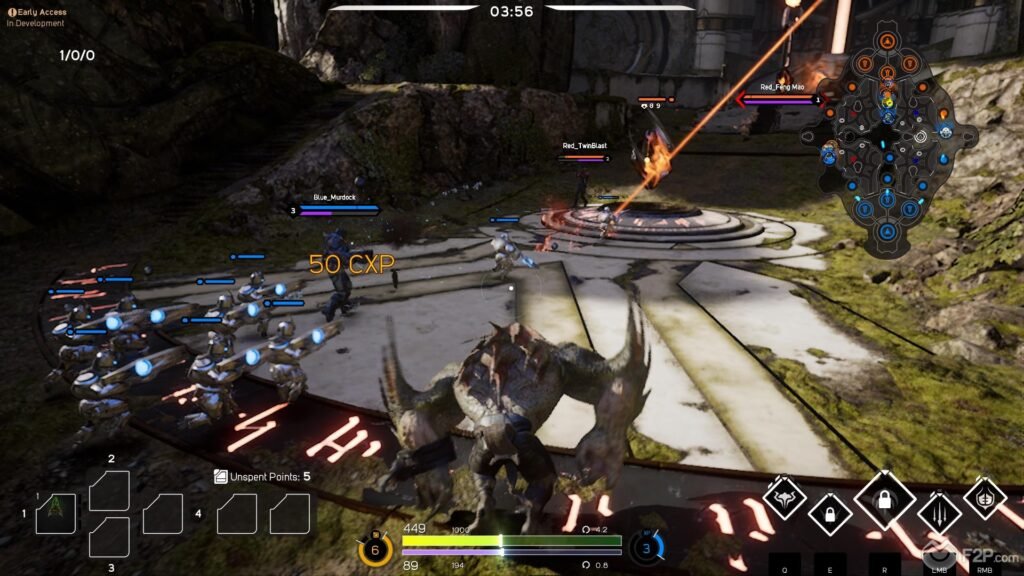
However, the real end for Paragon was not caused by game design mistakes. The fate of the game was decided by an entirely different, cartoonish project being developed in a neighboring wing of Epic Games' office. Its name was Fortnite.
In late 2017, riding the wave of PUBG's popularity, Epic Games released the free-to-play Fortnite Battle Royale mode. What was planned as a fun experiment turned into a global phenomenon within weeks, generating hundreds of millions of dollars. The servers could barely handle the influx of players, and the game required constant updates, new skins, and events. The company's management did the math and made a pragmatic decision from a business standpoint: they simply pulled the entire Paragon development team and reassigned them to support Fortnite.
In April 2018, Paragon's servers were permanently shut down. However, credit must be given to Epic Games — they closed their project in the most dignified way possible. The company issued unconditional refunds to absolutely all players for all in-game purchases, regardless of when they were made. Then came an unprecedented move: Epic Games released all 3D models, animations, sounds, and visual effects from Paragon (totaling over $12 million in value) for free on the Unreal Engine Marketplace.
Paragon was shut down so Fortnite could become an absolute industry giant. However, the game's visual legacy still lives on, and the giveaway of free assets led to a unique precedent. Thanks to open access to the assets, several independent teams attempted to resurrect the game, with the most successful being the project Predecessor by Omeda Studios.
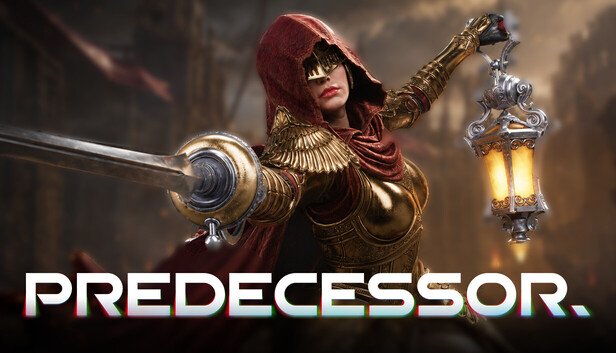
The most ironic part of this story is that the new developers not only managed to faithfully recreate the original atmosphere, but also received financial support from Epic Games itself in the form of an Epic MegaGrant. It is a beautiful paradox: a company that halted the development of its own game out of cold business calculation ultimately funded the creation of its direct spiritual successor.
As a reminder, 9 Years of Sonic Mania: How Fan-Enthusiasts Saved the Blue Hedgehog and Gave the Franchise New Life.


