


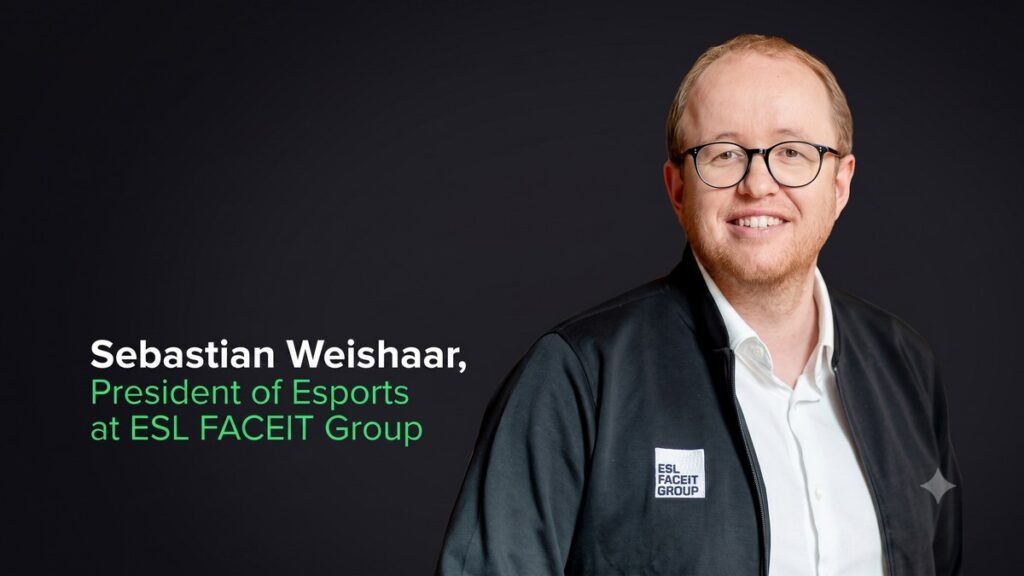
Esports continues to face a major financial problem: the lack of revenue from match viewership. ESL FACEIT Group Esports President Sebastian Weishaar noted in an interview with e.sport.fr that while he is generally optimistic about the industry, the current model of free streams on Twitch and YouTube does not ensure sustainable profitability. According to him, media rights in traditional sports account for roughly 75% of total revenue, whereas in esports, this figure remains minimal.
Weishaar emphasizes that the industry cannot simply hide its content behind a paywall, as the audience has grown accustomed to watching for free. A sudden shift would only backfire. Instead, he sees the solution in creating additional paid premium features for fans for a small monthly fee, while the core viewing experience should remain free. Without solving the broadcast monetization issue, he believes the long-term prosperity of esports is impossible.
This financial reality is also confirmed by Bertrand Amar, founder of the French tournament organizer N.E.O. He notes that tournament organizers survive primarily through sponsorships and partnership deals. Ticket sales generate almost no income because most competitions are held online rather than in front of a live audience. Although media rights currently do not bring in significant funds, Amar expects them to become a substantial revenue source over time.
Certain shifts in this direction are already happening. Major entertainment and streaming platforms are starting to acquire rights to esports tournaments to attract a younger audience:
- Disney+ acquired exclusive global streaming rights for the League of Legends KeSPA Cup.
- Warner Bros. Games and Evo struck a partnership to broadcast Evo 2026 tournaments on HBO Max and Warner Play in Latin America.
The Esports World Cup 2026 has demonstrated a distinct approach to selling media rights. Instead of selling a single global package, organizers split the rights by regions, languages, and formats. For example, France Télévisions broadcasts daily tournament highlights, OTP secured live broadcast rights in France, and Naver's CHZZK became the exclusive Korean-language broadcaster for all 25 titles.
These local and niche deals represent some of the clearest steps esports has taken toward the media-rights revenue model that traditional sports have relied on for decades.
As a reminder, Razer Announces Acquisition of StreamElements Assets