


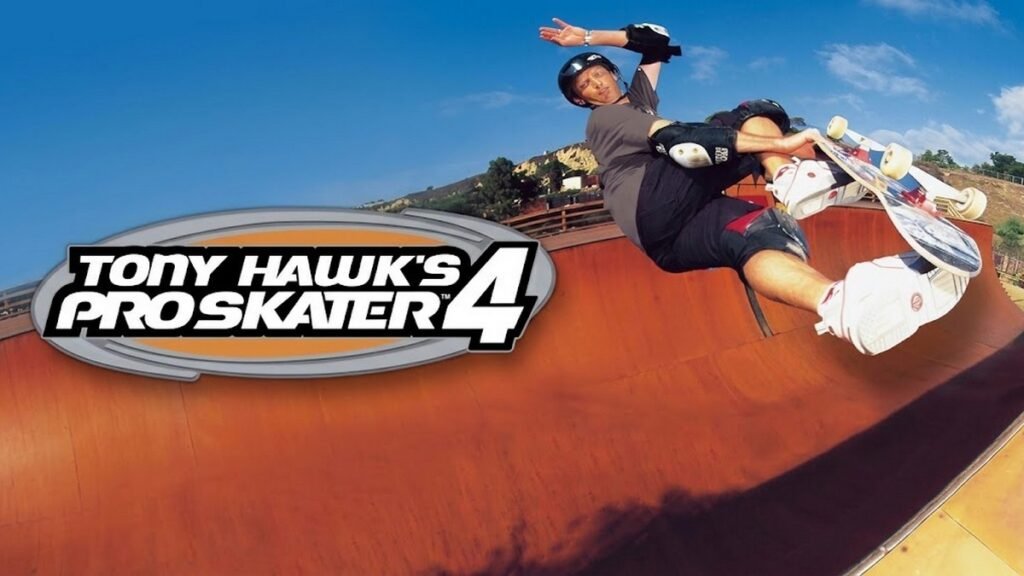
On October 23, 2002, Tony Hawk’s Pro Skater 4, the fourth installment in the popular skateboarding series from Neversoft and Activision, was released in North America. The game launched on PlayStation 2, Xbox, GameCube, and the original PlayStation, and later made its way to other platforms.
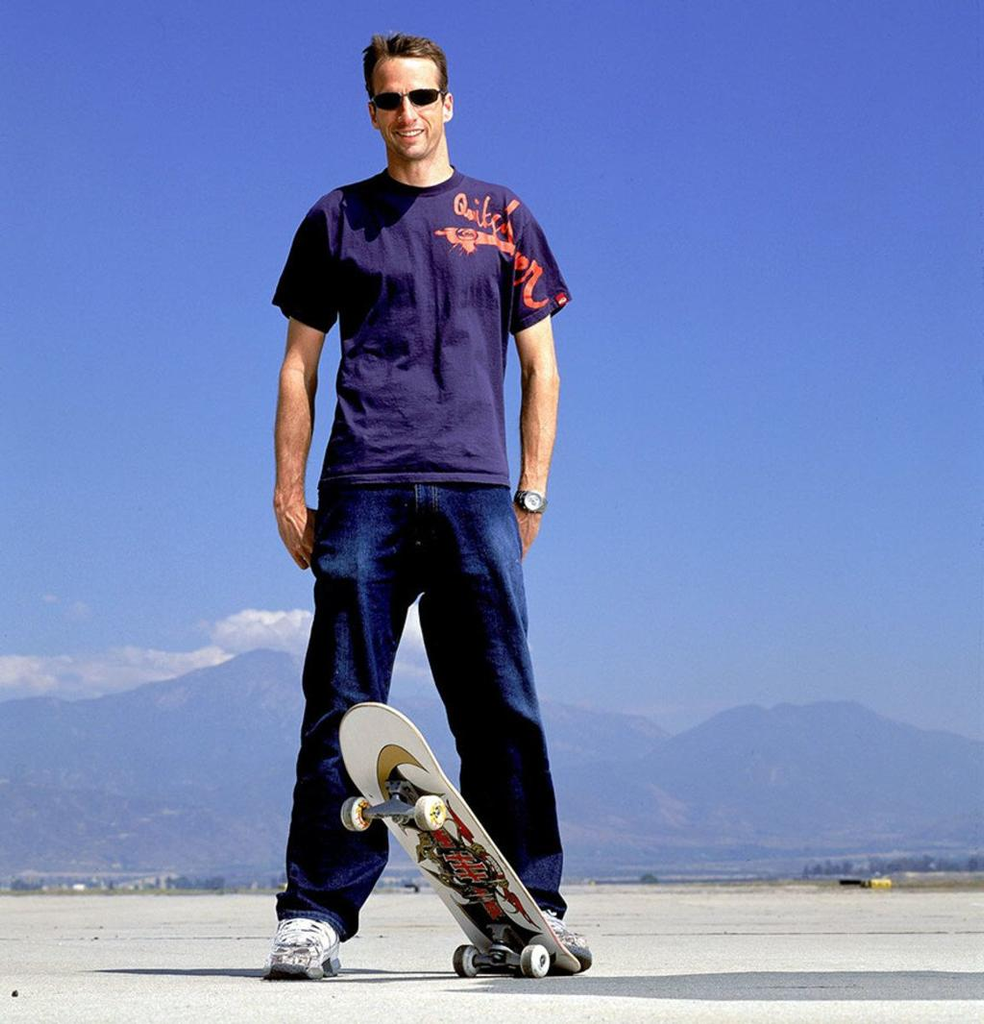
At first glance, it was still the same Tony Hawk: tricks, combos, large levels, famous skateboarders, and music that had long become an important part of the series. However, the fourth installment significantly changed the structure of the game. The developers abandoned the familiar two-minute timer in Career Mode and allowed players to freely explore locations, find characters on their own, and decide when to start the next challenge.
Freedom Instead of Two Minutes
The first three Tony Hawk’s Pro Skater games were built around a simple formula: players entered a level and had roughly two minutes to complete as many objectives as possible. They had to earn points, collect items, find secrets, and perform certain tricks before the run ended.
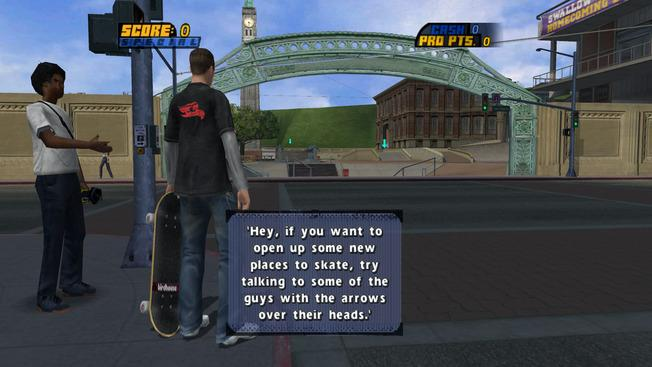
In Tony Hawk’s Pro Skater 4, Neversoft decided to redesign this system. Now, the timer did not start when the player entered a level. Players could freely skate around the location, explore it, and find characters who offered individual challenges. The countdown only began after starting a specific objective.
As a result, levels began to feel less like arenas for short runs and more like places that could be explored at the player’s own pace. Activision described the new career mode as “free-roaming,” while the developers prepared around 190 objectives, which gradually became more difficult.
From Amateur to Professional
The idea behind the career mode also changed. Players started as amateurs and gradually earned respect by completing objectives and unlocking more difficult challenges. One of the main goals was completing special Pro Challenges associated with specific professional skateboarders.
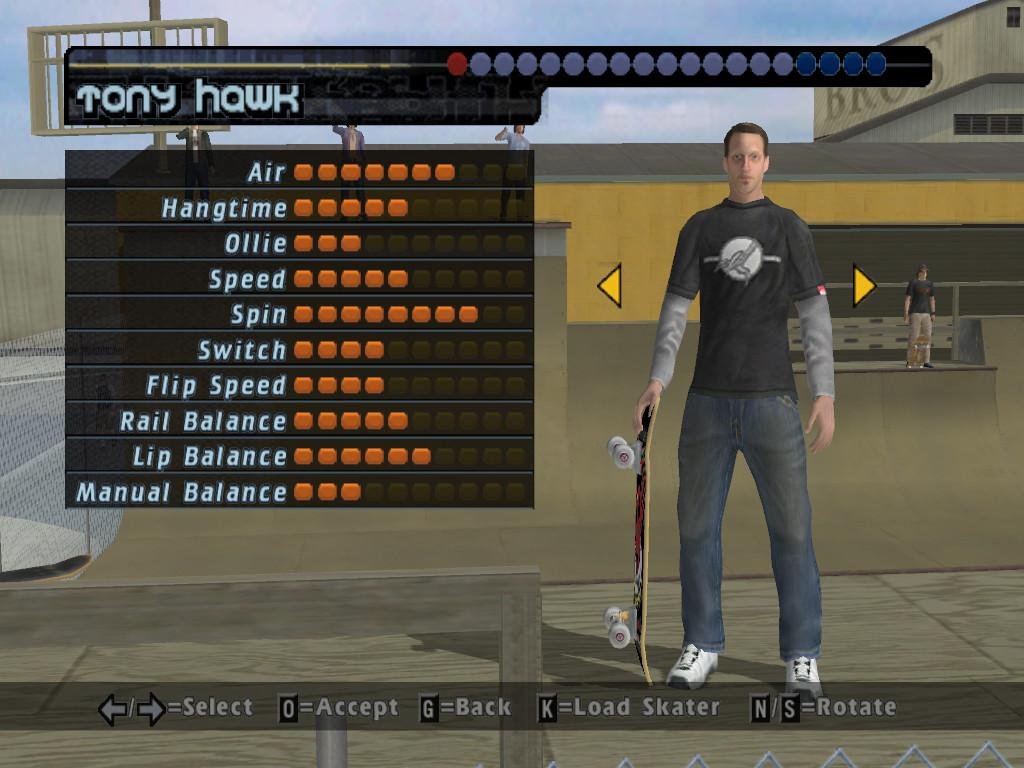
The game allowed players to control Tony Hawk and other famous skateboarders, including Rodney Mullen, Bam Margera, Bob Burnquist, Steve Caballero, Eric Koston, Elissa Steamer, and others.
Neversoft tried to make the levels feel more alive and interactive. Some elements of the environment changed depending on completed objectives, while the missions themselves became more varied. Players were asked not only to reach a required score or perform combinations but also to participate in competitions, complete tasks given by characters, and take on special challenges from professional skaters.
The Familiar Formula Became Bigger
Despite the major overhaul of the career mode, Neversoft did not abandon what players loved about the series. The core of Tony Hawk’s Pro Skater 4 remained the creation of long combinations involving grinds, manuals, jumps, and other tricks.
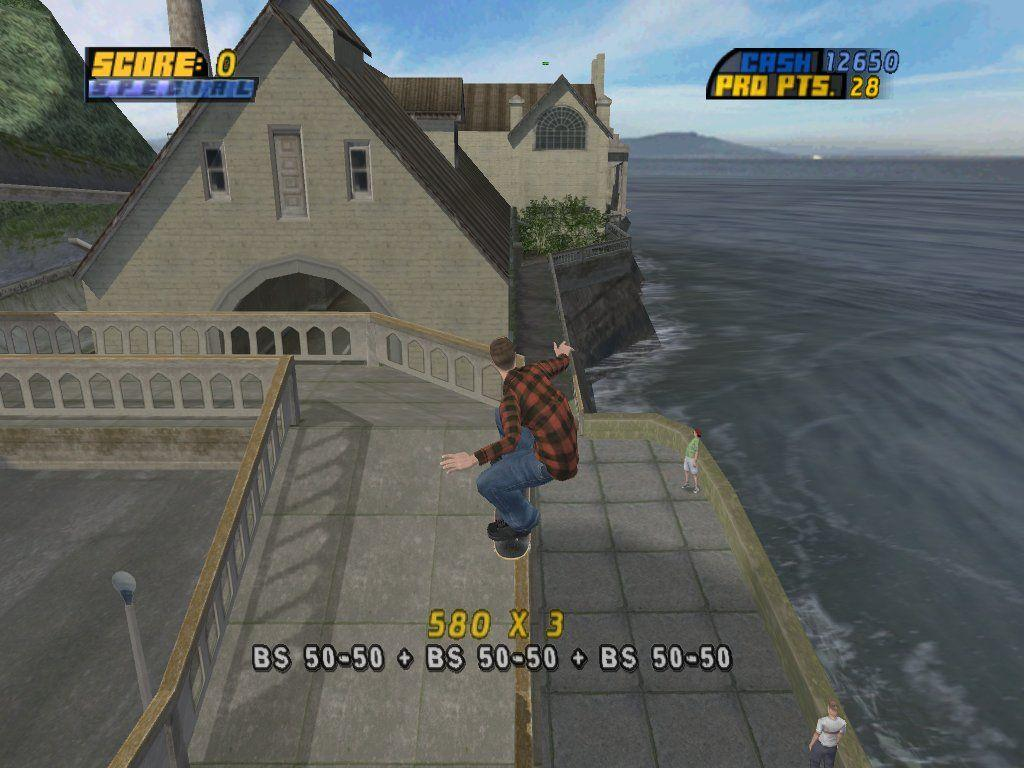
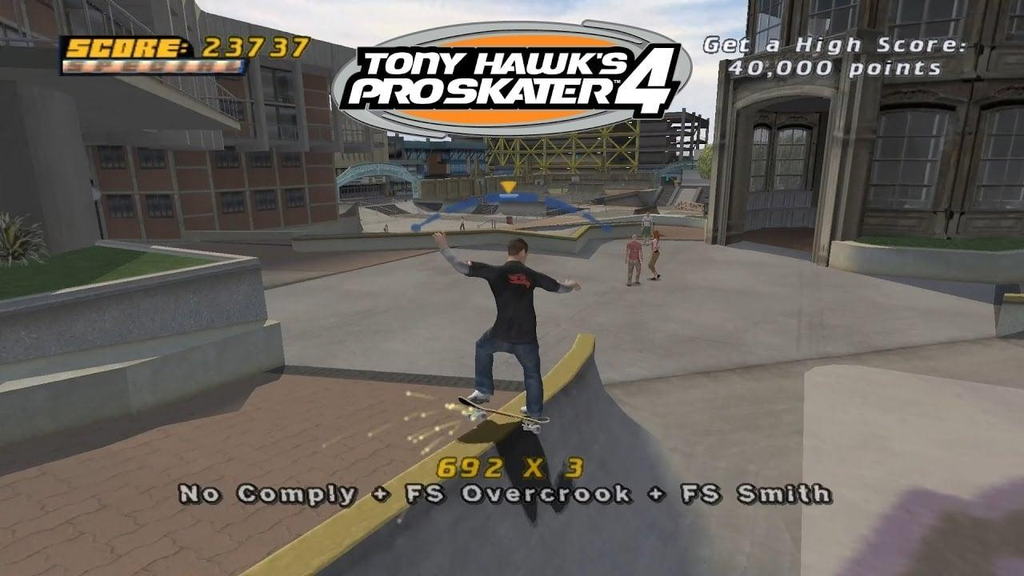
The developers also continued improving the physics and balancing systems. Even before release, Neversoft spoke about its work on board behavior, falls, and maintaining balance while performing tricks.
The skatepark editor also remained an important part of the game. In the fourth installment, its possibilities were expanded: players could place their own objectives in custom locations, such as score challenges or hidden collectibles. This allowed players not only to build skateparks but also to create their own small challenges within them.
Music as Part of Tony Hawk
By the early 2000s, soundtracks had already become one of the defining features of Tony Hawk’s Pro Skater, and the fourth installment continued this tradition.
The game featured music from various genres, ranging from punk and hip-hop to rock and metal. The soundtrack included AC/DC, Iron Maiden, Sex Pistols, Public Enemy, De La Soul, The Offspring, System of a Down, and many other artists.
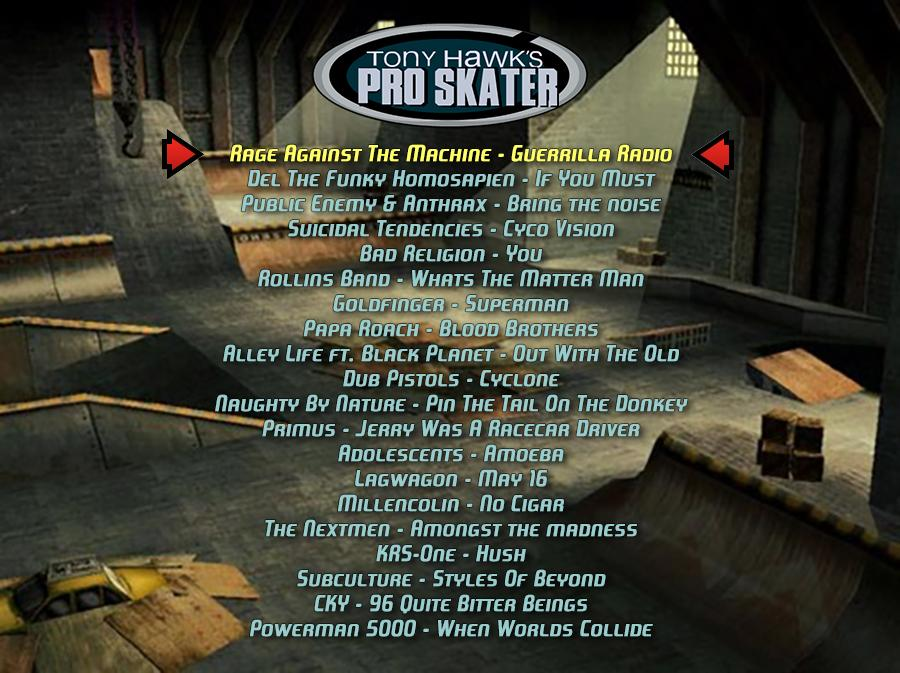
The music worked alongside the pace of the game itself: while players searched for new trick lines, tried to build long combos, or repeated a difficult challenge dozens of times, the songs constantly accompanied the action. That is why, for many players, the music from the Tony Hawk series became just as recognizable as its levels and mechanics.
One of the Highest-Rated Games in the Series
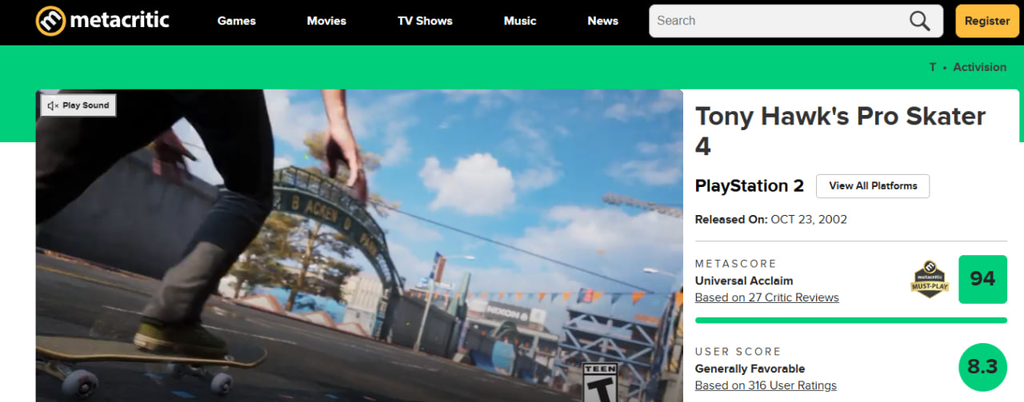
The experiment with the career mode structure did not prevent Tony Hawk’s Pro Skater 4 from receiving extremely high review scores. The PlayStation 2 version has a score of 94 out of 100 on Metacritic, based on 27 critic reviews.
Reviewers particularly praised the larger levels, the amount of content, and the freedom offered by the new career mode. At the same time, the developers did not try to turn Tony Hawk into a completely different game — the familiar trick system remained at the heart of the gameplay.
The fourth installment became something of a transition between the classic formula of the first Tony Hawk’s Pro Skater games and the next stage in the series’ evolution. Just a year later, Neversoft would release Tony Hawk’s Underground, which offered even more freedom, introducing a full story campaign, a custom player character, and the ability to move around locations without a skateboard.
24 Years Later
It has been 24 years since the release of Tony Hawk’s Pro Skater 4, but its biggest change remains a good example of how the entire series evolved. Neversoft did not abandon the familiar trick system but gave players significantly more freedom between objectives.
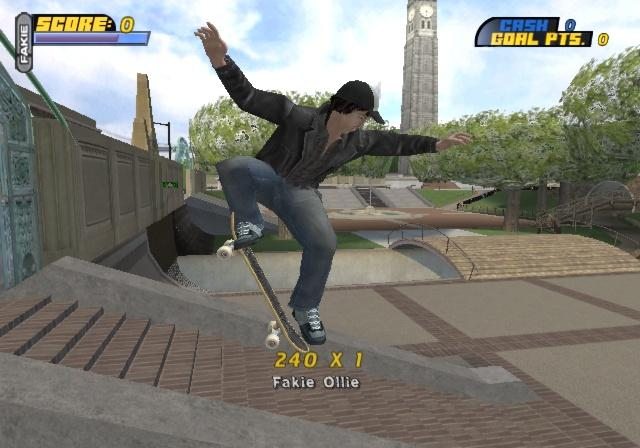
Instead of constantly racing against a two-minute timer, players could simply skate around, explore the level, find new spots for combos, and only then take on the next challenge.
Tony Hawk’s Pro Skater 4 remained part of the classic era of the series while also taking an important step toward the more open structure that Neversoft would continue to develop in its subsequent games.
As a reminder, Grand Theft Auto III — 25 Years Since the Game That Took GTA Into a 3D World.