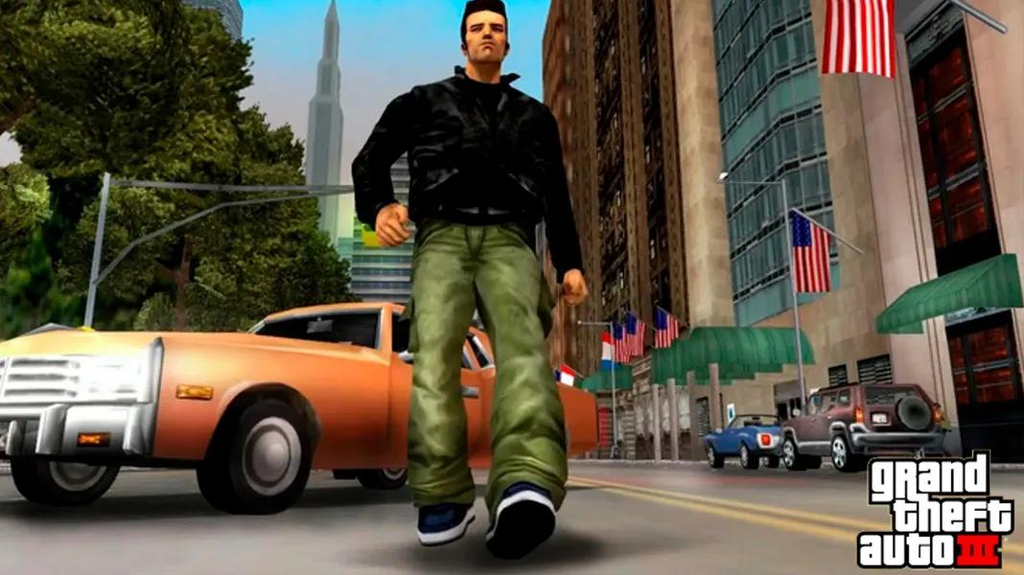
On October 22, 2001, Grand Theft Auto III was released on PlayStation 2 — a game developed by DMA Design, the future Rockstar North, that completely transformed the familiar formula of the series. Instead of a top-down perspective, players got a large three-dimensional city, the ability to freely move through its streets, steal cars, complete story and side missions, or simply explore the world at their own pace.
GTA III was not just another installment in the Grand Theft Auto series. It marked the beginning of the 3D era of GTA, while the developers’ approach to the open world would later become a benchmark for a large part of the gaming industry. Twenty-five years later, Liberty City may look modest compared to modern open worlds, but in 2001, the opportunity to step inside a city like this made a completely different impression.
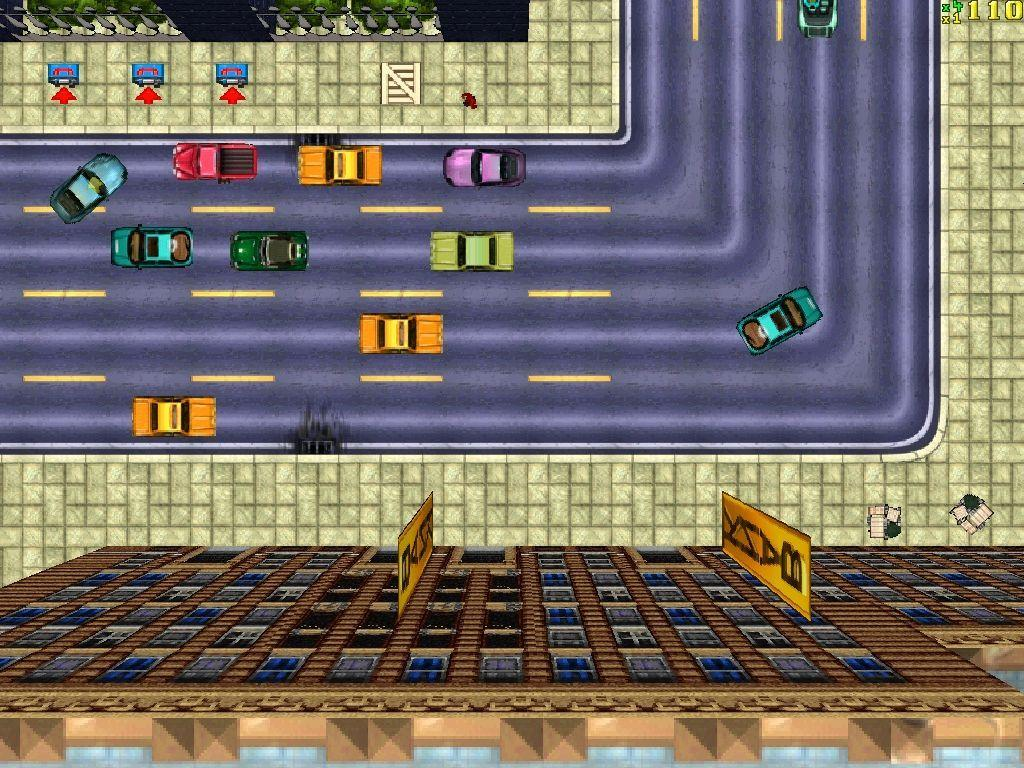
The first Grand Theft Auto games already gave players freedom to move around the city, steal cars, escape from the police, and complete missions for the criminal underworld. However, the action was primarily shown from above, so the level of immersion in the city was completely different.
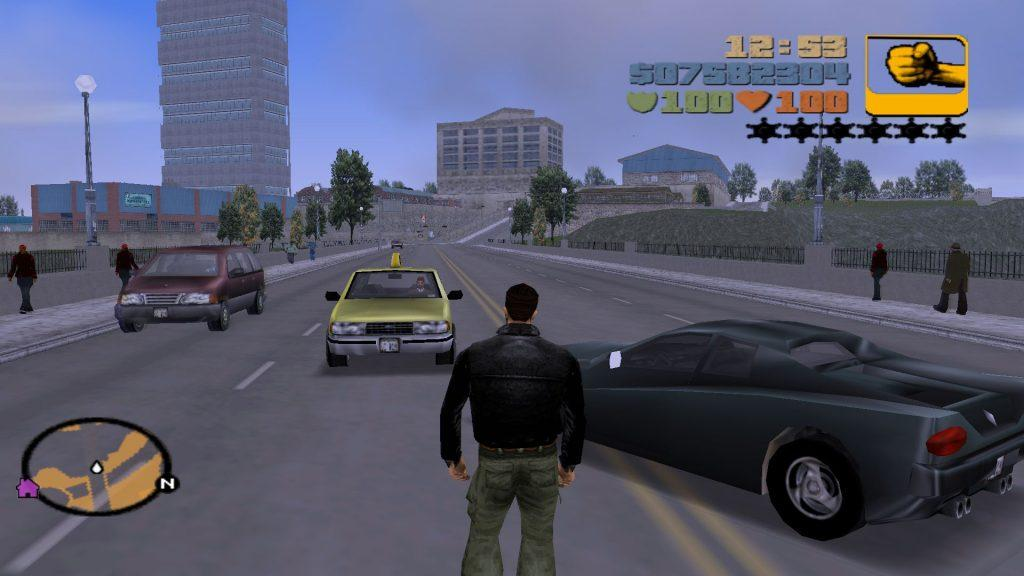
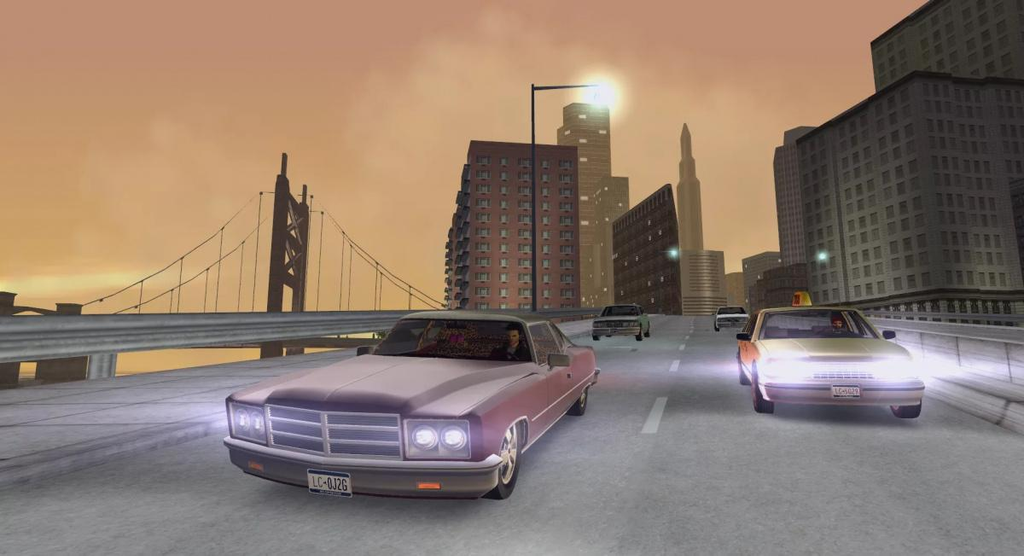
In GTA III, the developers transferred the same idea into a three-dimensional environment. Players were now directly on the city streets, could see cars and pedestrians around them, get out of vehicles, explore districts on foot, and experience Liberty City from a third-person perspective.
Interestingly, GTA III was created practically from scratch. Rockstar North art director Aaron Garbut later explained that the team was not simply transferring the technology of the previous GTA games into 3D, but was building a new system throughout development. The main goal was to create a world that felt alive while giving players as much freedom as possible.
The team at the time was relatively small. Former technical director Obbe Vermeij recalled that there were around 25 developers, only seven of whom were programmers. The Scottish team was responsible for the city, vehicles, characters, missions, and programming, while Rockstar in New York handled, among other things, voice acting, the story, and stylistic decisions.
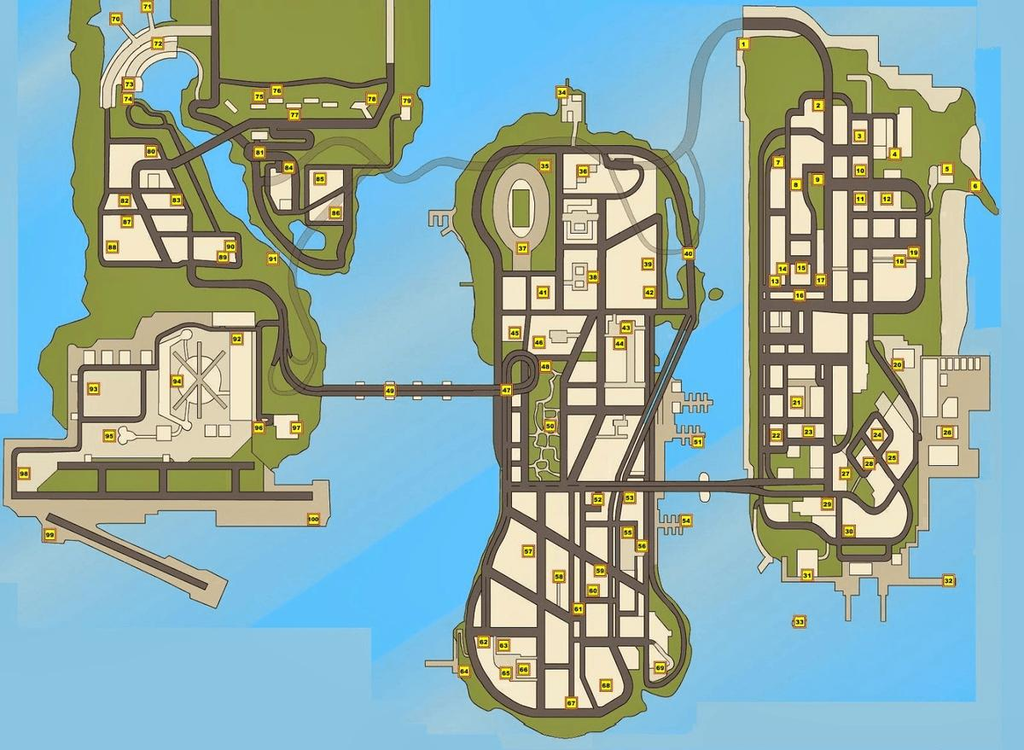
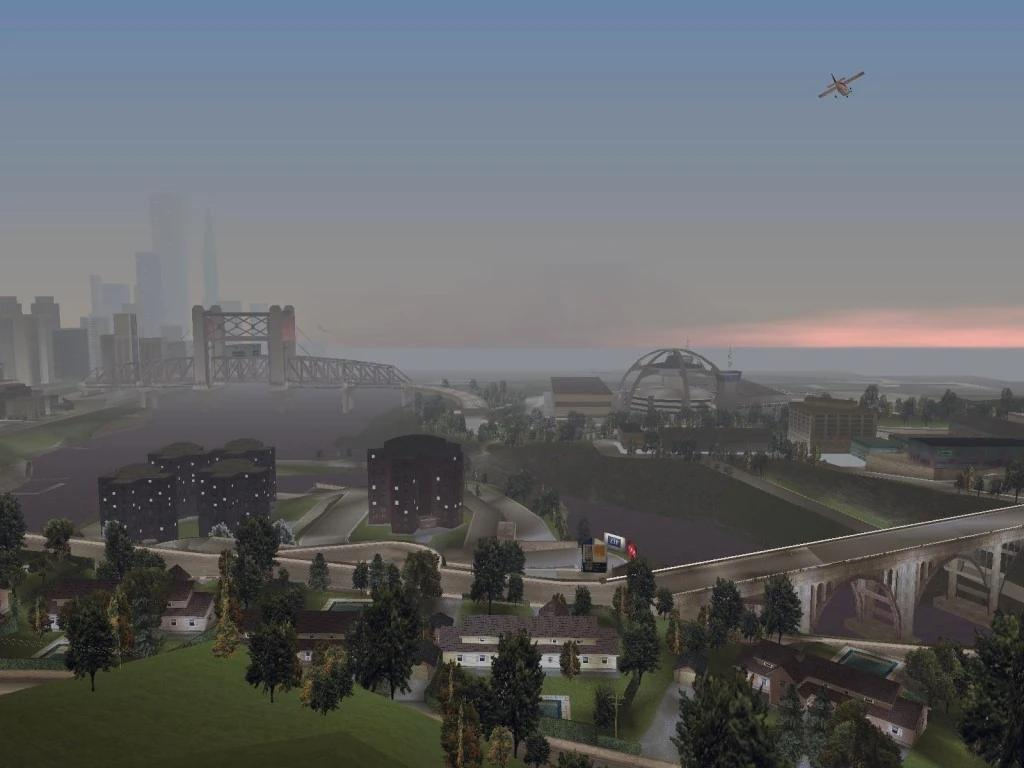
One of the main characters of GTA III was effectively Liberty City itself — a fictional American city heavily inspired by New York City.
The world was divided into three large areas that became accessible gradually. Players started in the industrial district of Portland, later reached the more modern Staunton Island, and eventually unlocked Shoreside Vale.
Vehicles moved through the streets, pedestrians walked around, police officers patrolled the city, and both the weather and time of day changed. Cars could be stolen practically right off the street, while players were free to travel around the city without constantly having to complete story missions.
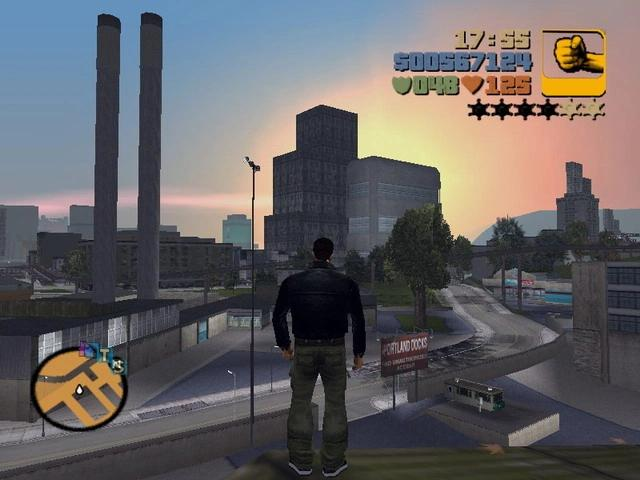
This freedom became one of GTA III’s biggest breakthroughs. Players could head to the next mission, work as a taxi driver, complete police or ambulance missions, search for hidden items, or simply start a police chase.
The world was not enormous by modern standards, but it created the impression of a place that existed independently of the main character.
The protagonist of GTA III was Claude — a silent criminal who is betrayed by his partner Catalina during a bank robbery at the beginning of the game.
After being arrested, Claude gets a chance to escape and gradually becomes involved in Liberty City’s criminal underworld. He works for the Mafia, the Yakuza, and other organizations, taking on increasingly dangerous assignments.
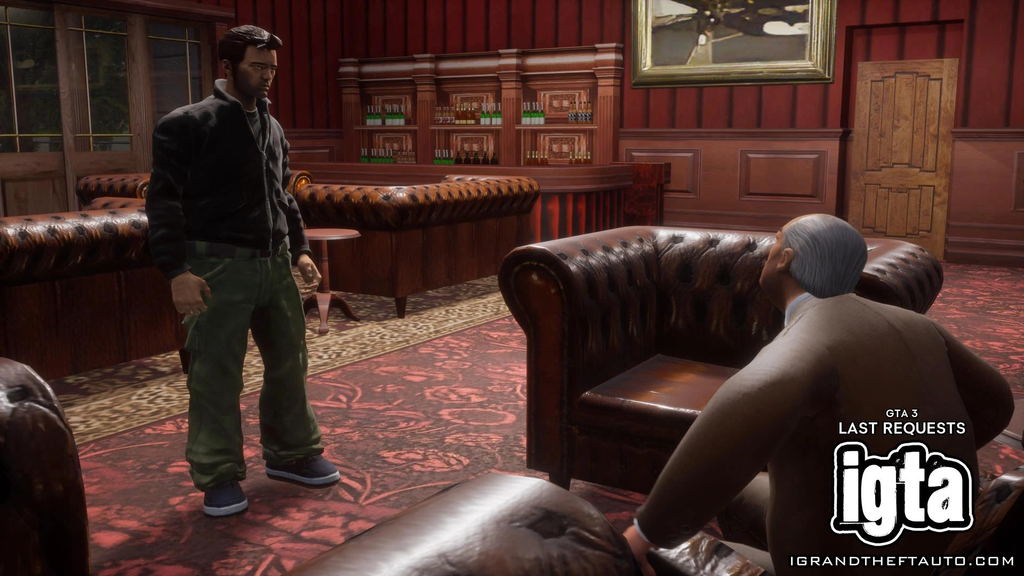
Unlike the future protagonists of the series, Claude barely demonstrated his personality through dialogue — in fact, he did not speak at all. Instead, the story was told through other characters, cutscenes, phone missions, and radio stations.
Radio itself became an important part of the atmosphere. While driving around the city, players could switch between stations featuring different music genres, advertisements, and talk shows. This helped create the feeling that Liberty City was not simply a backdrop for missions, but a separate satirical world.
The final stage of GTA III’s development coincided with the tragic events of September 11, 2001, in the United States. Since Rockstar’s office was located in New York and Liberty City was heavily inspired by the city, the developers decided to make several changes before release.
Many rumors about these changes later emerged. However, Rockstar explained that the changes actually affected approximately one percent of the game.
The developers removed one mission that referenced terrorists, changed some pedestrian dialogue and radio conversations, altered the appearance of police cars, and adjusted the flight path of an airplane. The company also redesigned the American GTA III cover.
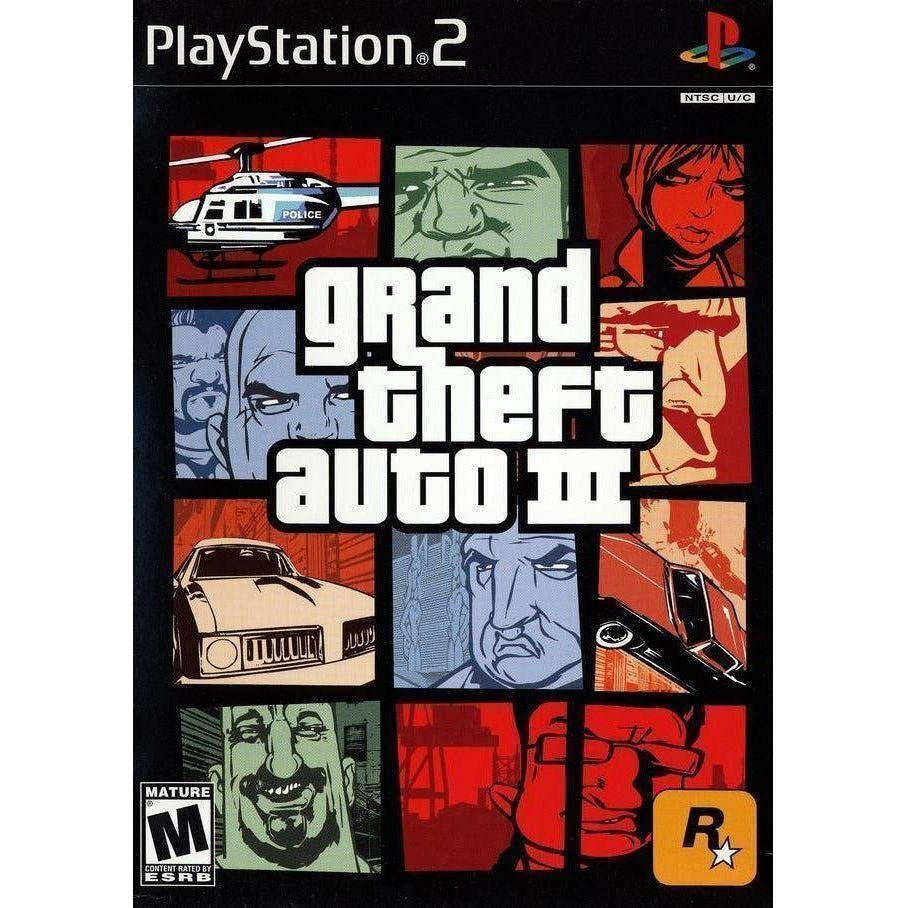
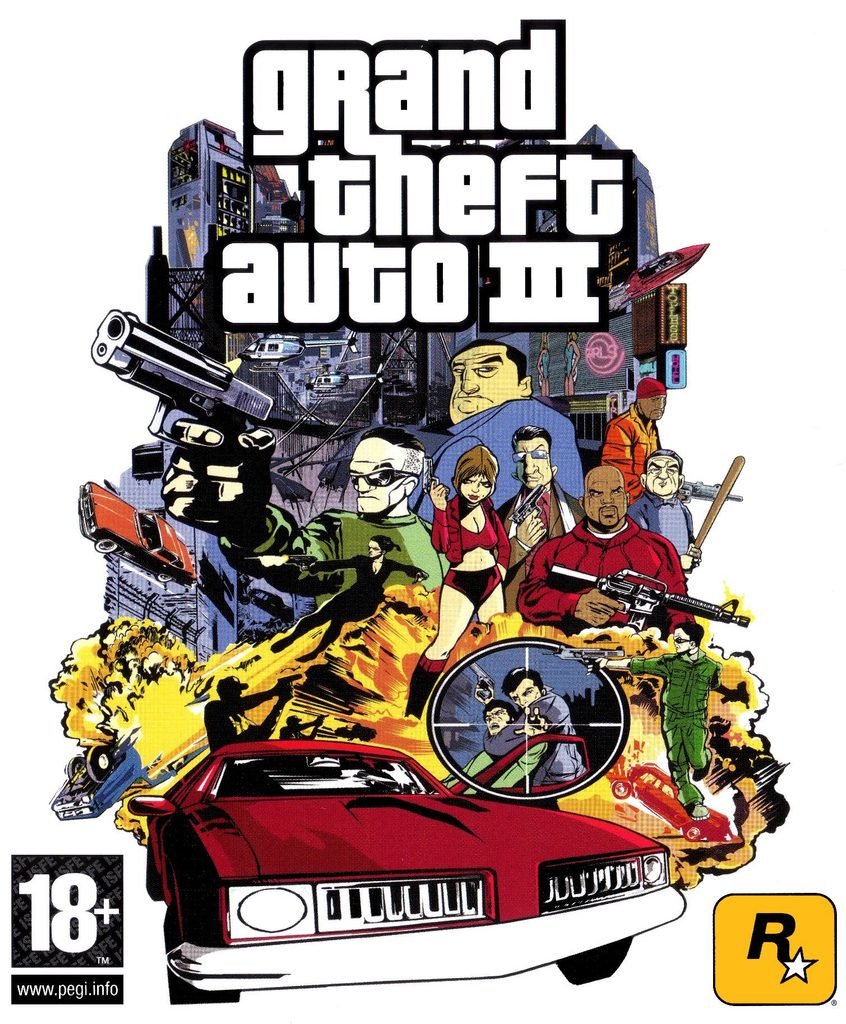
It was then that the collage-style design featuring several rectangular illustrations surrounding the logo appeared. This style would later become one of the most recognizable elements of Grand Theft Auto’s visual identity.
One of the reasons for GTA III’s success was that the game almost constantly allowed players to deviate from the intended path.
A mission could require reaching a specific location or eliminating a target, but along the way, players could switch vehicles, attract police attention, accidentally get into a crash, or simply postpone the mission and explore the city instead.
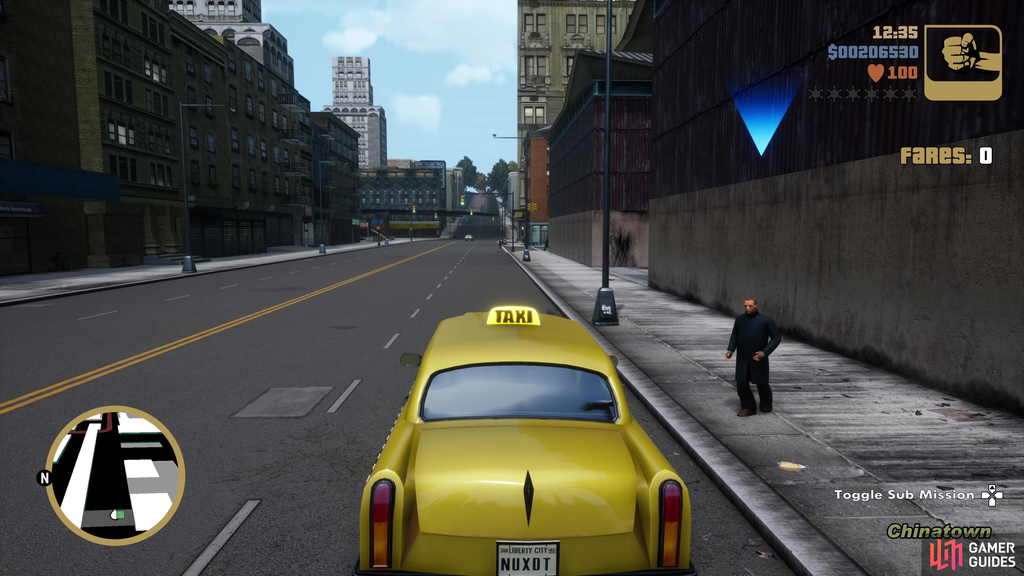
It was this combination of a story campaign and freedom of action that became GTA III’s defining formula. Previous games in the series had already experimented with an open structure, but the transition to 3D made this freedom much more tangible.
Critics quickly took notice. GameSpot’s original review gave GTA III a 9.6 out of 10, highlighting how dramatically the third installment reinvented the series and brought its ideas to a new generation of consoles.
Before GTA III, the Grand Theft Auto series was already well known, but it was the third installment that turned it into one of the biggest brands in the gaming industry.
The game received a Metacritic score of 97 out of 100, and Rockstar later described it as the highest-rated PlayStation 2 game on the aggregator. The company also stated that, according to NPD estimates, GTA III became the best-selling console game of 2001 in the United States.
Its success allowed the developers to rapidly expand the new formula. Grand Theft Auto: Vice City arrived just one year later, followed by Grand Theft Auto: San Andreas in 2004. Each subsequent installment increased the scale of the world and developed the ideas for which GTA III had laid the foundation.
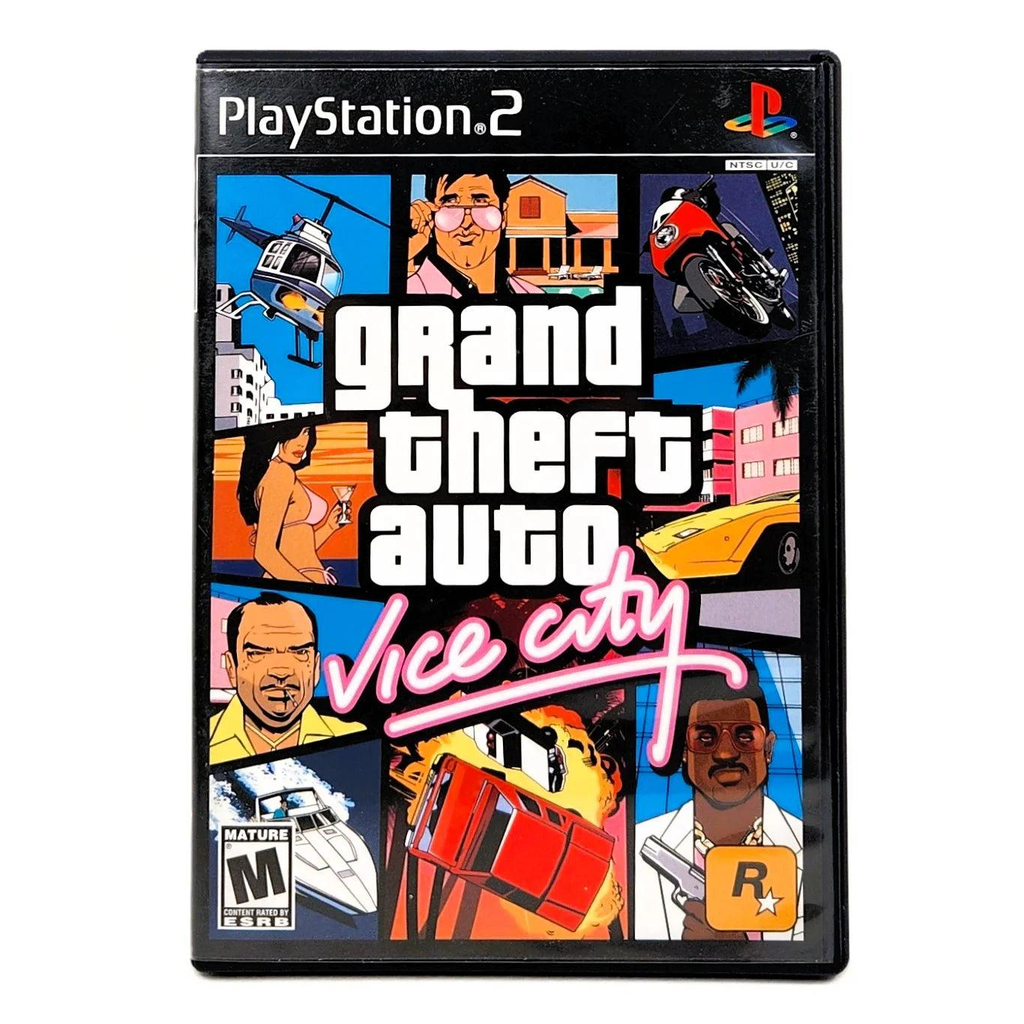
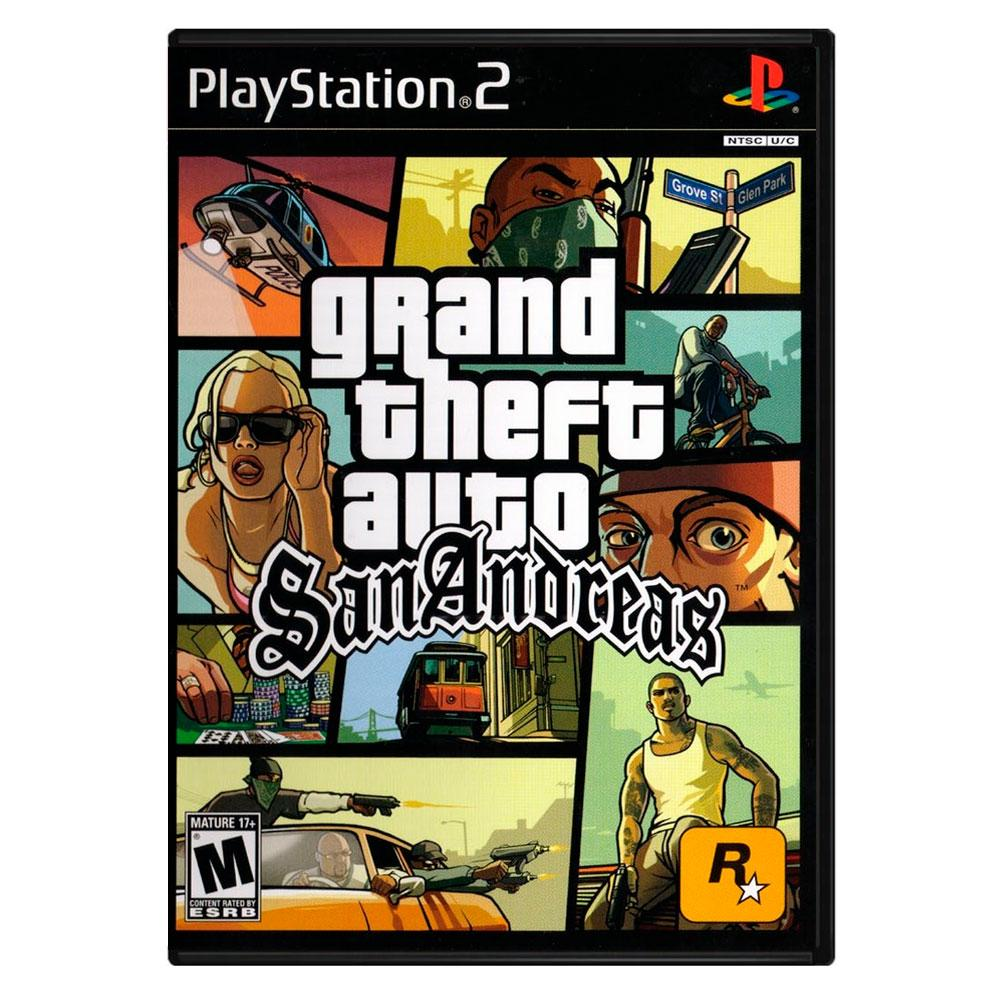
The game’s influence extended far beyond the series itself. Three-dimensional open cities, freedom of movement, the combination of story missions with side activities, and the ability to simply exist within a virtual space became much more common in major games over the following years. GameSpot later included GTA III among the most influential games of the 21st century precisely because of the role it played in popularizing the modern open world.
Today, Grand Theft Auto III may seem considerably simpler than modern entries in the series. Liberty City is small, Claude has very little characterization, and the controls and structure of some missions clearly show the game’s age.
However, in 2001, GTA III demonstrated a completely different approach to the open world. Players were given a city, a collection of interconnected systems, and enough freedom to decide for themselves what to do between story missions.
This concept became the foundation for Vice City, San Andreas, and subsequent generations of Grand Theft Auto, while also influencing countless other open-world projects.
Twenty-five years after its release, Grand Theft Auto III remains one of the key games in Rockstar’s history — a project that brought GTA into the 3D era and helped shape the idea of what an open world in video games could be.
As a reminder, Star Wars Rogue Squadron III: Rebel Strike is 23 years old — a game that allowed players not only to fly, but also to fight on the ground.


