


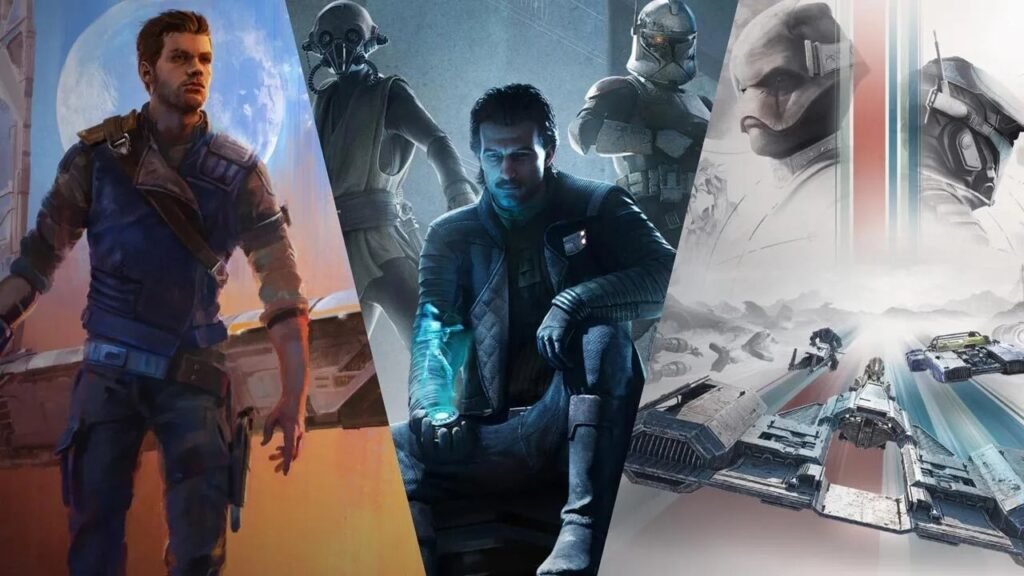
Today’s article was prepared by Søren Ahrensborg Kamper, who has been writing about Star Wars games, their history, and design since 2009. He edits Star Wars: Gaming — an independent publication dedicated to more than four decades of video games set in a galaxy far, far away.
From KOTOR and X-Wing to Zero Company and Galactic Racer: the strongest games set in a galaxy far, far away do not try to fit all of Star Wars into one game. They choose one role and build the rules around it.
In 2026, Star Wars once again clearly demonstrated why the franchise feels so at home in video games. Star Wars: Zero Company turned the Clone Wars into a turn-based challenge about positioning, abilities, squad composition, and the consequences of a bad decision. And immediately afterward, Star Wars: Galactic Racer received very high critic scores and offered an almost opposite experience: speed, risk, trajectories, vehicle classes, and the desire to survive the next turn.
There is almost no shared mechanical DNA between these games. And that, in my opinion, is good news. The best Star Wars games rarely find one universal formula. They allow the genre to decide which part of the galaxy matters right now. If we look at more than forty years of Star Wars history in video games, this pattern repeats itself again and again.
THE RPG GenRE works when the conversation matters more than the lightsaber
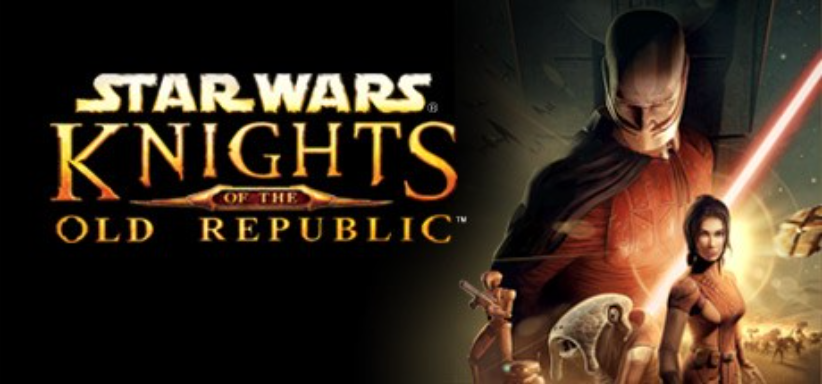
Knights of the Old Republic did not become a classic because it allowed players to run around with a lightsaber. Other games could already do that by 2003. Its strength was that BioWare put RPG rules first: the party, dialogue, moral choices, character development, stats, and consequences. Star Wars stopped being a collection of familiar scenery and became a world in which the player could create their own identity.
That is why interest in the Old Republic has not disappeared even after decades. The new Fate of the Old Republic brings together BioWare veterans, but for the upcoming game, what matters is not recreating KOTOR’s menus or finding another mask resembling Revan’s. What matters is allowing the RPG to dictate the pace once again. A conversation should be an event. A companion should not be a decorative passenger, but a reason to change a decision. A choice should make your evening a little worse, otherwise it is simply a button of a different color.
A shooter should give us a role, not just a blaster
Dark Forces did the same for the shooter genre. It did not try to simulate the entire saga. It gave Kyle Katarn a mission, weapons, Imperial facilities, and corridors where someone was clearly getting a bonus for the number of doors with keycard locks. The genre determined the perspective: Star Wars became a story of infiltration, shooting, and specific work.
Battlefront took a different path and made the battle itself the main character. Command posts, classes, vehicles, and respawns allowed you to be not Luke Skywalker, but a soldier ten meters away from him who sincerely believes that this time the attack on the AT-AT will definitely work. It is telling that even years later, Battlefront II received another wave of attention after the finale of “Andor.” When people want not just to watch a war, but to be inside it, the genre formula still works.
Tactics make the war smaller — and therefore more important
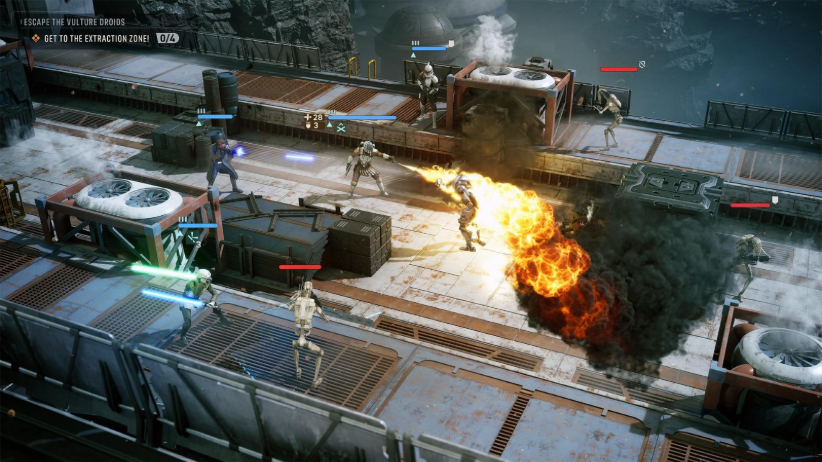
Zero Company demonstrates the value of limitations particularly well. Turn-based tactics cannot show the Clone Wars as a continuous cinematic explosion. It forces you to stop. Who moves forward? Who stays in cover? Is it worth using a powerful ability now? Can you rescue a wounded soldier without destroying the entire plan?
As a result, a major conflict becomes personal. War is not measured by thousands of soldiers in the distant background, but by one specific squad member you do not want to lose. This is a very “non-movie” way of telling a Star Wars story, and that is precisely why it is interesting. The tactical genre decides that heroism is sometimes not about making a beautiful leap with a lightsaber, but about making sure everyone is still standing at the end of the turn.
Racing does not need a Jedi behind the wheel
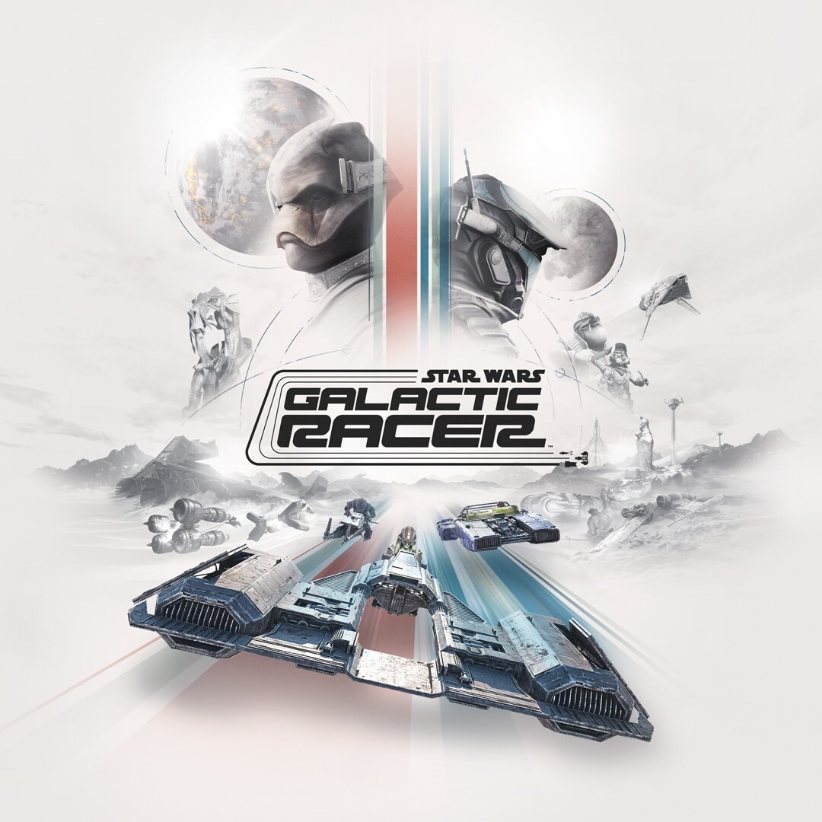
Episode I: Racer understood one simple thing back in 1999: one scene from a movie can be enough of a foundation for an entire game if the genre has its own character. Podracing worked not because the player constantly encountered familiar characters, but because speed, tracks, vehicles, and risk created Star Wars on their own.
Galactic Racer develops the same idea on a broader scale. What matters here is not the Force or the fate of the galaxy, but repulsor vehicle classes, rivalry, upgrades, routes, and skill. For a franchise with space knights, this is an almost refreshingly mundane fantasy: sometimes a character simply really wants to finish first. And if, after crossing the finish line, the vehicle still has roughly the same number of parts, that is already a small victory.
A space simulator turns heroism into a procedure
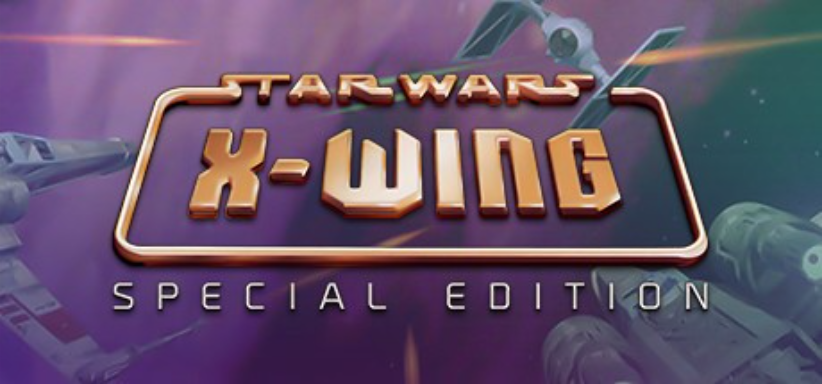
X-Wing and TIE Fighter went even further. They did not portray the pilot as someone who presses one button at the right dramatic moment. The player managed energy, shields, engines, targets, and orders. Piloting became a profession.
That is why even the much later Star Wars: Squadrons worked best when it returned to the cockpit and allowed the ship’s systems to dictate behavior. A space simulator narrows the galaxy down to a dashboard, but paradoxically makes it more convincing. The Death Star may be somewhere in the story, but right now it is much more important that the shields on the left are almost depleted.
An open world only works when the world has rules
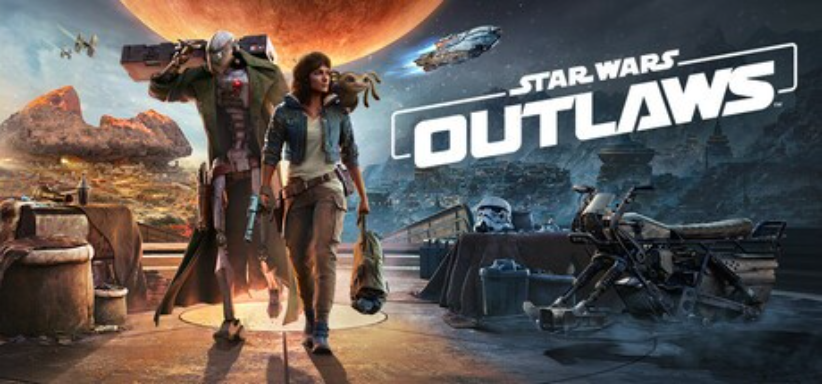
Star Wars Outlaws is interesting for the opposite reason. An open world can easily turn into a list of icons where the franchise exists only as scenery between activities. The best moments in Outlaws appear when the genre genuinely changes the player’s role: Kay Vess thinks about reputation, criminal syndicates, opportunities, routes, and who it is better not to annoy today.
This does not mean that a bigger world is automatically better. On the contrary. An open structure only works when it supports the fantasy of being a smuggler and a con artist. Without that, a huge map becomes a very expensive form of walking to the next icon. That is why Star Wars does not need a game that simultaneously contains a full RPG, tactics, racing, a space simulator, a shooter, cantina economics, and, preferably, bantha farming. At least not in the same menu.
Star Wars is not a genre, and that is its strength
The Jedi series also shows how genre discipline can refresh a familiar fantasy. Fallen Order and Survivor adopted the structure of a modern action-adventure game, more complex close-quarters combat, exploration, and returning to already familiar locations. That is why interest in the upcoming third Jedi is connected not only to what will happen to Cal Kestis. The question is also which rules the series will preserve and which ones it will change.
This is probably the main lesson of four decades. Star Wars does not become a stronger game by trying to fit more Star Wars into it. It becomes stronger when developers choose a specific fantasy and allow the genre to cut away everything unnecessary.
KOTOR says: talk and choose. X-Wing says: learn to fly. Battlefront says: survive the battle. Zero Company says: think before every move. Galactic Racer says: stop thinking for half a second and hit the gas.
The galaxy remains the same. But every time the genre changes the rules, it suddenly looks new.
As a reminder, Sony patented an AI system that can change NPC behavior directly during gameplay.