On August 31, 1995, Command & Conquer was released — a game by the American studio Westwood Studios, which became one of the major milestones in the development of real-time strategy games.
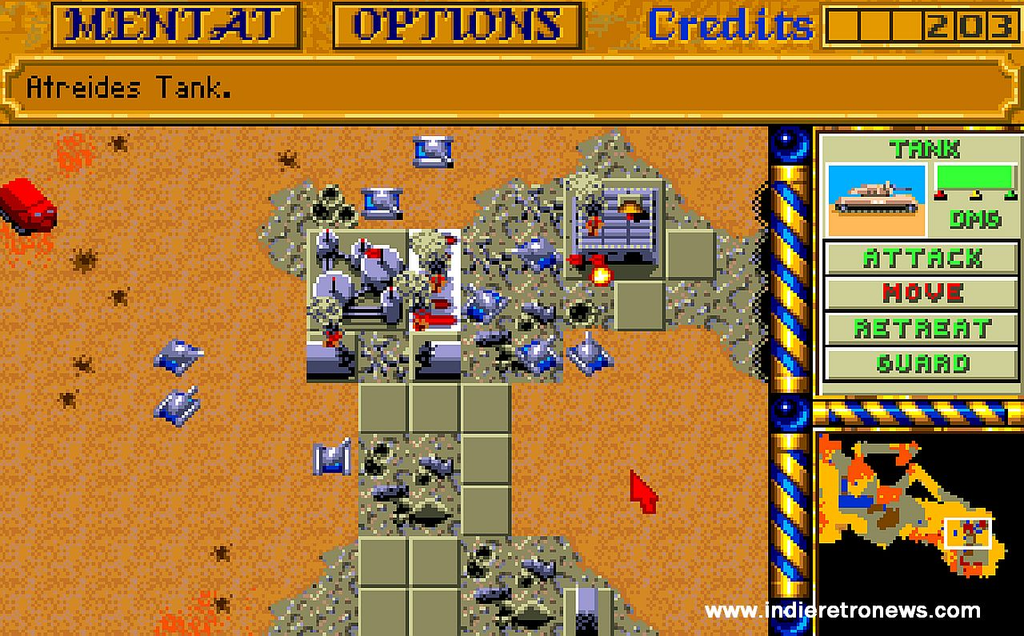
At that time, the RTS genre had already reached its first major milestone — Dune II. Westwood itself had created the game that laid the foundation for many mechanics that are familiar today: base building, resource gathering, army creation, and controlling troops without pauses. But after Dune II, the developers did not want to simply repeat their own formula.
They decided to move it into a world that would be closer to the player. This is how Command & Conquer came to be.
Instead of the distant planet Arrakis, Westwood created an alternate future of Earth. At the center of the conflict was Tiberium — a mysterious resource that was rapidly spreading across the planet and becoming the main source of energy.
Two factions fought for it:
This asymmetry became one of the game's main strengths. The two sides did not simply have different names and colors — they required the player to use different playstyles.
Command & Conquer was significantly faster than many previous RTS games.
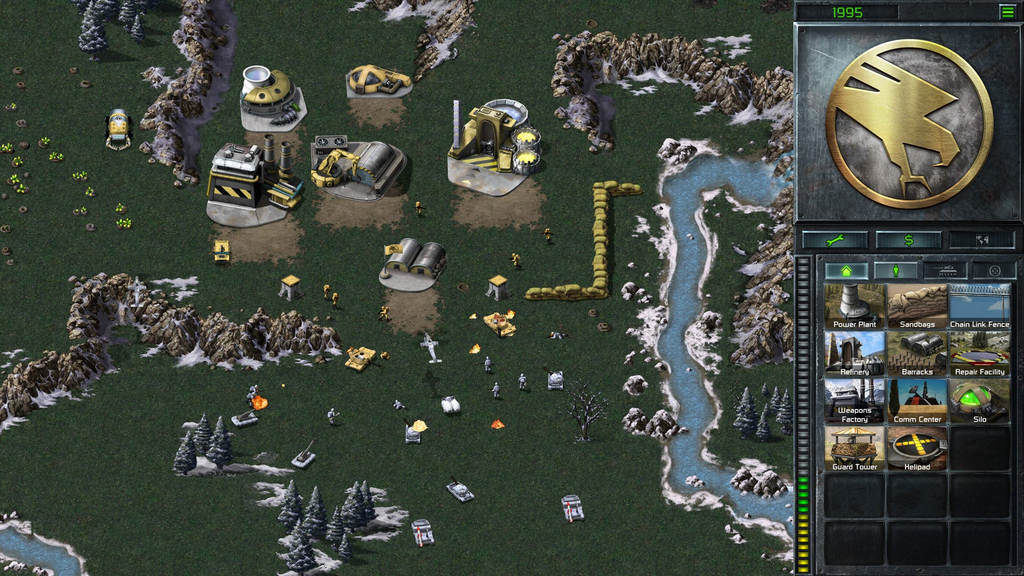
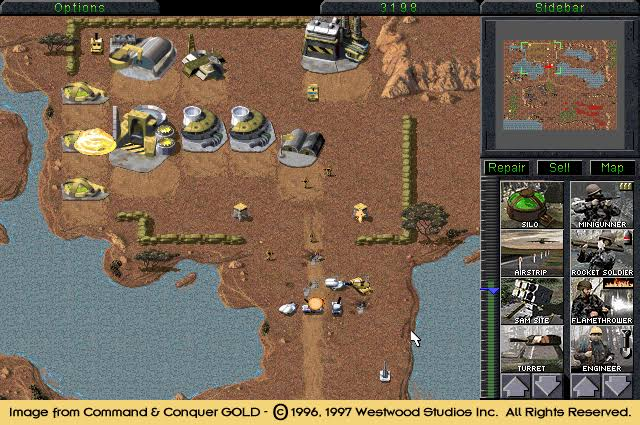
The player had to build a base, harvest Tiberium, produce units, defend, and attack at the same time. At the same time, resources were located directly on the map, making territorial control extremely important.
Westwood also made the controls more convenient. In particular, the game allowed players to select multiple units at once, which greatly simplified army management. Today, this seems obvious. In the mid-90s, it was far from it.
It was precisely the combination of fast pacing, simple learning curve, and sufficient depth that made Command & Conquer accessible to newcomers while remaining interesting for those who wanted to play more seriously. Later, numerous RTS games would follow this same formula.
One of the most unusual features of Command & Conquer was its live-action video sequences. Instead of ordinary text, the game showed briefings and story scenes in which characters directly addressed the player. Joseph Kucan, who played Kane — the leader of the Brotherhood of Nod — was particularly memorable.
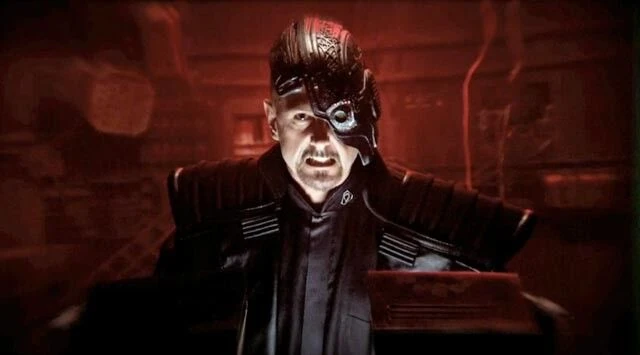
Today, these scenes may seem theatrical or even somewhat funny, but they helped shape the character of the series. Command & Conquer was not afraid to be serious, strange, and at the same time slightly exaggerated.
This was complemented by the music of Frank Klepacki, which became another symbol of the game. The sounds of gunfire, machinery, and the distinctive soundtrack created an atmosphere that players remembered for decades. PC Gamer later singled out the fast pace, music, and cinematic scenes as key elements of the original.
The press reaction was extremely positive.
Command & Conquer received a 94 out of 100 on Metacritic based on five critic reviews. The scores included 100 from Computer Games Magazine, 93 from GameSpot, and 91 from PC Gamer.
Critics praised the game for its pacing, accessibility, atmosphere, two campaigns, and the ability to experience the conflict from both sides. GameSpot particularly noted that completing the campaign for the opposing side effectively gave the player additional content.
Modern players rate the game just as warmly: its user score on Metacritic stands at 8.9/10 based on hundreds of ratings. Reviews most often mention the game's influence on the genre, atmosphere, music, faction asymmetry, and nostalgia for the era of classic RTS games.
Command & Conquer became a commercial hit. By April 1996, the game had sold around 500,000 copies, and by September, Westwood reported more than 1 million copies sold. By February 1997, sales across all platforms had reached approximately 1.7 million, and the overall figure eventually exceeded 3 million copies.
For an RTS of that era, this was a huge result. But even more importantly, Command & Conquer became not just a successful game, but a franchise.
The following year, Westwood released Command & Conquer: Red Alert, which was originally conceived as a prequel. It developed the multiplayer experience even further and cemented the series among the leading RTS games of its generation.
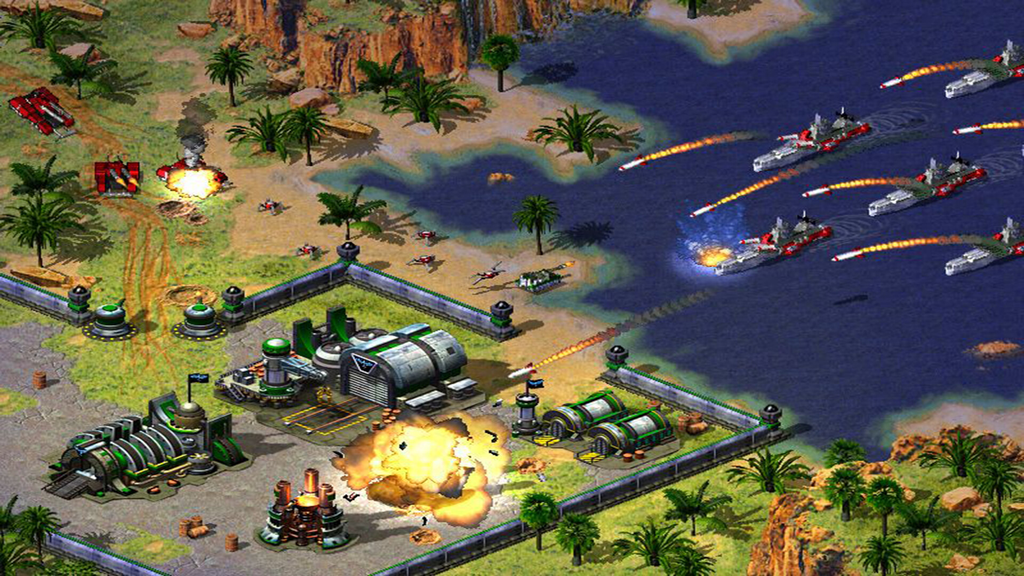
The impact of Command & Conquer is difficult to measure solely through sales or review scores. The game showed that an RTS could be fast, spectacular, story-driven, and accessible at the same time.
It popularized asymmetrical factions, cinematic sequences, active resource competition, and fast military control. In the years that followed, the genre developed rapidly, and alongside StarCraft and Age of Empires, Command & Conquer became part of the golden age of RTS games in the mid-90s.
And although the original game may seem slower and simpler compared with modern strategies today, its significance has not diminished.
Westwood did not invent RTS. But Command & Conquer helped show millions of players what the genre could be.
Decades after its release, it continues to be remembered as one of the most influential RTS games in history — a game that gave the genre its own voice, style, and character.
On August 31, 1995, a history began that would eventually lead to Red Alert, Generals, Tiberium Wars, and many other games that grew from the same formula.
As a reminder, on August 29, 2006 — Saints Row was released: how a “GTA clone” became a competitor to Rockstar.


