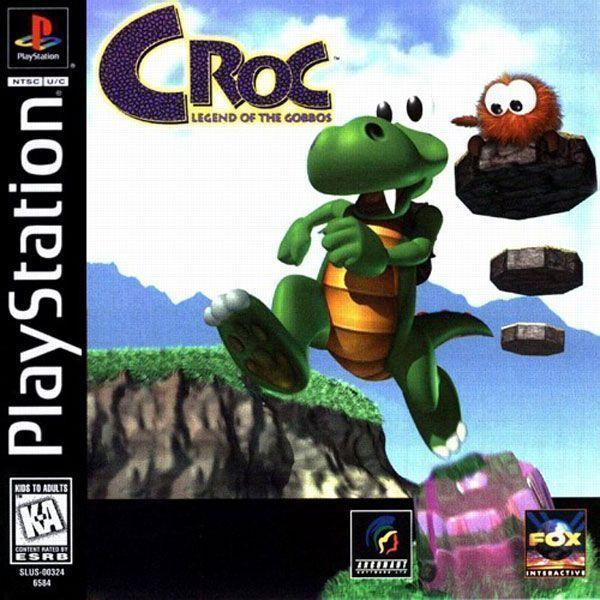
On September 29, 1997, Croc: Legend of the Gobbos, a 3D platformer developed by Argonaut Software, was released for the PlayStation in the United States. However, the game was not originally supposed to be about a crocodile at all. The developers initially planned to make a game featuring Yoshi, but after Nintendo rejected the project, Argonaut turned its prototype into an original game. That is how Croc was born — one of the most recognizable characters of the early 3D platformer era.
The story of Croc began back in 1994. British studio Argonaut Software, which had already established close ties with Nintendo through its work on the Super FX technology for the Super Nintendo, began experimenting with the idea of a three-dimensional platformer.
The first prototype was called Yoshi Racing. The developers wanted to combine elements of Super Mario World and Super Mario Kart, with Yoshi serving as the main character. Argonaut presented the prototype to Nintendo, and the Japanese company was initially interested in the idea. According to Argonaut founder Jez San, Shigeru Miyamoto himself showed particular interest in the project.
However, Nintendo eventually rejected the project, explaining that it was already working on a similar game. Following the decision, the partnership between Argonaut and Nintendo effectively came to an end, and the developers had to look for a new publisher.
Later, Jez San claimed that the Yoshi Racing prototype may have influenced the development of Super Mario 64. However, he also acknowledged that the similarities between the projects could have been coincidental, meaning that any direct influence remains a matter of debate.
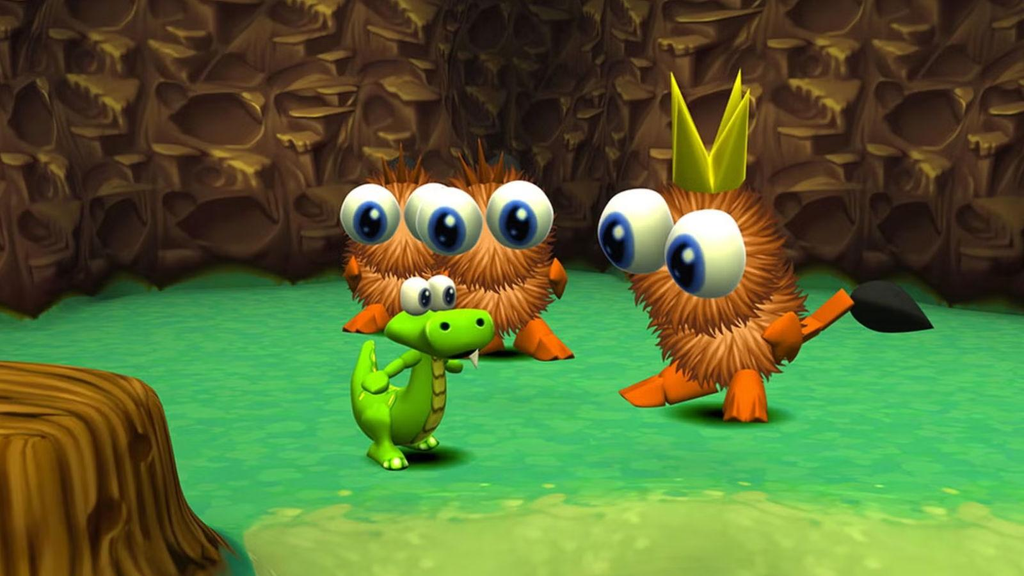
After Nintendo rejected the project, Argonaut decided to replace Yoshi with an original character. Young artist Simon Keating came up with the design of a crocodile who would eventually be named Croc. One of his defining features was a single visible fang, which, according to Keating, was inspired by his pet cat, who also had a prominent single fang.
Thus, the character who was originally supposed to be Yoshi became a completely new hero.
The game follows Croc, a green anthropomorphic crocodile who sets out to rescue a race of small creatures known as the Gobbos.
The Gobbos live on a group of islands, but one day they are captured by the game's main antagonist, Baron Dante. Croc must travel through dozens of levels, defeat enemies, discover secrets, and rescue the imprisoned Gobbos.
The developers deliberately moved away from the traditional story of rescuing a princess. Instead, Croc was given an entire race of characters to save, providing the hero with a different motivation for his adventure.
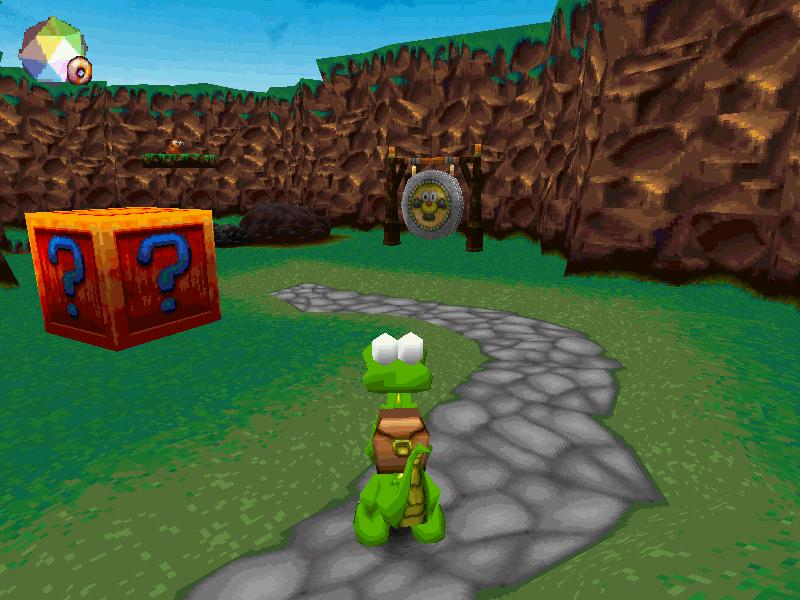
The gameplay was built around classic 3D platforming mechanics. Croc could jump on enemies, collect crystals, overcome obstacles, and use his tail to attack. The game featured more than 40 levels spread across five islands.
One of its distinctive mechanics was a 360-degree spinning attack, during which Croc used his tail to strike enemies.
Croc was released at a time when the industry was rapidly transitioning from 2D platformers to fully 3D graphics.
Super Mario 64, Crash Bandicoot, and other games had already shown that platformers could work in three-dimensional environments, but developers were still experimenting with cameras, controls, and level design.
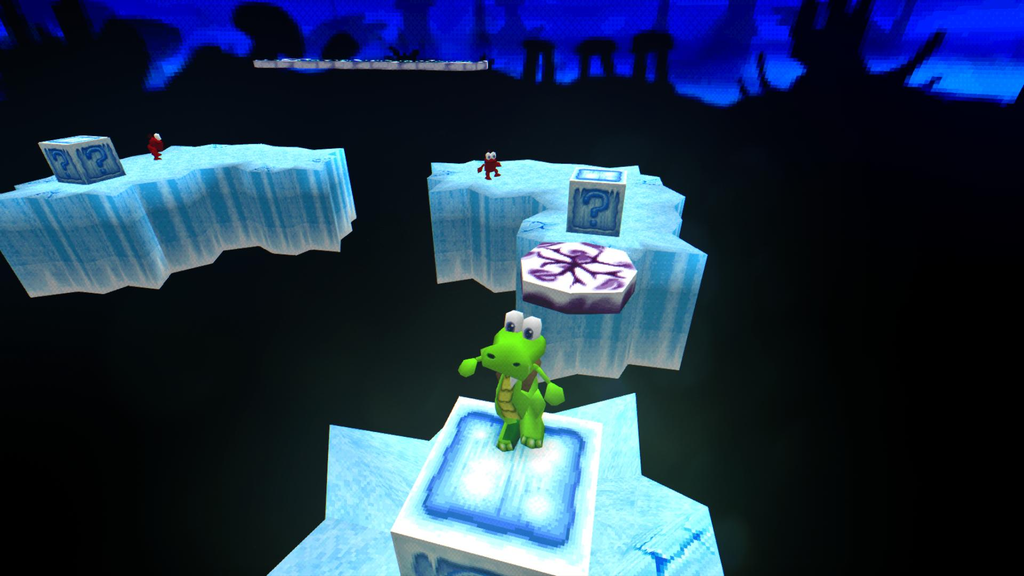
Croc became one of those experiments. Argonaut used its own level-design tool called CrocEd, which ran under MS-DOS. The game itself was programmed using Argonaut's internal Argonaut Strategy Language.
For its time, the game offered a colorful cartoon world, a variety of enemies, and plenty of secrets to discover. However, its camera and controls would later become the main subjects of criticism.
The critical response to Croc: Legend of the Gobbos was mixed.
The game was praised for its charismatic protagonist, colorful visual style, and large amount of content. At the same time, critics pointed to problems with the camera, controls, and level design.
GameSpot, for example, was particularly critical of the game's imprecise controls and camera system. The publication noted that the perspective could turn even simple jumps into a challenge.
According to GameSpot, the game featured more than 40 levels spread across five islands, although the reviewer felt that many of them lacked the variety found in Super Mario 64.
However, Croc could not be considered a commercial failure.
Quite the opposite — the game became a success for Argonaut. According to available historical sources, the PlayStation version sold more than 1 million copies in the United States, while in the United Kingdom it remained among the best-selling console games for two months.
Croc entered an extremely competitive genre.
The PlayStation already had Crash Bandicoot, Nintendo had Super Mario 64, and Sega was developing its own 3D approach with Sonic. Against this background, it was difficult for a new crocodile to build its own audience.
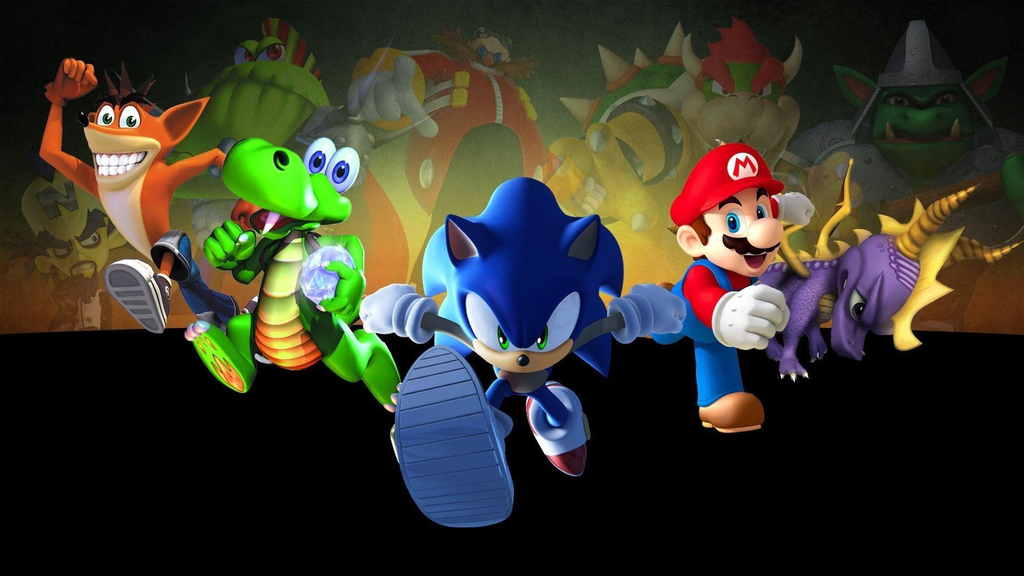
Nevertheless, Croc had a personality of its own. His design, the Gobbos, the humor, music, and colorful world helped the game stand out among other platformers. Even critical reviews acknowledged that the protagonist was one of the game's strongest elements.
Most importantly, Croc became its own franchise rather than simply remaining a failed experiment by Argonaut.
The success of the first game allowed Argonaut to create a sequel — Croc 2, which was released in 1999.
The game continued the story of the green crocodile and expanded on the familiar gameplay mechanics. However, over time, Croc gradually disappeared from the spotlight as other series took over the 3D platforming genre.
Despite this, Croc was never completely forgotten.
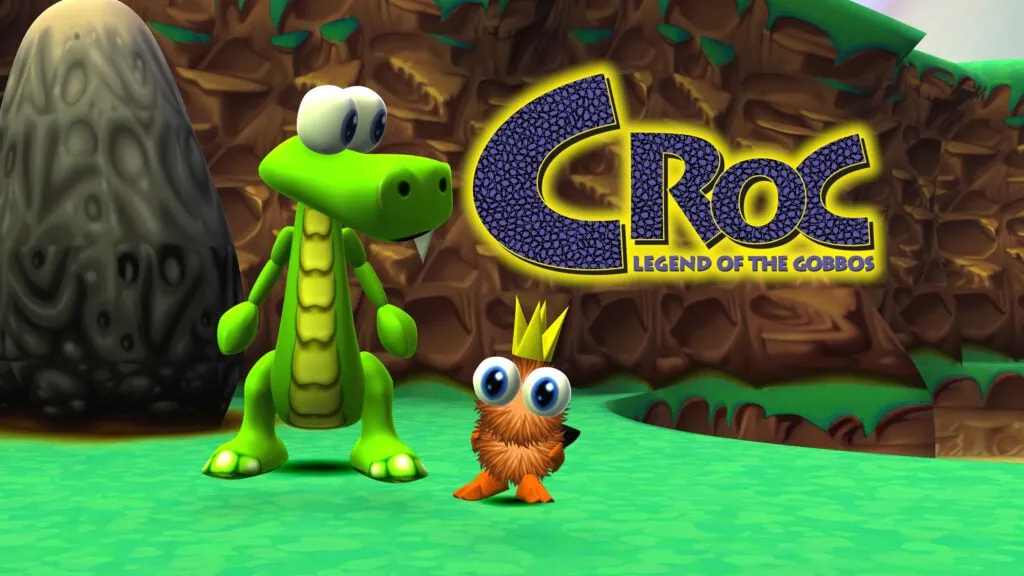
In 2025, Argonaut Games released Croc: Legend of the Gobbos Remastered, bringing the original game back to modern platforms. The remaster featured updated graphics and more modern controls, although critics' reviews remained mixed: the PlayStation 5 version has a score of 69 on Metacritic based on 17 reviews.
Interestingly, even modern reviewers highlighted the game's nostalgic value and its place in the history of early 3D platformers.
Croc: Legend of the Gobbos can hardly be placed alongside the most influential platformers of its generation in terms of its impact on the industry. However, its story is far more interesting than it might initially appear.
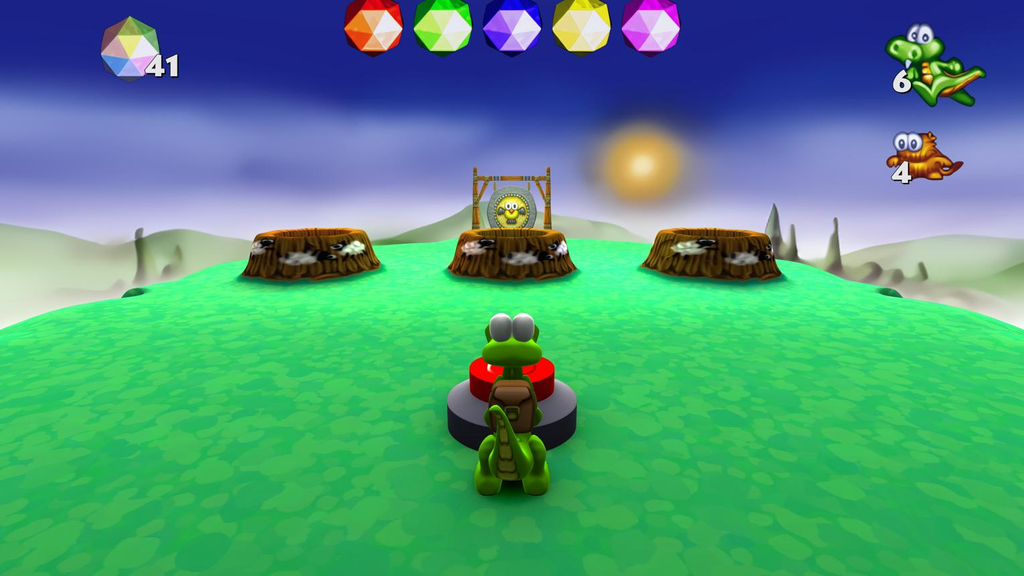
It is a game that was born from a rejected Nintendo project, received an entirely new protagonist, and was released at a time when developers were still learning how to create large three-dimensional worlds.
Croc became an example of how a rejected concept could evolve into a franchise of its own.
On September 29, 1997, PlayStation owners in the United States had the opportunity to meet a green crocodile who jumped across platforms, attacked enemies with his tail, and rescued the Gobbos.
Almost three decades later, Croc's story remains an interesting reminder of an era when 3D platformers were still defining the rules of the genre. And while Croc never managed to surpass Mario or Crash, he still left his own mark on video game history.
As a reminder, Genshin Impact — six years of journey through Teyvat: the story of the game that changed the open-world RPG genre


