In October 2006, Electronic Arts released Need for Speed: Carbon — the next major installment in the famous racing series following the successful Need for Speed: Most Wanted. Developed by EA Black Box, the game focused on nighttime street racing, taking control of city territories, crew-based gameplay, and dangerous races through mountain canyons.
Carbon faced a difficult task: following up on the success of Most Wanted, which had become one of the biggest Need for Speed hits of the mid-2000s. The developers did not completely change the formula but instead tried to introduce new mechanics while bringing back the nighttime atmosphere associated with Underground and Underground 2.
The events of Carbon take place in the fictional Palmont City. Unlike Most Wanted, where police pursuits played a major role, the new game made territory control one of its central elements.
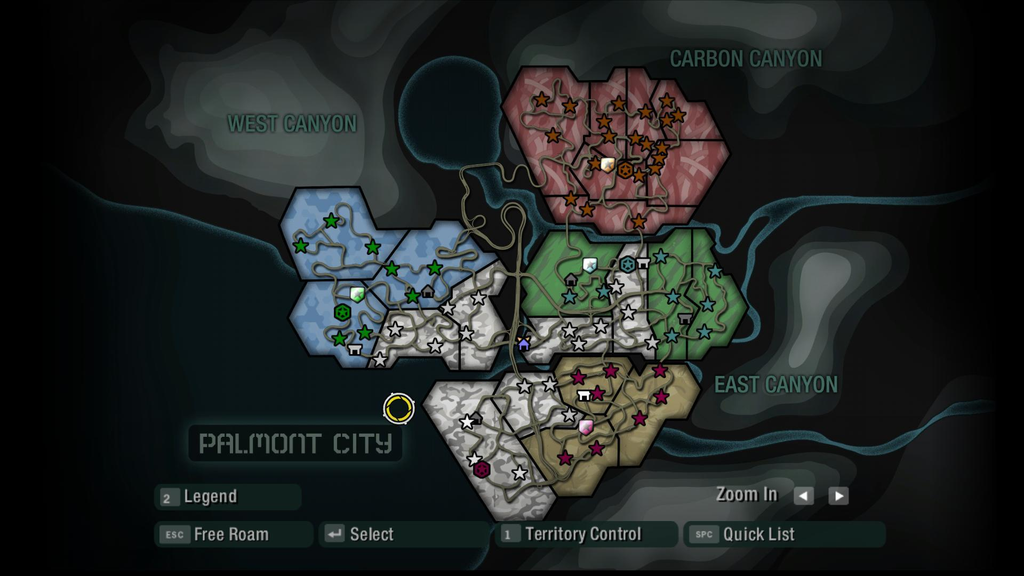
The city is divided between several street racing crews. The player gradually takes control of their territories by winning races and unlocking new areas. After conquering a territory, the player can challenge its boss.
This structure added a strategic element to the career mode. Winning an individual race was no longer simply a way to earn money — it also helped establish control over the city. Rival crews could attempt to reclaim lost territories, forcing the player to defend their territory.
One of the biggest changes was the crew system. For the first time in the series, players could regularly bring teammates into races.
Each crew member had a specific specialization. Some could provide an advantage on straight sections, others could identify alternative routes, while some were particularly useful during races themselves.
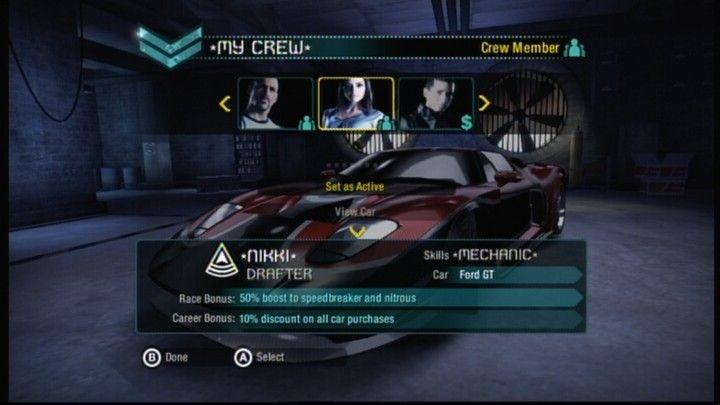
The system was designed to make racing more team-oriented. Carbon was no longer simply a story about a lone street racer defeating every opponent. The crew became part of the progression system and one of the key elements of the career mode.
Visually, Carbon was noticeably different from Most Wanted. While the previous game focused on a daytime city and spectacular police pursuits, Carbon returned to a darker nighttime atmosphere.
Palmont City combined urban districts with roads leading beyond the city. This is where some of the game's most memorable races took place — Canyon Duels.
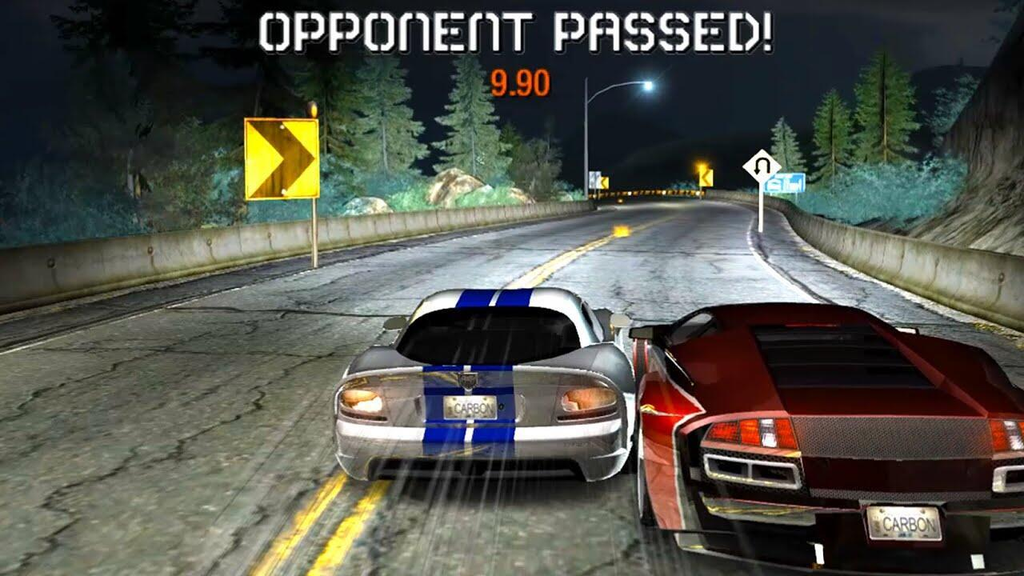
In these events, opponents competed on narrow, winding roads filled with dangerous corners and cliffs. At first, the player chased their rival, trying to stay as close as possible, before the roles were reversed. This format made canyon races considerably more intense than standard city events.
Carbon also introduced a clearer distinction between different types of cars.
Vehicles were divided into three main categories: tuners, muscle, and exotic. Tuners focused on handling and cornering, muscle cars emphasized power and acceleration, while exotic cars combined high speed with more demanding handling.
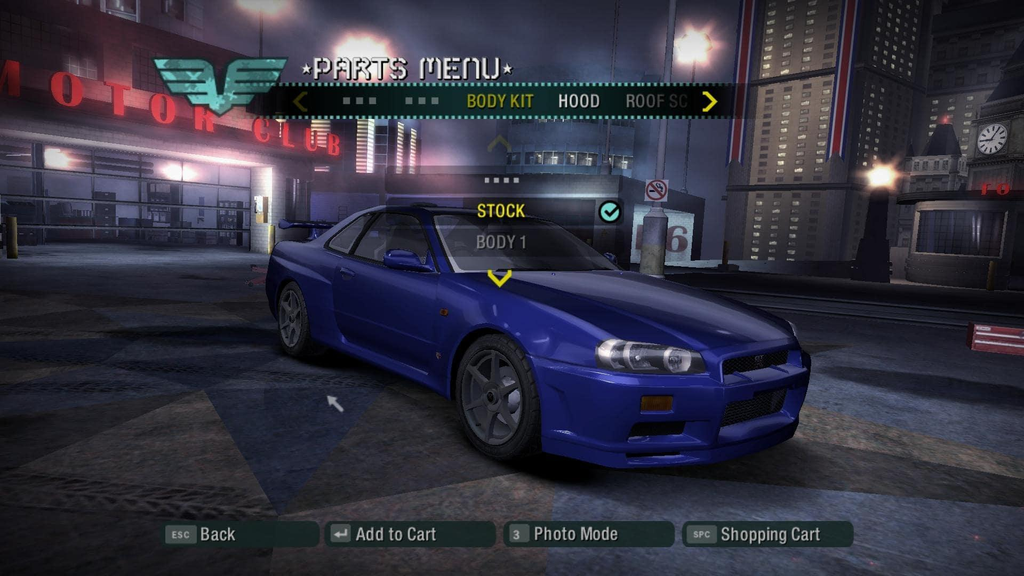
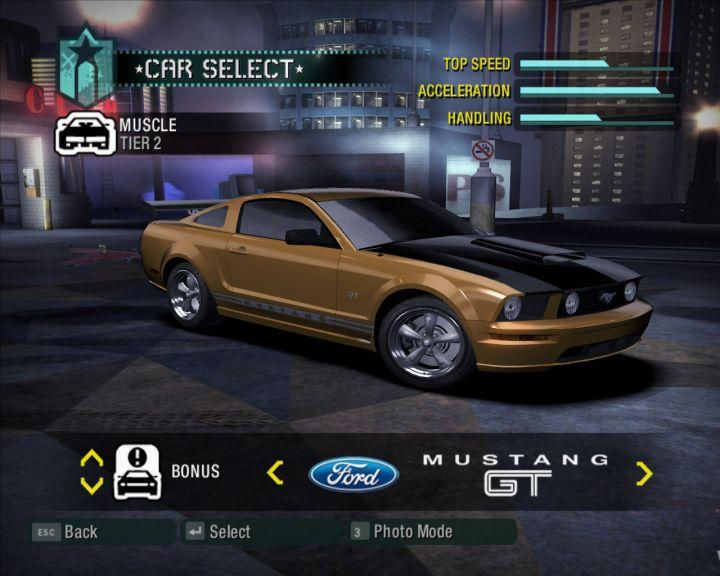
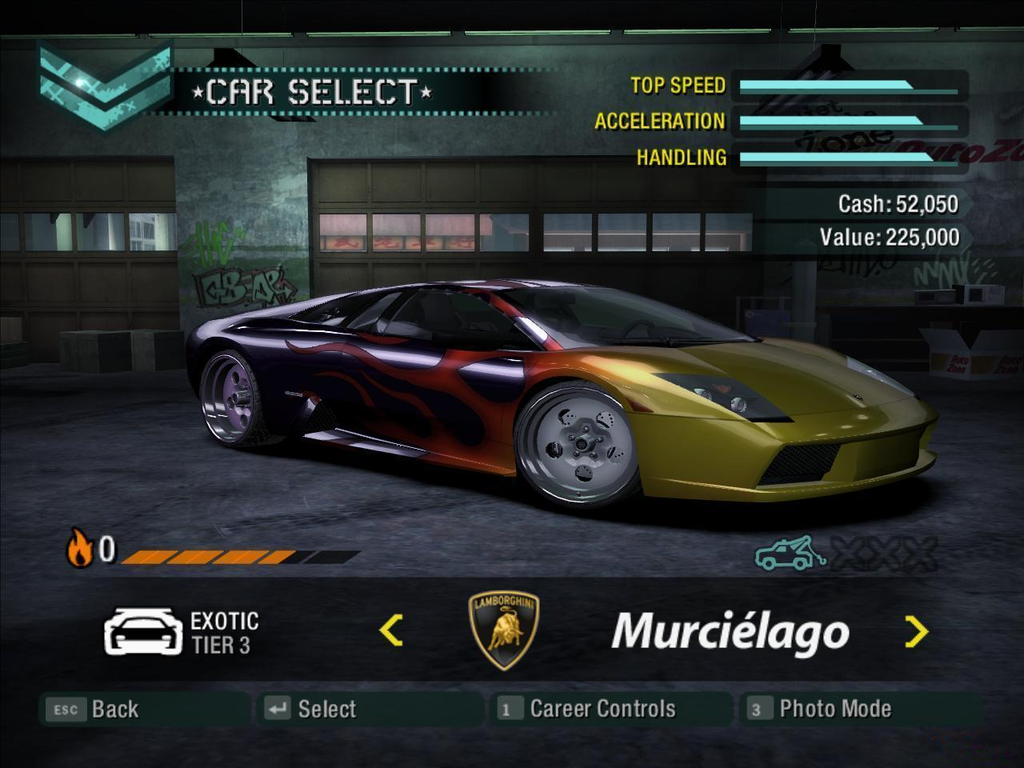
The lineup included Nissan Skyline, Subaru Impreza WRX, Toyota Supra, Dodge Challenger Concept, Chevrolet Camaro SS, Plymouth Barracuda, Lamborghini, Porsche and other well-known models. Overall, the game featured more than 30 licensed vehicles.
Another notable feature was the Autosculpt system. It allowed players to modify individual body components and create their own visual style.
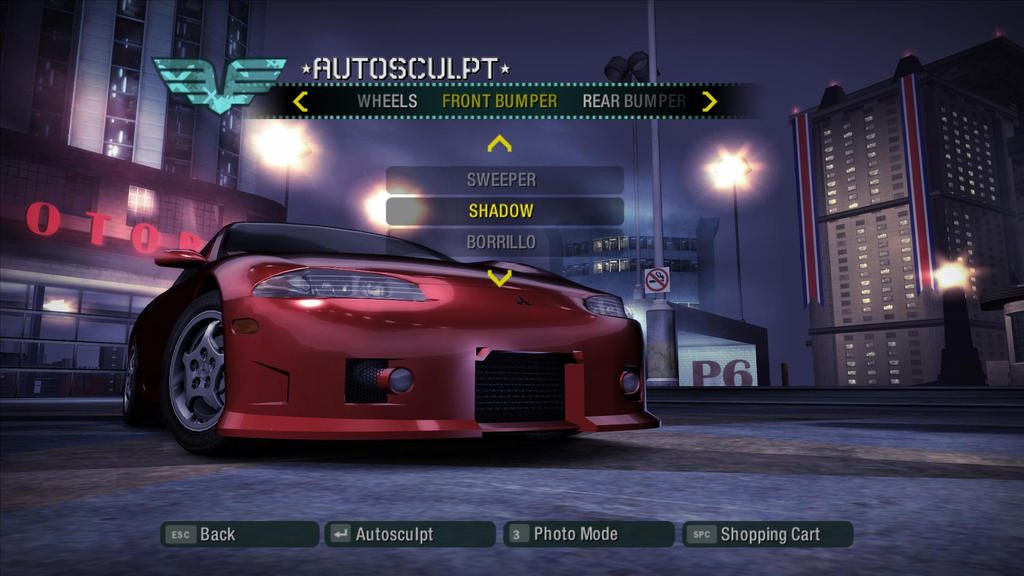
Players could adjust spoilers, bumpers and other parts in considerably more detail than in previous installments. The system provided greater freedom, although critics noted that achieving truly unique results could require a significant amount of time and experimentation.
Despite the popularity of the series, Carbon received a more restrained critical response. The game holds a 77 Metascore, with reviewers praising its style, racing and customization options. At the same time, the crew system and Canyon Duels received a more mixed reception.
One of the biggest challenges was comparison with Most Wanted. Police pursuits, which had become one of the defining features of the previous game, took a back seat in Carbon. Police were still present, but they no longer dictated the pace of the experience.
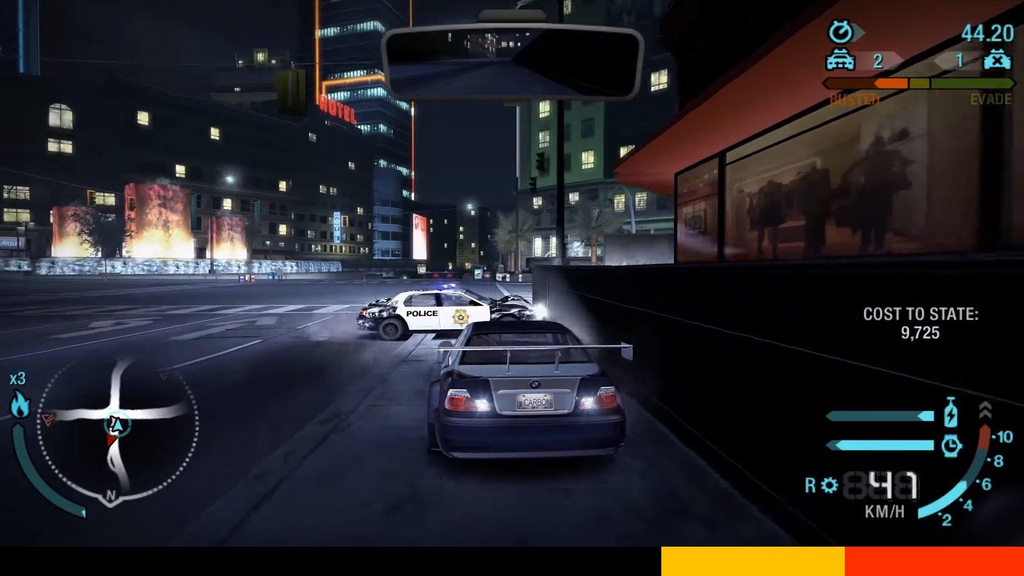
Critics also noted the reuse of cars, textures, sounds and other elements from Most Wanted. At the same time, Carbon retained one of the series' strongest qualities — combining arcade racing, customization and a distinctive visual style.
Carbon became something of a conclusion to a major era in the development of Need for Speed, which had begun with Underground and continued through Underground 2 and Most Wanted.
The game did not achieve the same cultural impact as Most Wanted, but it developed an identity of its own. Nighttime Palmont City, territory battles, crews, muscle cars and especially Canyon Duels made Carbon a memorable part of the series' history.
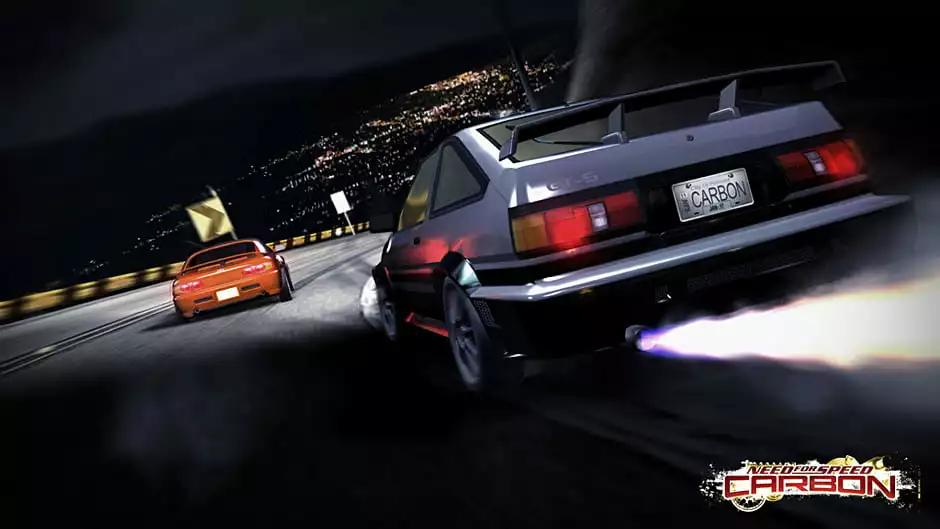
Years later, this combination of nighttime racing, deep customization and dangerous mountain roads remains one of the reasons Carbon continues to be remembered as one of the most recognizable games of Need for Speed's classic era.
As a reminder, Crash Bandicoot: The Wrath of Cortex — how a new team continued the series without Naughty Dog.


