Managing oxygen is one of the first major survival hurdles players face in Subnautica 2. Increasing the amount of time you can spend beneath the surface makes exploration safer, helps with scanning resources and wildlife, and allows for smoother progression through the game's underwater world. As you begin venturing into deeper biomes and submerged facilities, having a reliable oxygen strategy becomes essential.
One of the first survival tools available through the Fabricator is the Air Bladder. Activating it instantly restores 25 points of oxygen, and it automatically recharges after reaching the surface or interacting with oxygen-producing plants.
Because the required materials are easy to gather near the Lifepod, crafting one or even several Air Bladders early on can significantly increase your exploration range.
Titanium is commonly found scattered around the starting area, while Rubber can be crafted from Lucifer Rotsac, the glowing orange flora found in nearby regions.
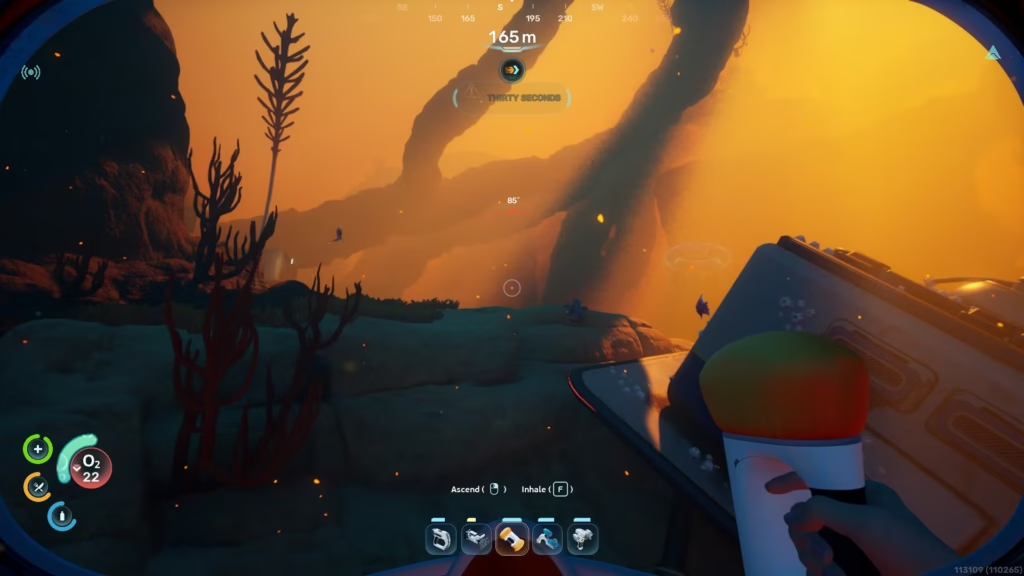
A Standard Air Tank provides a substantial boost to your oxygen reserves by increasing maximum capacity by 30 points. For many players, obtaining one should be a top priority during the first hours of gameplay.
The most challenging material to acquire is Silver. If you're struggling to locate it, search deeper cave systems roughly 150–200 meters north of the Lifepod. Since Silver is relatively scarce early on, it's wise to save it for the air tank before spending it on other equipment.
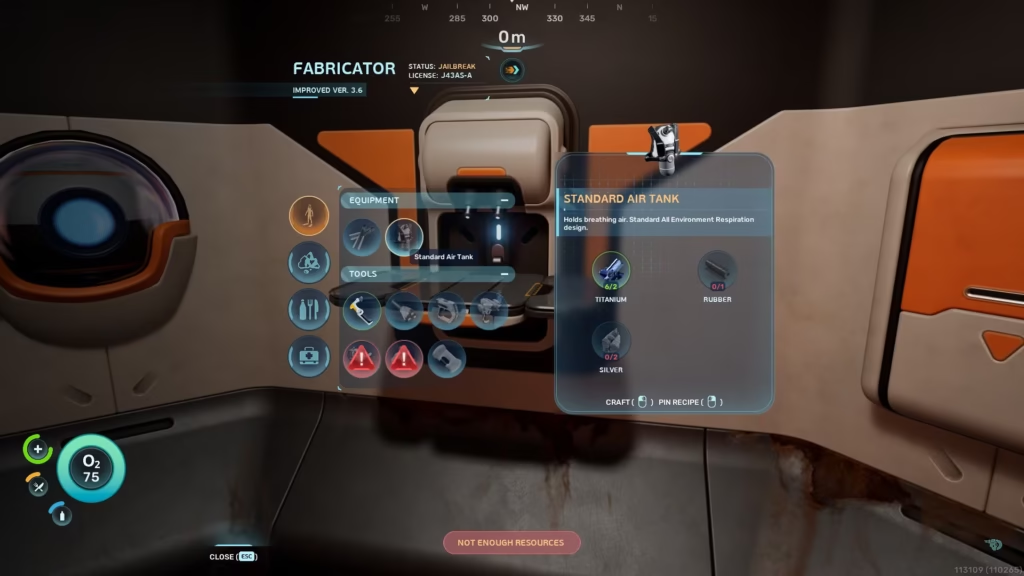
These distinctive blue plants are scattered throughout the ocean floor and release bubbles that replenish oxygen on contact. Keeping an eye out for Oxygen Tunics while exploring can dramatically reduce the risk of running out of air.
Their bubbles also recharge Air Bladders, making them even more valuable during long underwater expeditions.
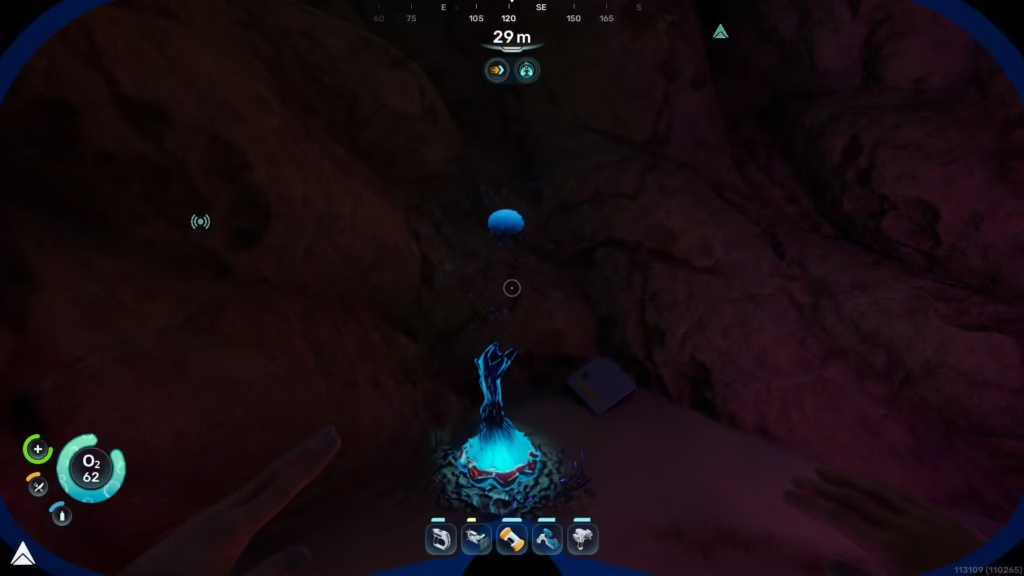
Bring a Basic Battery to the Welcome Center, located southeast of the Lifepod, and use it to restore power to the facility's Biolab.
Inside, players can activate various Biomods, including Oxygen Control. This passive upgrade reduces oxygen consumption whenever the character remains stationary, making it particularly useful for scanning objects, building structures, or sorting inventory underwater.
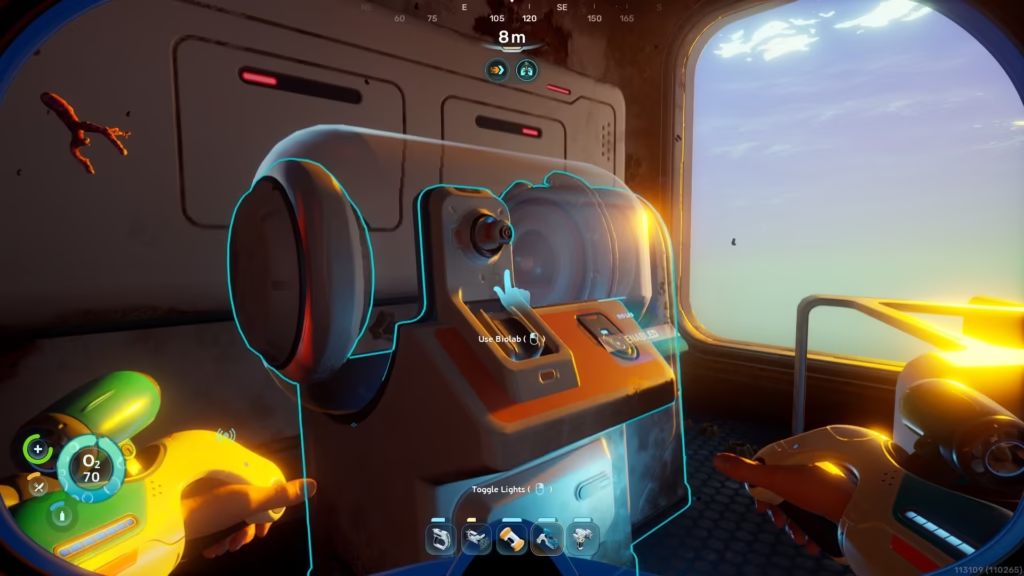
Unlike normal swimming, sitting inside a vehicle does not consume oxygen. Later in the game, vehicles such as the Tadpole become invaluable tools for exploring dangerous regions.
A common strategy is to leave a vehicle outside an underwater structure and use it as a safe point to replenish oxygen between exploration runs. This becomes especially important in deep zones where oxygen can disappear surprisingly quickly.
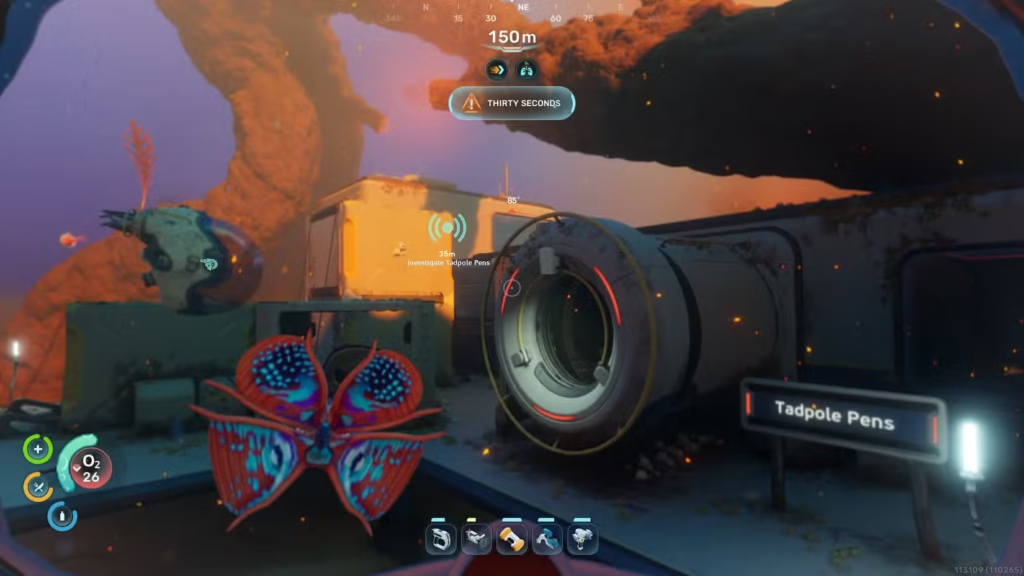
Once you gain access to the Habitat Builder, creating simple oxygen stations becomes possible. Even a single powered room with a hatch can function as a convenient refill location.
Adding Beacons nearby makes these mini-bases easy to locate and can greatly improve efficiency during long exploration sessions.
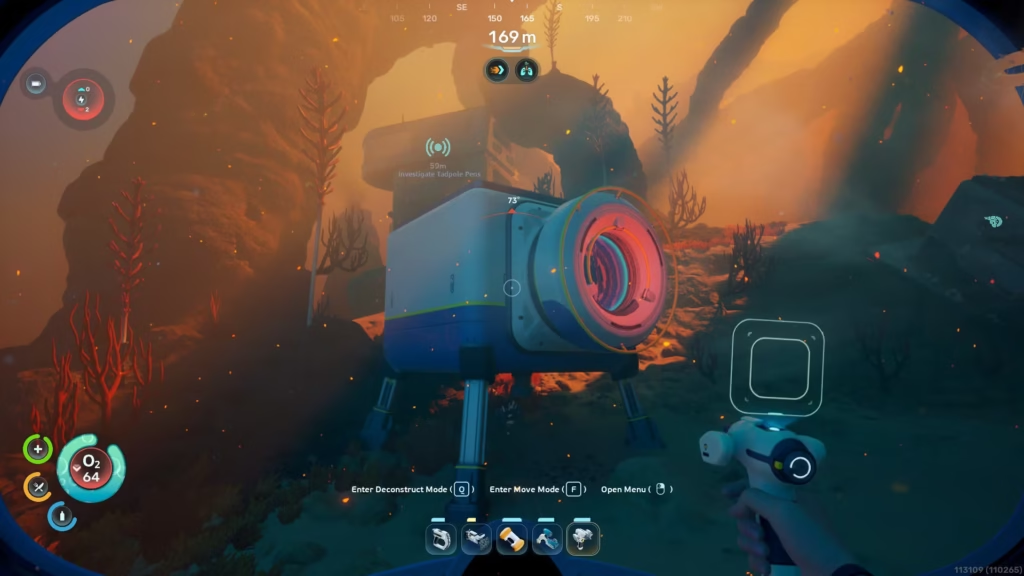
Although movement upgrades don't increase oxygen reserves directly, they reduce travel time and make it easier to reach safety before your supply runs out.
Useful upgrades to pursue early include:
As a Reminder, Rockstar North Turned Into a Fortress to Protect GTA 6.


