On October 24, 1994, Super Punch-Out!! — a colorful boxing game developed by Nintendo for the Super Nintendo Entertainment System — was released. It continued the famous Punch-Out!! series, but focused not on realistic boxing, but on observation, reaction, and learning the behavior of opponents.
At first glance, Super Punch-Out!! might have looked like a traditional sports game. But Nintendo took a completely different approach. Simply punching your opponent was not enough — players had to watch their behavior, memorize their attacks, identify weaknesses, and strike at exactly the right moment when the opponent was vulnerable.
This approach eventually made Super Punch-Out!! one of the most unusual boxing games of its generation.
The history of Punch-Out!! began with Nintendo arcade machines. The original game appeared in 1984, and the series later received the famous NES version. It was this release that made Little Mac and his eccentric opponents well known among home console owners.
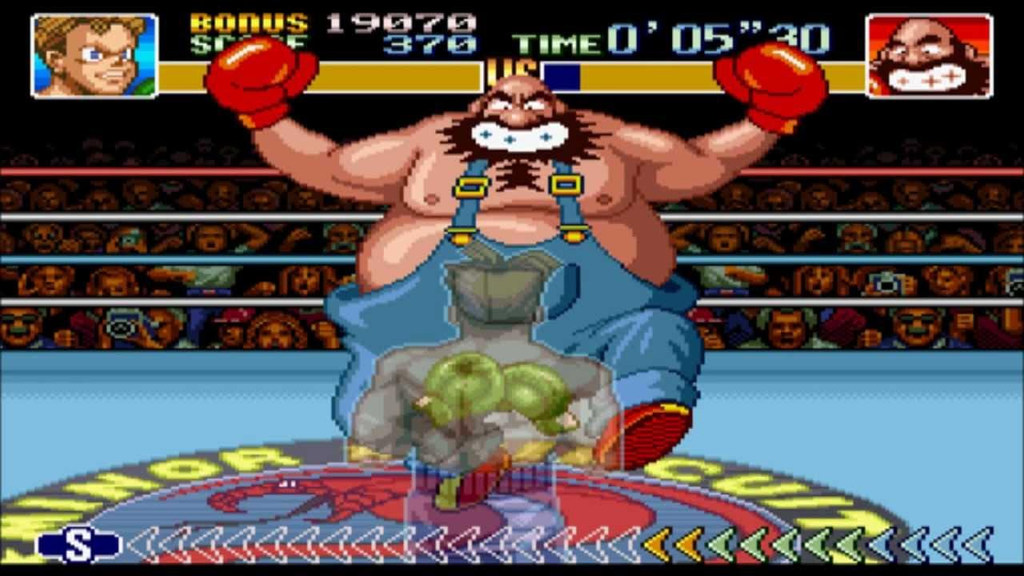
Super Punch-Out!! was not simply a port of the arcade game. Nintendo R&D3 created a separate version for the SNES, using the new console's capabilities to deliver more detailed graphics, colorful characters, and smoother animations. The game was directed by Makoto Wada, produced by Genyo Takeda, and developed by Nintendo R&D3.
As a result, Little Mac faced a whole collection of eccentric fighters. The game featured 16 champions, each with their own attacks, habits, and weaknesses. Among them were familiar characters such as Mr. Sandman, Bald Bull, and Super Macho Man.
The main strength of Super Punch-Out!! became apparent after the first few fights.
The game essentially forced players to study their opponents. Each fighter had specific animations before attacking, certain attack sequences, and moments when they could be countered. Victory therefore often depended not on how quickly the player could press buttons, but on observation.
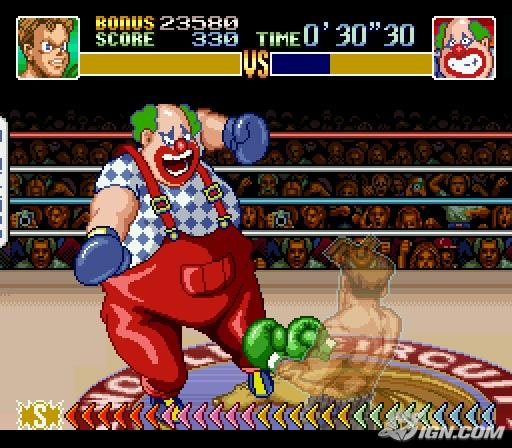
Players could dodge attacks, block, and strike their opponents in the body or head. Timing a counterattack correctly was much more effective than simply pressing buttons at random. Once a player learned the behavior of a particular opponent, even their most difficult attacks could gradually become predictable patterns.
That is why Super Punch-Out!! is often viewed today not so much as a boxing simulator, but as a rhythm-based puzzle, where every opponent has their own set of patterns. Even Nintendo's official manual included a Time Attack mode that allowed players to select previously defeated opponents and try to improve their completion times.
Another major strength of the game was its cast of characters.
Instead of realistic boxers, Nintendo created an entire carnival of eccentric opponents. They differed not only in appearance but also in their behavior inside the ring. Some were huge and slow, others relied on speed, while some used completely unexpected techniques.
This approach continued the distinctive style of Punch-Out!!. The boxers had exaggerated facial expressions, recognizable movements, and comedic personalities. As a result, every new fight felt like an encounter with a new character rather than simply another opponent with a larger health bar.
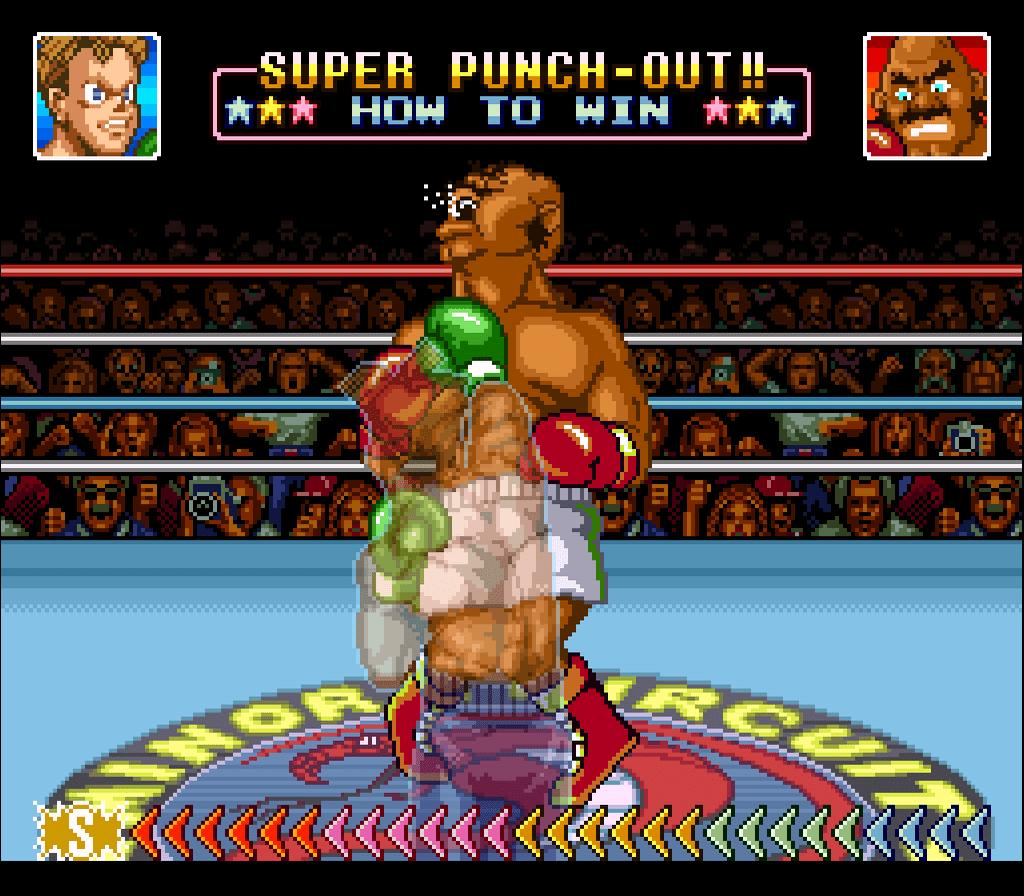
Super Punch-Out!! also significantly improved the game's visual presentation. Large boxer sprites, vivid colors, attack animations, and character reactions showcased the capabilities of the SNES. The game looked considerably more colorful than many other sports titles of its era.
Calling it revolutionary would be an exaggeration. Super Punch-Out!! did not create a new genre or change video games in the same way as some of Nintendo's other major hits. Instead, it took the established Punch-Out!! formula and refined it to a very high level.
Its revolutionary aspect — if the word can be used at all — was its approach to boxing. The game demonstrated that a sports title did not necessarily have to realistically reproduce the sport. Instead, Nintendo created an arcade experience where each fight became a test of observation, reaction, and memory.
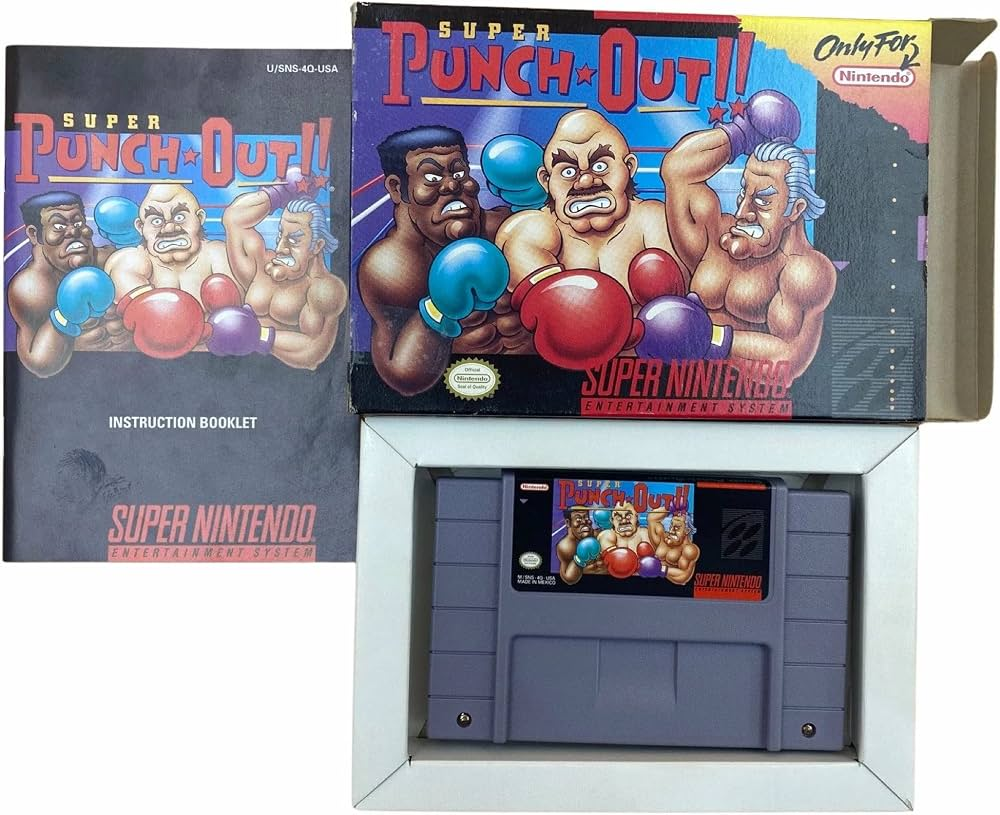
That is what made defeating each new champion so satisfying. You were not simply becoming stronger — you were learning to understand your opponent.
Super Punch-Out!! never became as mainstream as some of Nintendo's biggest hits, but over time it gained the status of a cult SNES classic. Retrospective rankings regularly include it among the console's best games, and the title has received several re-releases, from the Virtual Console to the modern Nintendo Switch Online library.
Its return to modern platforms demonstrated that Nintendo's formula had not lost its appeal. Even decades after its original release, players could still enjoy figuring out why a particular opponent dodged in a certain way, when they became vulnerable, and which attack could send them to the canvas.
Super Punch-Out!! became an example of how a simple idea could turn into a surprisingly deep game. Nintendo was not trying to create realistic boxing — it created its own version of a boxing show, where every opponent was a separate puzzle.
And that is why, more than 30 years after its release, Super Punch-Out!! remains interesting not only as a retro game, but also as an example of how creatively Nintendo could work with simple gameplay mechanics.
As a reminder, Tony Hawk’s Pro Skater 4 — the game that gave players more freedom.


