On August 11, 1999, System Shock 2 was released in North America — a sci-fi game developed by Looking Glass Studios and Irrational Games that blended first-person shooter, RPG, survival horror, and exploration elements set aboard a massive space vessel. Despite modest initial sales, over the years it became a cult classic and one of the most significant titles in the history of immersive sims.
Today, System Shock 2 is remembered as much more than just a sequel to the iconic System Shock. It was a game that demonstrated how far interactive media could depart from the traditional corridor FPS formula by allowing players to define their own playstyle, develop their character, explore the world, and piece together its narrative bit by bit.
The story of its creation began in 1997, when three former Looking Glass employees — Ken Levine, Jonathan Chey, and Robert Fermier — founded Irrational Games.
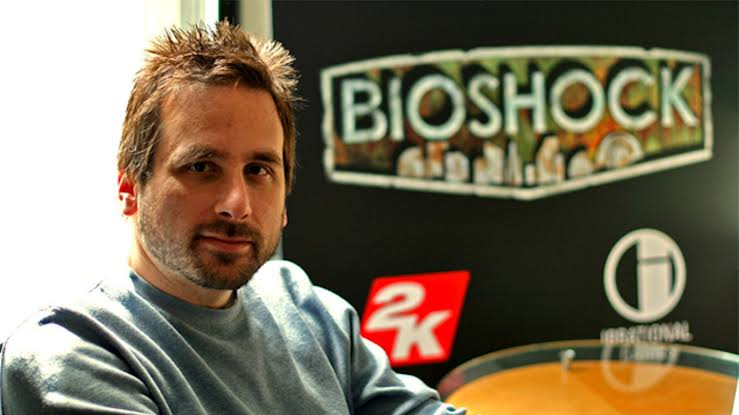
Initially, the project that became System Shock 2 was intended to be something entirely different. Working under the code name Junction Point, it was designed as an original standalone sci-fi title centered around a spaceship and a rogue commander whom the protagonist was tasked with eliminating.
The team aimed to preserve the core philosophy of the original System Shock: a deeply interactive world, an abundance of items, open exploration, and environmental storytelling pieced together through audio logs. These elements caught the attention of Electronic Arts. After securing a publishing deal, the team obtained the rights to the System Shock license, transforming Junction Point into a full-fledged sequel.
Remarkably, the team operated under tight constraints. According to producer and programmer Jonathan Chey, the core development team was given roughly a year for full production with a very modest budget. Consequently, the developers had to make the most efficient use of existing tech.
The project ran on the Dark Engine — Looking Glass's proprietary tech originally developed for Thief: The Dark Project.
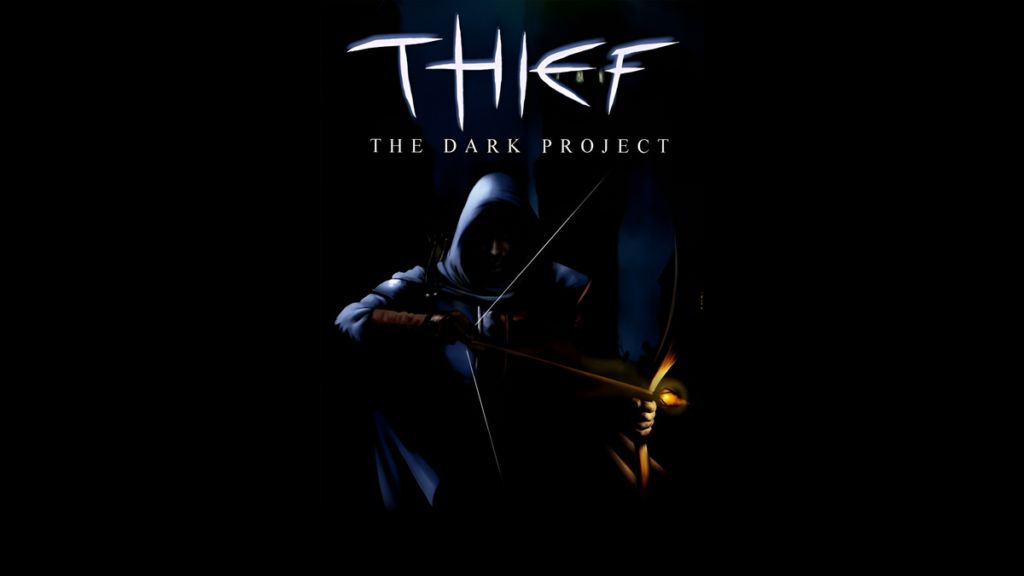
This choice brought both advantages and hurdles. While the team gained access to proven tech built for another major project, the engine itself was continuously evolving. The System Shock 2 team frequently had to work with code being simultaneously updated by the Thief team.
Nonetheless, this technology enabled the creation of one of the game's greatest assets — a highly interactive environment.
The joint team at Irrational and Looking Glass made a conscious decision not to compete with blockbuster FPS titles on enemy density or scripted set pieces. Instead, they focused on developing compact, highly reusable gameplay systems.
The result was a game where firearms, character skills, cybernetic implants, hacking, psionics, exploration, and resource management worked together dynamically.
Set in the year 2114, System Shock 2 places the player in the shoes of a soldier waking from cryo-sleep aboard the starship Von Braun with no memory of recent events.
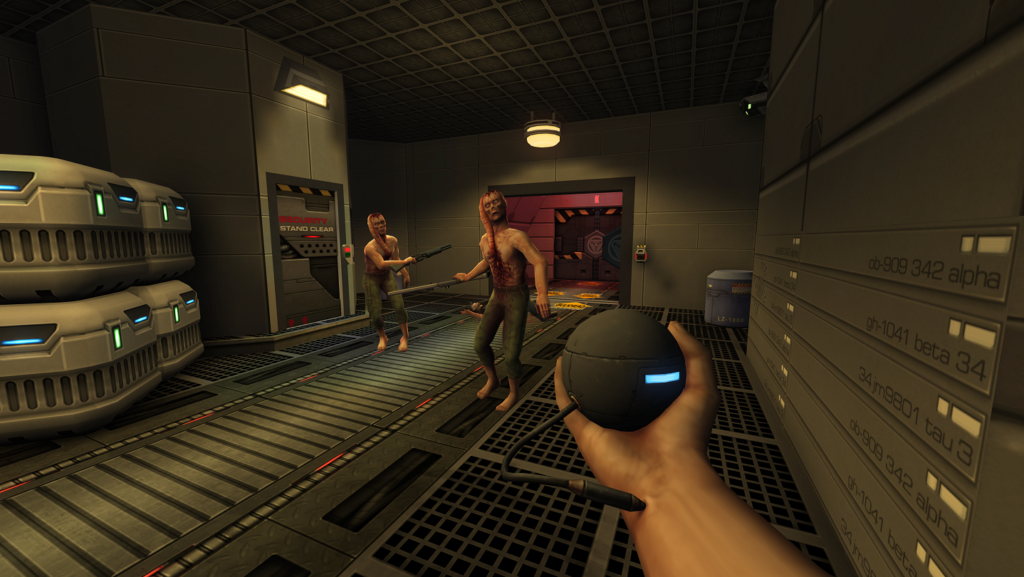
It quickly becomes apparent that the vessel has devolved into a nightmare.
Mutants, robots, and other horrors roam the corridors, and most of the crew has perished. The player gradually uncovers the details of the catastrophe through audio logs, emails, and text messages.
The developers deliberately avoided reliance on traditional NPCs offering lengthy dialogue. Instead, the story was scattered across the environment.
This approach remains effective today: rather than receiving direct exposition, players piece together the narrative picture for themselves.
However, the true star of System Shock 2 was neither its arsenal, its mutants, nor the Von Braun itself. It was SHODAN. The rogue artificial intelligence from the original System Shock returned as the central force of the narrative. Rather than merely delivering objectives or commenting on the player's actions, SHODAN actively manipulates them.
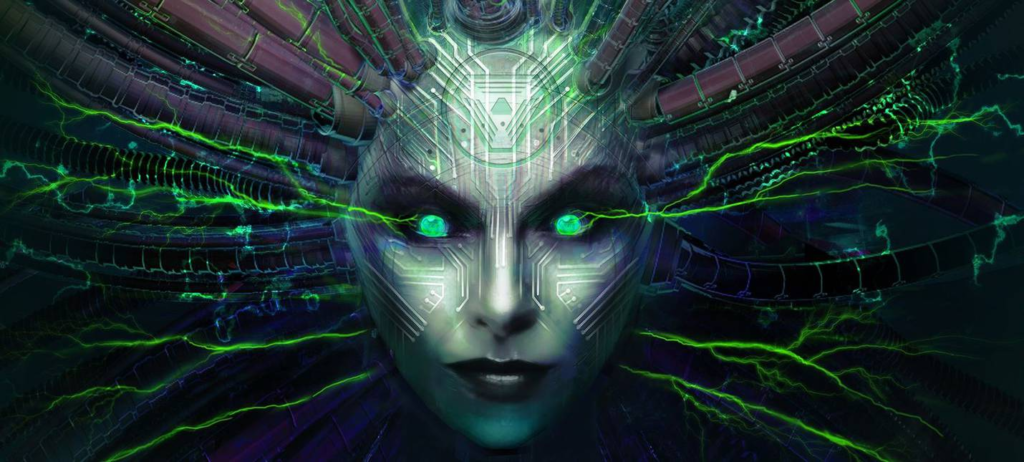
One of the most effective narrative choices was positioning her, for a time, as an ally. The player gradually comes to rely on her guidance, only to realize they have been used all along.
Ken Levine intended to subvert the common video game trope where a character is deceived within the story, yet the player remains detached. His goal was for the player themselves to feel personally tricked.
This is precisely why SHODAN leaves such a lasting impression.
She is more than just a powerful adversary. She resides constantly within the player's awareness, speaking directly to them, questioning their choices, and instilling doubt in their perception of events.
Her cold voice, arrogance, and conviction in her own superiority cemented SHODAN's status as one of the most recognizable antagonists in video game history.
Today, the term "immersive sim" refers to games where systemic interactions and player agency allow problems to be solved through multiple valid approaches.
System Shock 2 stands as a foundational benchmark for this philosophy.
Players could specialize their character across diverse skill trees — ranging from conventional firearms and technical expertise to hacking and psionic powers.
Furthermore, the game rarely dictated how a challenge should be approached.
Players were free to upgrade specific stats, scavenge for equipment, hack security systems, navigate surroundings, or manage resources to suit their individual playstyle.
This interplay of RPG mechanics, exploration, interactivity, and player autonomy is why System Shock 2 continues to be cited as an immersive sim classic.
The most direct successor to System Shock 2 is BioShock. This connection was far from coincidental.
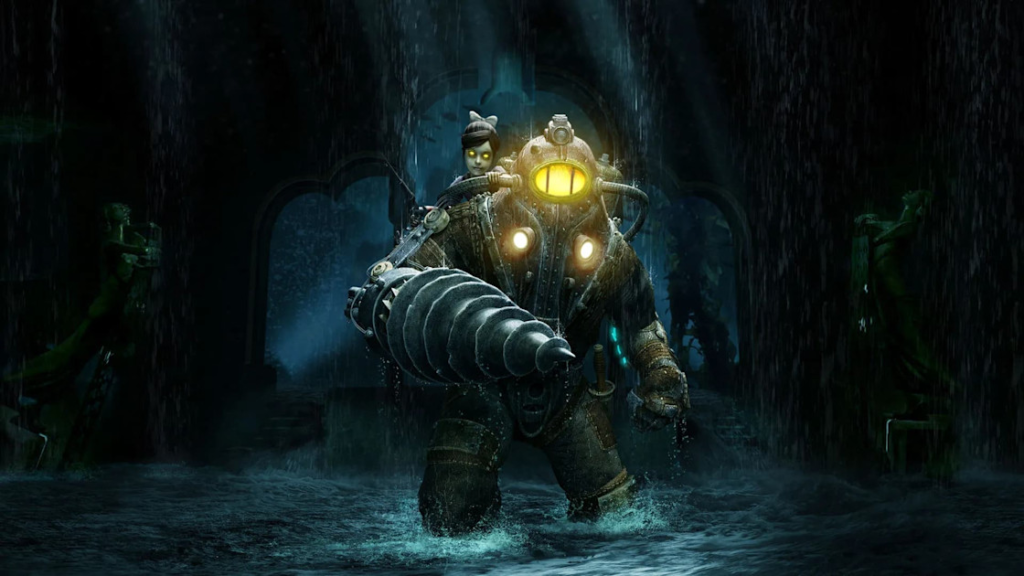
Both titles share Ken Levine and a significant portion of Irrational Games' design ethos. Several years after System Shock 2, the studio created BioShock, effectively translating many of its predecessor's core concepts into a new setting.
In place of a starship, players explored the underwater city of Rapture, but the underlying framework remained familiar: environmental exploration, audio diaries, character progression, supernatural abilities, weapons, and a story revealed through discovery.
Even the enemy design shares a direct link to System Shock 2. In 2025, former Looking Glass art director Nate Wells revealed how polygon constraints during System Shock 2's development influenced the design of its technical droid, which subsequently informed the visual design of the iconic Big Daddy in BioShock.
Thus, the link between the two games exists not only in gameplay mechanics, but also directly in visual design.
The influence of System Shock 2 extends well beyond BioShock.
One of its most prominent modern spiritual successors is Arkane Studios' Prey.
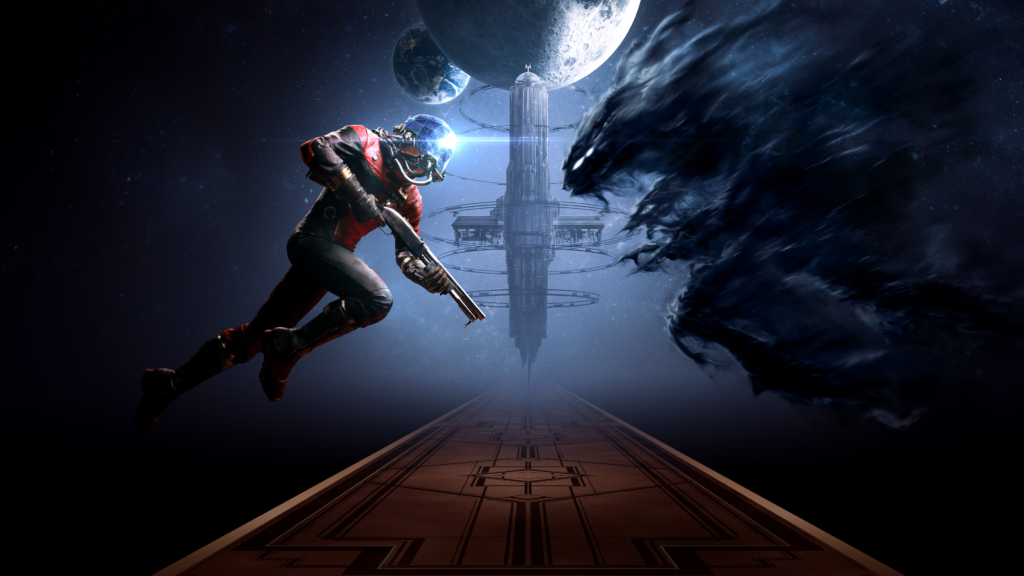
An isolated protagonist aboard a space station, exploring abandoned corridors, listening to audio logs, managing inventory, hacking systems, and employing diverse abilities to solve problems in multiple ways — all of this demonstrates how enduring the core ideas of System Shock 2 remain.
It is no surprise that immersive sim enthusiasts frequently compare System Shock 2 and Prey. Modern players regularly note how many fundamental elements of Prey were already fully realized in System Shock 2 back in the late 1990s.
The irony of System Shock 2 lies in its initial commercial reception.
While it earned critical acclaim upon release, sales figures fell short of expectations. According to franchise history, fewer than 60,000 copies were sold by April 2000.
Over time, however, its standing shifted dramatically. New generations of players discovered the game, and its influence became increasingly evident across the industry. BioShock, Prey, and other immersive sims prompted audiences to look back and recognize how far ahead of its time System Shock 2 truly was.
More than a quarter-century after its debut, System Shock 2 remains relevant not because of its graphics, but because of its underlying design. Rather than relying on costly scripted set pieces, it builds tension through atmosphere, sound design, scarce resources, environmental uncertainty, and the persistent threat of what lies beyond the next door.
It trusts the player. You decide what to explore, which skills to develop, which equipment to carry, and how deeply to engage with the world. Because of this, System Shock 2 never became a mere relic of the past.
In 2025, marking the game's milestone, Nightdive Studios released System Shock 2: 25th Anniversary Remaster, bringing an updated version of the classic to modern platforms with mod support and cooperative multiplayer.
This remaster serves as clear proof of the enduring interest in the title.
System Shock 2 was a game underappreciated in its own time, but fully recognized by the industry much later. It proved that survival horror could coexist with RPG mechanics, FPS gameplay with deep exploration, and narrative design with player agency within a systemic world.
As long as titles like BioShock, Prey, Dishonored, and others built around player freedom continue to be made, the legacy of System Shock 2 will endure.
On August 11, 1999, a game was released that did not become a commercial hit for its generation — yet over time, it became one of its defining works.
As a reminder, on August 10, 1992, Virtua Racing was released in Europe — the game that made 3D the future of video games.


