On September 3, 2013, Total War: Rome II was released on PC — a massive sequel to Rome: Total War, which had already become one of the best-known historical strategy games of its generation back in 2004. The sequel was expected to be more than just another entry in the series — it was expected to set a new standard for the genre: Creative Assembly promised the biggest campaign in Total War history, a huge map, hundreds of troop types, and the ability to rewrite the history of the Ancient World.
But Rome II's road to release turned out to be more complicated than even the developers expected. The game truly impressed with its scale and ambition, but at the same time became an example of how dangerous it can be to release a major project in an insufficiently polished state.
After the success of the first Rome: Total War, fans of the series waited for years for a return to Ancient Rome. Meanwhile, Creative Assembly continued developing the Total War formula in other historical periods: Medieval II, Empire, Napoleon, and Shogun 2 were released. Shogun 2 in particular showed how well the studio could refine the classic formula of combining grand strategy with tactical battles.
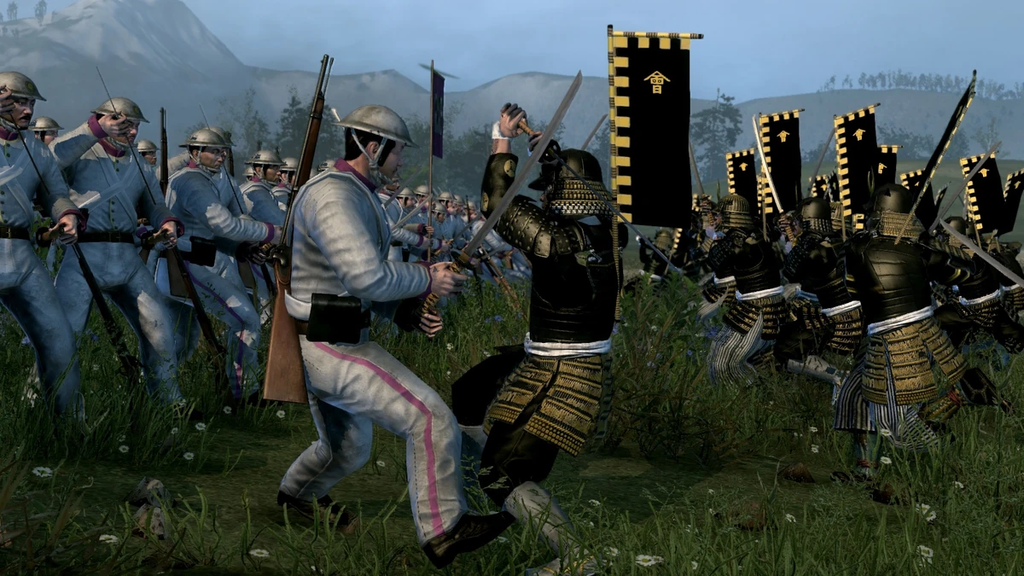
That is why Rome II faced enormous expectations. Creative Assembly wanted to make the game not simply larger than the original, but significantly bigger than previous entries. In 2013, the developers said that the campaign would feature 117 factions, 183 regions, and around 500 types of units. For comparison, the map was supposed to be almost twice the size of the one in Shogun 2.
It was a project that literally tried to fit the entire ancient world into a single game.
The foundation of Rome II, like other games in the series, remained its dual structure. On the global map, the player managed a state: developing cities, building the economy, negotiating diplomatic agreements, researching technologies, moving armies, and determining the future of their faction.
When armies met on the battlefield, the game switched to real-time mode. This was where the other side of Total War began: positioning troops, flanking attacks, using cavalry, artillery, terrain features, and the morale of soldiers.
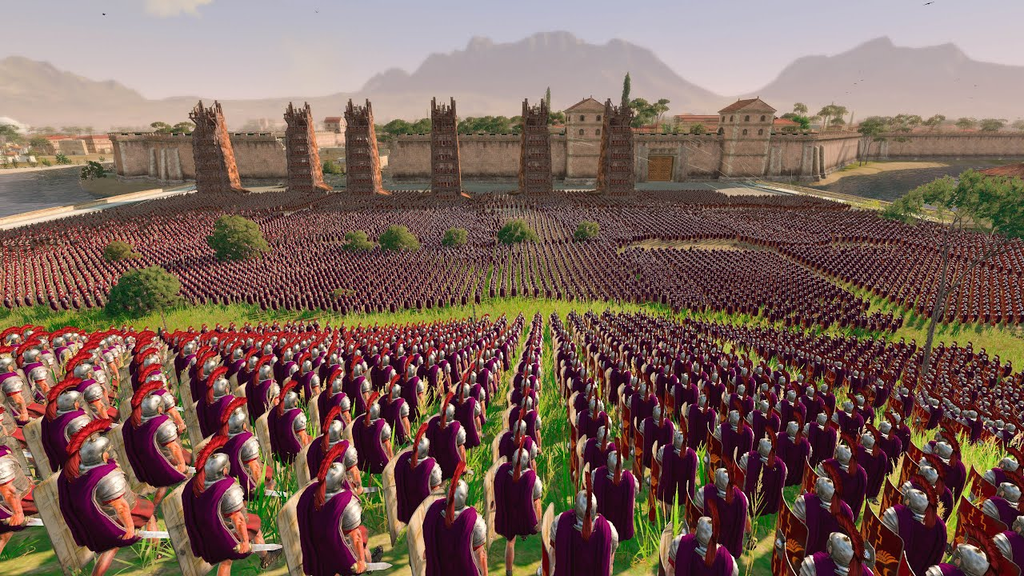
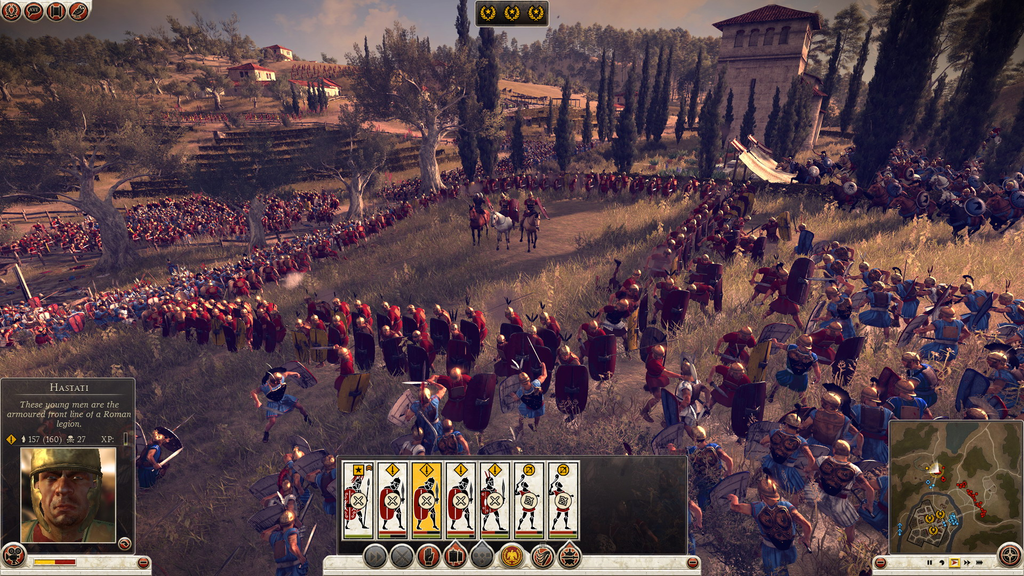
Rome II tried to make these systems even larger. The map could feature enormous armies, while battles could involve thousands of warriors at the same time. The developers also paid close attention to historical accuracy, trying to make different cultures and armies as distinct from one another as possible.
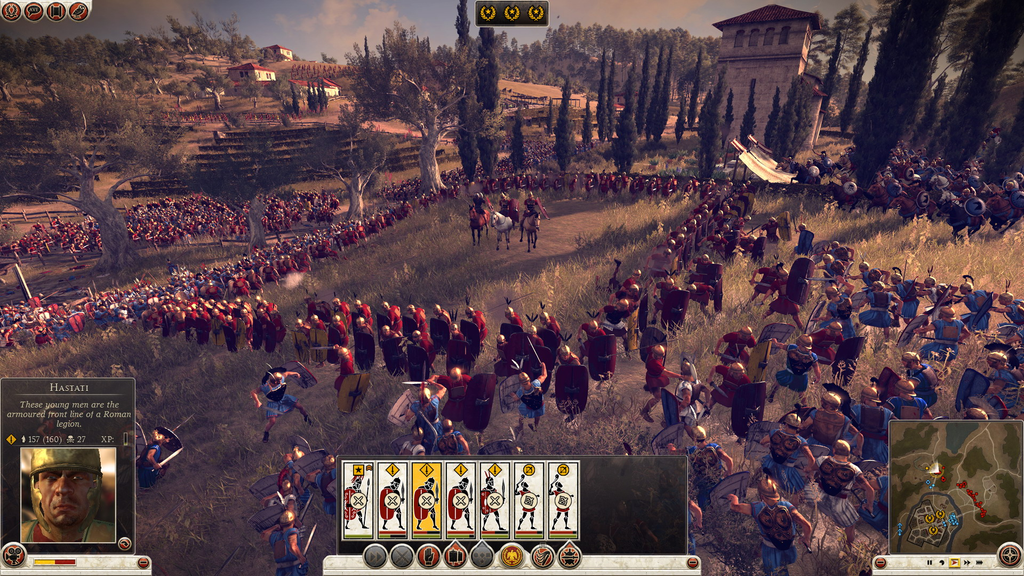
As a result, the player could begin a campaign as Rome, Carthage, Macedon, Egypt, Parthia, the Iceni, the Arverni, the Suebi, and other states. Some additional factions were later introduced through DLC.
At the time of release, Rome II was indeed one of the most ambitious strategy games of its era. The huge map, massive armies, detailed battles, and ability to create your own version of ancient history demonstrated the game's potential.
However, players very quickly began encountering problems after launch. These included poor performance, graphical glitches, crashes, issues with artificial intelligence, strange unit behavior, and problems with certain campaign and battle mechanics.
In some cases, the game ran unstably even on computers that were powerful for the time. Because of this, Rome II found itself in a situation where the project's scale simultaneously became its greatest strength and one of its biggest sources of problems.
At launch, Steam also recorded more than 118,000 concurrent players — roughly three times more than Shogun 2's previous record. Demand was enormous, but alongside it, the number of complaints about the game's technical state also grew very quickly.
The reaction from journalists was mixed. Some reviewers praised the enormous scale, spectacular battles, and Creative Assembly's ambition. Game Informer gave the game 8/10, calling it a historical achievement in terms of scale, while also pointing out problems with artificial intelligence, pathfinding, and campaign monotony.
GameSpot rated Rome II 8/10, while its Metacritic score at the time of the reviews stood at 76/100. The publication noted that the game remained a massive and interesting strategy title, although launch problems and certain shortcomings prevented it from becoming an unquestionable masterpiece.
However, there were also much harsher assessments. Ars Technica directly called Rome II a “total mess” in its review, criticizing how the implementation of certain mechanics damaged the series' strong formula.
Thus, it became clear within the first few days: Rome II was not a failure as an idea. On the contrary, its problem was that there was too large a gap between the concept and the finished product.
After the release, the studio did not abandon Rome II. Creative Assembly began releasing patches that gradually fixed technical problems, changed the balance, improved artificial intelligence, and reworked individual mechanics.
The developers essentially had to rebuild a significant part of the game after its release. For players, this meant a long wait for Rome II to become the version that many had wanted to see back in September 2013.
A year after release, Creative Assembly released Emperor Edition. It became a kind of culmination of a major period of work on the game: the political system and civil war mechanics were reworked, buildings were changed, the campaign and battle balance was extensively reworked, and the interface and graphics were improved. Owners of the original Rome II received the update for free.
Alongside Emperor Edition, a new campaign, Imperator Augustus, was introduced, dedicated to the civil wars following the death of Julius Caesar and the struggle between Octavian, Mark Antony, and Lepidus for power.
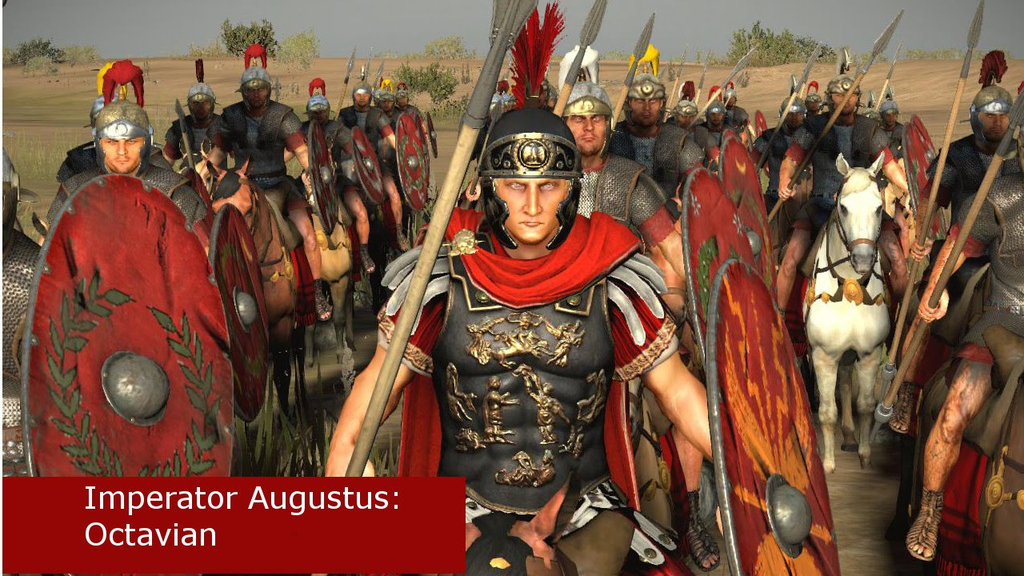
Interestingly, the story of Rome II did not end there. After numerous updates, attitudes toward the game gradually changed. Even today, modern reviews of the series often mention Rome II as an example of a game that improved significantly after release. GamesRadar, for example, notes that after years of updates, the game found its own identity and became a much better version of what was released in 2013.
The comparison of Emperor Edition's scores is also telling. In 2014, critics noted how much the game had changed after a year of updates: Metacritic listed scores of 90/100 from Softpedia and 89/100 from Ragequit.gr, which already viewed Rome II as a much more complete product.
Commercially, the game also proved successful. By August 2013, even before release, the number of pre-orders had exceeded Shogun 2's figure by more than six times. At launch, Rome II set series records for concurrent players, and by March 2014, sales in Europe and North America had exceeded 1.13 million copies.
Today, Total War: Rome II is interesting not only as a sequel to the legendary Rome: Total War. It became an example of how huge ambitions can collide with technical limitations and deadlines, as well as how much long-term support can change a game.
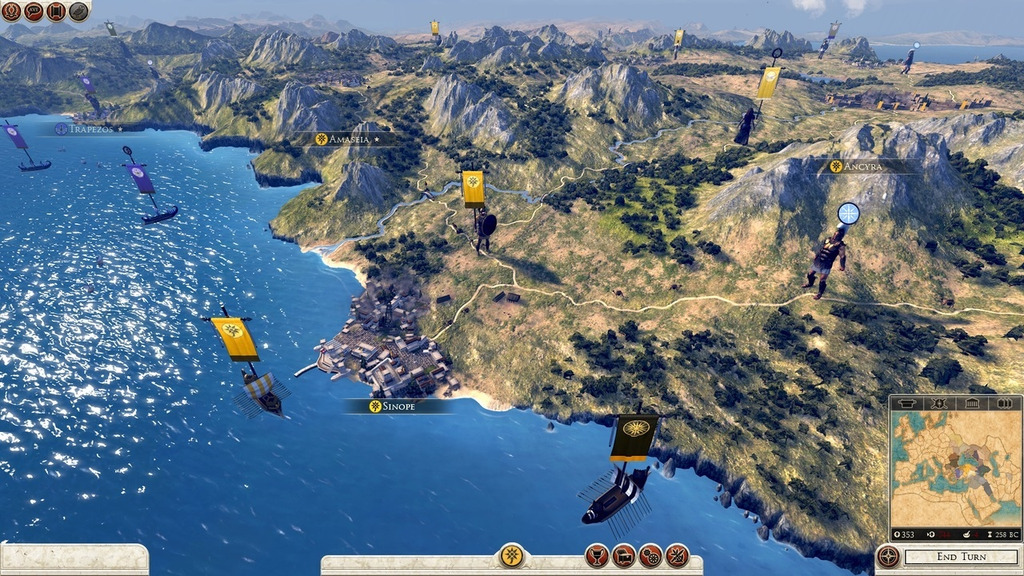
Its 2013 release was remembered for its problems, but the game itself survived that period. After numerous patches and the release of Emperor Edition, Rome II gained a significantly better reputation, while its massive campaign, variety of factions, and enormous battles continued to attract players.
The irony is that the game expected to become the new king of historical strategies initially found itself in the role of a state that needed to be saved from an internal crisis. Creative Assembly spent another year after release bringing Rome II to a state where it could realize at least a significant portion of its potential.
On September 3, 2013, Total War: Rome II began its history with a very controversial launch. But that story eventually became one of the most telling in the modern history of the Total War series: even a troubled release can be fixed if developers are willing to work on a game for years and listen to their audience.
As a reminder, Unreal — the game that became the beginning of the history of Unreal Engine.


