The fighting game community has historically been known for its high barrier to entry and exclusivity, demanding that players perfectly execute extremely complex combos. However, modern development trends and shifts within the community itself signal a new era: fighting games do not necessarily have to be technically overloaded to remain deep and high-quality esports disciplines.
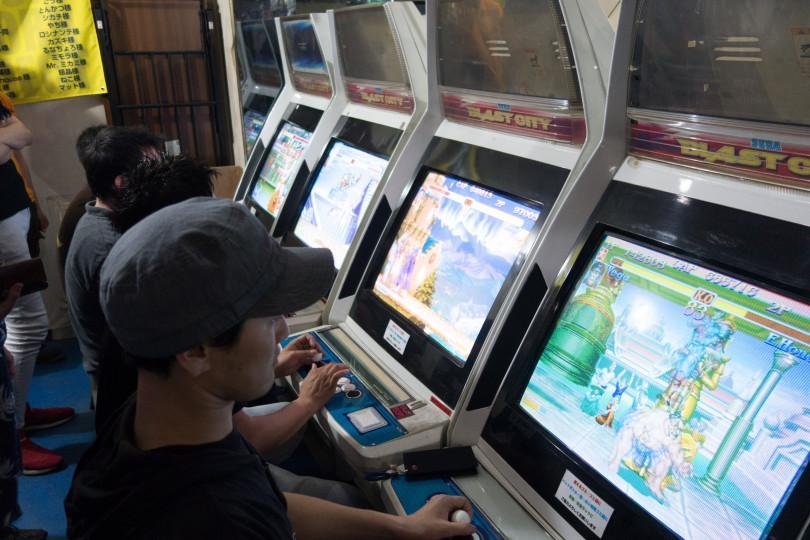
For years, FGC culture was built on the arcade traditions of the 1990s. In the absence of tutorial videos or detailed mechanic breakdowns, players relied solely on grueling practice. As Tekken scene veteran Jeannail "Cuddle_Core" Carter notes, these limited resources created a mentality that one "had to suffer" to achieve success.
This philosophy spawned internal conflicts, the most prominent of which is the rivalry within the Super Smash Bros. community. The classic version, Melee, thanks to its hidden mechanics and the need to independently study the game's physics (as renowned player Jason "Mew2King" Zimmerman did), is still considered by many esports athletes to be more "prestigious" and technical than the modern version, Ultimate.
Today, developers and professional players are beginning to challenge the concept of artificial difficulty. During the creation of Fatal Fury: City of the Wolves, producer Shinya Tamaki and director Hayato Konya emphasized that they did not plan to make the game overly difficult, so as not to scare away a casual audience.
"The essence of fighting games is not in complex button combinations, but in reading the opponent's mind, much like a game of 'rock-paper-scissors.' If the controls are made simpler, the gameplay will only become more dynamic," explained Hayato Konya.
True difficulty, according to experts, should lie in the ability to analyze an opponent's style, predict their actions, and find countermeasures (so-called "mind games"), rather than in struggling with cumbersome controls.
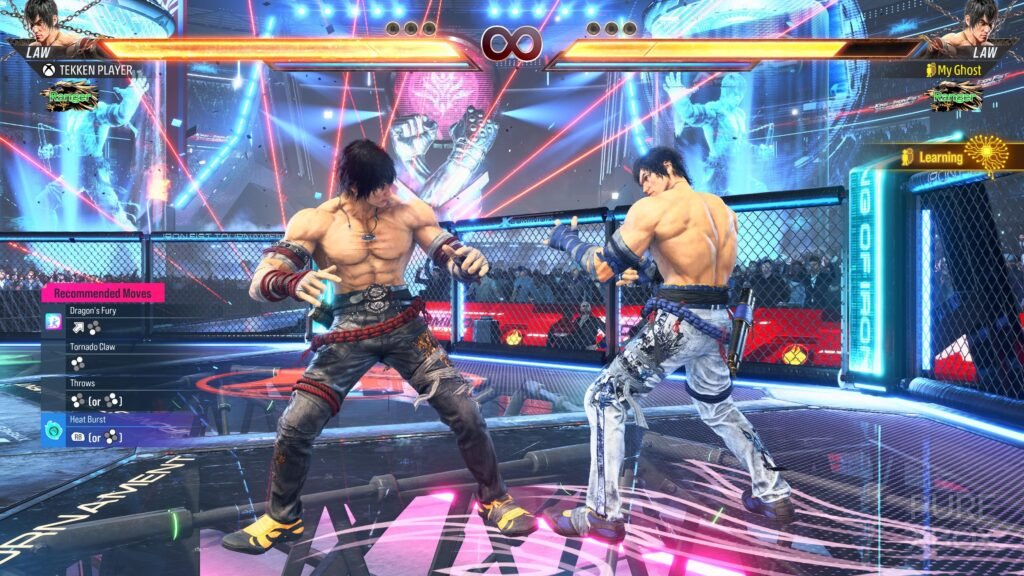
The modern fighting game market demonstrates that the long-term success of a game directly depends on its accessibility to new users:
Although debates about game difficulty still arise online, the FGC as a whole is becoming a much more inclusive and welcoming environment. Lowering the barrier to entry has led to an increase in player diversity in terms of age, gender, and background. The community is gradually realizing that true respect is earned by the skill of esports athletes who discover new tactics and push the boundaries of what is possible, rather than by the artificial convolution of the game itself.
As a reminder, AI Makes Major Blunders in Esports World Cup Advertisement in Paris


