On November 5, 2007, Call of Duty 4: Modern Warfare was released for PC, PlayStation 3, and Xbox 360 — the fourth main installment in Activision's popular shooter series. The game was developed by Infinity Ward, which decided to move away from the World War II setting traditionally associated with the franchise and shift the action to a fictional modern-day conflict.
This decision became one of the most important moments in Call of Duty history. The game offered a cinematic story campaign, large-scale scripted sequences, and a significantly more advanced multiplayer mode. The success of Modern Warfare not only made it one of the most famous games of its generation but also launched a separate subseries that later received two direct sequels.
In the early 2000s, Call of Duty was closely associated with the theme of World War II. The first two main installments, as well as the previous projects of key developers at Infinity Ward, used historical events as the foundation for their game campaigns.
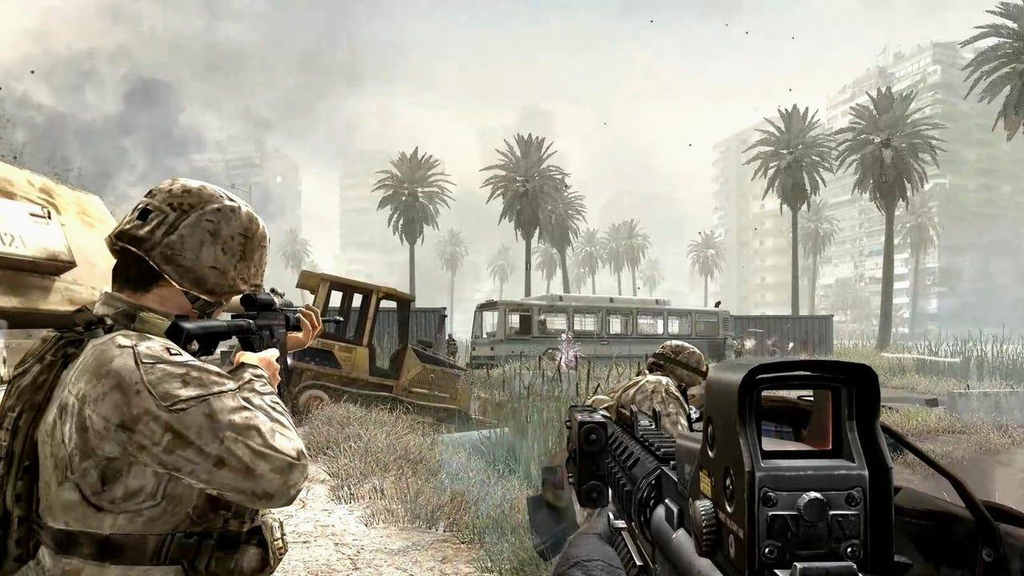
However, after completing work on Call of Duty 2, the team realized that it wanted to try something new. In a retrospective article for Game Developer, the developers explained that some team members no longer wanted to work on another World War II game. The team wanted greater creative freedom and sought a new direction for the franchise.
One of the ideas considered was a modern warfare concept. It made it possible to create a fictional conflict without being tied to a specific historical event and to tell a more diverse story.
The developers also wanted to preserve the large-scale confrontations characteristic of Call of Duty but present them in a modern context. Instead of repeating familiar storylines, the team decided to create its own world with several parallel conflict storylines.
Full-scale development of Call of Duty 4 began after Call of Duty 2 was completed. That is why Infinity Ward did not work on the series' third installment — Treyarch took over that project while the main team focused on the new game.
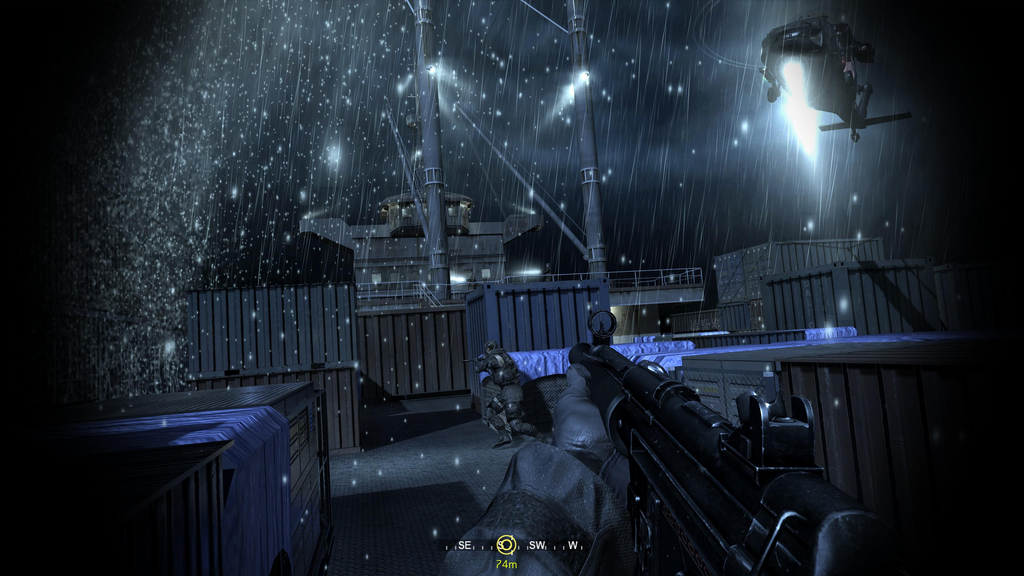
Initially, the developers experimented with different scenarios. In the early stages, a significant part of the game focused on events in the Middle East, and many locations resembled desert environments. However, the team realized that this approach limited the variety of the experience.
As a result, the concept underwent major changes. British soldiers from the SAS unit were added to the story, along with a separate storyline connected to a civil conflict in Russia. This expanded the geographical scope of the events and made the campaign more diverse.
Another important change was the increased focus on the story. Previously, the narrative had not been Infinity Ward's main priority, but for Modern Warfare, the team decided to devote significantly more time to it. The developers consulted military specialists and looked for a screenwriter who could help create a convincing fictional story.
As a result, the game featured several interconnected storylines, different perspectives on the events, and characters whose stories intersect throughout the campaign.
The story of Call of Duty 4: Modern Warfare revolves around a fictional international conflict that spans several regions of the world. One of the central threats is the activity of a Russian ultranationalist group, while events in the Middle East form the second major part of the story.
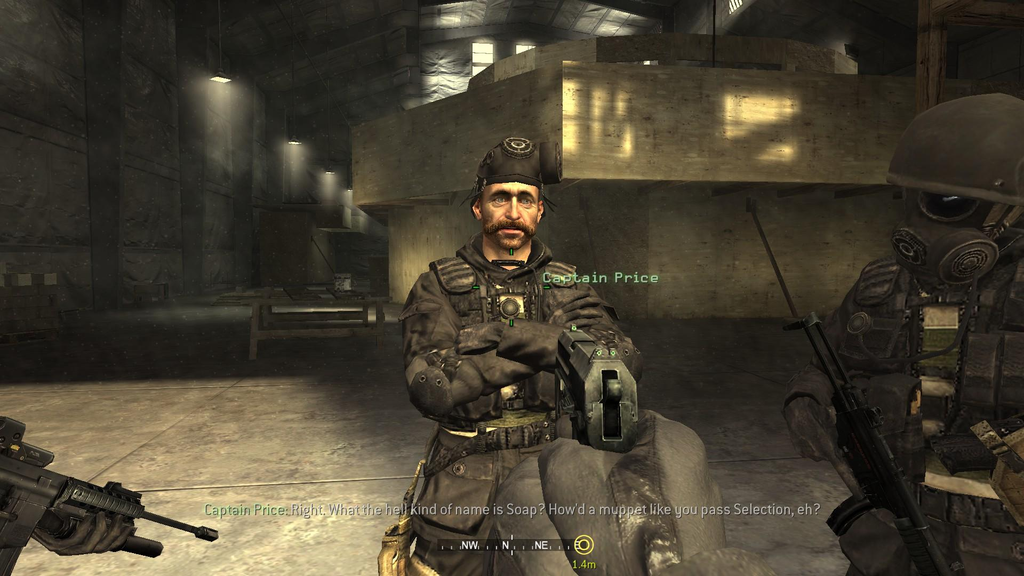
Players follow two main storylines in turn. One focuses on the British SAS unit, which Sergeant John "Soap" MacTavish joins under the command of Captain John Price. The other tells the story of American Marine Paul Jackson.
The characters played a particularly important role in the game's popularity. Captain Price became one of the most recognizable characters in the entire franchise, while Soap MacTavish became one of the central characters in the future Modern Warfare trilogy.
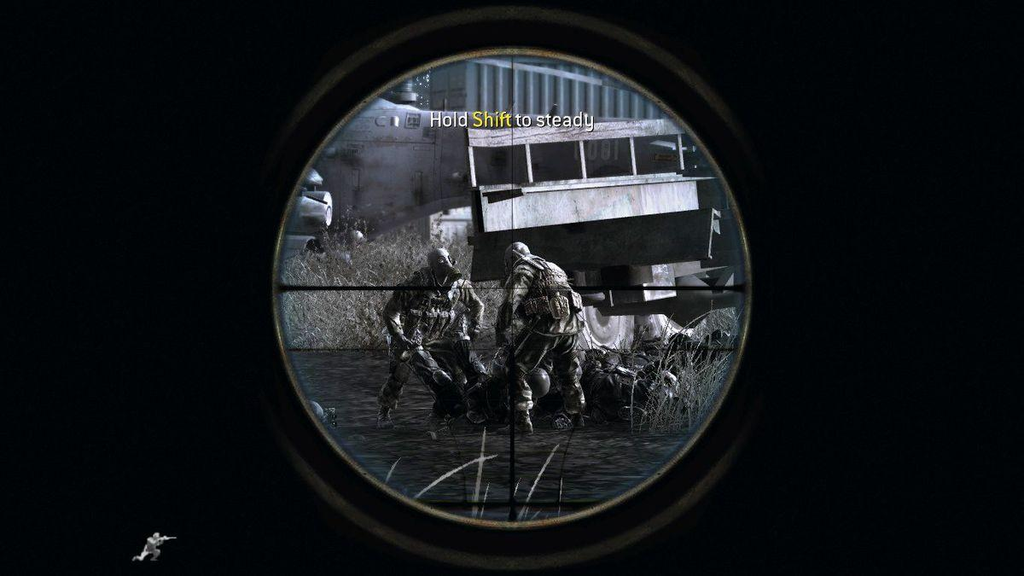
The campaign was also memorable for its cinematic presentation. Instead of a traditional sequence of similar missions, the developers created diverse episodes that constantly changed the pace and nature of the gameplay. Some scenes became so recognizable that they were repeatedly referenced in later installments of the series.
One of the most important areas of development was the multiplayer mode. It had already appeared in previous games in the series, but it was during the creation of Modern Warfare that Infinity Ward first assigned a dedicated team to work on it throughout the entire development period.
According to the developers, they wanted to make multiplayer significantly larger in scale and more refined. As a result, the game introduced a profile progression system, character class customization, unlockable features, and the gradual acquisition of new rewards.
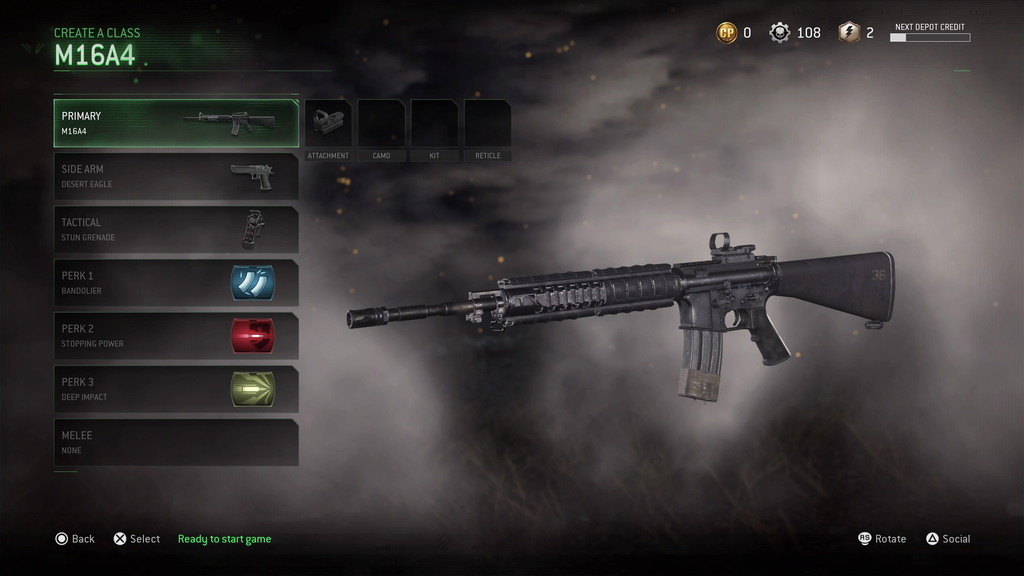
Players could do more than simply participate in matches: they could develop their profiles, unlock new content, and adapt their playstyle to their preferences. This approach made every match part of overall progression.
The Perks system became particularly important — special abilities that allowed players to change their characters' attributes. The game also introduced rewards for successful streaks of actions during matches.
Modern Warfare established a multiplayer model that later became one of the franchise's defining features. The progression system, classes, and additional features influenced not only subsequent Call of Duty games but also the development of many other multiplayer shooters.
Call of Duty 4: Modern Warfare was released on November 5, 2007, in North America for PC, PlayStation 3, and Xbox 360. The game arrived in Europe on November 9.
The release was a major success for Activision and Infinity Ward. Critics highly praised the story campaign, presentation, graphics, and multiplayer mode. The game received more than 18 perfect scores from various publications, as well as over 40 Editors' Choice and Game of the Year awards in the United States alone.
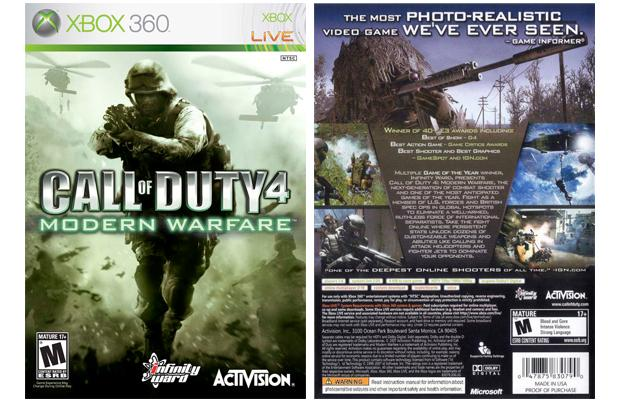
In January 2008, Activision announced that Modern Warfare had become the best-selling game of 2007 worldwide in terms of copies sold. At that point, sales had exceeded 7 million copies.
By June of the same year, it became known that total game sales had reached 10 million copies. According to Infinity Ward head Vince Zampella, the Xbox 360 version proved to be the most successful.
These results cemented Modern Warfare's status as one of the biggest gaming hits of its generation.
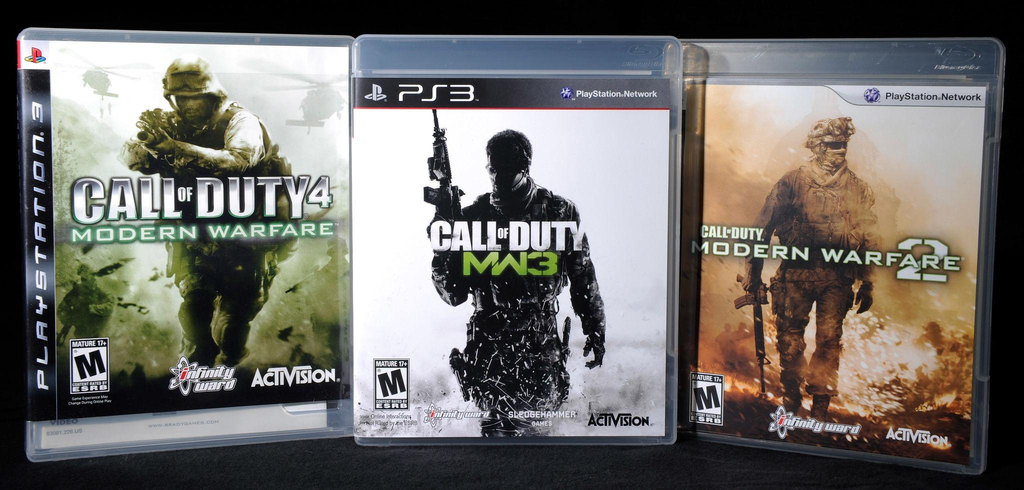
The success of Call of Duty 4 quickly convinced Activision and Infinity Ward that Modern Warfare could become a standalone direction within the franchise. In 2009, Call of Duty: Modern Warfare 2 was released, continuing the stories of familiar characters and expanding the scale of the series.
In 2011, the trilogy concluded with Call of Duty: Modern Warfare 3, developed with the involvement of Infinity Ward and Sledgehammer Games. Thus, a story that began as an experiment with a change of setting turned into one of the most important storylines in the entire franchise.
In 2016, the original game received an updated edition, Call of Duty: Modern Warfare Remastered. It offered improved graphics, updated textures, and other technical enhancements while preserving the main content of the original campaign.
Later, in 2019, Infinity Ward rebooted the subseries with a new Call of Duty: Modern Warfare. It was not a direct continuation of the original trilogy but instead offered a reimagined story with updated versions of familiar characters.
Call of Duty 4: Modern Warfare became a turning point for the entire series. It proved that the franchise could successfully exist beyond the theme of World War II and that a modern setting offered significantly more opportunities for creating diverse stories.
Its influence on multiplayer games was equally important. The progression system, class customization, and rewards for successful matches became an integral part of the further development of Call of Duty and many other shooters.
The game also cemented Infinity Ward's reputation as one of the leading studios in the genre and introduced the franchise to characters who remain recognizable even many years after the release.
Call of Duty 4: Modern Warfare was not just another installment in a popular series. It was a bold reboot of its creative direction that became one of the most successful experiments in video game history.
As a reminder, The Legend of Zelda: The Minish Cap — the story of Link's small adventure.


