On October 12, 2018, Call of Duty: Black Ops 4 was released, marking the next installment in the famous shooter series developed by Treyarch and published by Activision. The game launched on PC, PlayStation 4, and Xbox One and became one of the most unusual experiments in Call of Duty history.
The reason was simple: Black Ops 4 became the first mainline game in the series without a traditional single-player campaign. Instead, the developers focused on three key directions — Multiplayer, Zombies, and an entirely new Battle Royale mode for Call of Duty called Blackout.
Before the release of Black Ops 4, Treyarch already had extensive experience with the series. The studio created the original Call of Duty: Black Ops, as well as Black Ops II and Black Ops III, gradually developing its own universe within the franchise.
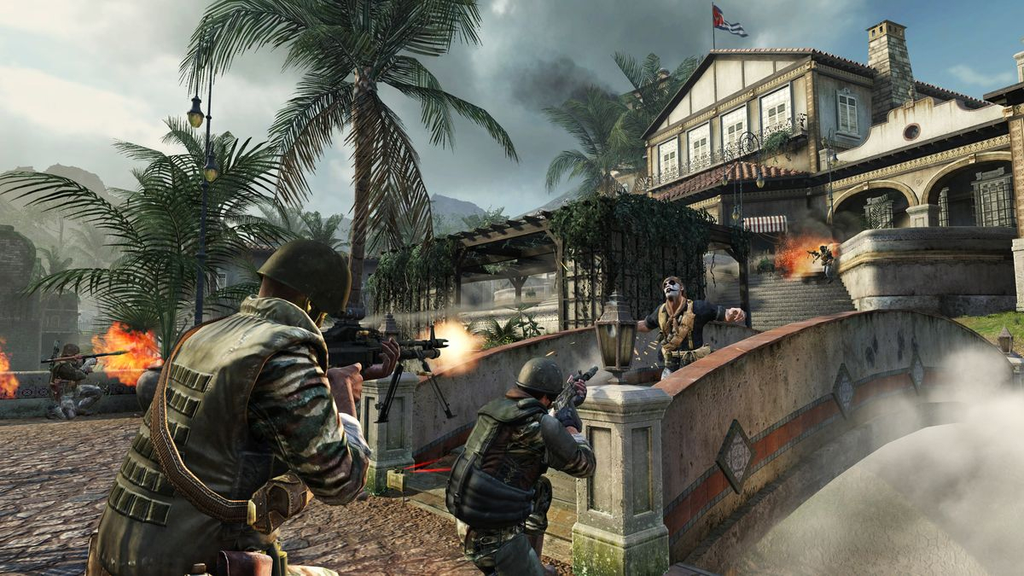
Black Ops III, released in 2015, took players into the distant future and placed a strong emphasis on cybernetic technology, special abilities, and cooperative gameplay.
For the next installment, Treyarch decided to take a different approach. Instead of continuing the traditional formula, the studio began focusing on what players spent most of their time doing after completing the campaign — multiplayer and Zombies.
But the experiments did not stop there.
Treyarch’s most controversial decision was to abandon the classic single-player campaign.
For Call of Duty, this was a major step. Since the earliest games in the series, single-player campaigns had remained one of the core components of the franchise. They told large-scale military stories, introduced players to memorable characters, and often became a major reason to buy a new installment.
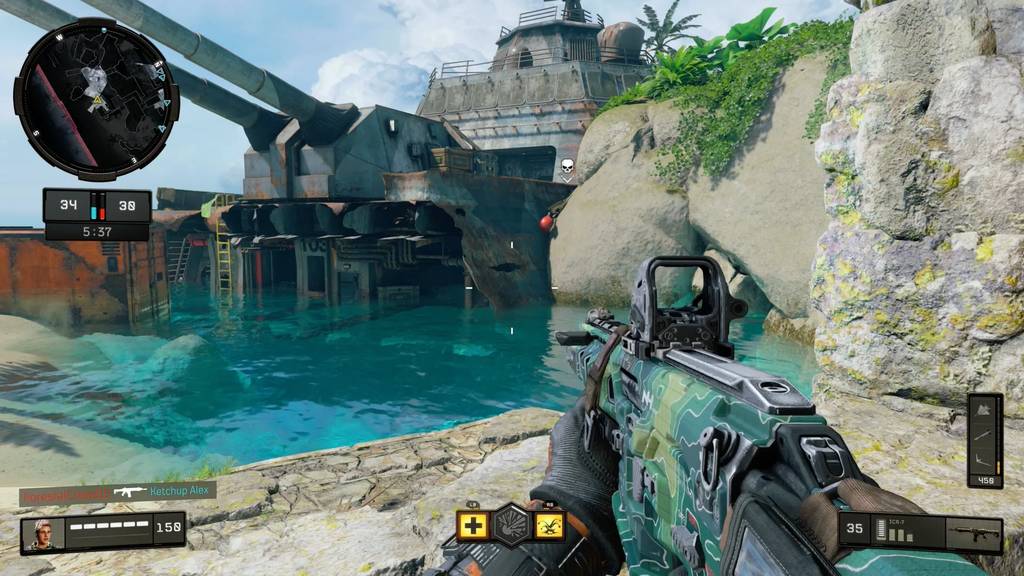
Black Ops 4 abandoned the traditional campaign.
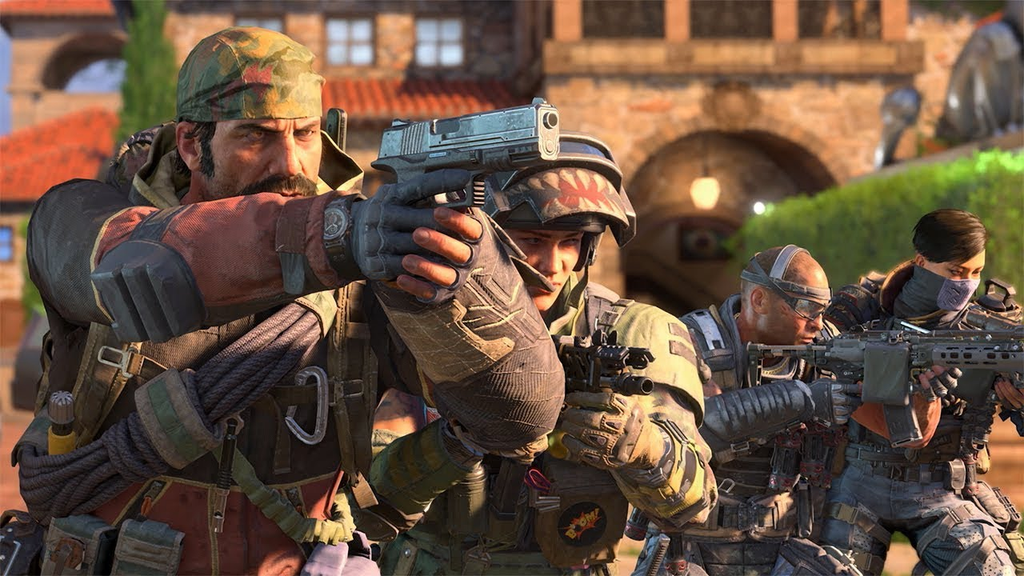
Instead, Treyarch expanded the stories of the Specialists — the characters featured in multiplayer. Each of them received their own missions and story elements designed to provide a better understanding of their characters and the events of the game’s universe.
The decision immediately became one of the most discussed aspects of Black Ops 4. For some players, it meant losing an important part of Call of Duty, while others saw it as an attempt by Treyarch to adapt the series to the way people actually played modern shooters.
The biggest new addition to Black Ops 4 was Blackout.
During the game’s development, the Battle Royale genre was experiencing an explosive rise. PUBG had already demonstrated the format’s huge popularity, while Fortnite had turned Battle Royale into a global phenomenon.
Treyarch decided not to stay on the sidelines.
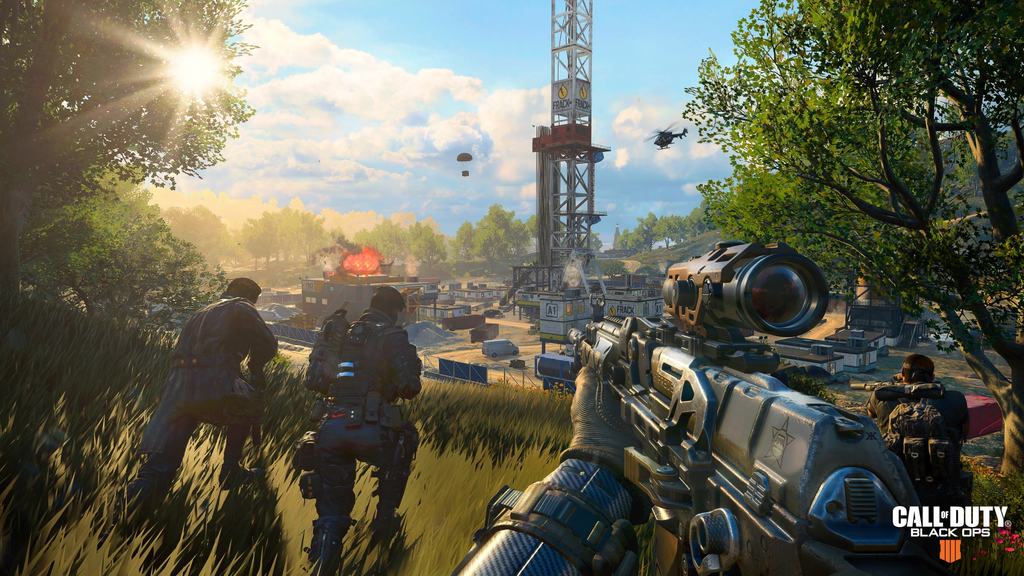
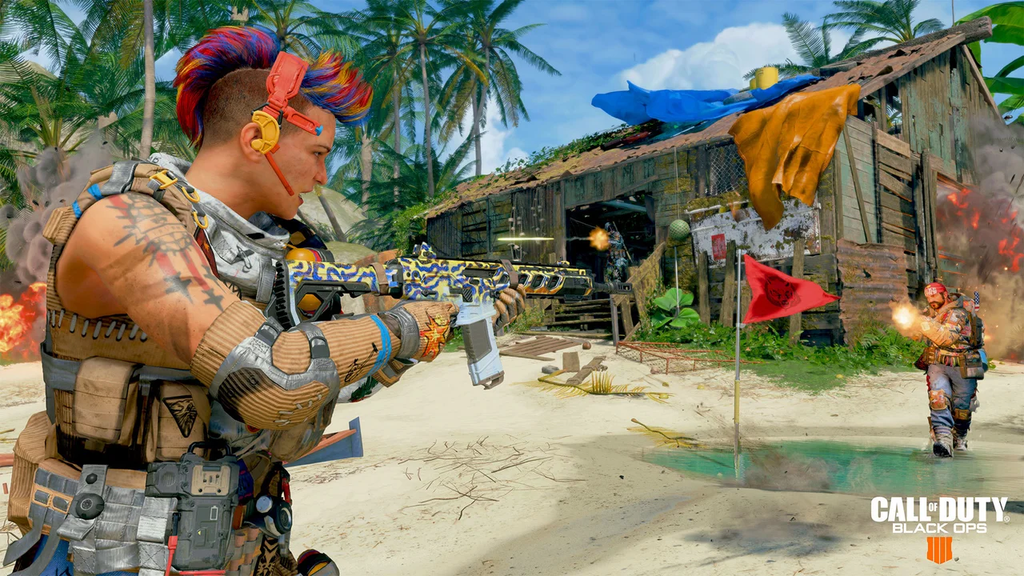
Blackout was the first attempt to bring the Call of Duty formula into the Battle Royale genre. Players landed on a large map, collected weapons and equipment, and fought for survival as the playable area gradually shrank.
One of the mode’s defining features was the way Treyarch turned it into something of an encyclopedia of Black Ops. Familiar characters, weapons, and locations from previous games in the series appeared together on a single map.
Players could also move around using more than just their feet. Blackout featured land, water, and air vehicles, adding considerably more variety to battles.
At the time, Blackout was also the largest mode in Call of Duty history.
Another key component of Black Ops 4 was Zombies, a traditional Treyarch game mode.
This time, however, the developers immediately focused on several large-scale story adventures. At launch, players received three maps: IX, Voyage of Despair, and Blood of the Dead.
The first transported players to an arena in Ancient Rome, the second took them aboard a luxurious ocean liner, while the third was connected to the famous Mob of the Dead map from Black Ops II.
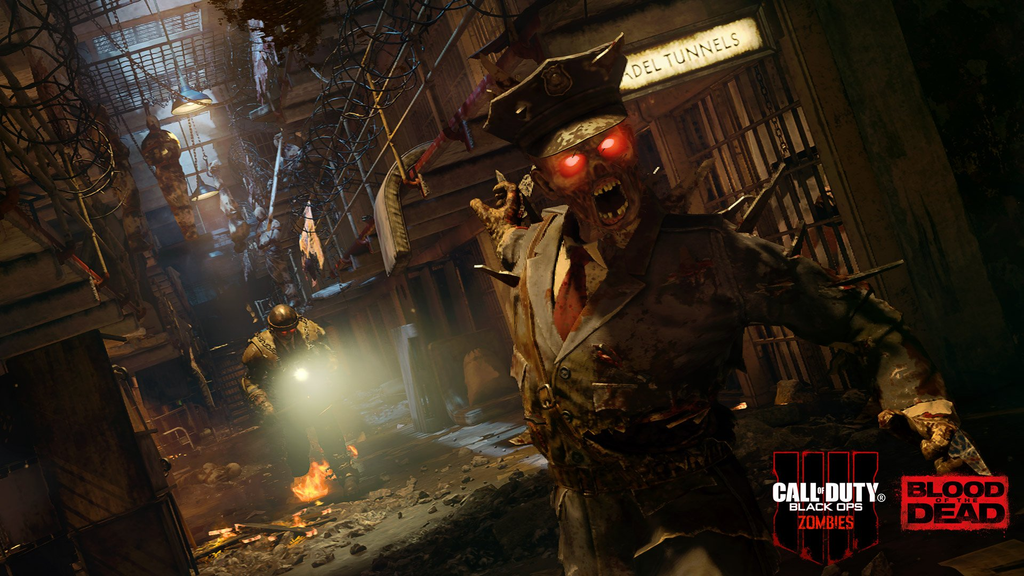
Zombies continued everything Treyarch fans loved about the mode: complex Easter eggs, hidden story details, a huge variety of weapons, and the need to work together with teammates.
The mode later received additional content, continuing the expansive story of the Black Ops universe.
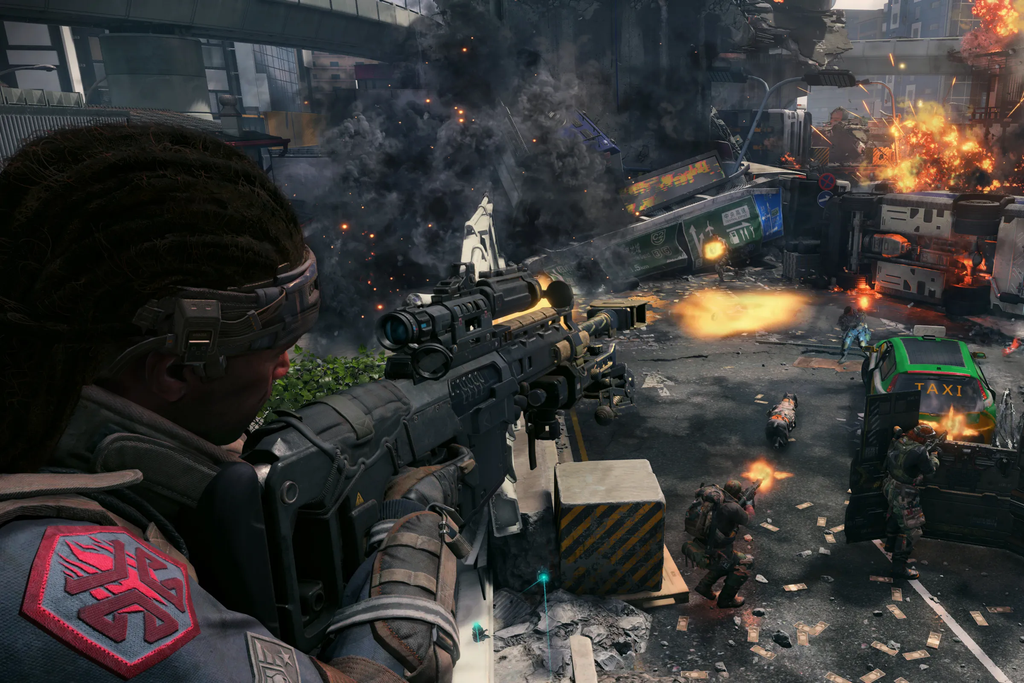
The traditional Multiplayer mode also received major changes.
Treyarch placed greater emphasis on Specialist roles and team interaction. Characters received unique abilities and equipment, forcing players to consider not only their individual shooting skills but also the capabilities of their teammates.
At the same time, the developers returned to a more grounded shooting experience following the futuristic Black Ops III.
The game no longer featured the wall-running and double-jump systems that had been central to its predecessor. Black Ops 4 brought movement closer to the classic Call of Duty formula while still retaining its own Specialist mechanics.
Despite the huge amount of controversy surrounding the lack of a campaign, Black Ops 4 had a very strong launch.
According to Activision, the game set a company record for first-day digital sales at the time of its release. It surpassed the previous record held by Call of Duty: WWII, while digital sales of the PC version on launch day were more than twice those of the previous installment.
Black Ops 4 also became the first mainline Call of Duty game to launch on PC through Battle.net instead of Steam.
This demonstrated how seriously Activision was taking its own ecosystem for PC players.
Today, Black Ops 4 is often remembered as one of the most experimental Call of Duty installments.
Treyarch effectively abandoned one of the franchise’s fundamental elements and replaced it with three different directions: large-scale Multiplayer, traditional Zombies, and Blackout.
Blackout was particularly important. It demonstrated that Call of Duty could work in a Battle Royale format, and Treyarch’s experience became part of the franchise’s subsequent development.
In the following years, Activision continued developing this direction through Call of Duty: Warzone, which turned Battle Royale into one of the defining elements of modern Call of Duty.
Black Ops 4 was not a perfect game, but its importance to the series is difficult to deny. It was a moment when Treyarch took the risk of abandoning a proven formula and attempted to figure out what Call of Duty should look like in a new era of online shooters.
On October 12, 2018, a game was released that showed that even one of the world’s most conservative FPS franchises could afford to completely change its own rules.
As a reminder, Indiana Jones' Greatest Adventures: how the legendary archaeologist conquered the world of 16-bit video games.


