On November 9, 2010, Call of Duty: Black Ops was released on Xbox 360, PlayStation 3, PC, and Wii — the seventh main game in the Call of Duty series and one of the most famous projects by Treyarch. Unlike previous installments, which mainly told stories about open military conflicts, Black Ops transported players into a world of covert operations, espionage, and political intrigue during the Cold War.
After the success of Call of Duty: World at War, Treyarch was given the opportunity to continue working on its own branch of the series. The developers decided not to return to the classic history of World War II, but instead create a story that would allow them to explore another period of military history.

The choice fell on the Cold War. This period gave the team much more room for experimentation: covert operations, intelligence agencies, political assassinations, the struggle between the United States and the USSR, and conflicts that the public often knew nothing about.
The main protagonist was Alex Mason, an American operative who takes part in secret missions in different parts of the world. Alongside him, the story features Frank Woods, Jason Hudson, and other characters, while the narrative gradually begins to play with Mason’s own memories.
The story of Black Ops begins with Mason being held captive and interrogated. He is forced to recall events from his past, while mysterious numbers become one of the central elements of the story.
The player gradually moves between different events of the Cold War — from operations in Vietnam to secret missions in the USSR, Cuba, and other countries. Real historical figures appear among the characters, while fictional events intertwine with real historical context.
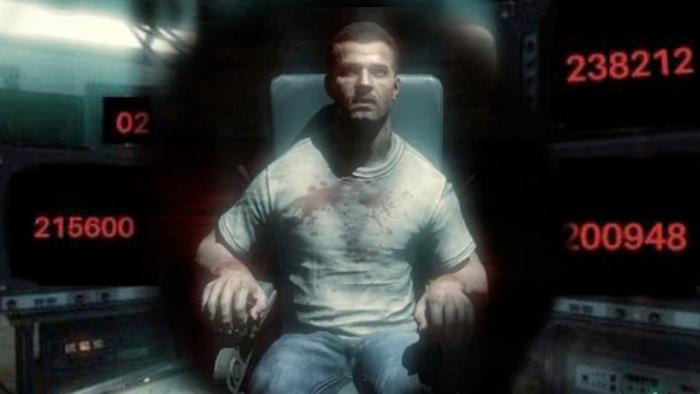
One of the game’s distinctive features was that it did not simply tell its story through cutscenes. Black Ops constantly made players question what they were seeing and hearing. Mason’s memories could be incomplete or distorted, while some details only became clear closer to the finale.
This approach helped Black Ops stand out among other Call of Duty games. Treyarch focused not only on large-scale firefights, but also on the psychological side of the story.
Another important part of Black Ops was its multiplayer. Treyarch expanded the customization system and added the in-game currency COD Points, which could be used to unlock weapons, attachments, perks, and other equipment elements.
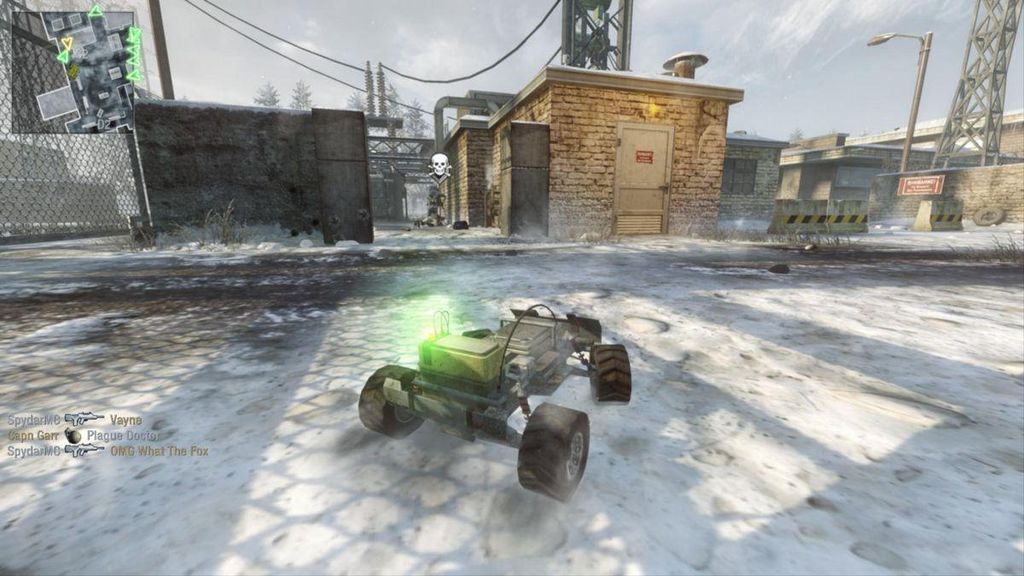
One of the main innovations was Wager Matches — special modes in which players could compete for in-game currency. Black Ops also introduced Combat Training, which allowed players to practice against bots, and Theater Mode for recording and watching matches.
The game also continued to develop the Killstreak system. New options included the controllable RC-XD, Napalm Strike, and controllable helicopters.
This made Black Ops multiplayer one of the most feature-rich modes in the series at the time.
Black Ops became a huge commercial success from the first days after its release. During its first five days, the game generated more than $650 million, setting a record at the time for global five-day sales among entertainment products.
By December 21, 2010, sales had surpassed $1 billion, while players had spent more than 600 million hours in multiplayer.
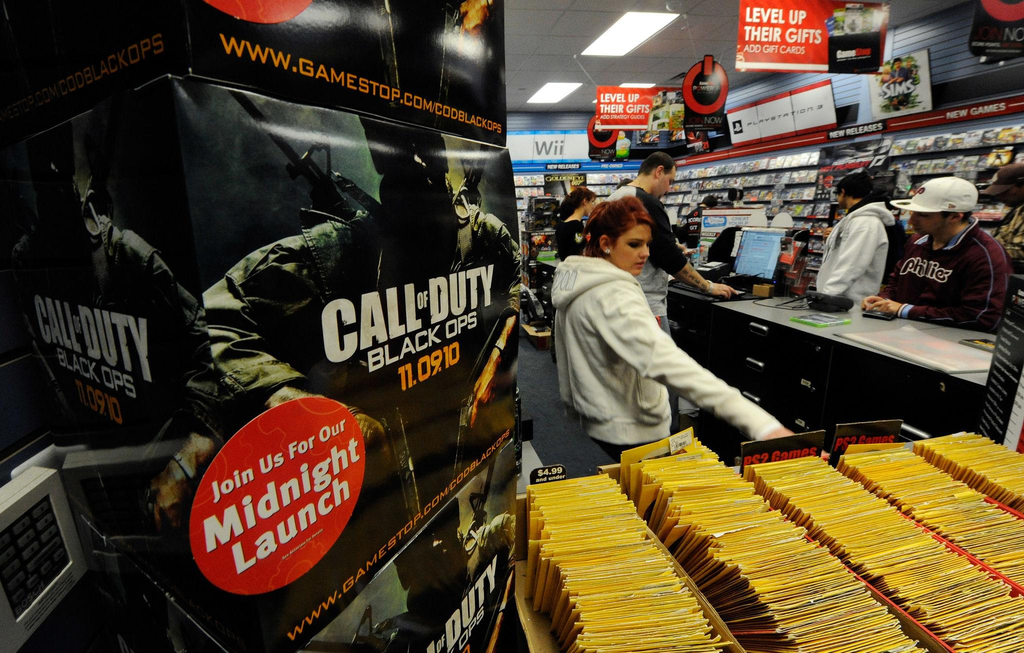
In 2010, Black Ops became the best-selling game overall in North America and Europe according to NPD, Chart-Track, and GfK.
The scale of interest in the game was also enormous on launch day: Microsoft reported more than 2.6 million unique players on Xbox Live on November 9 alone, as well as more than 5.9 million hours of multiplayer played that day.
Another distinctive feature of Black Ops was the Zombies mode, which Treyarch had already developed in World at War. In the new game, it received significantly more content and became an important part of the Call of Duty experience.
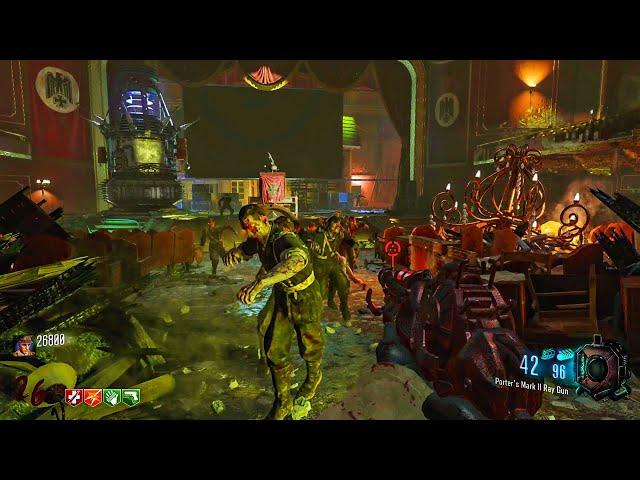
The success of Black Ops naturally led to a sequel. In 2012, Call of Duty: Black Ops II was released, taking the series further into the future — to 2025 — while continuing the story of the original game.
The sub-series later received several more installments: Black Ops III, Black Ops 4, Black Ops Cold War, and other projects that expanded individual elements of this universe. Black Ops itself remained one of the franchise’s key installments.
Call of Duty: Black Ops became an important milestone in the history of the series. Treyarch proved that Call of Duty could work not only as a military blockbuster featuring large-scale battles, but also as a more complex espionage story with an unreliable narrator, psychological themes, and real historical events in the background.
The game also established several features that later became an important part of Call of Duty: a deeper approach to multiplayer, expanded customization, Combat Training, Theater Mode, and the development of Zombies.
Years after its release, Black Ops remains one of the most recognizable Call of Duty games, while its story about Alex Mason, Woods, and the mysterious numbers has become one of the most famous narratives in the franchise.
On November 9, 2010, Call of Duty: Black Ops did not simply continue the series — it showed just how far Call of Duty could move away from the classic formula of a military shooter.
As a reminder, Death Stranding — the story of the game that became a new chapter for Hideo Kojima.


