On November 16, 2006, Castlevania: Portrait of Ruin was released in Japan on Nintendo DS — one of the most notable entries in the classic Konami series, which continued the development of the Metroidvania formula and offered an unusual approach for Castlevania with two main characters. In North America, the game was released on December 5, 2006, and in Europe on March 9, 2007.
The events of Portrait of Ruin take place in 1944, against the backdrop of World War II. The world is engulfed in chaos, while the enormous number of deaths and human suffering becomes a kind of catalyst for the return of Dracula’s castle. This time, it appears not simply as another vampire’s fortress, but as the center of a much more complex story.
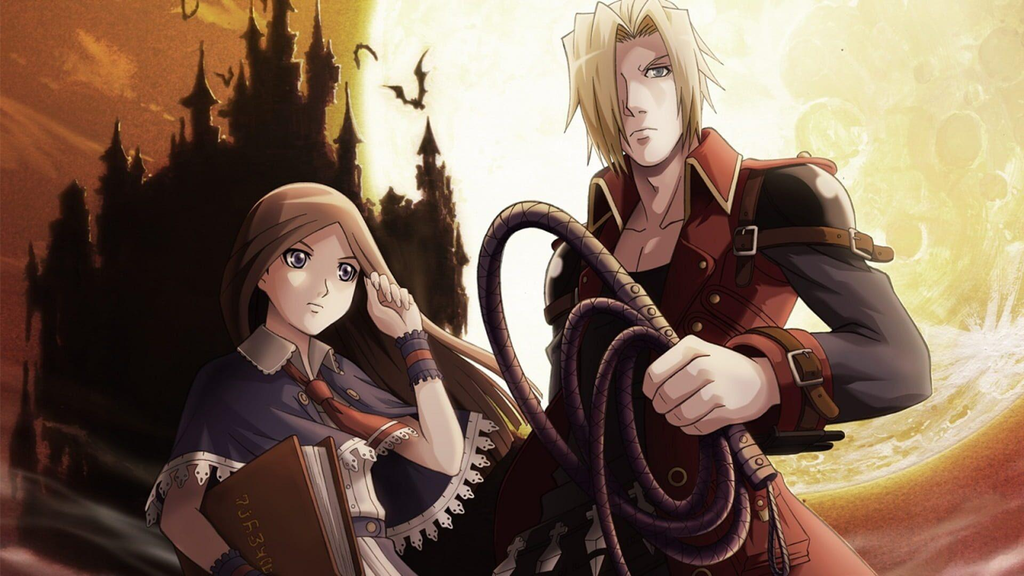
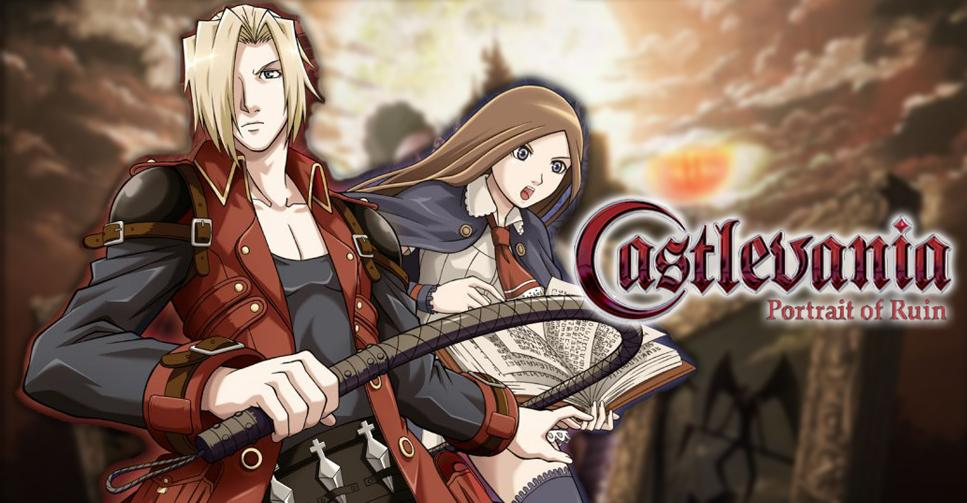
The main characters are Jonathan Morris and Charlotte Aulin. Jonathan is a young vampire hunter who uses the legendary Vampire Killer whip. Charlotte, on the other hand, specializes in magic and spells. The player can switch between them directly during gameplay, using each character’s strengths.
Jonathan is a descendant of the Morris family, which had already been connected to the series’ history. The game continues the storyline of Castlevania: Bloodlines, and its events became part of the broader history of the Castlevania universe.
One of the main features of Portrait of Ruin was its two-character system. Unlike previous games, where the player primarily controlled a single hero, here Jonathan and Charlotte effectively became a team.
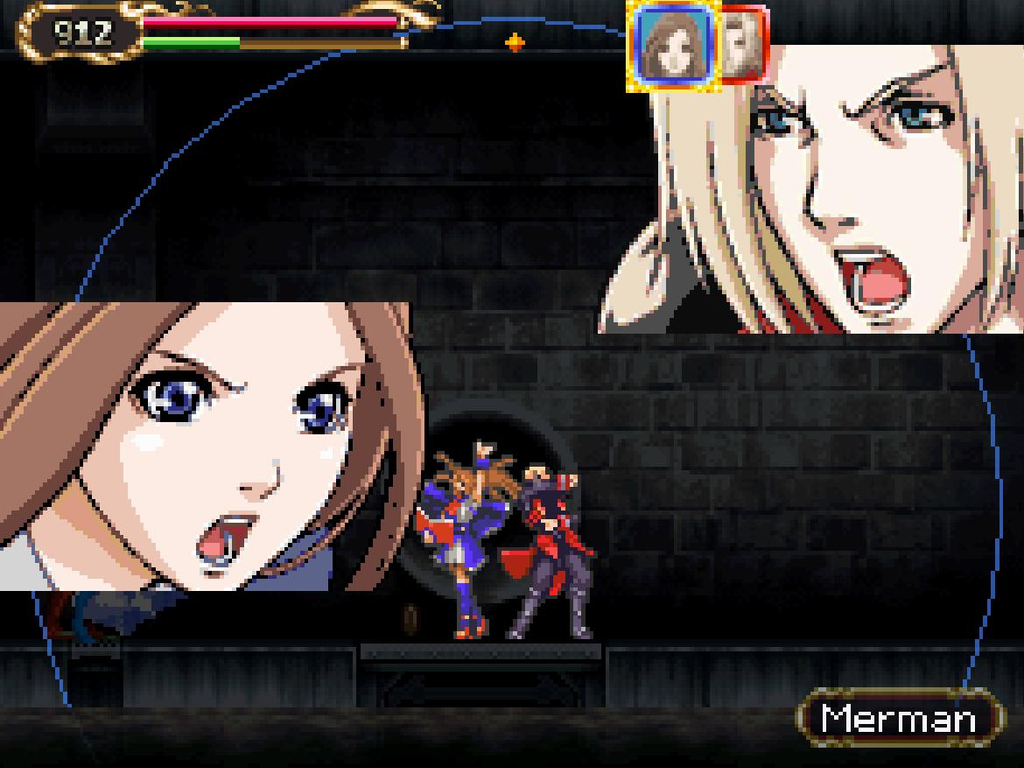
At the right moment, the player could switch to the other character and use their abilities. Jonathan relied on physical attacks and various weapons, while Charlotte used magic. Both heroes could also acquire new abilities, weapons, and equipment.
This system worked not only during regular battles. Some situations required the use of specific abilities, while during certain fights the characters could act together. This made the two-character mechanic one of the main ways to diversify the traditional Castlevania formula.
The developers did not limit themselves to one enormous castle. It became a kind of central hub from which the heroes could travel to other worlds through magical paintings.
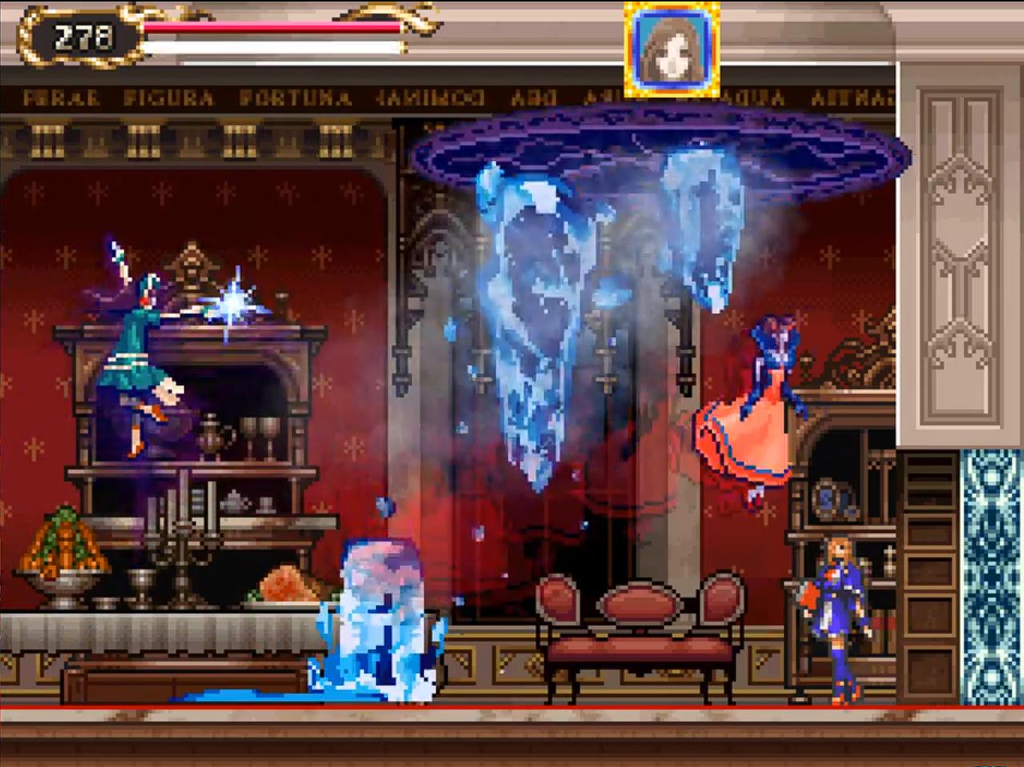
These portals became the foundation of the game’s structure. Through the paintings, Jonathan and Charlotte could travel to different locations, each with its own design, enemies, and atmosphere.
This approach allowed the developers to move away from the traditional structure of “castle — next room — next boss.” The castle remained the central part of the adventure, but the paintings opened up what were essentially separate worlds to the player.
Portrait of Ruin was released after Castlevania: Dawn of Sorrow, which was also developed for Nintendo DS. However, the new game did not attempt to radically change the foundation of the series.
At its core remained the exploration of a large interconnected world, battles with enemies, and the search for new equipment, abilities, and secrets. This is why the game was often viewed as a continuation of the Castlevania formula that players had come to love after Symphony of the Night.
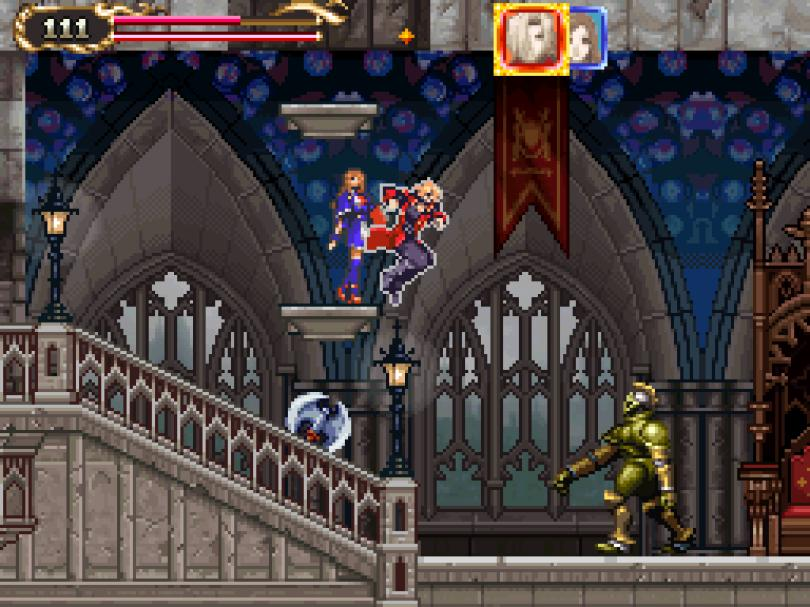
At the same time, Konami emphasized the new character system and attempted to make better use of the Nintendo DS’s capabilities without relying too heavily on the touch screen. Compared with Dawn of Sorrow, the game relied much less on touch-based mechanics.
Another important innovation was multiplayer. Portrait of Ruin became the first Castlevania game with a cooperative mode, allowing two players to interact through the capabilities of Nintendo DS. This was an unusual step for a series that had traditionally been built around single-player gameplay.
Thus, the concept of two heroes developed not only in the main campaign. The game effectively demonstrated that the classic Castlevania formula could be adapted for cooperative play without abandoning the series’ core principles.
Portrait of Ruin received generally positive reviews. Critics praised the amount of content, atmosphere, level design, combat system, and how well the game preserved the familiar Castlevania style.
Nintendo World Report gave the game 9/10, specifically highlighting the two-character system as one of the main changes compared with previous entries.
On Metacritic, the game received mostly positive critic scores, including 90 from Nintendo Power, 85 from GameTrailers, and 83 from GameSpot. At the same time, some reviewers felt that the series’ core formula had not changed enough.
IGN rated the game 8.9/10, calling it one of the best Castlevania experiences, despite the fact that it did not make as strong an impression as Dawn of Sorrow.
Portrait of Ruin became an important part of the period when Castlevania was actively developing its Metroidvania formula on handheld consoles. It combined traditional exploration, RPG elements, and challenging battles with a new two-character mechanic.
The game also showed that even after many years of the series’ existence, developers could change its familiar formula without completely abandoning its foundations. World War II, magical paintings, two controllable characters, and cooperative gameplay became separate elements that distinguished Portrait of Ruin from other entries.
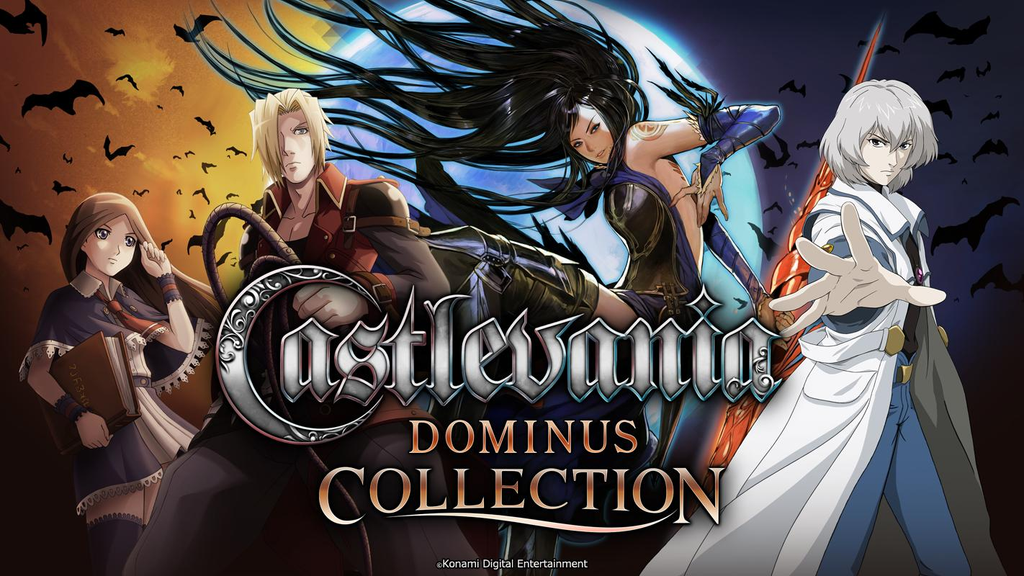
The game later received a new life as part of Castlevania Dominus Collection, a compilation released in 2024 on modern platforms.
Today, Castlevania: Portrait of Ruin remains one of the most unusual entries from the classic era of the series. It did not attempt to completely rebuild Castlevania, but instead took its familiar formula and added two heroes, separate worlds within paintings, and the ability to experience the adventure together.
That is what made it not simply another Castlevania game for Nintendo DS, but a title that demonstrated just how far the traditional formula of the series could be expanded without losing its character.
As a reminder, Need for Speed: Most Wanted — 21 years of the legendary police racing game.


