Need for Speed: Most Wanted launched in North America on November 15, 2005. Developed by EA Black Box, it brought together street racing, an open world, and intense police pursuits to become one of the series’ most memorable entries.
In the early 2000s, Need for Speed enjoyed a period of success. Underground (2003) embraced street-racing culture, while Underground 2 (2004) expanded the formula with an open city. EA Black Box combined tuning and street racing with police pursuits from earlier entries. The result was Most Wanted, featuring daylight racing, autumn colors, and a distinctive atmosphere.
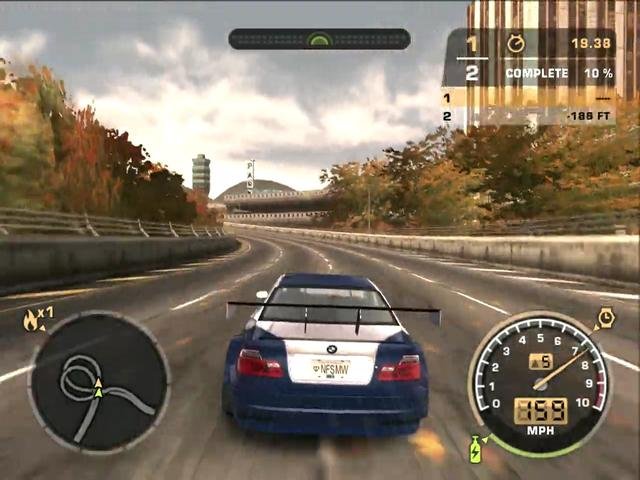
Bringing police pursuits back changed more than a single feature: it reshaped the rhythm of the entire game. Races and free roaming now carried the possibility of a chase, making Rockport feel less predictable.
The team also moved away from Underground’s constant nighttime setting. Daylight, autumn foliage, and strong shadows gave Rockport a distinctive appearance while keeping roads and obstacles readable at high speed.
The game takes place in the fictional city of Rockport, divided into Rosewood, Camden Beach, and Downtown Rockport. Its streets, industrial areas, and highways serve both as racecourses and escape routes. Pursuit Breakers let drivers bring structures crashing down on pursuing police cars.
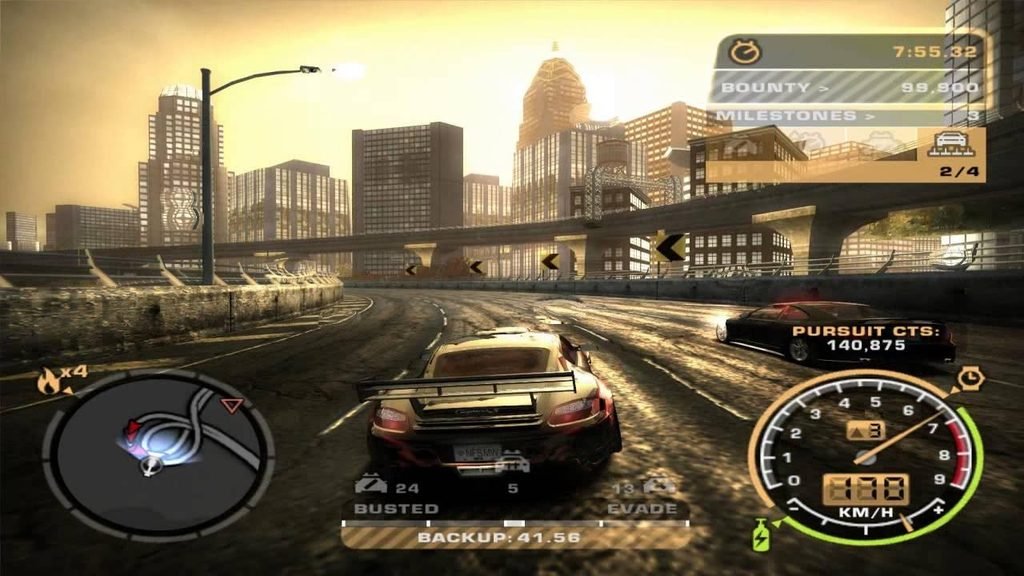
Rosewood introduced the player to suburban roads early in the career. Camden Beach and Downtown Rockport opened later, bringing denser routes and more demanding escapes.
Pursuit Breakers gave players a tactical way to lose police cars by collapsing parts of the environment. Knowing where to turn could matter as much as having a powerful engine.
The protagonist arrives in Rockport driving a BMW M3 GTR. Following sabotage during a race, Razor takes the car and rises to the top of the Blacklist. Players must defeat 15 rivals, complete races, and meet pursuit milestones to reclaim the BMW.
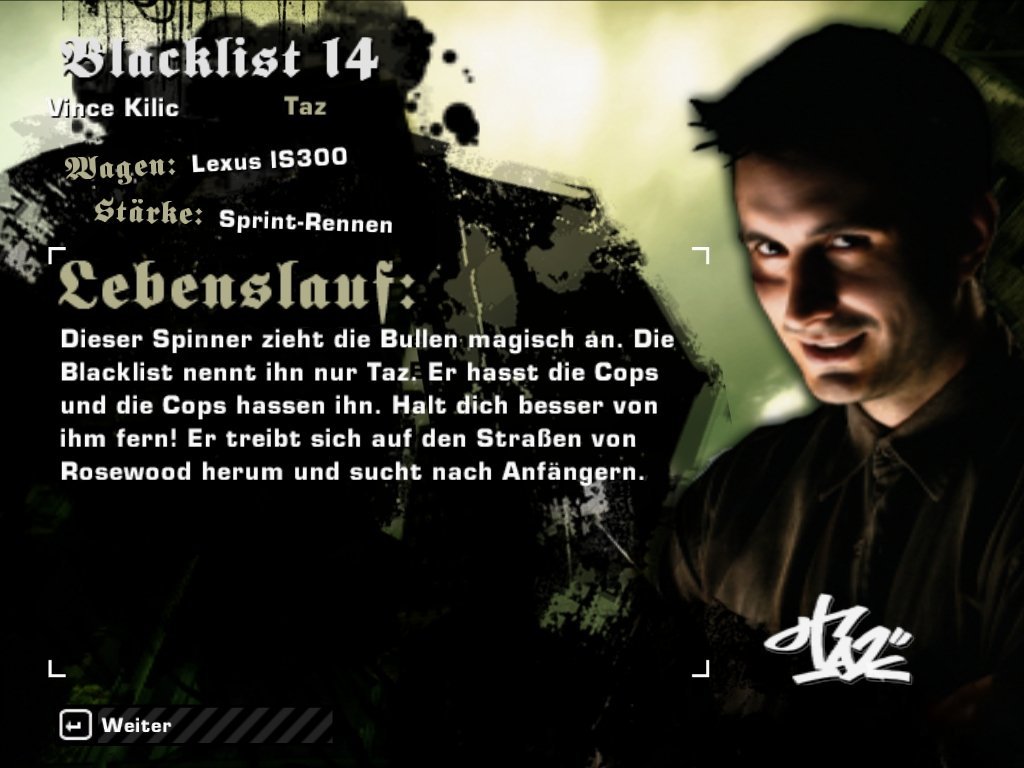
After losing the BMW, the protagonist has to rebuild a reputation with a more modest car. Mia Townsend offers help, while Sergeant Cross represents the police effort to stop illegal racing.
Each Blacklist rival has a signature car and specific requirements before a challenge becomes available. Winning also unlocks reward markers, including a chance to claim a rival’s vehicle.
Police pursuits define Most Wanted. As the heat level rises, officers deploy faster cars, roadblocks, spike strips, SUVs, and helicopters. Career progression requires accumulating Bounty, while repeated arrests can result in vehicle impoundment.
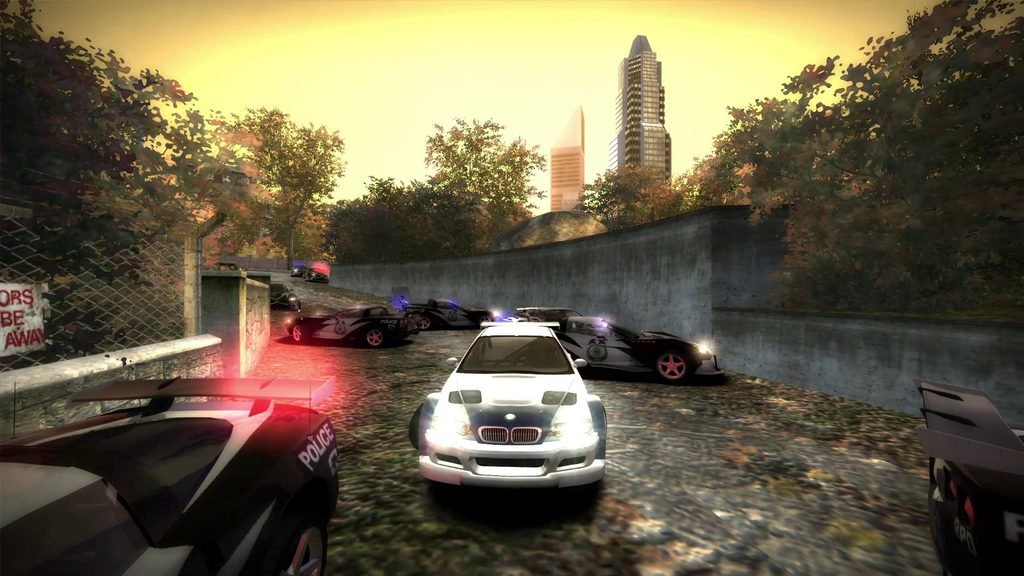
As Heat increased, police tactics escalated from patrol cars to roadblocks, spike strips, faster interceptors, and helicopters. Pursuits demanded both driving skill and a sense of timing.
Breaking line of sight was only the first step: players still needed to evade the search until the cooldown ended. Repeated arrests could result in losing a car, raising the stakes.
The garage ranges from the Volkswagen Golf GTI to the Porsche Carrera GT and Lamborghini Murciélago. Players can improve performance and appearance. Songs by Styles of Beyond, Disturbed, Bullet for My Valentine, and Avenged Sevenfold helped define the game’s identity.
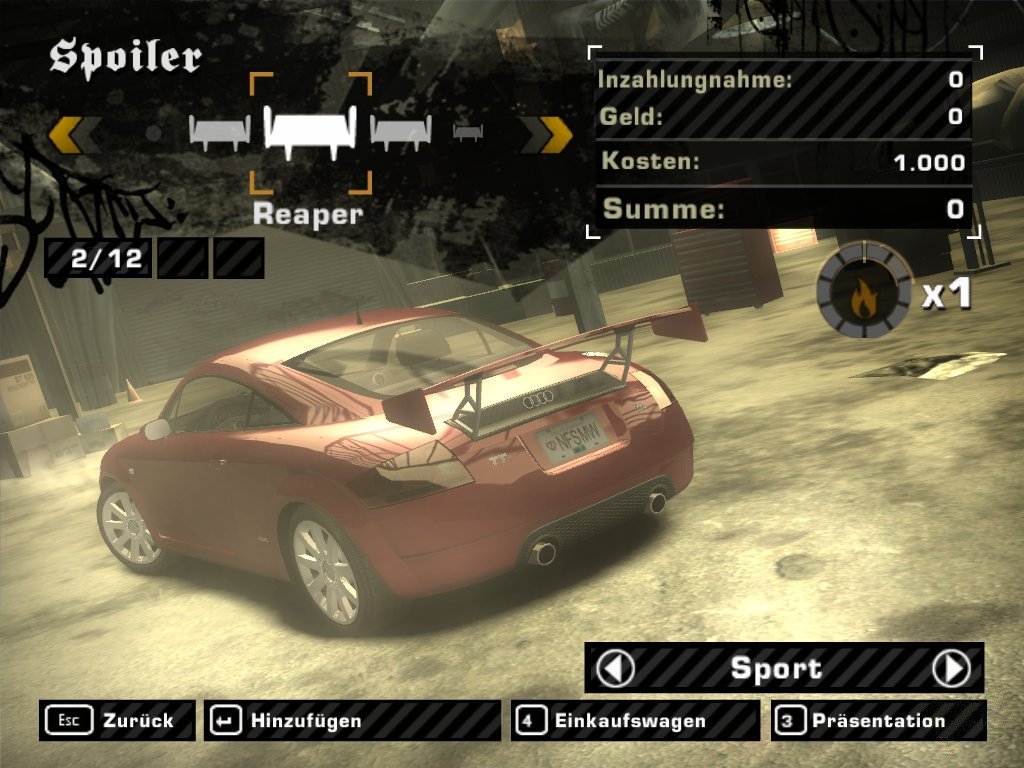
The garage grew from practical hatchbacks to exotic supercars. Raw top speed was not everything; acceleration and handling mattered on Rockport’s winding streets.
The soundtrack mixed rock, metal, hip-hop, and electronic music. Many fans still associate its songs as strongly with Most Wanted as they do the sound of the BMW M3 GTR.
To celebrate the franchise’s tenth anniversary, Electronic Arts released Black Edition, featuring additional vehicles, challenges, and behind-the-scenes bonus material.
Black Edition offered additional challenges and bonus material for long-time fans. It also highlighted the release as part of the franchise’s tenth-anniversary celebration.
The central storyline involving Razor, the Blacklist, and the stolen BMW remained the same. The special edition expanded the experience rather than replacing it.
Critics praised the return of police pursuits, energetic gameplay, and career structure. Some criticized repetitive objectives and less extensive visual customization than Underground 2. Nevertheless, Most Wanted became one of the franchise’s standout commercial successes.
Reviewers often praised the intensity of police chases and the variety they added to racing. The career had a clear objective, with new districts and cars steadily becoming available.
Some design choices divided opinion. Certain challenges were repetitive, and visual customization was less extensive than in Underground 2. Yet the combination of arcade handling and pursuit systems proved memorable.
The blue-and-silver BMW M3 GTR became the symbol of Most Wanted. Its design was inspired by a real V8-powered BMW race car. In 2024, BMW displayed a real M3 GTR wearing a livery inspired by the game.
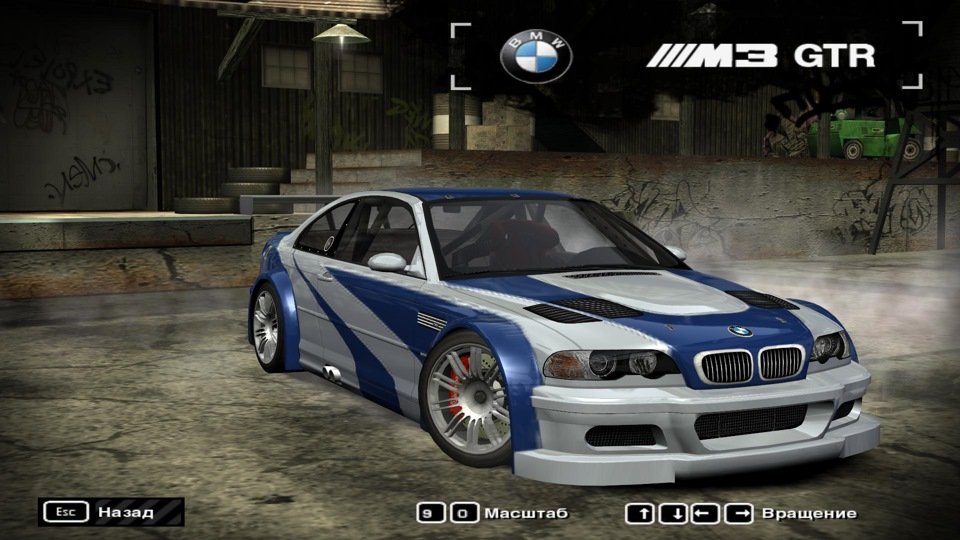
In the story, the BMW M3 GTR is not merely a starting vehicle; it motivates the entire career. Losing it sets the plot in motion, and reclaiming it becomes the ultimate reward.
Its silver-and-blue livery and distinctive engine sound made it instantly recognizable. In 2024, BMW even displayed a real car wearing a livery inspired by the game.
Need for Speed: Carbon (2006) continued the protagonist’s story. Criterion Games released another title called Most Wanted in 2012, but it was not a direct remake of the Rockport storyline. The iconic BMW later appeared in other Need for Speed games.
Need for Speed: Carbon continued the storyline in 2006, shifting toward crew-based racing and nighttime canyon runs. It retained links to Most Wanted while building a different atmosphere.
Criterion Games released another Most Wanted in 2012, but it was a new interpretation rather than a direct remake of Rockport’s story. Later appearances of the BMW M3 GTR reinforced its place in the series.
Twenty-one years later, Most Wanted remains a defining arcade racer of the 2000s. Its simple objective—recover the BMW and conquer the Blacklist—combined with unpredictable police pursuits created a memorable experience. For many players, Rockport, Razor, and the soundtrack still evoke an entire gaming era.
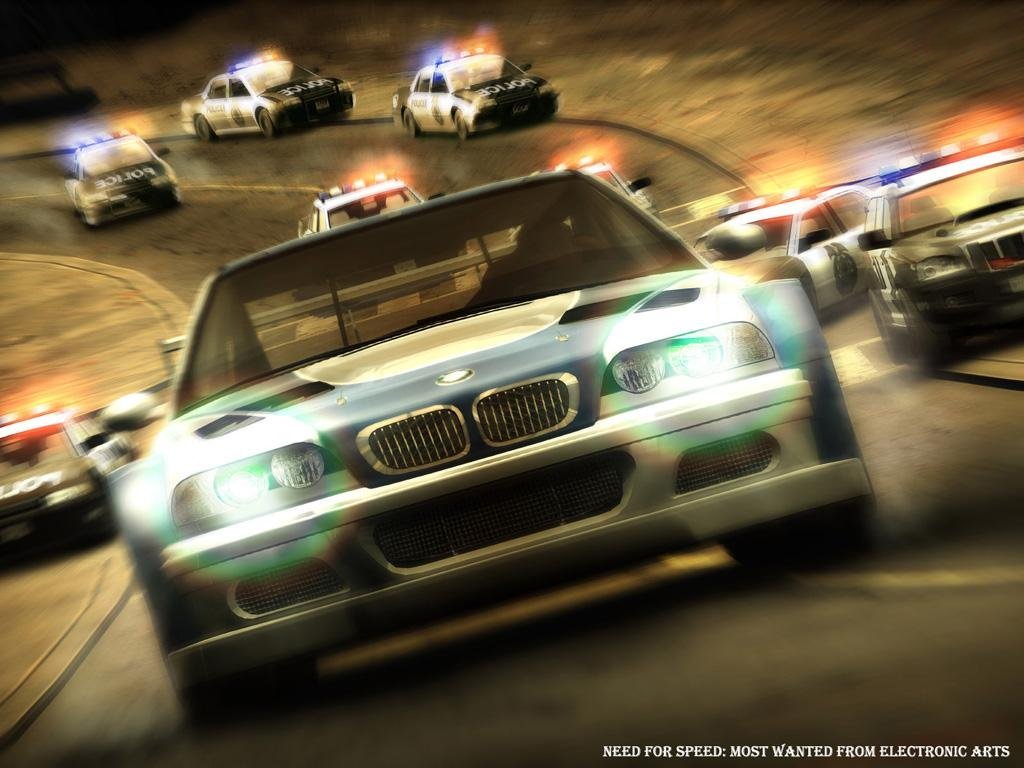
Much of the game’s lasting appeal comes from its straightforward goal. Players start near the bottom, defeat rivals one by one, and move closer to reclaiming their car.
More than two decades later, Rockport represents more than nostalgia. The career’s pacing, dramatic chases, and visual identity show how a racing game can develop a personality of its own.
As a reminder, Fallout 76 — The Story of the Game That Survived One of Bethesda's Most Difficult Launches


