On November 14, 2018, Fallout 76 was released on PC, PlayStation 4, and Xbox One — an unusual role-playing game from Bethesda Game Studios that brought the post-apocalyptic world of Fallout into the format of a large-scale online game for the first time. The project became a prequel to the entire series and told the story of events taking place just 25 years after the nuclear war.
Before Fallout 76, Bethesda already had extensive experience creating open worlds thanks to The Elder Scrolls V: Skyrim and Fallout 4, but the new game required a completely different approach. The developers wanted to combine the traditional Fallout structure with survival game mechanics and a persistent online world where other characters were not NPCs, but real players.
The project was officially unveiled at E3 2018. Bethesda described Fallout 76 as an “online prequel” set in 2102. It was then that the inhabitants of Vault 76 emerged after decades of isolation and began exploring America, devastated by the Great War.
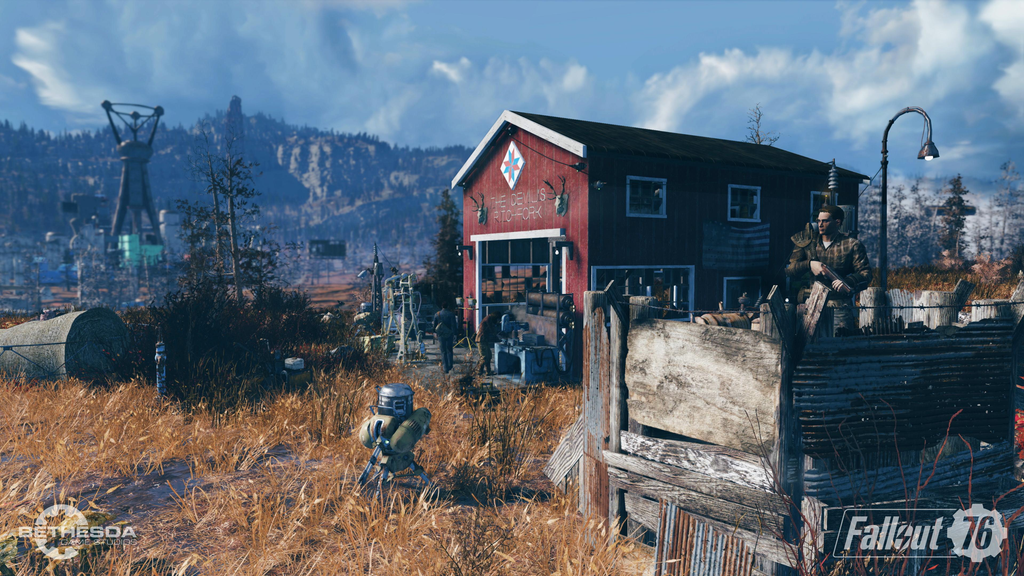
The setting was Appalachia, and the map included six different regions of West Virginia — from forests to dangerous contaminated areas. Players could explore the world on their own or team up with other people.
One of the main new features was the C.A.M.P. system — Construction and Assembly Mobile Platform. It allowed players to build their own base practically anywhere in the world, furnish their homes, store items, and trade with other players.
Another important part of Fallout 76 was nuclear missiles. Players could gain access to the relevant facilities, launch missiles, and create dangerous areas containing rare resources. In this way, Bethesda sought to make the game world dynamic and capable of changing through the actions of its inhabitants.
At launch, Fallout 76 took another radical step — almost completely abandoning traditional human NPCs. Players had to piece together the world's story through records, terminals, holotapes, locations, and traces left behind by those who had lived in Appalachia before them.
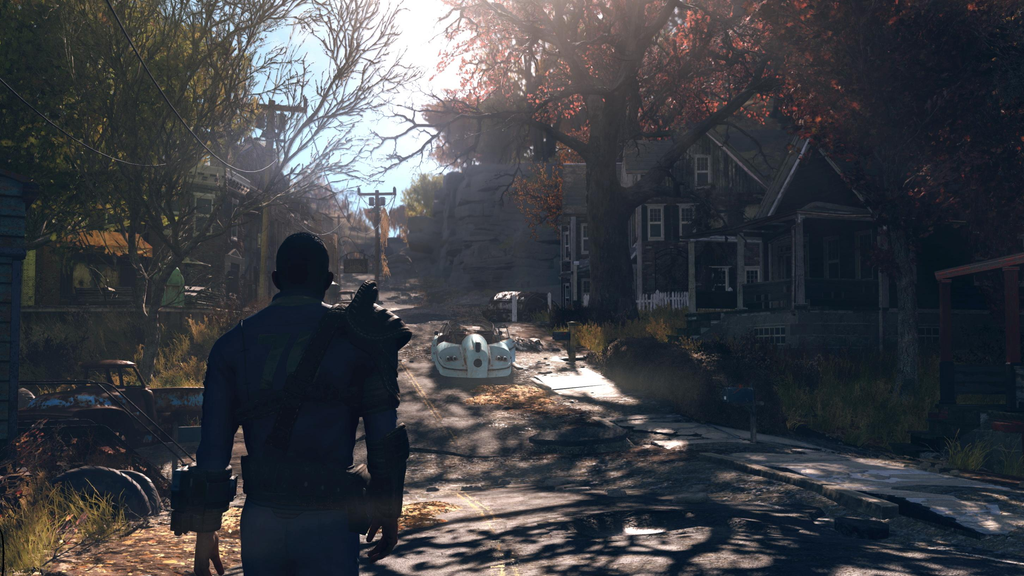
This matched Bethesda's vision: Fallout 76 was supposed to be a story about the first people returning to the world after the nuclear war, rather than another story about an already established post-apocalyptic society.
However, this approach did not appeal to everyone. Some players expected the familiar dialogues, characters, and story interactions from Fallout, while the absence of living NPCs became one of the game's most discussed features.
Fallout 76 was released on November 14, 2018, but the launch was quickly accompanied by criticism. The game had technical problems, bugs, server instability, and other issues. Even the size of the first major patch became a topic of discussion — it was enormous compared with the size of the game itself.
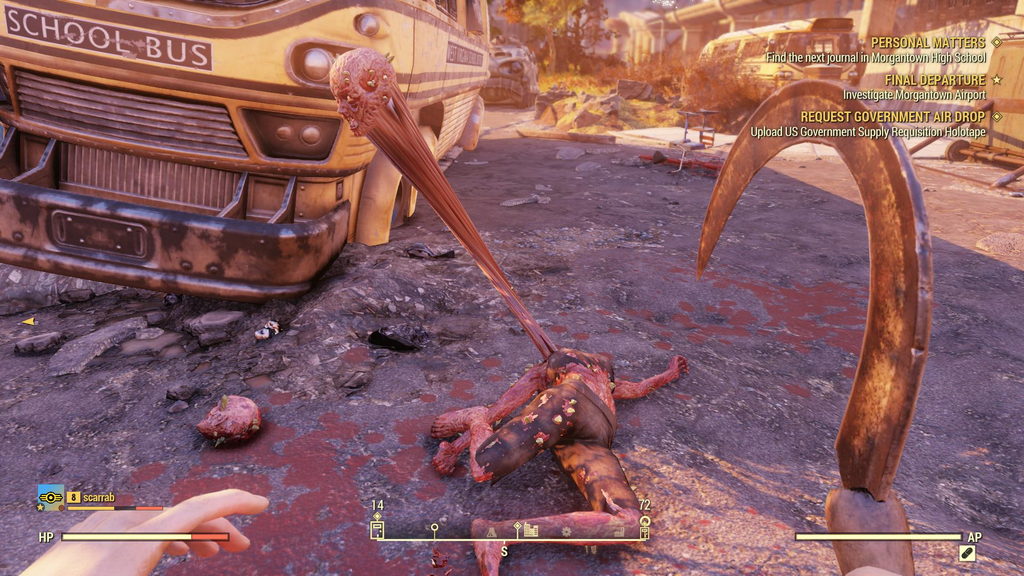
Bethesda, for its part, immediately stated that the release would only be the beginning of the project's long-term development. The company planned to improve C.A.M.P., add new quests and events, introduce new Vaults, develop the character system, and change PvP.
However, at launch, Fallout 76 received a much colder reception than Bethesda's previous major games. For the company, this became a serious challenge, as Fallout 76 was effectively an experiment with a persistent online game model that was new to the studio.
One of the most important moments in the history of Fallout 76 was the Wastelanders update, which was released on April 14, 2020. It added a full storyline, human NPCs, dialogue, factions, new characters, weapons, armor, enemies, and other features to the game for free.
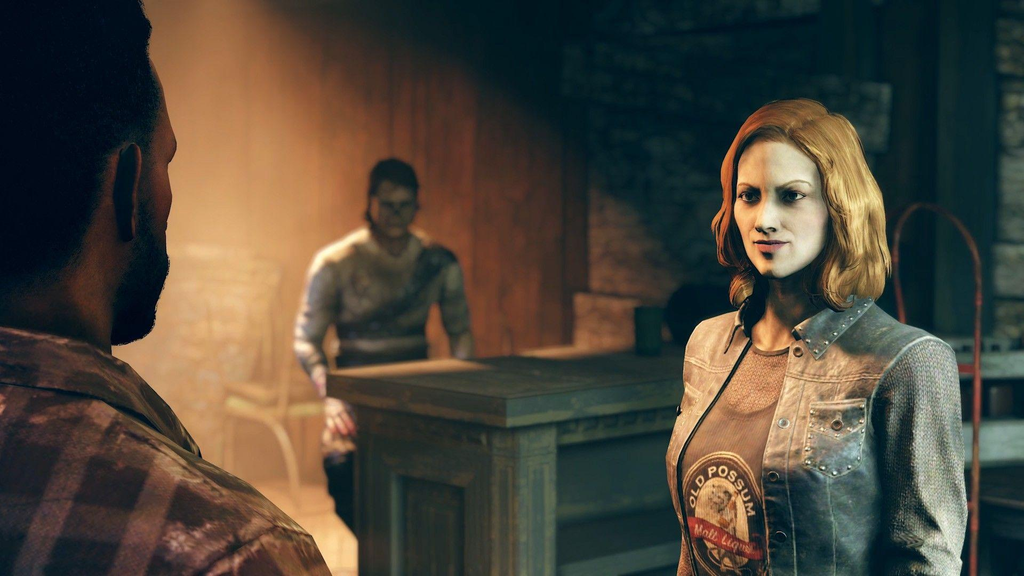
Bethesda effectively reconsidered one of the key principles of the original Fallout 76. While the first players explored an Appalachia that was almost empty of people, after Wastelanders the world gradually began to become populated.
Two major groups appeared in the game — the Settlers and the Raiders. Players could interact with them, complete story missions, increase their reputation, and make decisions during their playthrough.
Wastelanders effectively became a second launch for Fallout 76. Along with the new content, Bethesda gradually began changing the perception of the game and showing that the project could develop for years.
After Wastelanders, Bethesda continued expanding the game through major free updates. These included the Steel Dawn and Steel Reign storylines, connected to the Brotherhood of Steel, as well as The Pitt expedition, which allowed players to leave the boundaries of Appalachia.
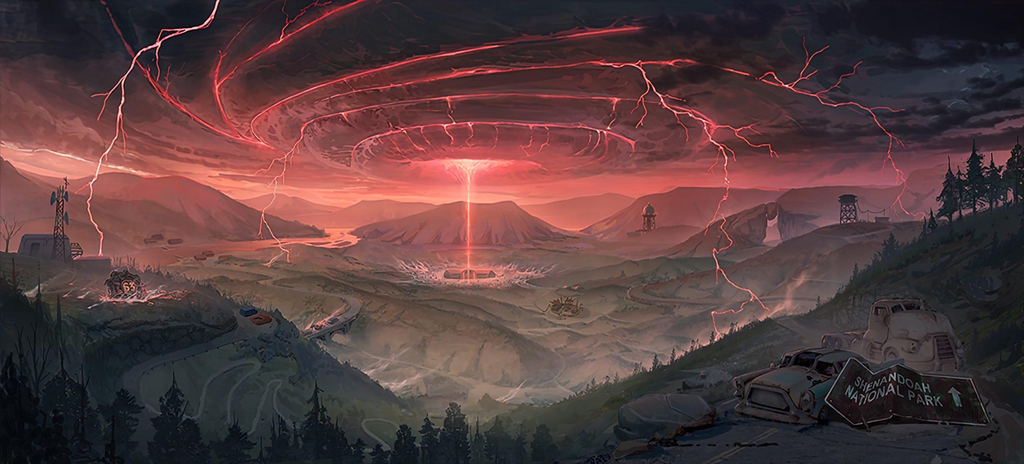
Later, the game received Atlantic City, new expeditions, story content, and other major updates. In 2024, Skyline Valley was released — the first expansion of the Appalachia map, adding a new region, Vault 63, new characters, and a separate storyline.
Thus, Fallout 76 gradually stopped being the same game that was released in 2018. Bethesda spent years changing its structure, adding new content, and taking the community's reaction into account.
The history of Fallout 76 became one of the clearest examples of how dramatically an online game can change after release. In 2018, the project was met with extensive criticism, but Bethesda did not abandon it and continued development.
According to Bethesda itself, by the game's seventh anniversary in November 2025, more than 23 million Vault Dwellers had played Fallout 76. During that time, the game received more than 50 major patches and over 20 large-scale updates.
Today, Fallout 76 remains a distinct part of the Fallout universe. Its main feature is not only its online format, but also the fact that the game itself became an example of a long journey from a troubled launch to a large-scale, long-running project.
On November 14, 2018, Bethesda wanted to show what Fallout could look like as an online world. Years later, Fallout 76 also became a story about how a developer can rebuild a game after a troubled launch and gradually turn it into a large, living world.
As a reminder, Assassin’s Creed — the story of the game that launched one of Ubisoft’s most famous series.


