On October 16, 2012, Chivalry: Medieval Warfare was released on PC — a medieval multiplayer action game from Torn Banner Studios, where players were given swords, axes, bows, and siege weapons instead of guns and grenades.
Today, Chivalry is associated with large-scale battles, castle sieges, and chaotic clashes between dozens of knights. However, the history of the series began long before the standalone game appeared — with a free modification for Half-Life 2.
In 2007, a team of enthusiasts known as Team Chivalry released Age of Chivalry — a total conversion of Half-Life 2 built on the Source engine. Instead of firearms and Valve's science-fiction world, players were transported to a fictional medieval setting.
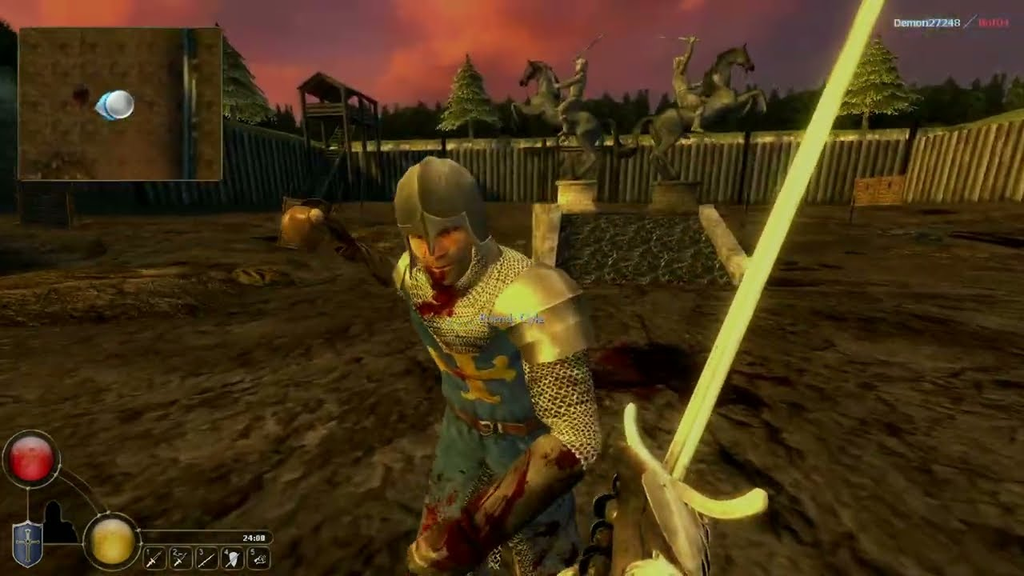
The game was built around team battles between the Agatha Knights and the Mason Order. Players did not simply have to eliminate their opponents: teams captured strategic positions, assaulted fortifications, destroyed gates, and completed other objectives.
The developers paid particular attention to first-person melee combat. Players had to control their attacks and defense, while the correct distance and timing of an attack were often more important than simply pressing a button.
The modification gradually built its own community, and its creators realized that the idea could be developed into a full-fledged commercial game.
Some members of the Age of Chivalry team later formed Torn Banner Studios. For the new game, the developers decided to move away from Source and switch to Unreal Engine 3, using the Unreal Development Kit.
According to Torn Banner representatives, the accessibility of UDK was one of the factors that allowed the young team to move from an amateur modification to a commercial project. Development of Chivalry: Medieval Warfare lasted approximately from 2008 to 2012.
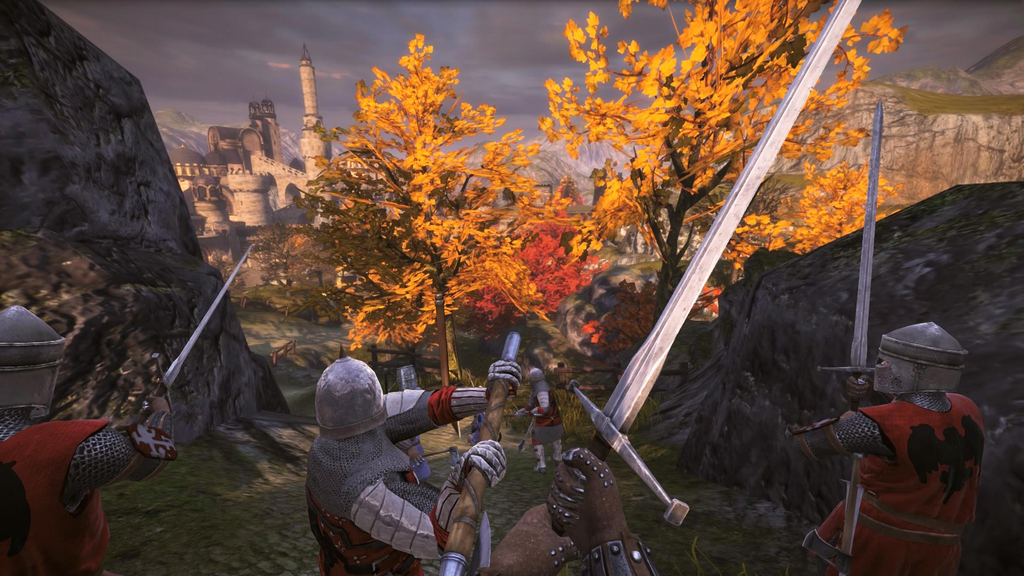
Before release, the studio also turned to Kickstarter. The campaign aimed to raise $50,000, but the developers ultimately received more than $85,000.
On October 16, 2012, Chivalry: Medieval Warfare was officially released on Steam. Torn Banner Studios served as both the developer and publisher.
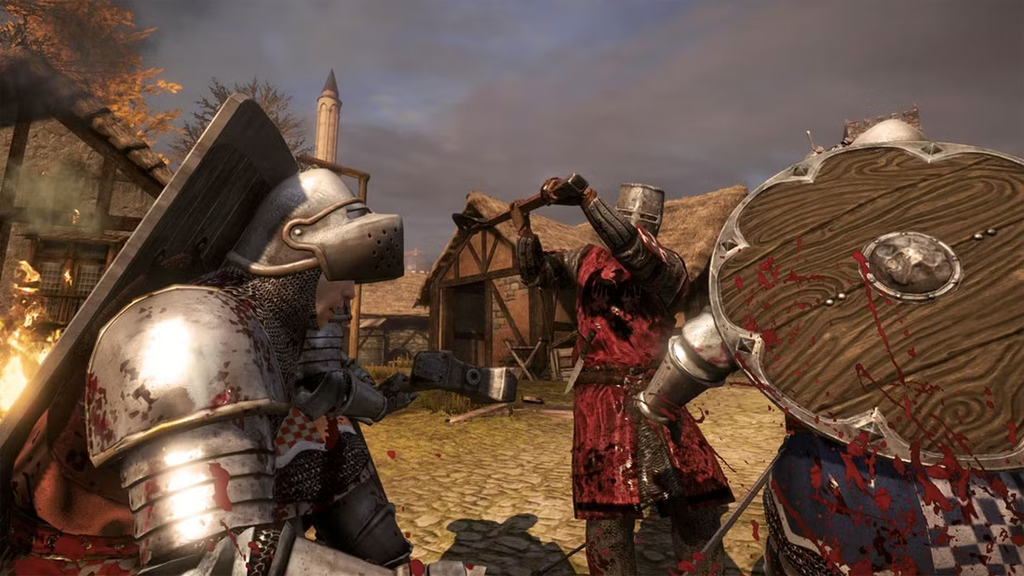
The game offered large-scale multiplayer battles focused on melee combat. Players could participate in castle sieges, attack settlements, and fight on open battlefields.
There were different classes of fighters to choose from, ranging from archers to heavily armored knights. The class determined the available weapons, movement speed, and fighting style.
But the main feature remained the combat system itself. In Chivalry, players had to consider the direction and distance of attacks, block their opponents' strikes, and look for opportunities to counterattack. As a result, duels between two experienced players could be very different from the chaos of a large team battle.
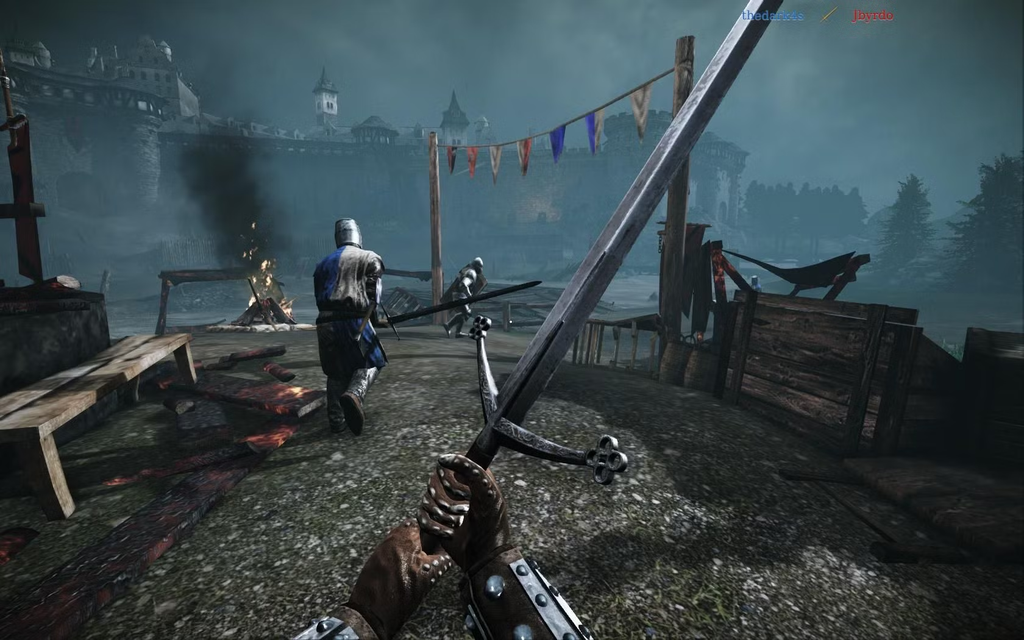
One of the main differences between Chivalry: Medieval Warfare and conventional multiplayer action games was its attack control system. The developers did not want combat to come down to constantly pressing a single button, so the direction of an attack depended on mouse movements.
Players could perform left and right swings, attack from above, or deliver a thrust. Defense also required proper timing — simply holding a block was not enough, as an opponent could change the direction of their attack or wait for the right moment to strike back.
This approach made combat quite unpredictable. Even an experienced knight could lose to a less heavily armed opponent if they misjudged the distance or failed to block an incoming strike.
Because of this, Chivalry gradually became more than just a team-based action game. It became a game where understanding the mechanics of combat directly affected the outcome of a duel.
For Torn Banner, the road to release was just as important as the game itself. In August 2012, the studio launched a Kickstarter campaign with a goal of $50,000.
However, interest in the project turned out to be much greater. Over the course of the campaign, 2,027 people backed Chivalry: Medieval Warfare, contributing a total of $85,934 — almost $36,000 more than the original goal.
For the team, this became an opportunity to finish development and remain independent. That is why the release of Chivalry was such an important moment for Torn Banner: a small team that had started with a free Half-Life 2 mod now had the opportunity to independently release its own commercial project.
The developers also focused on multiplayer from the very beginning. Chivalry did not have a full single-player campaign; instead, the game offered training and the ability to play against bots.
For a small independent team, the result turned out to be much bigger than expected.
Several years later, Torn Banner recalled that the success of the first Chivalry essentially transformed overnight a group of amateurs who had worked remotely from different parts of the world into the developers of a hit that was played by millions of people.
Chivalry also received generally positive reviews from critics and eventually became the foundation for the further development of the series. In 2013, the Chivalry: Deadliest Warrior expansion was released, and much later Torn Banner returned to its main franchise with Chivalry 2.
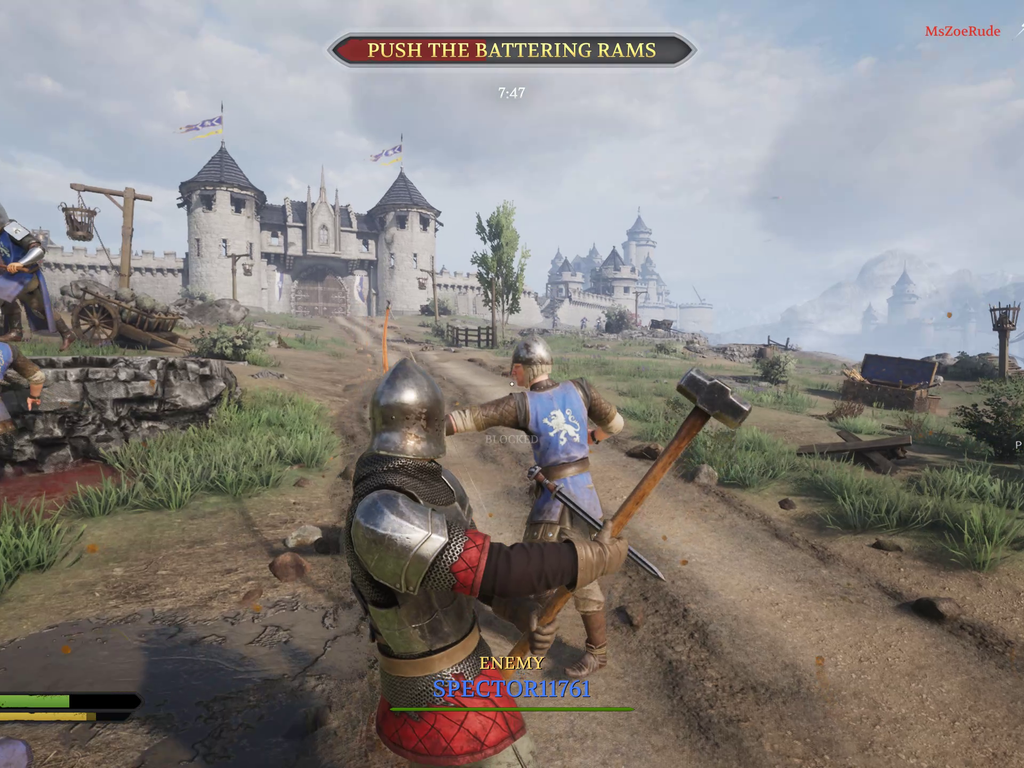
The history of Chivalry: Medieval Warfare became another example of how modifications for popular games can grow into standalone projects.
In 2007, Age of Chivalry was a free Half-Life 2 mod created by a group of enthusiasts. Five years later, the same ideas became the foundation for a standalone commercial game and, later, an entire series.
October 16, 2012 marked the beginning of a new chapter for Torn Banner Studios — Chivalry: Medieval Warfare was released on Steam, turning an experiment with medieval melee combat into the studio's flagship franchise.
As a reminder: Age of Empires — how Civilization and Warcraft helped create the legendary strategy game.


