On September 21, 2010, Sid Meier’s Civilization V, the fifth main installment in the famous series of turn-based strategies from Firaxis Games, was released on PC. The game offered players the chance to once again take control of one of the world's civilizations, lead it on a path from antiquity to modern times, develop cities, research technologies, conduct diplomacy, and wage war with other states. But this time, Firaxis decided to significantly change the series' familiar formula.
Prior to Civilization V, the series already had a huge history. Sid Meier’s first Civilization was released back in 1991, and the fourth installment in 2005 became one of the most famous representatives of the 4X genre. Therefore, Firaxis faced a difficult task: to make the next game familiar enough for veterans, but at the same time offer something new. The developers embarked on a large-scale restructuring of mechanics, including a new game engine, an updated combat system, and a new way of building the map.
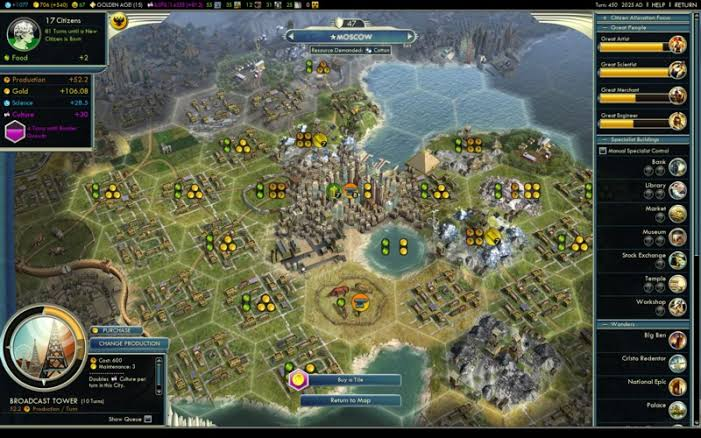
The most noticeable change was the map itself. Previous Civilization games used a system of square tiles, but in the fifth installment, it was replaced with hexagons. At first glance, this might have seemed like only a cosmetic change, but in reality, the new geometry completely influenced the movement of troops and the conduct of battles. Every direction of movement became equivalent, and the placement of units on the battlefield gained much more significance.
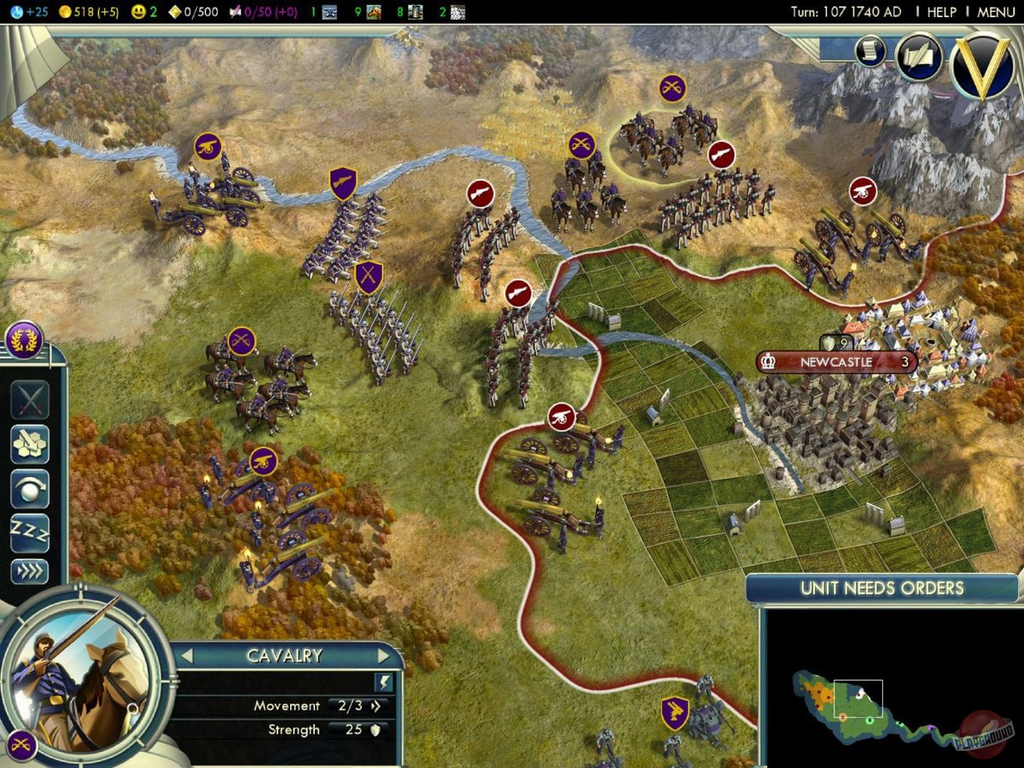
Along with the hexagonal map, Firaxis abandoned the famous "stack of doom"—a situation where a huge number of military units could stay on a single tile. In Civilization V, regular combat units could no longer simply stack into a single army in one place. Each occupied its own tile, so during war, one had to think about positioning, flanks, terrain, and the interaction of different types of troops.
This particularly changed the role of ranged attacks. Archers and other long-range units could attack the enemy from a distance without engaging directly in combat. As a result, warfare in Civilization V became significantly closer to a tactical board game: it was not enough just to have a stronger army—it was important to correctly position it on the map.
However, war was only one part of the game. As before, the player started with a small settlement and gradually transformed it into a mighty state. One could expand territories, found new cities, extract resources, research technologies, and build wonders of the world. It was this gradual transformation of a small civilization into a global power that remained the core of the Civilization formula.
City-states became one of the new elements. Unlike large civilizations, they did not try to conquer the entire world on their own, but they could become important allies. The player could fulfill their quests, help them, or use diplomacy to gain certain advantages. This added another layer of interaction on the map and made the diplomatic game more complex.
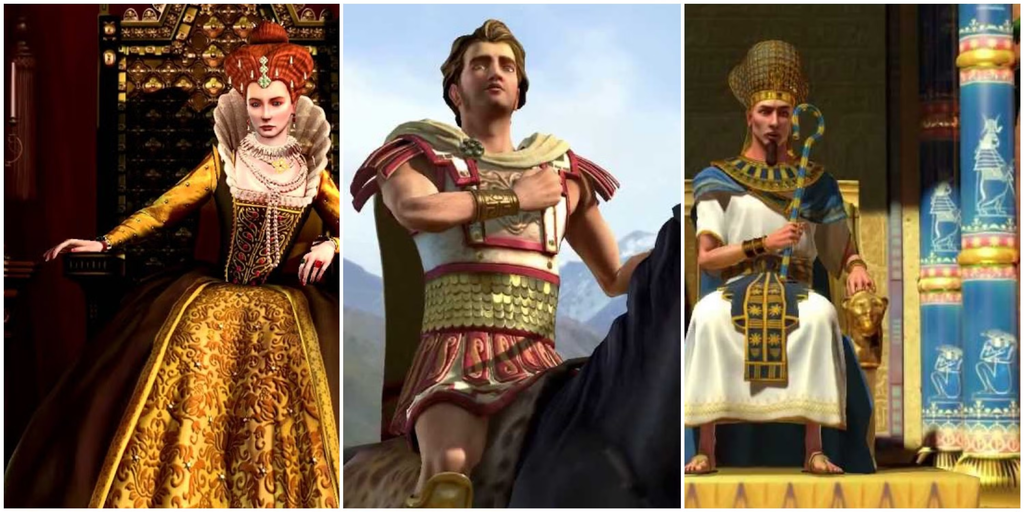
Diplomacy itself also received a new look. Civilization leaders became fully animated characters who spoke their native languages. This made meetings with other states much more expressive: instead of a dry menu, the player literally conversed with historical rulers, trying to negotiate trade, borders, alliances, or peace.
The social policy system became another important change. Previous Civilization IV used a system of government forms and civic principles, but in the fifth installment, it was replaced by social policy trees. When a civilization accumulated enough culture, the player could unlock new policies and gradually shape the direction of their state's development.
At the same time, Firaxis did not just add new mechanics, but also removed some elements of the previous game. For example, at the launch of Civilization V, there was no religion or espionage, which were important components of Civilization IV. This became one of the points because of which some veterans perceived the new game with mixed feelings.
Even before release, Civilization V drew attention precisely because of the scale of the changes. 2K Games announced that the game would feature a new engine, a hexagonal map, a revamped combat system, long-range attacks, and interactive world leaders. In addition, Steamworks features were integrated into the game, including automatic updates, achievements, DLC, and a matchmaking system for multiplayer.
On September 21, 2010, Civilization V was released in North America on Windows. The international release took place a few days later—on September 24. Later, the game also received versions for other platforms.
At launch, Civilization V received very strong scores. On Metacritic, the PC version has 90 points out of 100 based on 70 critical reviews. Reviewers particularly noted the new combat system, the hexagonal map, the user-friendly interface, and how much the tactical component of the game had changed. At the same time, reviews also drew attention to the flaws of the artificial intelligence and certain balance issues.
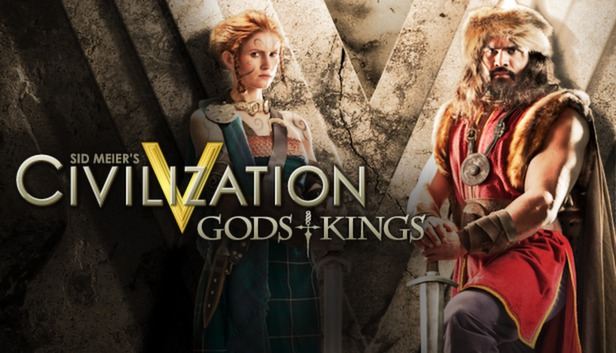
However, the true story of Civilization V largely began after release. Firaxis continued to develop the game and release additional content. Over time, major expansions Gods & Kings and Brave New World were released, which brought back some familiar mechanics and significantly expanded the possibilities of diplomacy, trade, religion, culture, and international relations.
It was thanks to these updates that Civilization V over time transformed into a much larger game than the one released in 2010. Its core formula—"just one more turn"—proved extremely enduring: one turn transformed into the next, then into a new technology, a war, a diplomatic agreement, or the construction of yet another wonder of the world.
Today, Civilization V remains one of the series' most famous installments. Its main merit lies not just in the fact that it continued the franchise, but in that Firaxis dared to restructure the fundamental mechanics of Civilization. The hexagonal map, the system of one unit per tile, city-states, and new diplomacy changed how players perceived turn-based grand strategy.
And perhaps what best describes Civilization V is its own main feature: you launch the game, plan to make only a few turns, and then notice that it is already morning. It was this ability to constantly make the player think "just one more turn" that became one of the main reasons for the longevity of Civilization V.
As a reminder, Gears of War 3 — How Epic Games Concluded Marcus Fenix’s Story.


